Essential Tips for Choosing an External AVR for Your Generator?
When selecting an external AVR for generator systems, careful consideration is essential. An external AVR controls the output voltage of the generator. This component is critical for ensuring stable power delivery during operation. Poor voltage regulation can lead to device damage and operational issues. Choosing the right unit requires knowledge of both generator specifications and AVR capabilities.
Many might overlook the specific voltage rating needed for their generator. This decision significantly impacts performance. Additionally, compatibility with existing hardware often gets ignored. Not every external AVR is suitable for all generator models. This mismatch can lead to inefficiencies or failures. Potential buyers must weigh their options wisely, seeking expert advice if uncertain.
Understanding the technical details might seem daunting. However, the rewards of selecting the correct external AVR for generator operation are immense. It boosts reliability and extends the lifespan of your equipment. Attention to specifics enhances your power system's overall efficiency. It's a process that demands careful thinking and due diligence, ensuring your investment pays off in the long run.
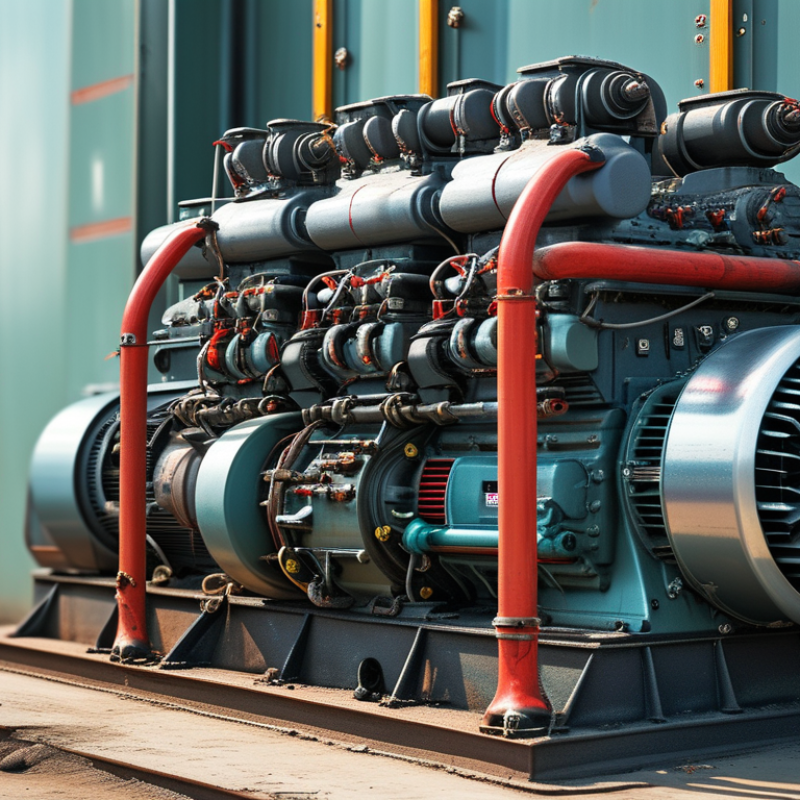
Understanding the Role of an External AVR in Generator Functionality
An external Automatic Voltage Regulator (AVR) plays a crucial role in maintaining the stability of a generator’s voltage output. It ensures that the voltage remains consistent, even when the load fluctuates. This stability is vital for protecting connected appliances from damage. The AVR continuously monitors the output voltage and makes quick adjustments, enhancing the generator's overall performance.
When selecting an external AVR, understanding your generator’s specific requirements is essential. Assess the type of loads you'll be powering. Inductive loads, such as motors, require more robust regulation compared to resistive loads like heaters. It's also vital to consider the generator’s capacity. An AVR that matches the generator's output will provide effective voltage management.
Tip: Look for features that include surge protection and thermal overload safeguards. These enhancements can prevent significant damage to your generator and equipment. Additionally, ensure the selected AVR is compatible with your generator model. A mismatch can lead to inefficiencies or system failures, which could have been easily avoided. The choice of an AVR is not a trivial matter; it demands careful thought and consideration of your generator's function and the specific operating environment.
Key Factors to Consider When Selecting an External AVR
When selecting an external Automatic Voltage Regulator (AVR) for your generator, it's important to consider several key factors. The voltage stability is one of the most critical elements. A reliable AVR should maintain a steady voltage output, especially under varying loads. Research shows that fluctuations in voltage can lead to equipment damage. In fact, according to industry studies, up to 40% of electrical equipment failures are linked to poor voltage regulation.
Another important aspect is the AVR's response time. A high-quality AVR typically responds within milliseconds to any voltage irregularities. Delays in response can cause serious consequences, potentially damaging sensitive electronics. Look for AVRs that feature fast-reacting sensors and advanced control algorithms. These AVRs not only protect your equipment but also enhance the efficiency of your generator.
Consider the compatibility of the AVR with your generator model. The right AVR ensures proper voltage output and improved generator performance. However, some users report issues with compatibility, leading to underperformance or failures. It's crucial to review technical specifications thoroughly. Always consult with a qualified technician or professional when in doubt. Reflecting on these details can help avoid costly mistakes later.
Top Features to Look for in External AVR Models
When selecting an external Automatic Voltage Regulator (AVR) for generators, consider essential features. A reliable AVR maintains voltage stability, ensuring your generator operates smoothly. Research indicates that voltage fluctuations can damage sensitive electronics. An ideal AVR should handle a wide voltage range. Data from the Electrical Power Research Institute shows that over 40% of generator-related issues stem from poor voltage regulation.
Another critical feature is response time. A responsive AVR adjusts quickly to load changes. Reports indicate that a swift response minimizes downtime and enhances efficiency. Look for models with digital processing capabilities. Digital units often provide better accuracy and reliability than traditional analog versions. Industry studies indicate that digital AVRs can reduce maintenance costs by up to 20%.
Robust build quality is also vital. An AVR exposed to harsh environments can fail prematurely. Choose models with protective casings and high-grade components. Some reports emphasize that protective measures extend the lifespan of the equipment significantly. Remember, investing in a reliable AVR not only ensures operational efficiency but also contributes to long-term savings. Balancing features with your specific application needs is essential for making an informed choice.
Common Types of External AVR and Their Uses
When choosing an external Automatic Voltage Regulator (AVR) for your generator, it's essential to understand common types and their applications. There are primarily two types: digital and analog AVRs. Digital AVRs offer enhanced accuracy and response time. They can adapt quickly to changes in load and provide better voltage regulation. Data shows that installations with digital AVRs can achieve a voltage stability rate of up to 98%.
Analog AVRs have simpler designs and are often more cost-effective. They typically work well for smaller generators or less critical applications. However, their response time to sudden load changes can be slower, leading to potential voltage fluctuations. A study indicated that up to 20% of generators using analog technology experienced voltage dips under heavy loads.
Another important aspect involves the use of series vs. shunt regulators. Series AVRs adjust the output-voltage supply, while shunt types stabilize voltage by bypassing a portion of the current. For example, a series regulator might be more suitable for industrial generators, while shunt regulators are popular in residential or modular setups. Understanding these differences can significantly impact performance and efficiency. Assessing the specific needs of your generator will guide the decision-making process.
Essential Tips for Choosing an External AVR for Your Generator
| Type of External AVR |
Voltage Regulation |
Suitable Generator Size |
Common Applications |
| Automatic Voltage Regulator (AVR) |
Maintains output voltage within ±1% |
Small to medium-sized generators (up to 15 kVA) |
Residential, light commercial use |
| Digital Voltage Regulator |
Maintains output voltage with high precision |
Medium to large generators (15 kVA to 100 kVA) |
Industrial, backup power for sensitive equipment |
| Voltage Regulator with Load Sharing |
Ensures balanced load distribution among generators |
Large generators (100 kVA and above) |
Power plants, commercial setups, parallel generators |
| Servo Motor Voltage Regulator |
Offers stable voltage across varying loads |
Suitable for high-capacity generators |
Heavy machinery, mining equipment |
Installation and Maintenance Tips for External AVRs in Generators
When installing an external Automatic Voltage Regulator (AVR) for your generator, precision is key. A study by the International Journal of Engineering Technologies reported that improper AVR installation can lead to voltage fluctuations, compromising generator performance. Ensure proper wiring and connections to avoid such issues. Pay close attention to the automatic adjustment features of the AVR; they should respond swiftly to load changes. Regularly check for any signs of wear or damage around the connections, as they can impact performance.
Maintenance is equally vital. The National Electric Code recommends periodic testing of AVRs under varying load conditions. This testing identifies potential failures before they disrupt operations. It’s wise to keep the AVR clean and free of dust, which can affect sensitivity. Some users might overlook simple tasks like tightening connections, yet loose wires account for a significant percentage of AVR issues. Monitoring these factors contributes to reliable generator performance, enhancing longevity and efficiency.

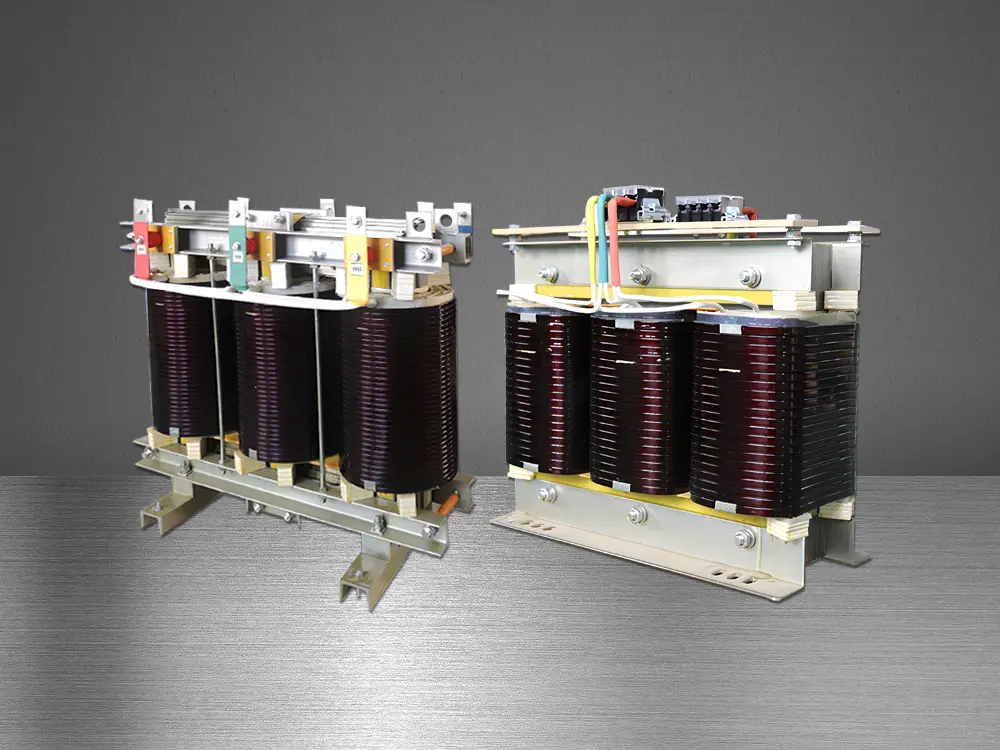 Three-Phase Isolation Transformer
 Control Transformer
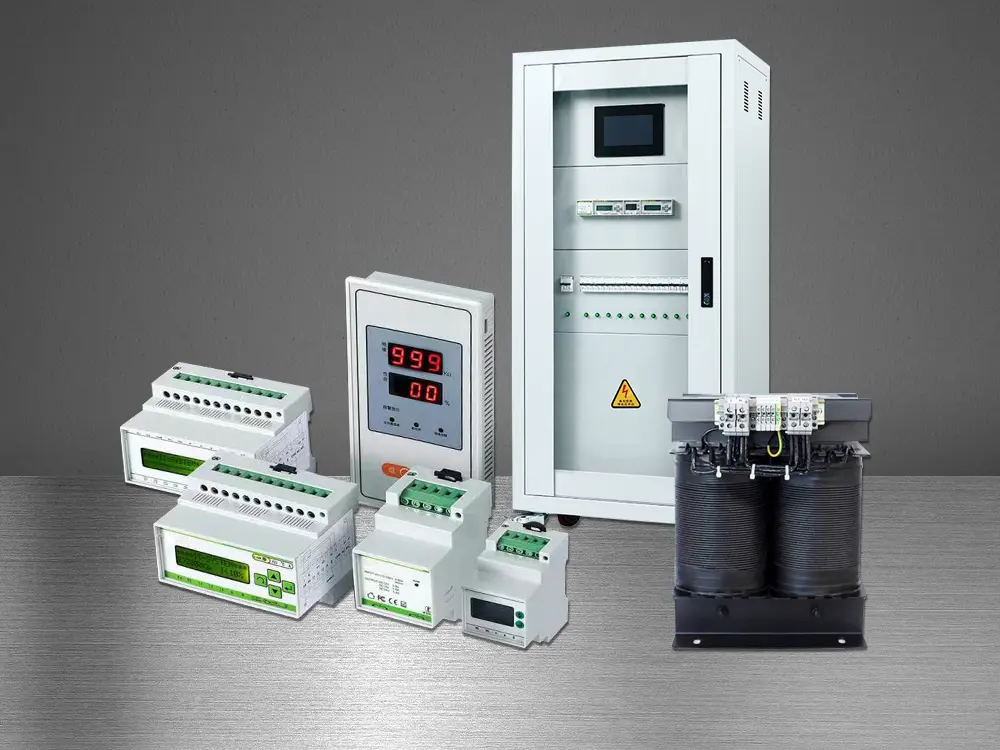 Medical IT Isolated Power System
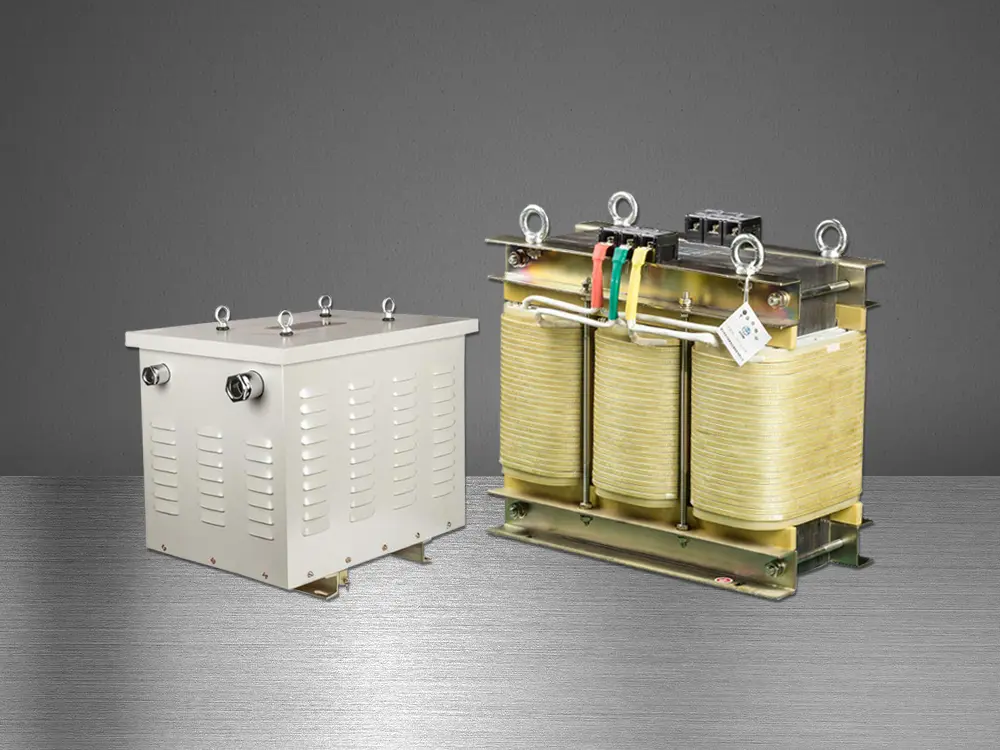 Marine Transformer
 Tunnel Transformer
 High Current Transformer
 Automatic Voltage Regulator
 Oil Immersed Voltage Regulator