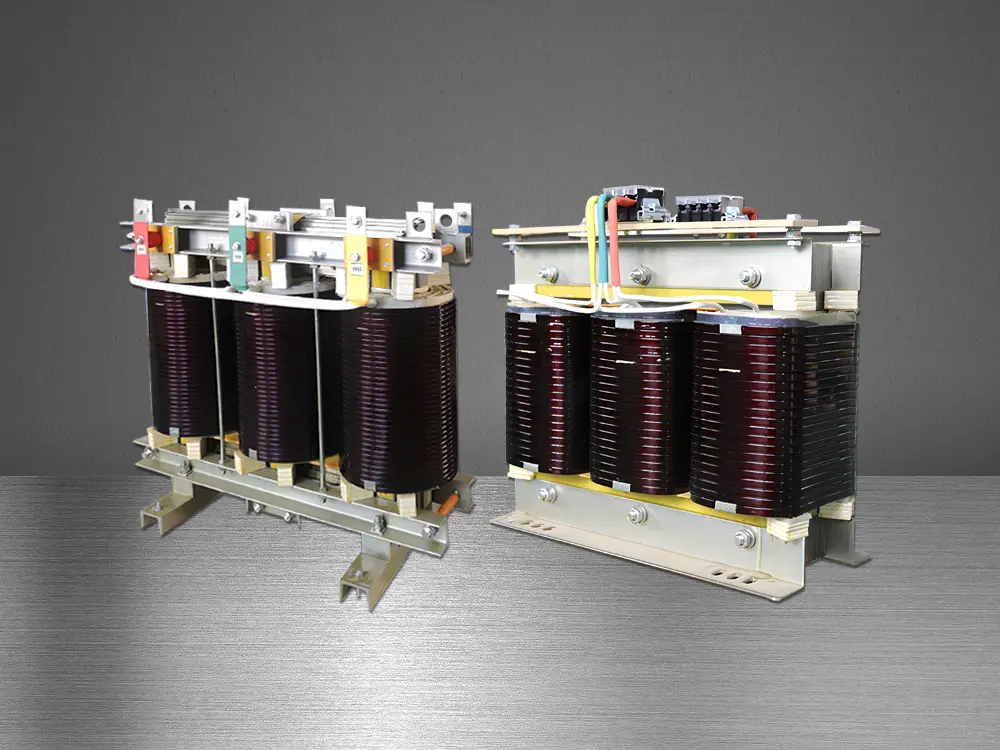
Leave Your Message

Top 10 Benefits of Avr Automatic Voltage Regulator for Buyers?

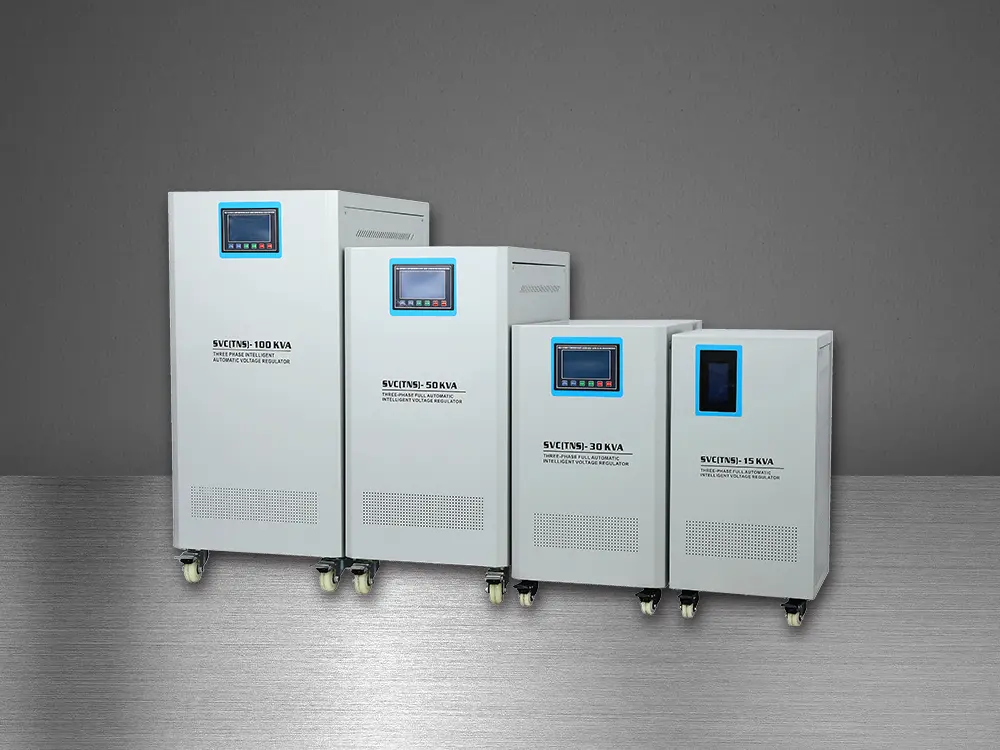
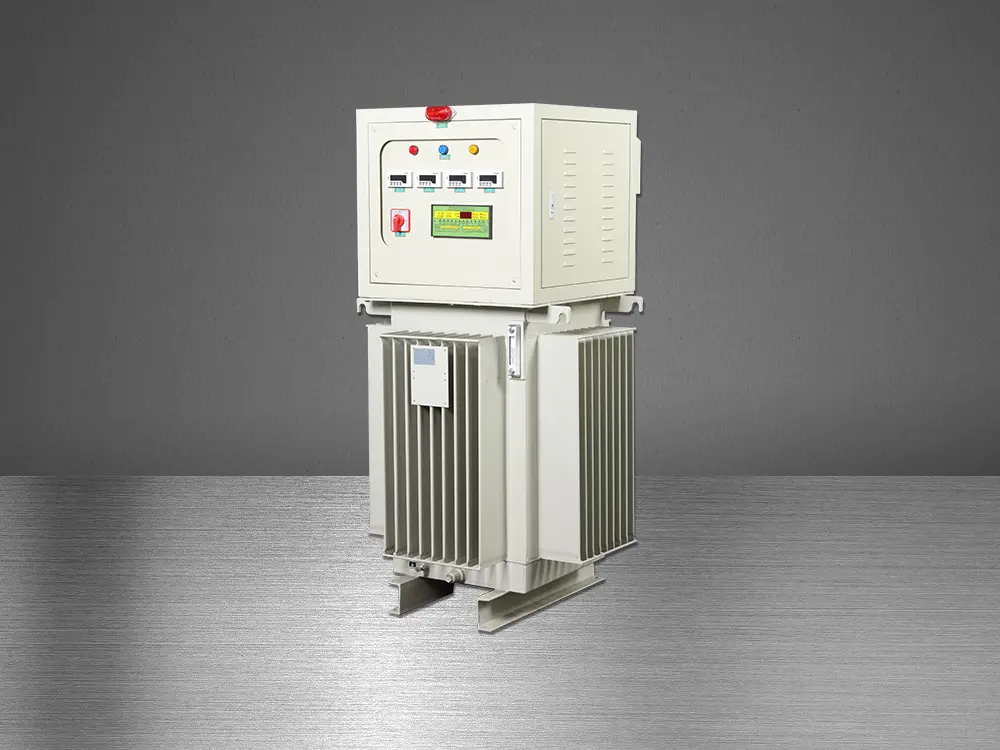
In today's electrical landscape, the need for stability and efficiency cannot be overstated. The AVR Automatic Voltage Regulator plays a crucial role in safeguarding equipment from voltage fluctuations. It ensures that your devices receive a consistent power supply, enhancing their lifespan and performance.

Investing in an AVR Automatic Voltage Regulator comes with numerous advantages. Many users report significant reductions in equipment malfunctions. This device stabilizes voltage, minimizing disruption caused by surges or dips. It allows for smoother operation of sensitive electronics and machinery.

Beyond just protection, these regulators can optimize energy consumption. Some buyers find that their energy bills decrease as a result. However, it is important to choose the right model. Not all AVRs are made equal. Potential buyers should consider their specific needs and research thoroughly. This understanding can ultimately lead to a more dependable power management solution.

Top 10 Benefits of Avr Automatic Voltage Regulator for Buyers?

Understanding the Purpose of AVR Automatic Voltage Regulators

Automatic Voltage Regulators (AVRs) play a crucial role in maintaining stable voltage levels in electrical systems. Their main function is to ensure that the output voltage remains within a specific range, protecting devices from damage due to voltage fluctuations. This can be particularly important for sensitive equipment such as computers and medical devices. Unregulated power sources often lead to inefficiencies and malfunctions, underscoring the necessity of AVRs in various applications.

AVRs also enhance the longevity of electrical appliances. By providing a consistent voltage supply, they minimize wear and tear on device components. This can lead to reduced maintenance costs over time. Furthermore, they contribute to overall energy efficiency. An AVR prevents energy waste caused by irregular power supply, ultimately lowering electricity bills. While they are not foolproof and can encounter specific limitations, investing in an AVR can yield significant benefits for both commercial and residential users. Regular monitoring and occasional recalibration are advised for optimal performance.
Key Features that Enhance Performance and Efficiency in AVRs

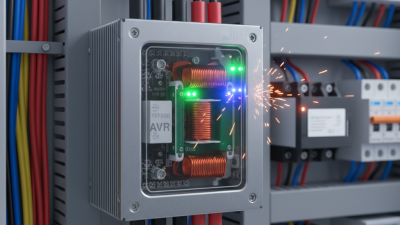
Automatic Voltage Regulators (AVRs) play a crucial role in maintaining stable voltage levels. This stability enhances the lifespan of electrical equipment. One key feature of AVRs is their real-time voltage regulation. They continuously monitor voltage fluctuations, ensuring that connected devices receive consistent power. This minimizes the risk of damage to sensitive electronics.

Another important aspect is overload protection. AVRs are designed to safeguard your equipment from excessive current. This feature not only protects devices but also optimizes energy efficiency. With improved efficiency, users often see reduced electricity bills. Reliable AVRs come equipped with surge protection, further enhancing their value.

However, it's essential to consider that not all AVRs are created equal. Some units may not respond quickly enough to sudden voltage changes. This lag can be detrimental to highly sensitive equipment. Buyers should critically evaluate their options. Understanding specific needs can lead to better choices. Look for AVRs that align with your requirements for optimal performance.

Top 10 Benefits of AVR Automatic Voltage Regulator

Cost-Effectiveness: How AVRs Save Money Over Time

Automatic Voltage Regulators (AVRs) provide significant cost-effectiveness for both industrial and residential users. These devices stabilize voltage levels, which protects equipment from damage. The U.S. Department of Energy reports that electrical anomalies can lead to a 30% increase in energy costs. By maintaining constant voltage, AVRs help reduce this wastage, leading to savings over months and years.

Moreover, AVRs extend the lifespan of electrical devices. A study by the Electric Power Research Institute indicates that proper voltage levels can increase equipment longevity by up to 50%. This reduction in replacement and repair costs is a crucial factor for buyers. However, initial investments in AVRs may deter some consumers. It's vital to weigh immediate costs against long-term savings.

Adopting AVRs also promotes energy efficiency. According to the International Energy Agency, higher voltage levels lead to increased energy consumption. By regulating voltage, AVRs help lower overall power demand. This not only benefits users financially but also serves the environment. Despite a learning curve for proper implementation, the potential benefits are substantial. Investing in an AVR is a proactive move towards a more efficient future.

Top 10 Benefits of AVR Automatic Voltage Regulator for Buyers

Benefit Description Cost Savings Long-Term Impact
Voltage Stabilization Maintains consistent output voltage level. Reducing equipment malfunction. Improved equipment longevity.
Equipment Protection Protects against surges and spikes. Lower repair and replacement costs. Enhanced reliability of devices.
Energy Efficiency Optimizes power usage for connected devices. Reduced electricity bills. Lower carbon footprint.
Noise Reduction Minimizes electrical noise for sensitive equipment. Fewer disruptions and failures. Better performance of audio devices.
User-Friendly Easy installation and maintenance. Less downtime during setup. Increased system uptime.
Versatility Compatible with various devices and systems. One investment for multiple uses. Maximized ROI on electrical setups.
Safety Reduces the risk of electrical fires. Lower insurance premiums. Peace of mind for users.
Adaptability Adjusts to varying input voltage levels. Less wasted energy. Improved overall efficiency.
Cost-Effective Reduces need for expensive repairs. Significant savings over time. Long-term financial benefits.
Reliability Ensures consistent performance over years. Minimized operational costs. Sustained productivity and output.

Improving Equipment Longevity with AVRs

Top 10 Benefits of Avr Automatic Voltage Regulator for Buyers?

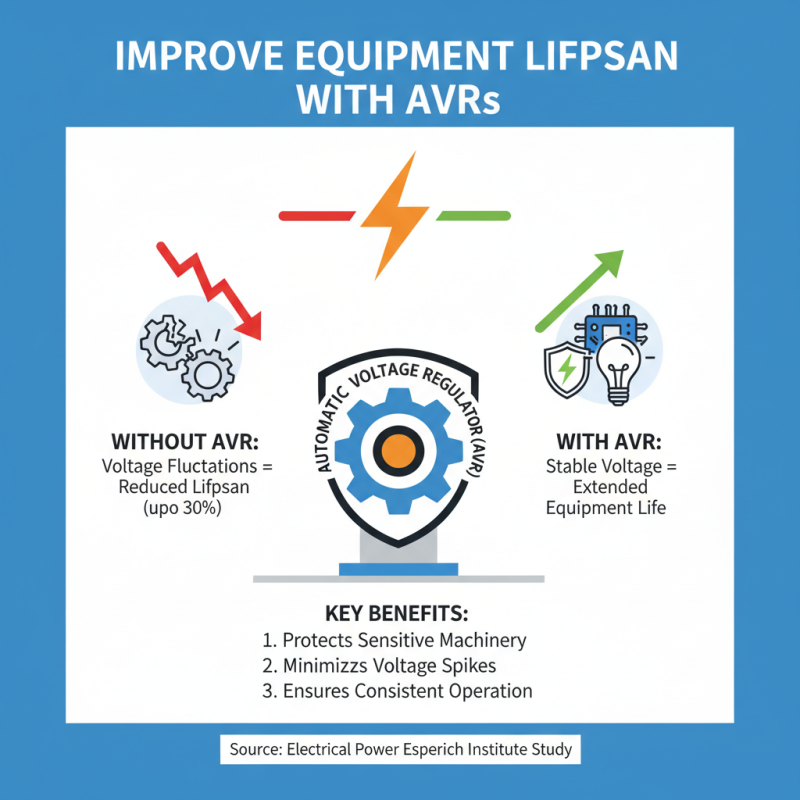
Automatic Voltage Regulators (AVRs) play a crucial role in enhancing the longevity of various equipment. A study by the Electrical Power Research Institute shows that voltage fluctuations can reduce equipment lifespan by up to 30%. With AVRs, these fluctuations are minimized, ensuring that sensitive machinery operates within safe voltage levels.

Implementing AVRs can prevent significant damage caused by overvoltage or undervoltage conditions. In fact, a report from the International Electrotechnical Commission highlights that nearly 40% of industrial machinery failures stem from unstable power supply. By stabilizing voltage, AVRs not only protect equipment but also improve overall efficiency.

Tips: Regularly maintain AVRs to ensure they function optimally. Check connections and settings often. Outdated AVRs can cause problems too. Upgrading older units may require reflection on current needs vs. capabilities. Being proactive with your equipment can save time and costs in the long run.

The Role of AVRs in Stabilizing Power Supply Systems

Automatic Voltage Regulators (AVRs) play a crucial role in stabilizing power supply systems. They ensure that voltage levels remain consistent, protecting sensitive equipment. Fluctuations in voltage can lead to critical failures or damage. A study by the International Energy Agency (IEA) highlights that about 30% of electrical failures arise from improper voltage levels.

AVRs help mitigate these risks. They sense voltage changes and adjust the output accordingly. This process is vital for both homes and industries. According to data from the Electric Power Research Institute (EPRI), using AVRs can improve the lifespan of electrical devices by up to 25%. This longevity translates into significant savings over time.

In real-world applications, not all AVRs perform equally. Some systems may not react fast enough to sudden surges or drops. This inconsistency can be concerning. Buyers must consider the specifications and reliability ratings of various models. Detailed research and continuous feedback from users can enhance the decision-making process. Understanding these factors is essential for making informed purchases.