How to Choose Safe Power Systems for Your Business Needs?
Choosing safe power systems for your business is critical. Every business relies on electricity to operate effectively. A reliable power system protects your equipment and ensures uninterrupted operations. However, selecting the right systems can be challenging.
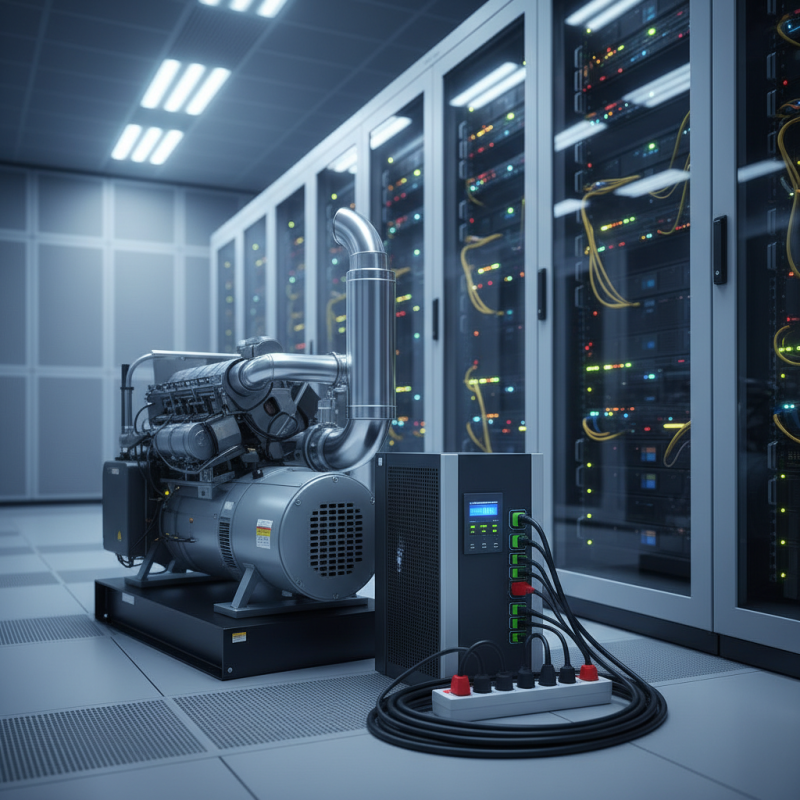
Safe power systems come in various forms. They include backup generators, UPS units, and surge protectors. Each type offers unique benefits tailored to specific needs. Understanding these options is essential for making informed choices.
In an age of increasing power demands, safety cannot be compromised. A power failure can lead to costly downtime and safety hazards. Businesses must weigh factors such as reliability, efficiency, and compatibility. Reflection on past experiences can also guide better decision-making. Selecting safe power systems is not merely a task; it is a necessity for long-term success.
Understanding Your Business Power Requirements
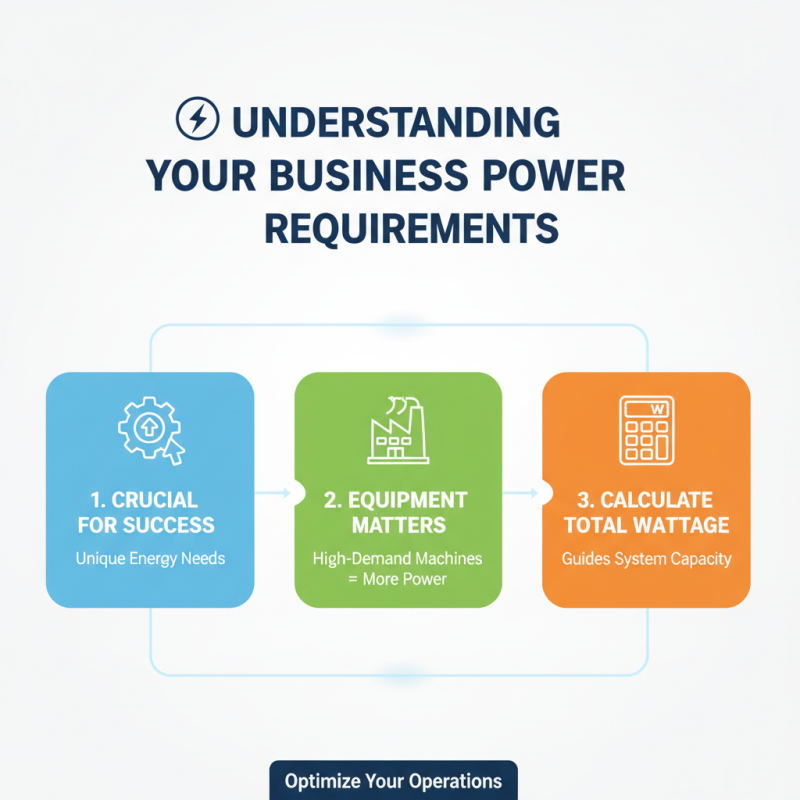
Understanding your business power requirements is crucial for operational success. Each business has unique energy needs. Consider the type of equipment you use. High-demand machines often need more robust systems. Calculate the total wattage necessary for your operations. This will guide your system's capacity.
Think about your business's growth potential. Are you planning to expand soon? Choose a power system that can accommodate future needs. Flexibility is key in this choice. Examine your peak usage times. Knowing when you draw the most power helps prevent outages.
Regular assessments of your power needs can reveal changes over time. A growing business might require upgrades or adjustments. Sometimes, unexpected issues arise. Ensure your system can handle these challenges. By understanding these details, you create a safer, more reliable power infrastructure.
Evaluating Different Types of Power Systems
When evaluating different types of power systems for your business, it's crucial to consider reliability and efficiency. According to the U.S. Department of Energy, businesses lose about $150 billion each year due to power interruptions. This staggering figure highlights the need for robust power systems. A reliable system ensures consistent energy supply, which minimizes operational downtime.
Renewable energy sources are increasingly popular for businesses. Solar power systems, for instance, have shown an impressive average efficiency of 15-20%. These systems offer long-term savings and reduce reliance on traditional power grids. However, they come with challenges, such as high initial costs and variable energy production depending on weather conditions.
Another option is uninterruptible power supplies (UPS). These systems provide backup energy instantly during outages, protecting vital equipment. The global UPS market is projected to reach $15 billion by 2026, reflecting the importance of reliable energy solutions. While beneficial, businesses must consider the maintenance costs and lifespan of UPS systems. It's essential to weigh these factors against your operational needs and potential risks.
Comparison of Different Types of Power Systems
Identifying Reliable Power System Vendors
When identifying reliable power system vendors, assessing their experience and market credibility is crucial. A recent report from the International Energy Agency (IEA) indicates that only 40% of businesses successfully avoid power outages by investing in robust systems. This highlights the need for companies to prioritize vendors with a proven track record.
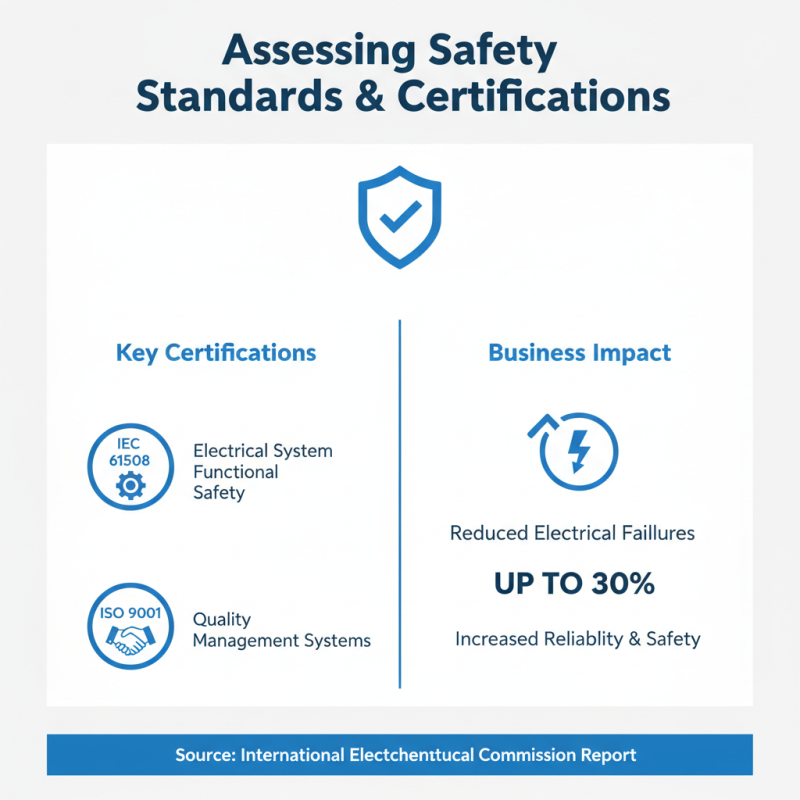
Look for vendors with certifications and industry accolades. Their capabilities in providing fail-safe solutions can be measured against industry benchmarks. A 2022 survey by Energy Monitoring revealed that 78% of companies that vetted their power suppliers reported improved performance. Choosing vendors that offer comprehensive maintenance and support can also mitigate risks.
Consider seeking vendors that disclose their reliability ratings and customer testimonials. This transparency is a sign of trustworthiness. However, not all claims are equally substantiated; some may rely heavily on marketing. Ensuring that the vendor’s claims are verified through independent assessments is essential. Engage with current clientele to gather insights. Their experiences can illuminate potential inefficiencies.
How to Choose Safe Power Systems for Your Business Needs? - Identifying Reliable Power System Vendors
| Vendor Type |
Power System Type |
Safety Certifications |
Average Cost [$] |
Warranty Period |
Customer Support Rating |
| Supplier A |
Uninterruptible Power Supply |
ISO 9001, IEC 62040 |
1,200 |
5 Years |
4.5/5 |
| Supplier B |
Solar Power System |
UL 1741, IEC 61730 |
15,000 |
10 Years |
4.7/5 |
| Supplier C |
Backup Generator |
EPA, CSA |
5,000 |
3 Years |
4.3/5 |
| Supplier D |
Energy Storage System |
IEC 62619, UL 9540 |
8,000 |
7 Years |
4.6/5 |
Implementing Continuous Monitoring and Maintenance Practices
Continuous monitoring and maintenance are crucial for safe power systems in any business. These practices help detect issues before they become serious. Regular inspections ensure that all components function correctly. This proactive approach prevents costly downtime and mitigates risks. Monitoring tools can provide real-time data on system performance. They help identify trends that could indicate potential failures.
The importance of proper training cannot be overstated. Employees need to recognize early warning signs of system failure. They should understand operational procedures and emergency protocols. This awareness can enhance overall safety and reliability. However, even with the best training, human error can occur. It's essential to create a culture of reporting and learning from mistakes to improve safety practices continually.
Maintenance schedules should be consistent and well-documented. Keep track of inspections, repairs, and upgrades. These records help ensure compliance with industry standards. However, companies often struggle with maintaining accurate logs. This inconsistency can lead to oversights that jeopardize safety. Strive for continuous improvement by revisiting and refining maintenance strategies regularly.

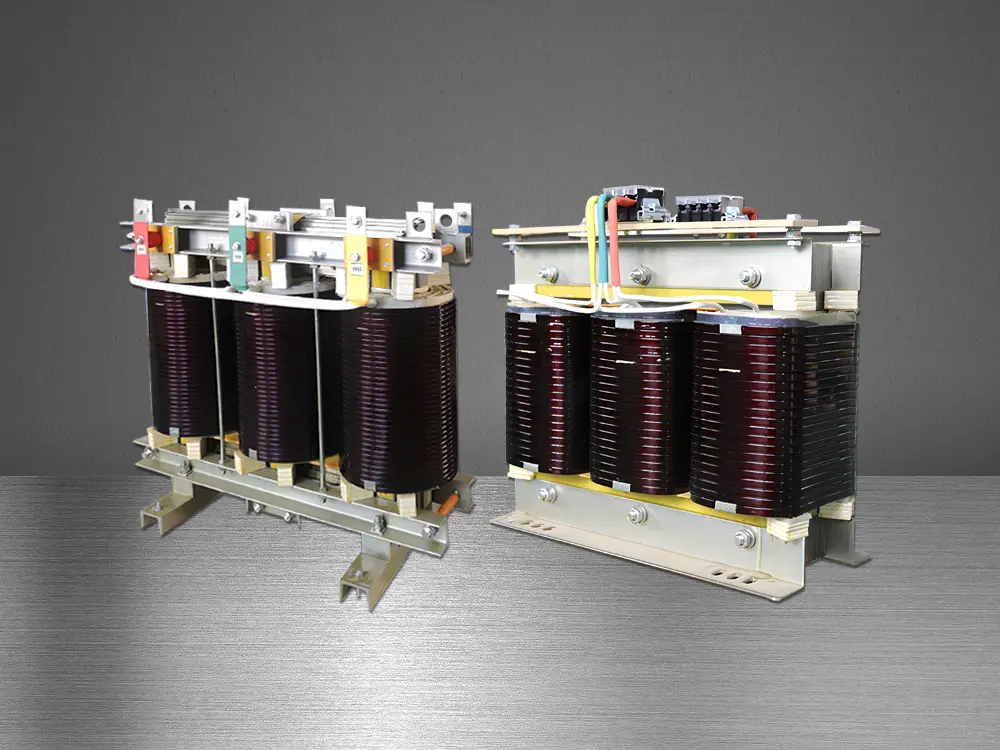 Three-Phase Isolation Transformer
 Control Transformer
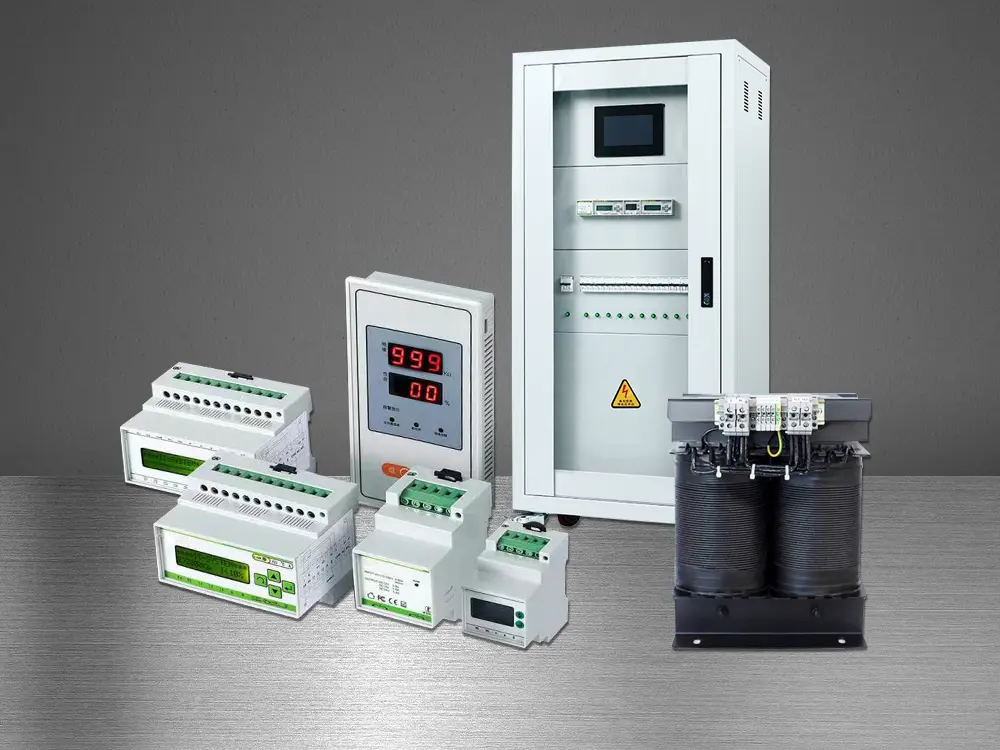 Medical IT Isolated Power System
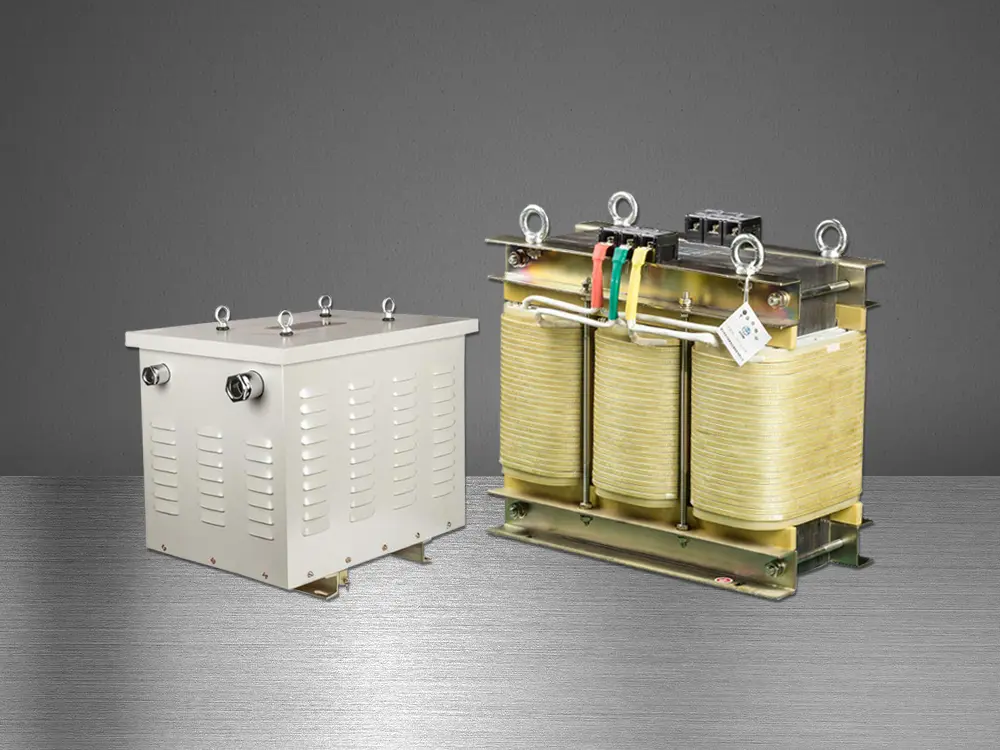 Marine Transformer
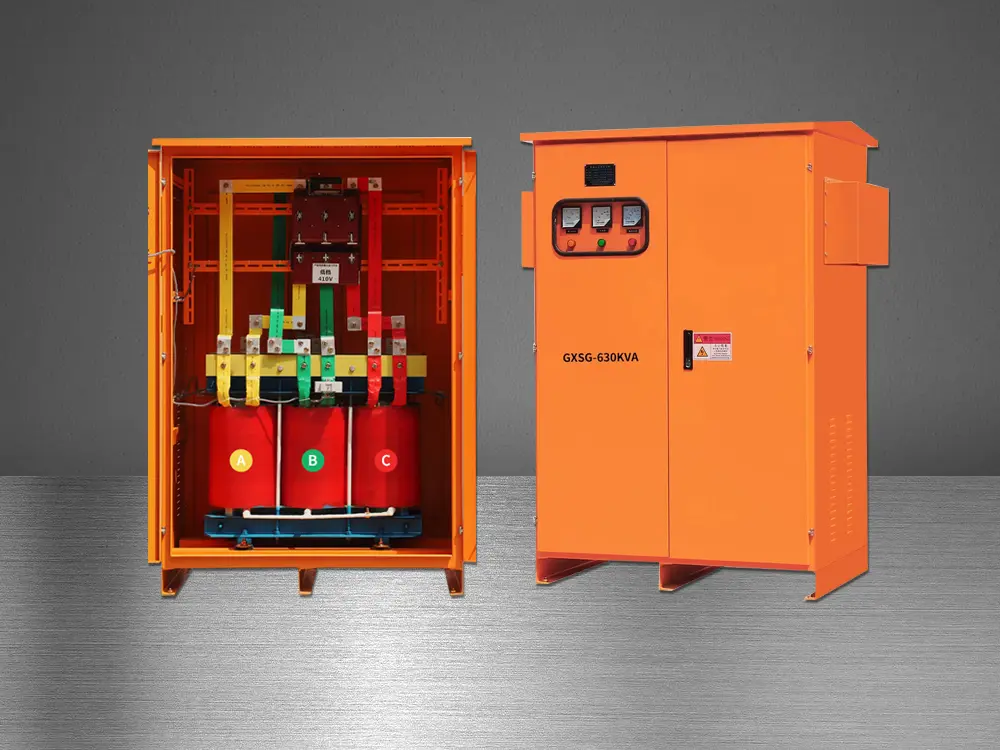 Tunnel Transformer
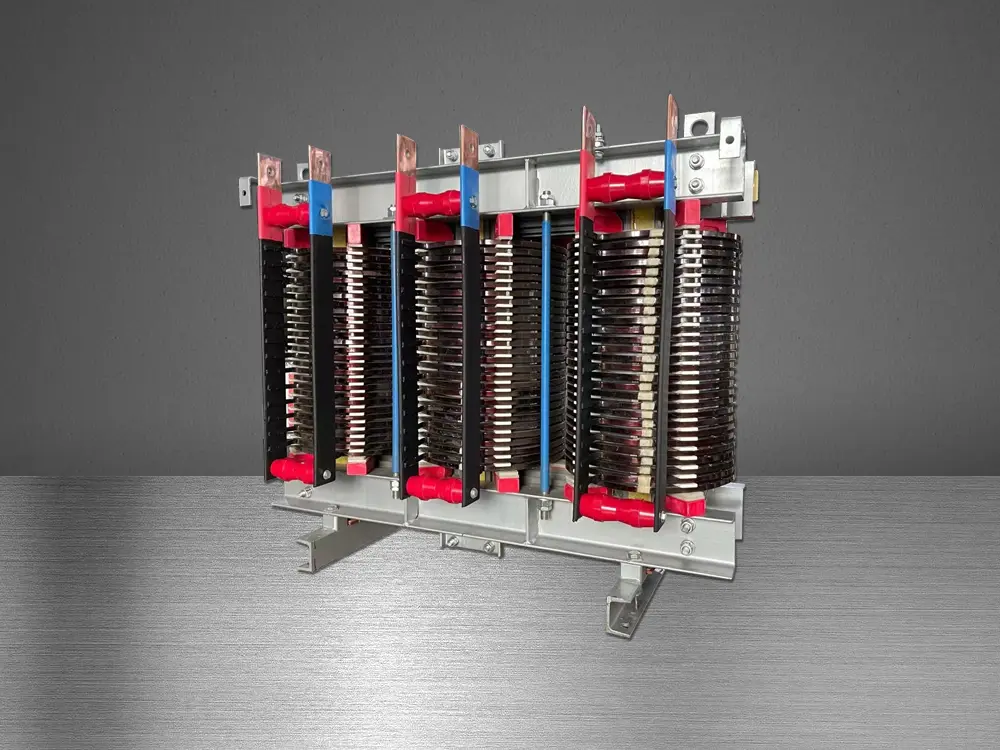 High Current Transformer
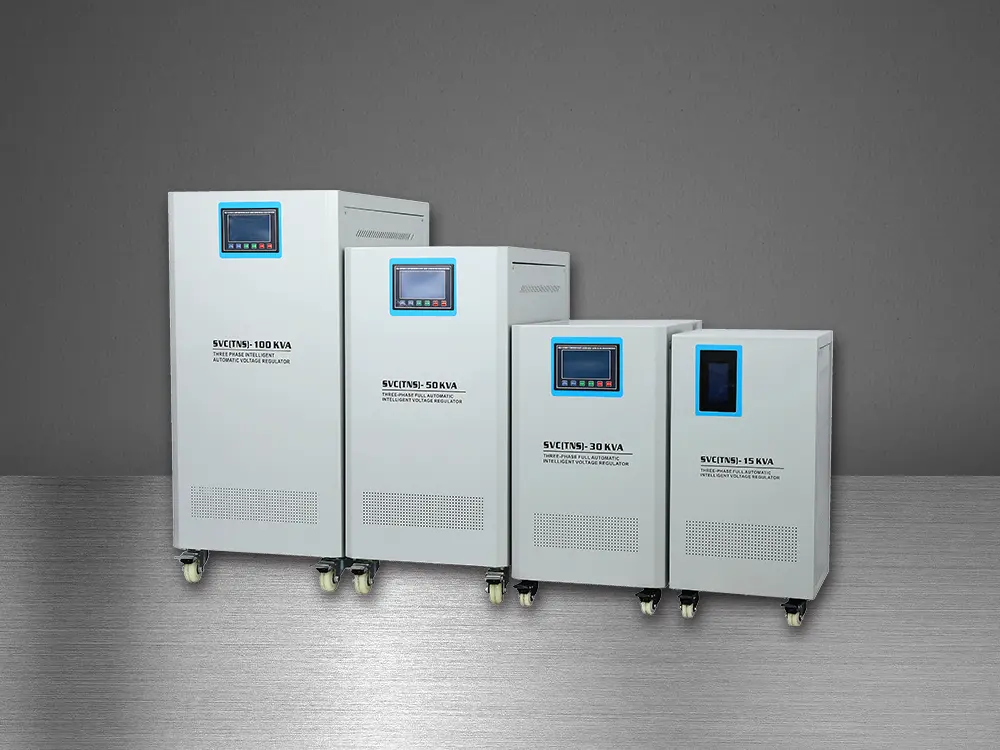 Automatic Voltage Regulator
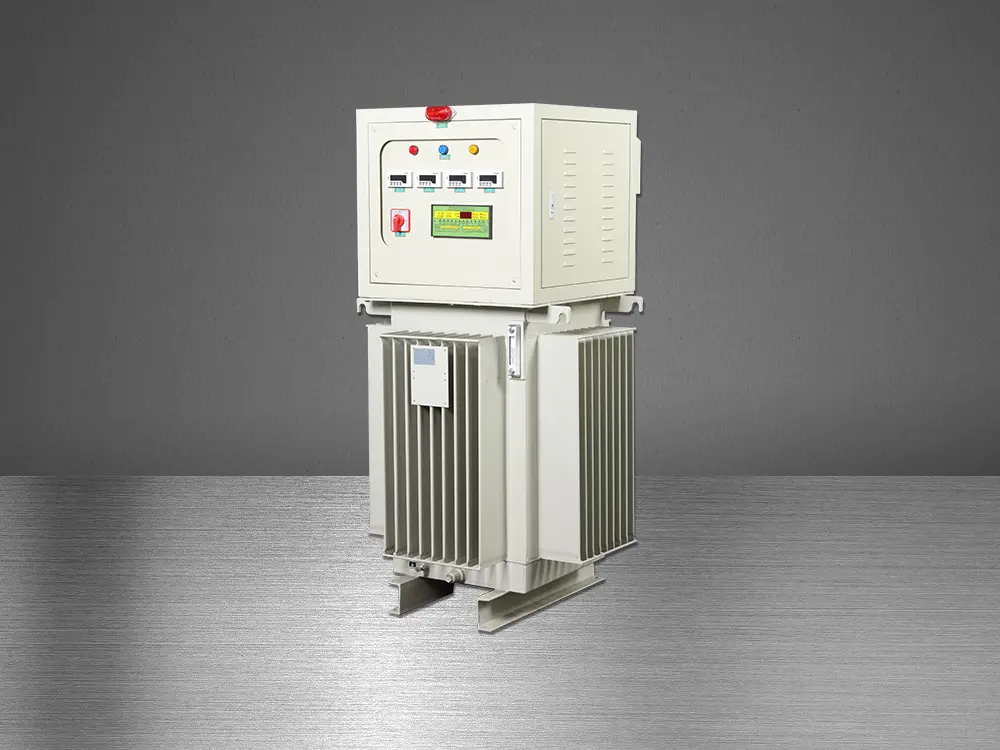 Oil Immersed Voltage Regulator