What is a High Current Transformer and How Does it Work?
High Current Transformers (HCTs) play a crucial role in the electrical industry. They are essential for measuring high currents in power systems. According to a report by Global Industry Analysts, the global market for HCTs is expected to reach $1.5 billion by 2025. Their accuracy and reliability are vital for safe operations in substations and distribution networks.
Dr. Linda Morgan, a noted expert in electrical engineering, emphasizes the importance of HCTs, stating, “High Current Transformers are critical for ensuring precise current measurement, enhancing safety in power management.” This highlights their significance in maintaining the integrity of electrical systems.
Despite their importance, some challenges remain. For instance, there are concerns about the calibration and maintenance of these transformers. Incorrect measurements can lead to operational inefficiencies and costly downtimes. Ensuring that HCTs are functioning correctly is imperative for industry reliability. Therefore, ongoing education and awareness in this field are essential.
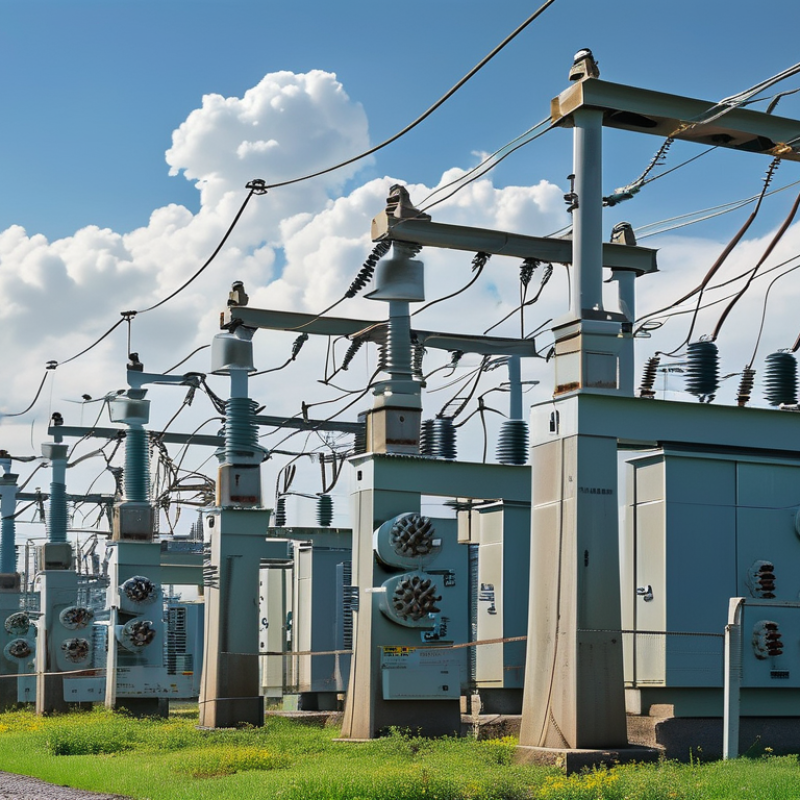
What is a High Current Transformer and Its Purpose in Power Systems?
High Current Transformers (HCTs) play a crucial role in power systems. They are designed to monitor and manage high current levels in electrical circuits. This ensures the safety and efficiency of power distribution. HCTs transform high currents into manageable levels. This allows measurement and protection devices to operate accurately.
In power systems, HCTs serve essential purposes. They help in current measurement and protection. Accurate measurements enable better load management. Protection systems trigger when faults occur, preventing damage. Without HCTs, maintaining stability in power systems would be difficult. They also help reduce losses by ensuring efficient energy flow.
Tip: Regular maintenance of HCTs is essential. Check connections and insulation regularly. Ensure accurate calibration for precise measurements.
Also, consider the installation environment. HCTs should be in a dry, temperate zone. Humidity or extreme heat can affect their performance. Always follow safety protocols during installation and maintenance.
Understanding the Basic Principles of High Current Transformer Operation
High current transformers (HCTs) play a critical role in electrical systems. They are designed to measure high currents while providing a safe, manageable output for monitoring and protection. The fundamental principle behind HCT operation lies in electromagnetic induction. When high current passes through the primary winding, it creates a magnetic field. This field induces a proportional current in the secondary winding, which is scaled down for measurement.
Industry reports indicate that HCTs can handle currents exceeding thousands of amperes. For instance, a new study reveals that high current transformers can accurately operate under loads of up to 10,000 A. This efficiency is crucial in power plants and substations, where monitoring these high levels is essential for operational safety. However, the transformation ratio must be carefully calculated to avoid inaccuracies, especially under fluctuating loads.
Nonetheless, the technology is not without its challenges. Calibration and maintenance of HCTs require expertise. Inaccuracies in measurement can lead to significant operational risks. Users must regularly assess the performance of these transformers, as any deviation can compromise system reliability. This vigilance ensures that high current transformers fulfill their role effectively in modern electrical infrastructure.
Key Components of High Current Transformers and Their Functions
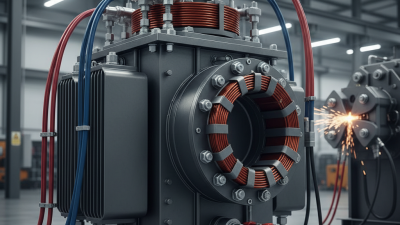
High current transformers (HCTs) are crucial in electrical engineering, particularly in power systems. They enable the measurement and management of high voltage currents safely. Key components of HCTs include the primary winding, secondary winding, and the core. The primary winding carries the high current. It is designed to handle extreme stress without degradation. The secondary winding produces a reduced current for measuring devices.
The core material plays a significant role in efficiency. Most HCTs utilize silicon steel or amorphous steel for improved magnetic properties. According to recent reports, the efficiency of HCTs in energy transmission can exceed 98%. The insulation within HCTs is also vital. High-quality insulation ensures safety and maintains the device's integrity under high current conditions. Regular assessments of insulation can prevent potential failures.
Despite advancements, some challenges remain. HCTs can exhibit saturation at extremely high currents, affecting accuracy. Engineers often grapple with this issue during their design processes. Continuous improvements in materials and designs are necessary. Adapting to new technologies and environmental standards can raise costs but yield significant gains in performance and reliability.
High Current Transformer Usage Analysis
Applications of High Current Transformers in Industrial and Utility Settings
High current transformers (HCTs) play a vital role in various industrial and utility applications. These devices are essential for measuring high current levels safely and accurately. In power generation facilities, HCTs help monitor electrical systems, ensuring efficiency and safety. According to industry reports, about 30% of power losses can be attributed to improper current measurements. This highlights the importance of HCTs in minimizing waste and optimizing performance.
In substations, HCTs serve to protect equipment. They enable operators to detect faults and manage loads effectively. A significant study showed that miscalculation of current could lead to equipment failures, resulting in costly outages. Moreover, HCTs support renewable energy integration. They monitor the variable output from wind and solar sources, ensuring grid stability. As green energy grows, the demand for accurate monitoring increases, making HCTs indispensable.
Challenges exist in maintaining these transformers. Regular testing and calibration are essential but often overlooked. In some cases, a lack of understanding of HCTs’ operational limits leads to miscues in data, affecting decision-making. This underscores the need for continuous training and awareness. The reliability of HCTs significantly impacts both safety and productivity in industrial settings.
Performance Metrics and Standards for High Current Transformers in the Industry
High current transformers (HCTs) play a vital role in electrical engineering. Their performance metrics determine their efficiency and reliability. A crucial standard for HCTs involves their current rating, typically ranging from 100A to 10kA. This wide spectrum reflects the varying demands of different industries. According to the IEEE standards, HCTs must function within a specific temperature range to maintain optimal performance. Deviations can lead to inaccuracies in data transmission.
Another important metric is the accuracy class. High-precision HCTs must adhere to Class 0.5S or Class 1 standards. These classes ensure minimal error margins, enhancing the safety and reliability of electric systems. Industry reports indicate that HCTs meeting these standards show a failure rate of less than 2% under normal operating conditions. However, not all transformers achieve this level. Some may need recalibration or replacement more frequently, highlighting an area for improvement. Such discrepancies can affect overall system performance and reliability.
Moreover, insulation resistance and temperature coefficient are key performance indicators. A robust insulation system helps prevent electrical breakdown. Yet, environmental factors can lead to unforeseen challenges. For example, damp conditions could lower the insulation resistance over time. Regular maintenance and assessments are essential to address these risks, keeping HCTs functioning within industry standards.

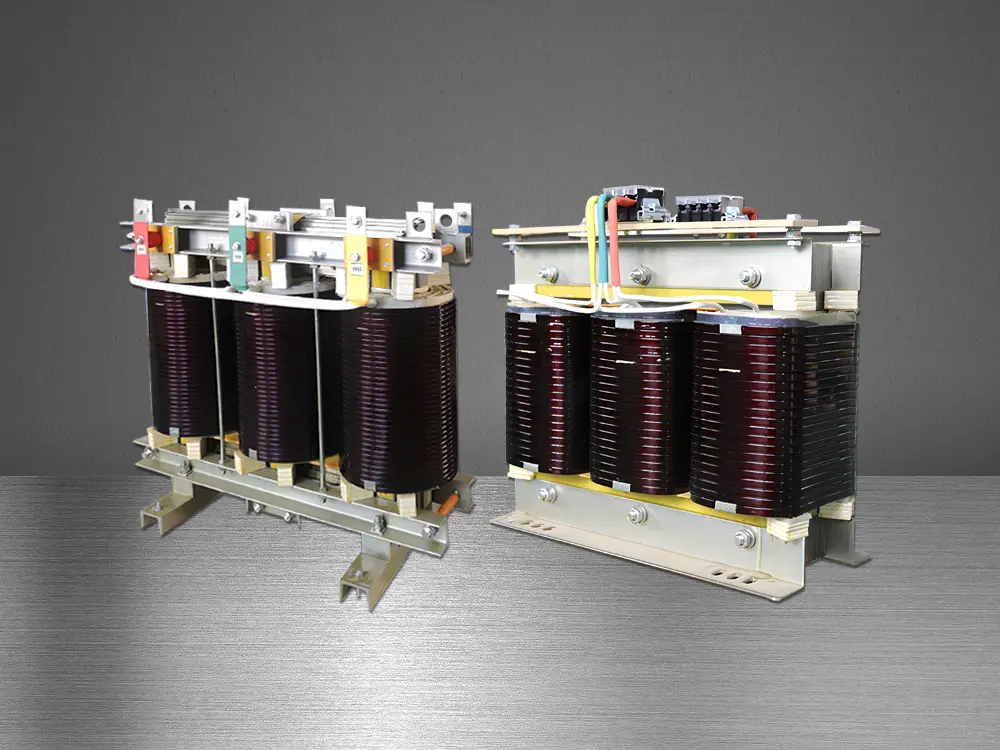 Three-Phase Isolation Transformer
 Control Transformer
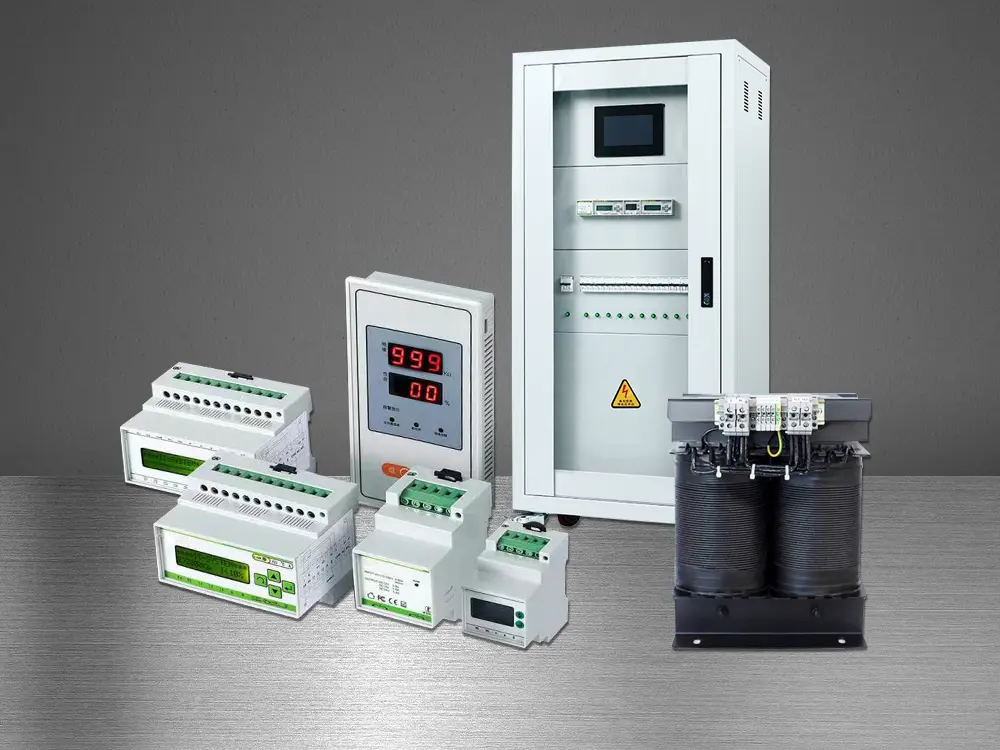 Medical IT Isolated Power System
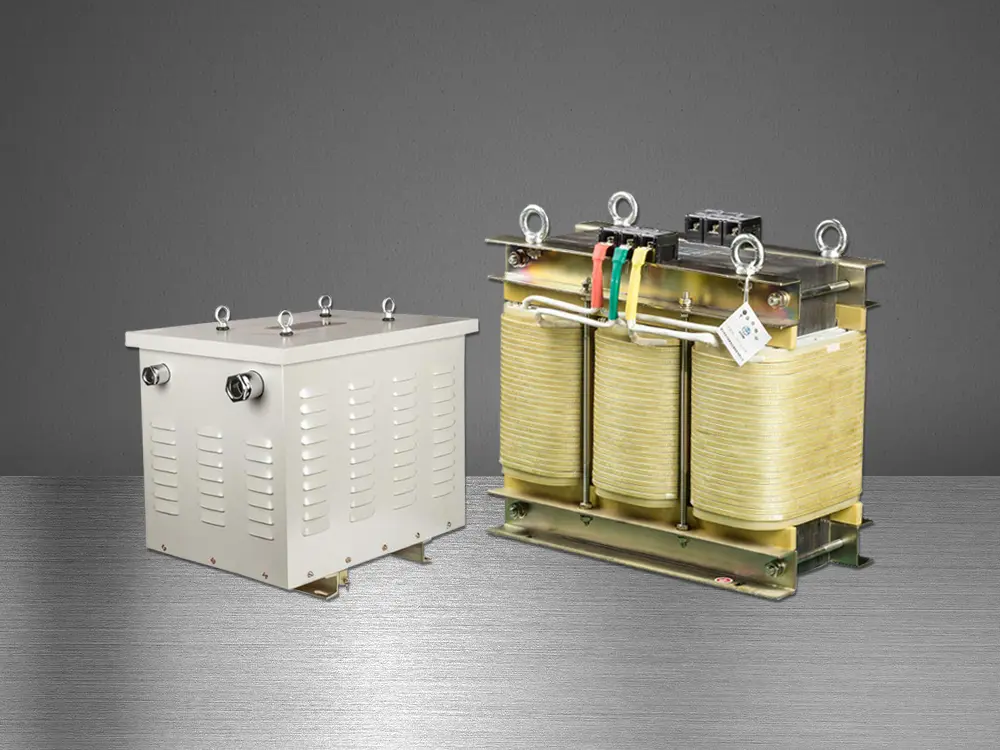 Marine Transformer
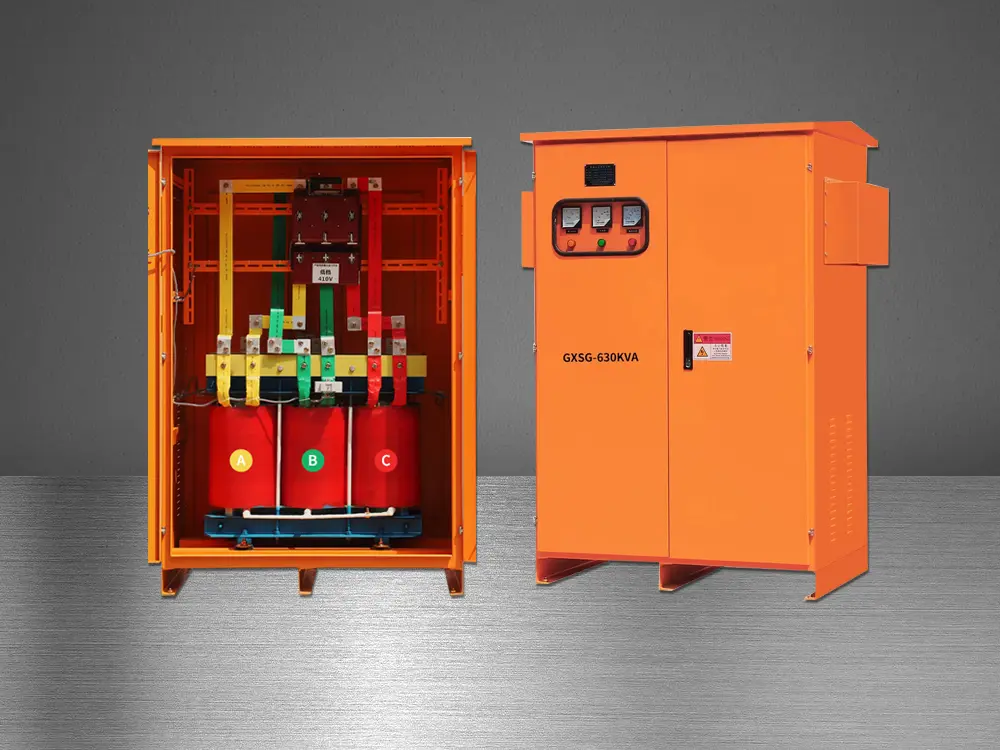 Tunnel Transformer
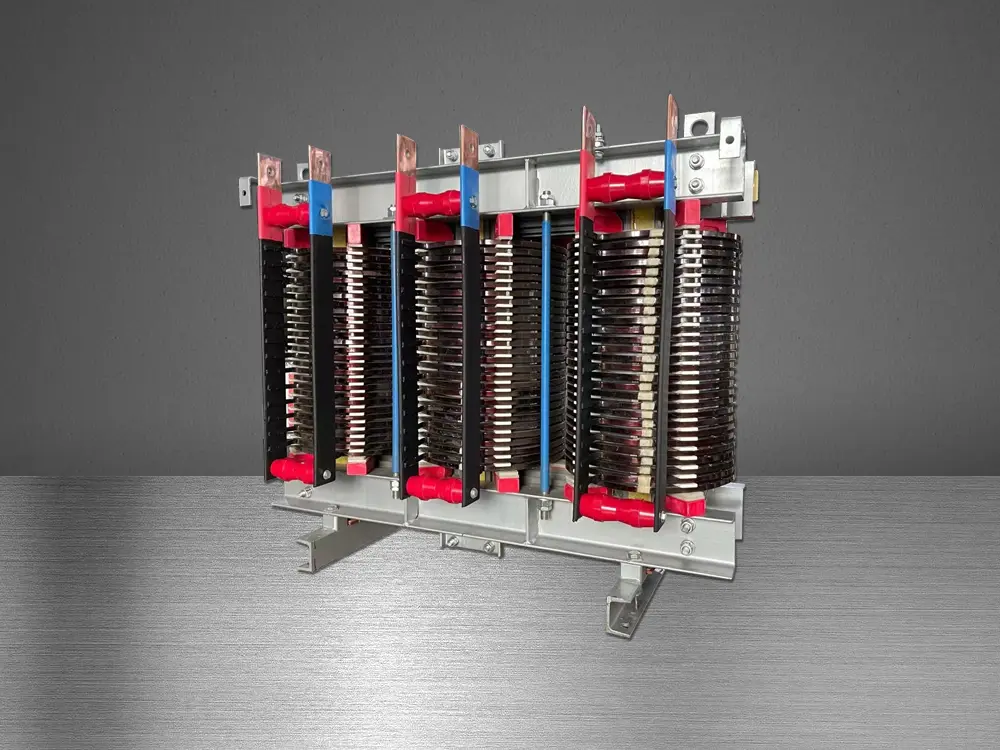 High Current Transformer
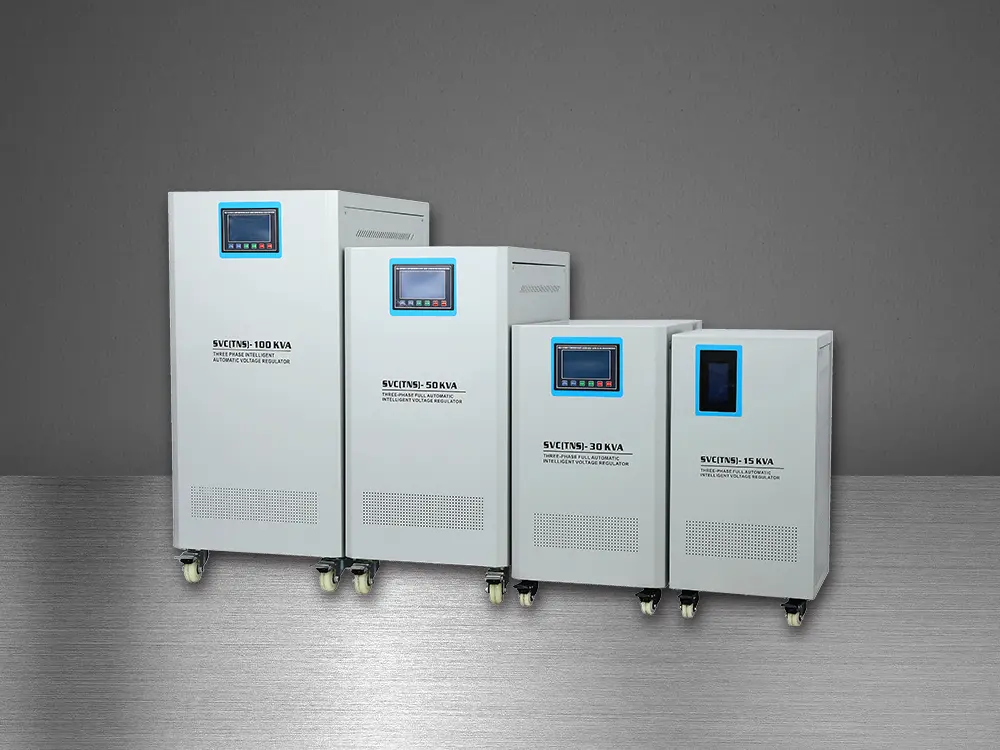 Automatic Voltage Regulator
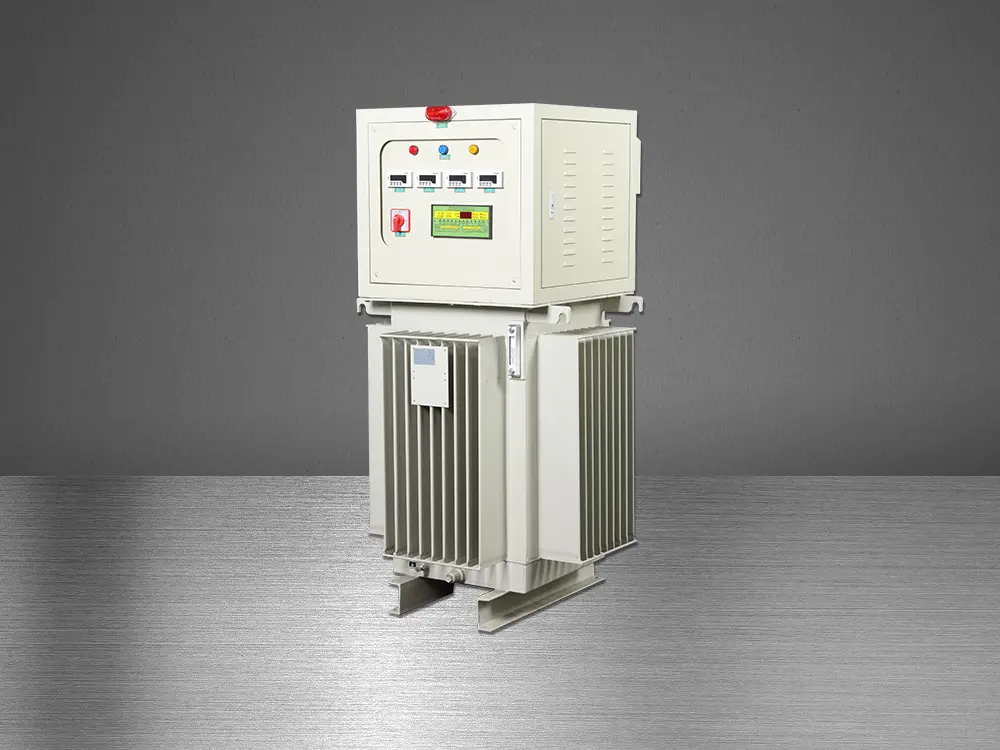 Oil Immersed Voltage Regulator