2026 Top High Voltage Current Transformer Buying Guide?
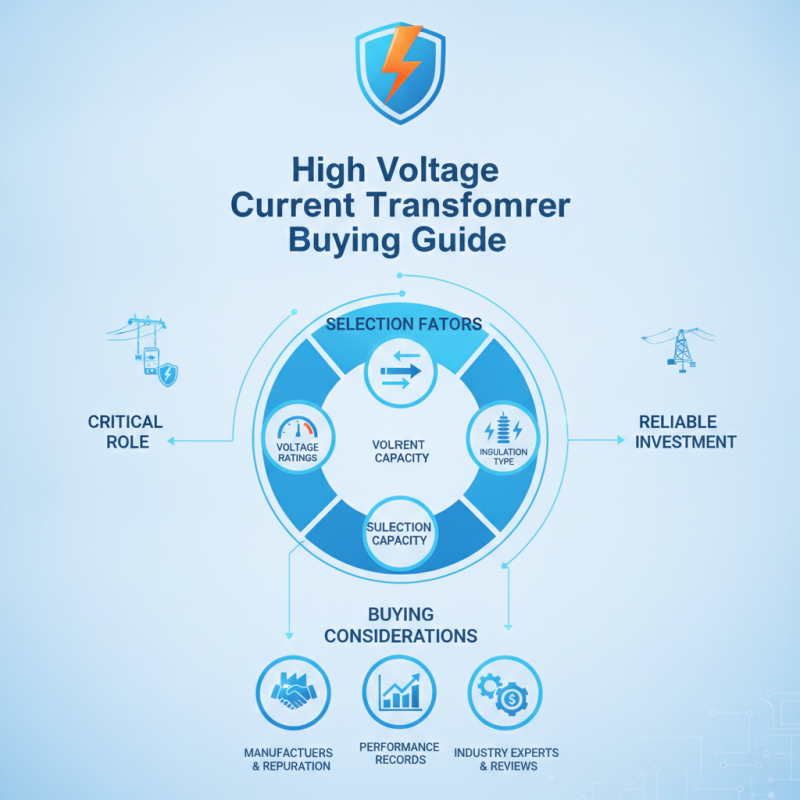
When considering a High Voltage Current Transformer, understanding its critical role in the electrical industry is vital. These transformers are essential for measuring current and protecting high voltage lines. They help maintain system reliability and safety, making their selection a significant task.
Choosing the right transformer involves knowledge of specifications and functionalities. Several factors come into play: voltage ratings, current capacity, and insulation type. Each component affects performance and longevity. A mismatch can lead to equipment failure or even safety hazards.
Buying a High Voltage Current Transformer requires careful consideration. Research different manufacturers and their reputations. Look for models that have proven performance records. Engage with industry experts to gather insights. Seek out reviews and references. This thoughtful approach ensures you invest in reliable equipment that meets your needs.
Introduction to High Voltage Current Transformers
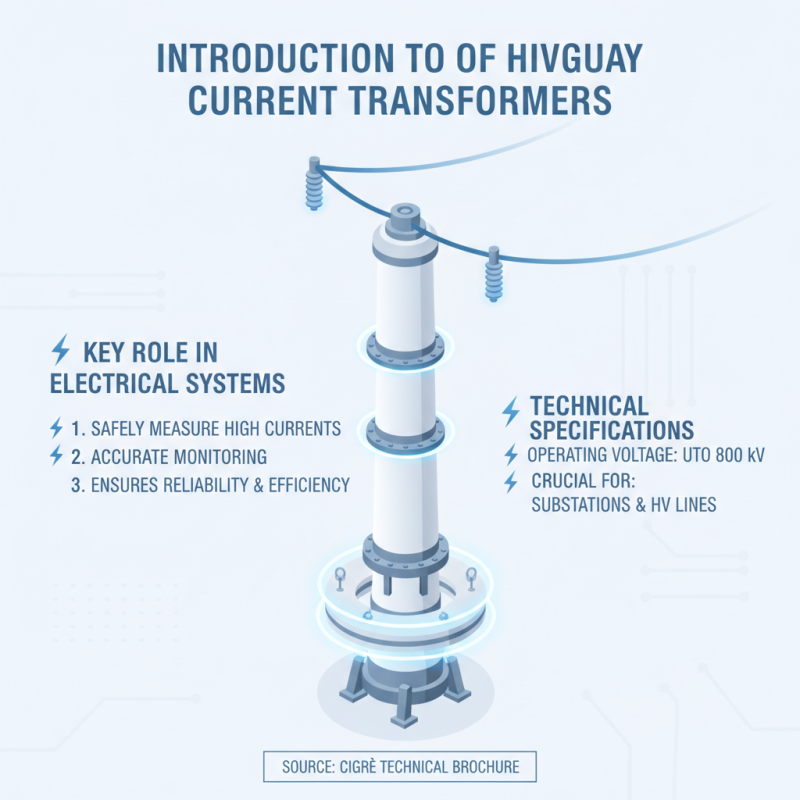
High voltage current transformers (HVCTs) play a crucial role in electrical systems. They are essential for measuring high currents safely. This equipment allows for the accurate monitoring of electrical networks, ensuring reliability and efficiency. According to the CIGRÉ Technical Brochure, HVCTs can tolerate operating voltages up to 800 kV, making them vital for substations and high voltage lines.
The standardization around current transformers has evolved significantly. Recent reports indicate that the global market for HVCTs is expected to grow at a CAGR of 6.5% from 2021 to 2026. The growing demand for renewable energy sources and smart grids drives this growth. Professionals emphasize that selecting the right HVCT is not straightforward. Electrical engineers must consider accuracy, insulation levels, and environmental factors.
Installation errors can occur, highlighting the importance of proper training. Flawed setups may lead to measurement inaccuracies. Regular testing and maintenance are essential to ensure functionality. Studies suggest that approximately 30% of HVCT failures result from improper connections. Understanding these factors aids in making informed decisions for high voltage applications.
Key Features to Consider When Buying High Voltage Current Transformers
When considering high voltage current transformers, several key features come into play. First, accuracy is crucial. A precise transformer ensures reliable readings in power systems. Look for devices with high accuracy ratings, ideally within a 0.2% error margin. Additionally, consider the rated voltage and current. High voltage environments require suitable specifications to handle the stress and prevent failures.
Another significant feature is insulation. Proper insulation materials protect against electrical interference and damage. High dielectric strength is essential for safe operation. Additionally, pay attention to the transformer's physical size and weight. Compact designs can save valuable space while maintaining efficiency.
While these aspects are critical, don’t overlook the importance of service and support. Understanding installation and maintenance needs can save headaches later. Some transformers may require specialized tools for setup. Reflecting on these factors is vital. Balancing performance with user requirements can lead to better choices. High voltage current transformers are not just devices; they are vital components in energy management systems.
Types of High Voltage Current Transformers Available in the Market
High voltage current transformers (HVCTs) play a vital role in power systems. They monitor electrical currents and ensure safety by reducing high voltage levels. Understanding the available types is crucial for making informed purchasing decisions in 2026.
There are several types of HVCTs in the market. One common variant is the electromagnetic current transformer. These devices use magnetic fields to convert high currents into more manageable levels for measurement. They're known for accuracy but can be affected by external magnetic interference. Another prevalent type is the optical current transformer, which relies on fiber optics. These are less susceptible to electromagnetic interference and offer high accuracy over long distances. According to a 2022 industry report, optical transformers are gaining popularity, projected to grow at a rate of 10% annually.
CTs also come in different configuration styles. Indoor transformers are designed for compact spaces and typically offer better protection. On the other hand, outdoor transformers are built to withstand harsh weather conditions. A notable trend is the shift towards smart transformers. These incorporate digital technologies for enhanced monitoring and analytics. However, their integration poses challenges regarding compatibility with existing systems. As the demand for sustainability increases, it emphasizes the need for reliable transformer options in future energy grids.
2026 Top High Voltage Current Transformer Buying Guide
| Transformer Type |
Voltage Rating |
Current Rating |
Accuracy Class |
Applications |
| Inductive Current Transformer |
≥ 100 kV |
1 A to 100 A |
0.1 to 0.5 |
Power generation, transmission |
| Capacitive Voltage Transformer |
≥ 100 kV |
1 A to 10 A |
0.2 to 1.0 |
Measurement and protective relaying |
| Toroidal Current Transformer |
≥ 10 kV |
5 A to 200 A |
0.2 to 0.5 |
Energy metering, monitoring |
| Summation Current Transformer |
≥ 33 kV |
10 A to 400 A |
1.0 |
Total current measurement |
| Wound Primary Transformer |
≤ 36 kV |
10 A to 300 A |
0.5 to 1.0 |
Industrial applications |
Factors Affecting the Performance of High Voltage Current Transformers
When considering high voltage current transformers (HVCTs), several critical factors influence their performance. The design and construction materials play a significant role. Insulation quality and core material can greatly affect accuracy and durability. Insights into these elements can help engineers make informed decisions.
The operating environment is another vital consideration. Factors such as temperature, humidity, and pollution levels can impact the reliability of HVCTs. For example, increased moisture can lead to insulation breakdown over time. Regular environmental assessments can help mitigate risks.
Finally, installation practices can significantly affect transformer performance. Improper mounting or alignment may lead to operational issues. Attention to detail in installation can enhance longevity. Evaluating these factors critically ensures high performance in high voltage current transformers, but additional research and testing are often necessary.
Factors Affecting the Performance of High Voltage Current Transformers
This chart illustrates the impact levels of various factors affecting the performance of high voltage current transformers. Each factor is rated on a scale from 1 to 10, where higher values indicate a greater impact on performance.
Tips for Selecting a Reliable Supplier of High Voltage Current Transformers
When selecting a reliable supplier of high voltage current transformers, several factors are crucial. Start by assessing the supplier's experience in the industry. Reliable suppliers typically have a track record of at least 10 years. According to the International Electrotechnical Commission (IEC), approximately 30% of high voltage transformer failures stem from poor manufacturer selection.
Quality assurance is another key factor. Verify if the supplier holds certifications like ISO 9001. This ensures a commitment to quality and consistency. Engineers estimate that transformers must endure harsh conditions. Therefore, materials used should comply with the latest standards and industry practices. A well-informed supplier will share their production process transparently, which builds trust.
Look into customer reviews and case studies. These insights reflect real-world performance and reliability. A 2022 market analysis indicated that successful providers have positive feedback on their customer service and responsiveness. These aspects can significantly impact long-term satisfaction. Additionally, don’t hesitate to ask for references to gain deeper insights into the supplier's capabilities. Finding the right partner may take time, but it pays off in ensuring the functionality and longevity of your high voltage current transformers.

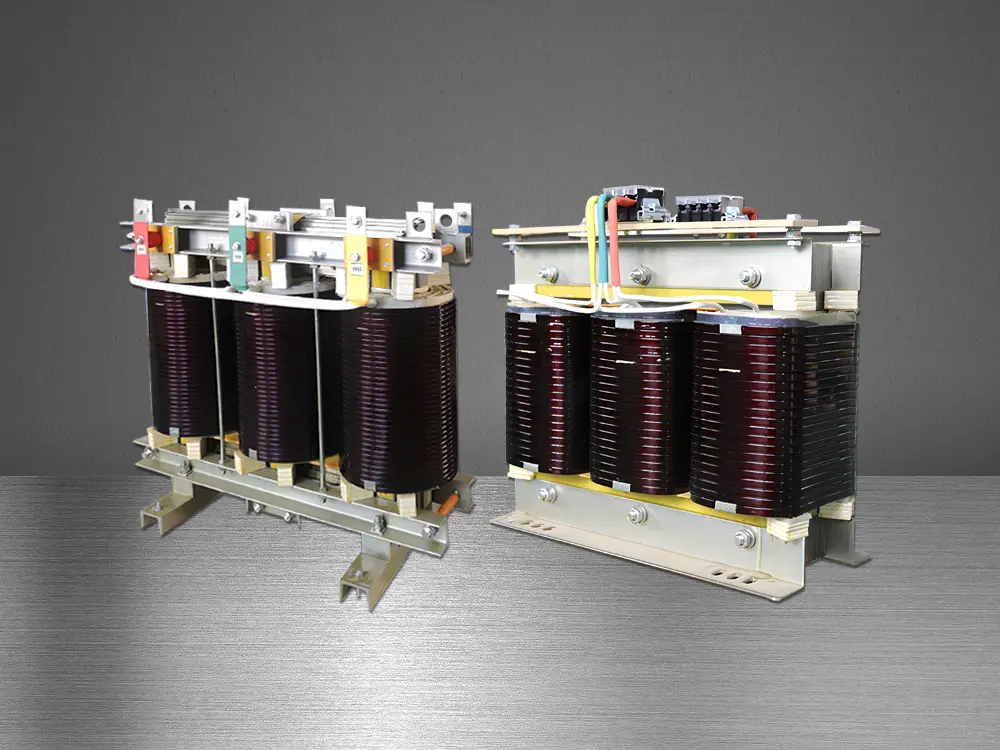 Three-Phase Isolation Transformer
 Control Transformer
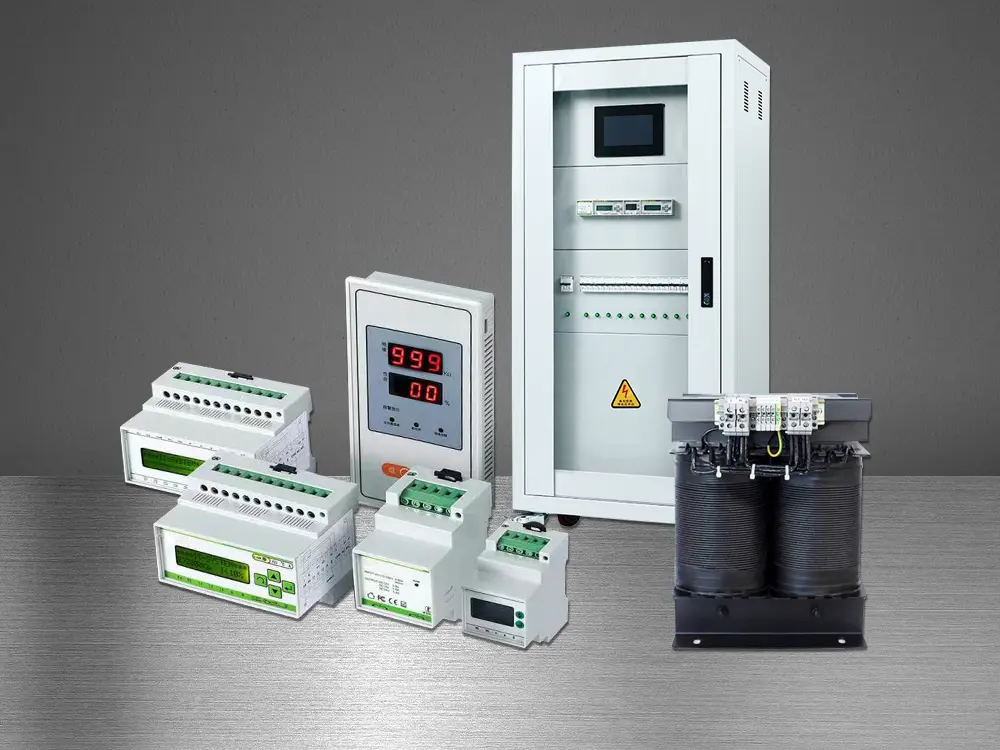 Medical IT Isolated Power System
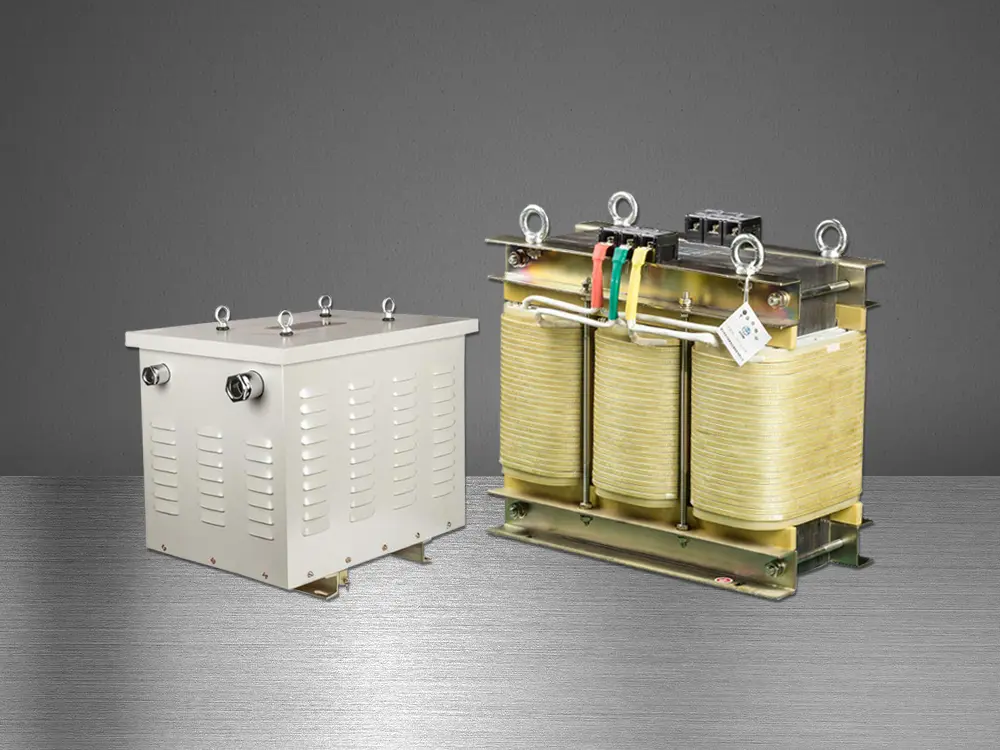 Marine Transformer
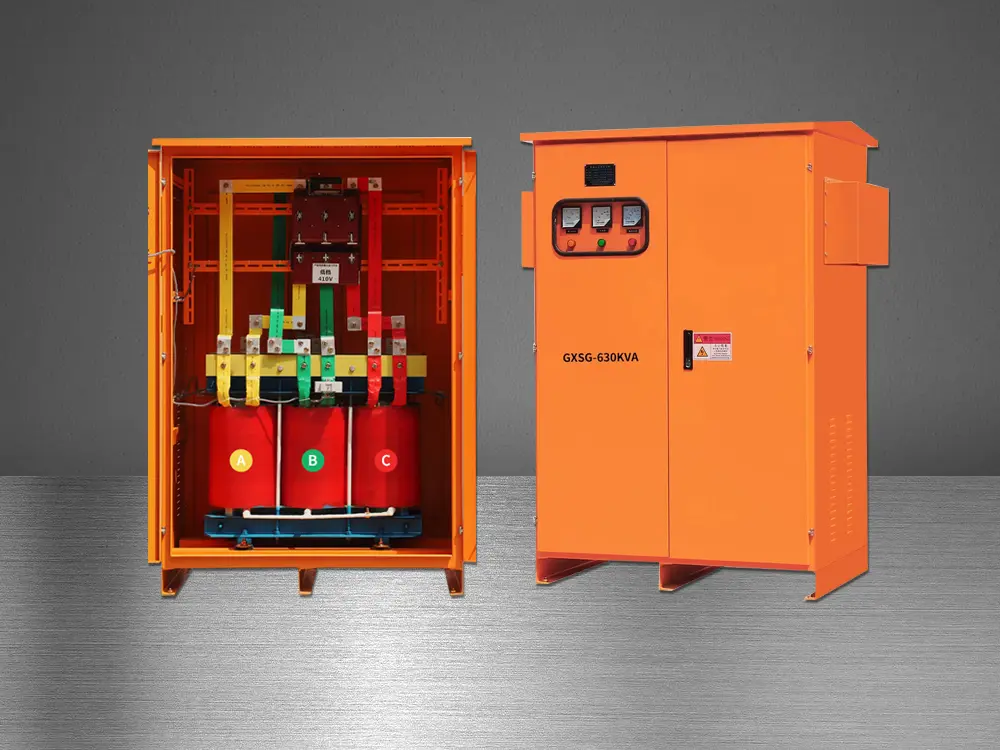 Tunnel Transformer
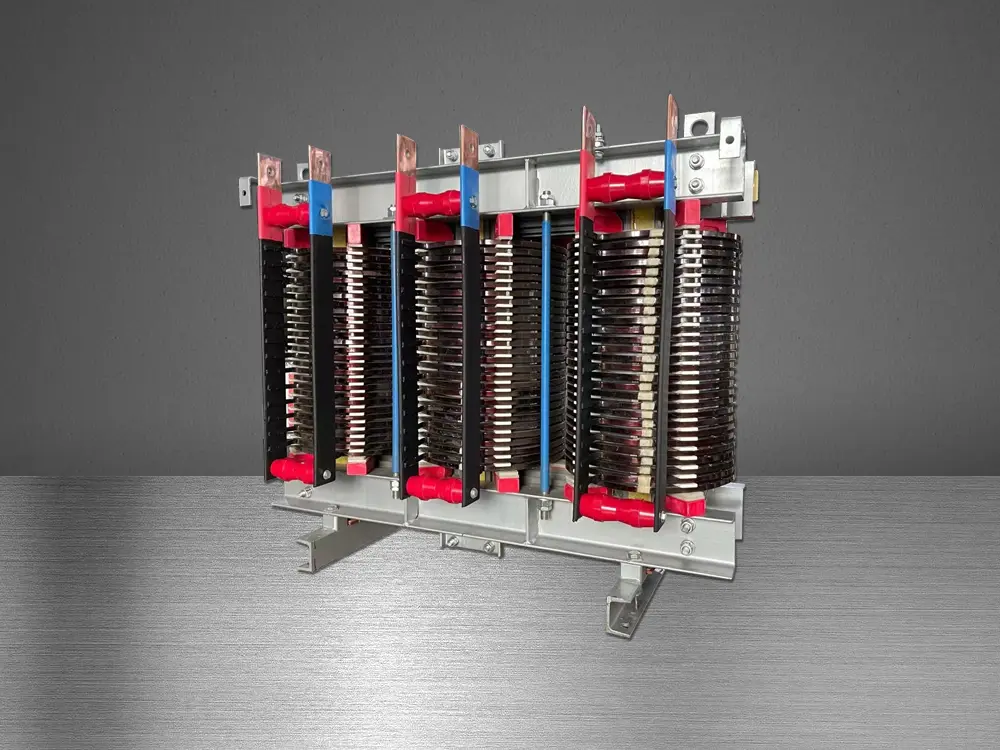 High Current Transformer
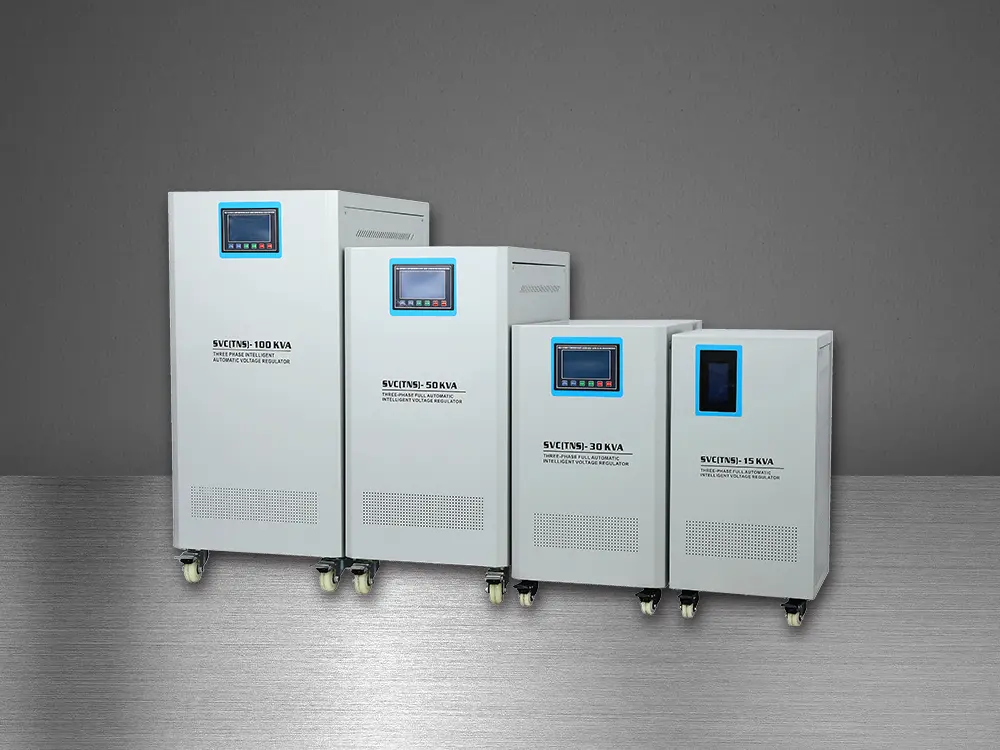 Automatic Voltage Regulator
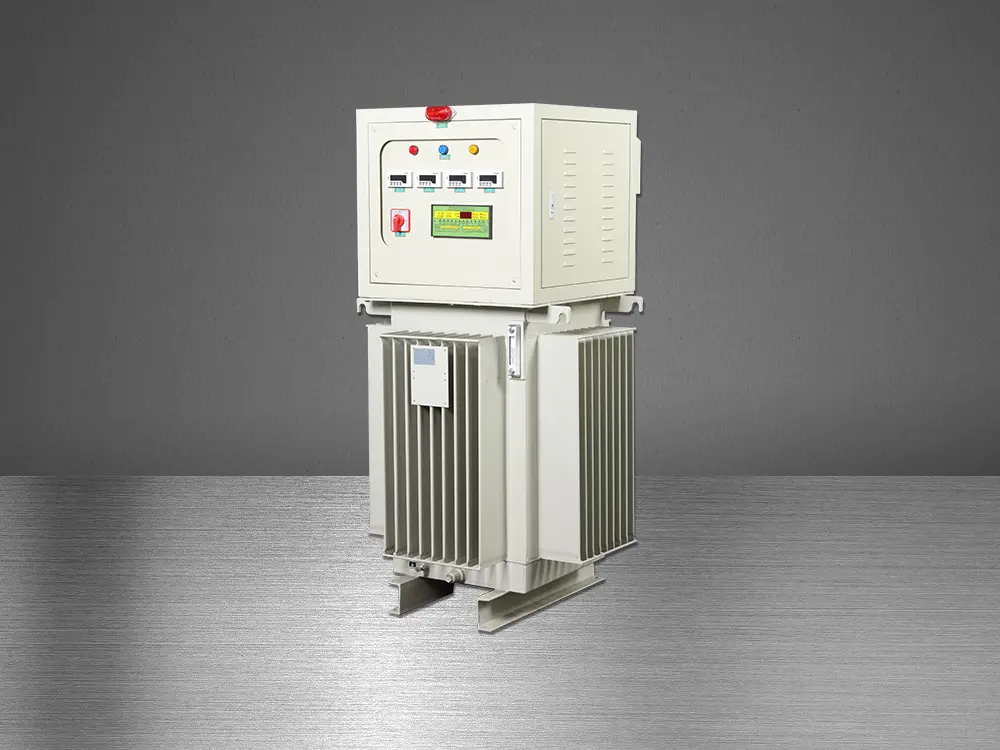 Oil Immersed Voltage Regulator