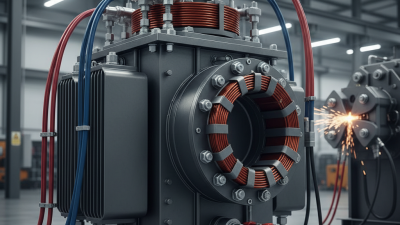
High Tension Current Transformer Buying Guide for Global Buyers?
High Tension Current Transformers (HTCTs) play a vital role in electrical systems worldwide. They help monitor and manage high voltage currents, ensuring safety and efficiency. According to a report by Global Industry Analysts, the demand for HTCTs is projected to reach $2.5 billion by 2027, reflecting their importance in energy management.
Selecting the right HTCT can be challenging for global buyers. Factors such as voltage ratings, insulation types, and accuracy need careful consideration. Industry experts suggest evaluating manufacturers based on their reliability and compliance with international standards. Recent trends indicate that buyers often overlook these crucial aspects, leading to suboptimal choices.
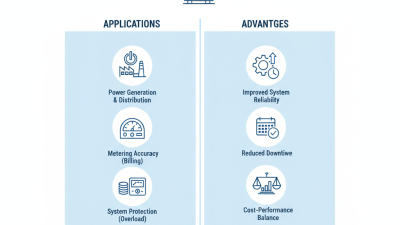
Furthermore, understanding the specific applications of HTCTs is essential. From power generation to distribution, these transformers are integral at every stage. Poor selection can result in system inefficiencies or failures. Engaging with knowledgeable suppliers is crucial to address these potential pitfalls. As the field evolves, staying updated on technological advancements will also enhance decision-making.

Understanding High Tension Current Transformers and Their Applications
High tension current transformers (CTs) play a crucial role in power systems. They are essential for accurate measurement and monitoring of high voltage electrical currents. These devices ensure safety and efficiency in electrical applications, including substations and industrial plants. According to industry reports, the global market for high tension current transformers is expected to grow steadily, reaching an estimated $3 billion by 2025.
High tension CTs work by scaling down high currents to a manageable level. They provide accurate readings, which are vital for protection relays and meters. A study from the International Electrotechnical Commission indicates that CTs reduce measurement errors to less than 1%. This accuracy is crucial for operational reliability, especially in systems where high currents can lead to catastrophic failures. However, improper installation or maintenance of these transformers can lead to significant challenges.
One common issue is the misapplication of CT ratios. Selecting the appropriate ratio is crucial for accuracy. If the ratio is miscalculated, it could lead to equipment damage or inefficient operations. Moreover, the temperature and environmental factors can influence their performance. Regular testing and recalibration are essential to mitigate these risks. Understanding these variables can greatly enhance the longevity and reliability of high tension current transformers in any power system.
Key Factors to Consider When Buying High Tension Current Transformers
When purchasing high tension current transformers, several key factors require careful consideration. The voltage ratings are crucial since they indicate the maximum operating capacity. Make sure the transformer can handle your specific voltage requirements. In addition, the accuracy class is vital. It determines how accurately the transformer will measure current. A higher accuracy class is often needed for critical applications.
The installation environment should not be overlooked. Factors like temperature, humidity, and potential exposure to contaminants can affect transformer performance. It’s essential to ensure the transformer is suitable for your specific setting. Furthermore, pay attention to the material quality of the transformer components. Durable materials can enhance longevity and reduce maintenance needs.
Lastly, consider the technical support and warranty offered by the manufacturer. Strong support can significantly ease the installation and troubleshooting processes. A good warranty reflects the reliability of the product. As you navigate your options, reflect on your project's demands. Are you prioritizing accuracy or durability? The answers will guide your purchasing decisions effectively.
High Tension Current Transformer Buying Guide for Global Buyers
| Feature |
Description |
| Voltage Rating |
The maximum voltage the transformer can handle, typically ranging from 5 kV to 400 kV. |
| Current Rating |
The rated primary current, usually specified in amperes (A), indicating the operational capacity. |
| Accuracy Class |
Defines the precision level of the transformer, important for metering applications. |
| Insulation Type |
Insulation methods may include oil-filled, dry-type, or SF6 insulated options. |
| Frequency |
Usually designed for 50 Hz or 60 Hz systems, impacting performance and efficiency. |
| Mechanical Design |
The physical construction affects installation and integration with existing systems. |
| Protection Features |
Includes integrated protection against overloads and short circuits. |
| Temperature Rating |
Operating temperature ranges that can impact performance and lifespan. |
| Compliance Standards |
Must meet international standards such as IEC, IEEE, or ANSI for safety and performance. |
Types of High Tension Current Transformers and Their Specifications
High Tension Current Transformers (HTCTs) are vital for safe and efficient electricity transmission. These transformers step down high voltage current for measuring and protection purposes. There are various types of HTCTs, each with specific characteristics and applications.
Resistance type HTCTs are designed for detailed current measurement. They are accurate but can be sensitive to environmental conditions. On the other hand, inductive type HTCTs offer robust performance in harsh environments. They are widely used due to their durability and reliability. Selecting the right transformer requires understanding the voltage range, current rating, and operational environment.
Tips: Always verify product specifications before making a purchase. Ensure compatibility with existing systems. It's essential to consider future scalability.
Another common type is the capacitive current transformer. These are often used in high-voltage systems for their ability to provide accurate measurements over longer distances. However, users should be cautious about their sensitivity to changes in operation and installation conditions. Remember, not all transformers are suitable for every application.
Tips: Consult with experts when in doubt. Even slight errors in selection can lead to operational inefficiencies. Regularly test and maintain your units to ensure consistent performance.
Evaluating Manufacturer Reputation and Product Quality
When selecting a high tension current transformer, evaluating the manufacturer's reputation is crucial. Look for companies with substantial industry experience. A solid history often reflects reliability. Research should involve reading reviews and asking for references. Quality is paramount; a well-regarded manufacturer typically emphasizes rigorous testing.
Product quality can significantly influence performance and safety. Always inquire about certifications and compliance with industry standards. High-quality transformers undergo precise testing for accuracy and durability. Consider looking for third-party evaluations. These provide an additional layer of assurance about the product’s capabilities.
Transparency is another factor to ponder. A reputable manufacturer should openly share information regarding their production processes. Engage with customer service for clarity on their approaches and policies. Sometimes, companies fail to convey essential details. This lapse can breed uncertainty and doubts about their products. Understanding these aspects deeply will help in making informed decisions. Look beyond the surface; the right choice is often hidden in detailed evaluations.
Global Market Trends and Pricing for High Tension Current Transformers
The global demand for high tension current transformers (HTCTs) is rising steadily. Recent market studies indicate a projected growth rate of 5.2% through 2026. This growth is driven by expanding renewable energy sectors and modernization initiatives in electrical grids. As industries struggle with energy demands, efficiency becomes essential. Therefore, HTCTs play a crucial role in measuring electrical parameters accurately and reliably.
In various regions, pricing dynamics are influenced by materials, manufacturing processes, and supply chain challenges. Reports suggest the average cost of HTCTs can range from $300 to $5,000, depending on specifications. Countries with advanced manufacturing capabilities often yield lower prices due to economies of scale. However, the global supply chain disruption can lead to unexpected spikes in costs. Buyers should remain vigilant about market fluctuations.
Tip: Always assess suppliers' certifications. It ensures you receive quality components that meet industry standards. Look for manufacturers that use precise calibration processes in their production lines. This attention to detail results in more reliable outcomes in the field. Evaluate feedback from existing users to guide your purchasing decisions.

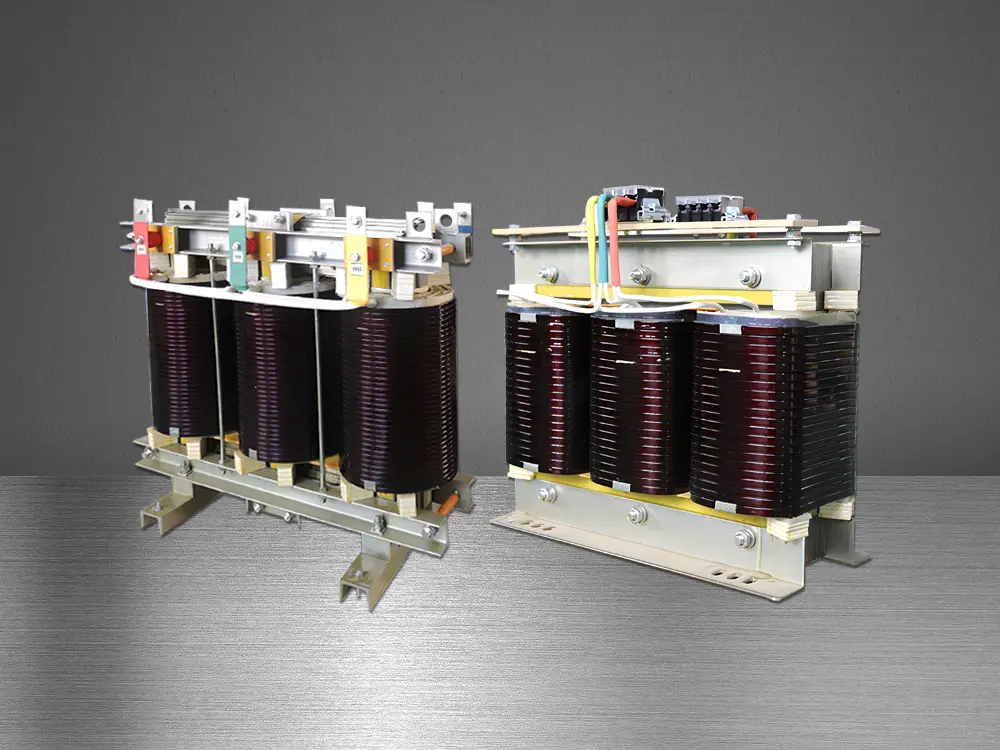 Three-Phase Isolation Transformer
 Control Transformer
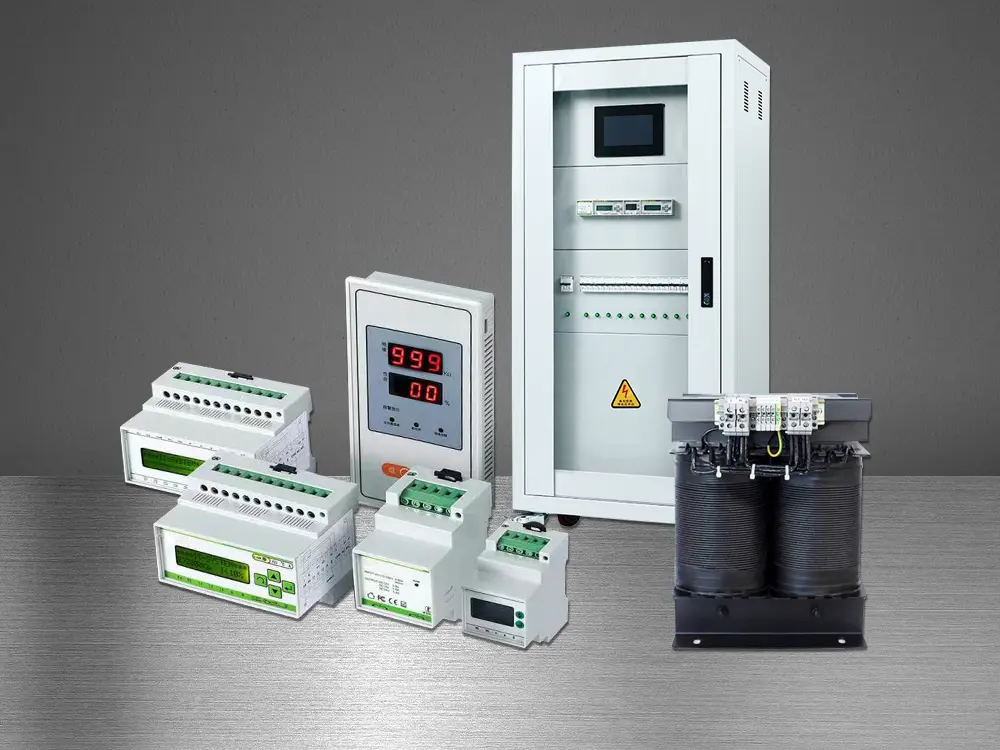 Medical IT Isolated Power System
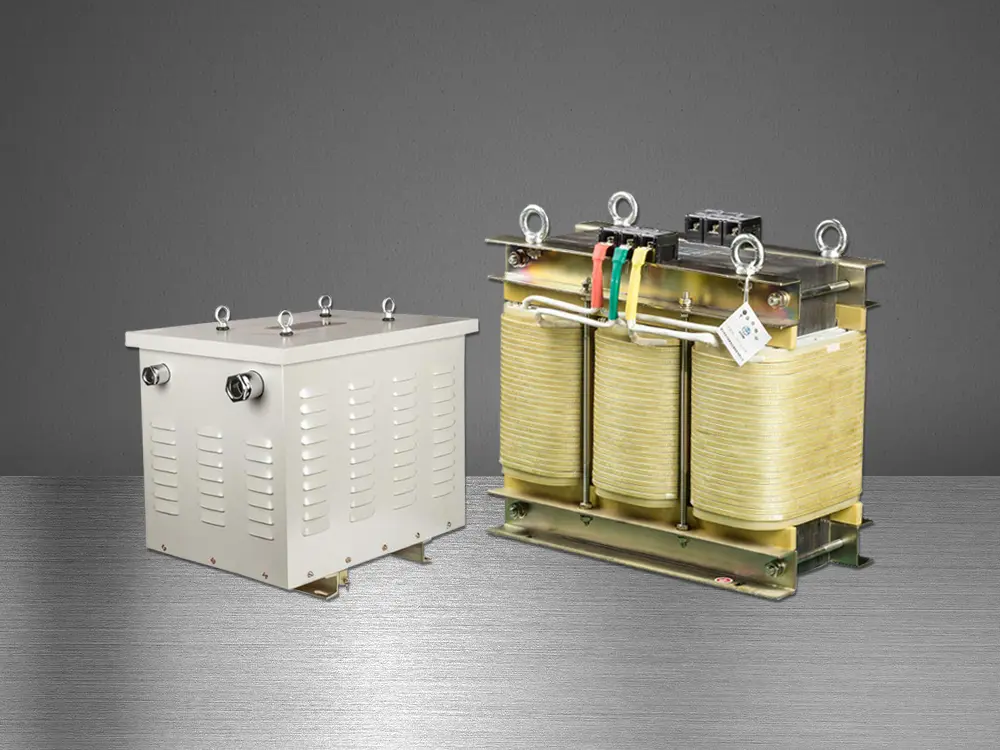 Marine Transformer
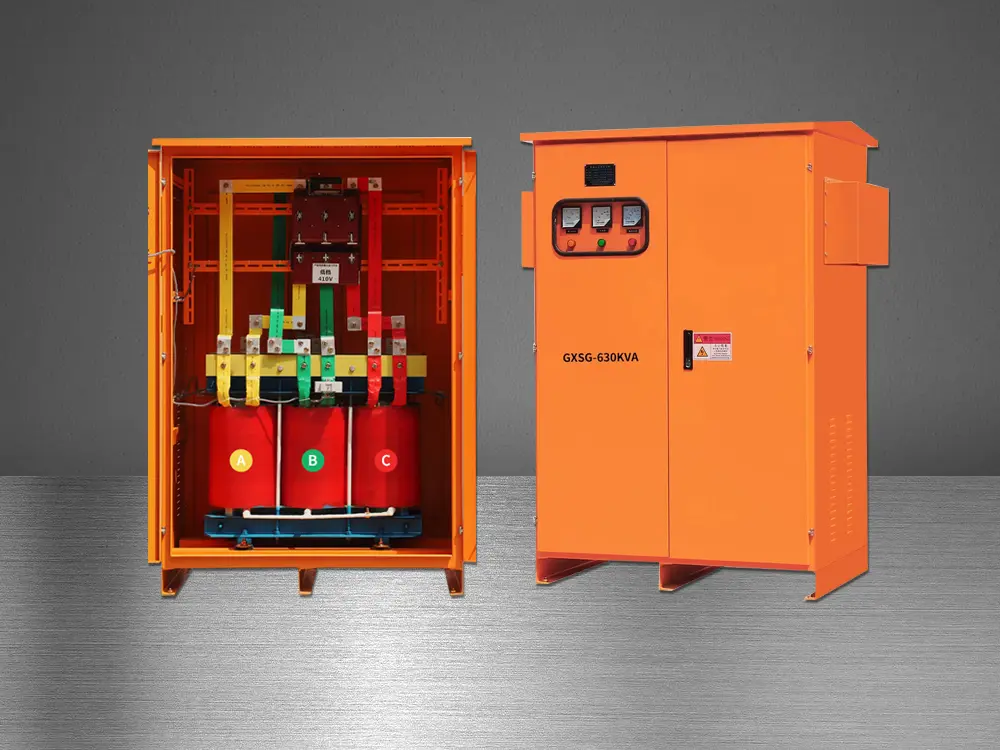 Tunnel Transformer
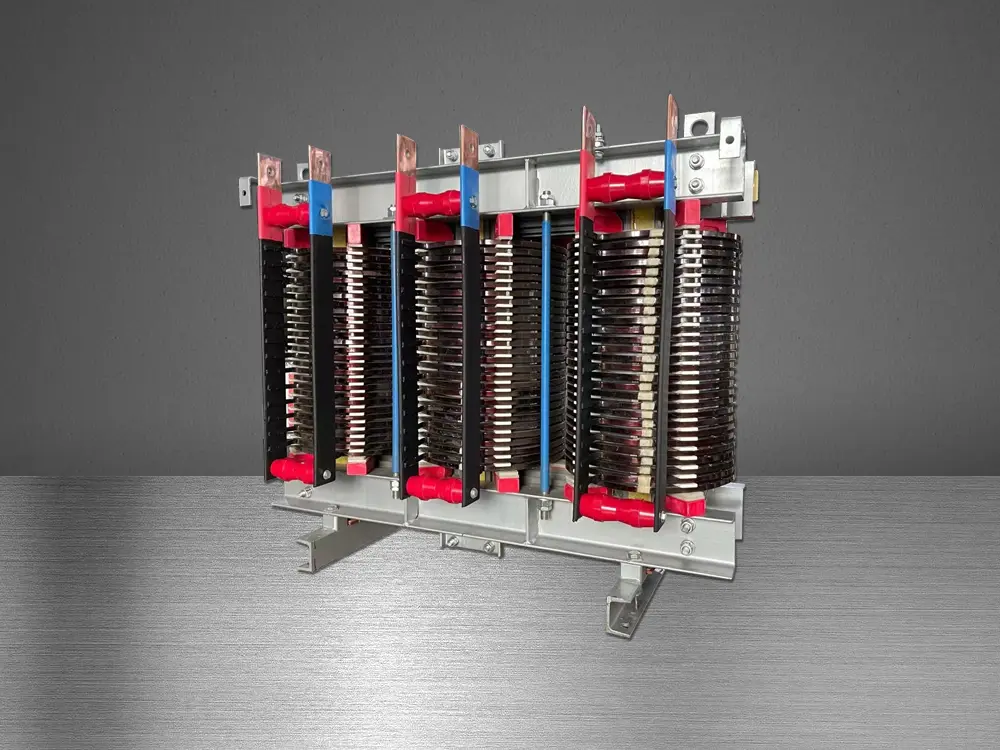 High Current Transformer
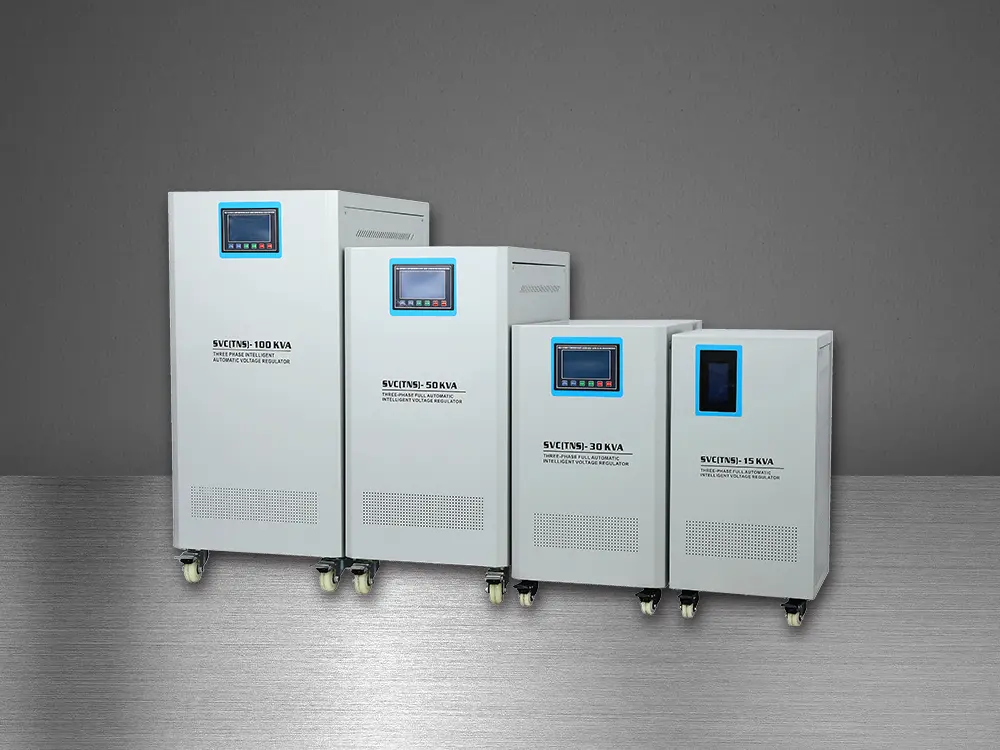 Automatic Voltage Regulator
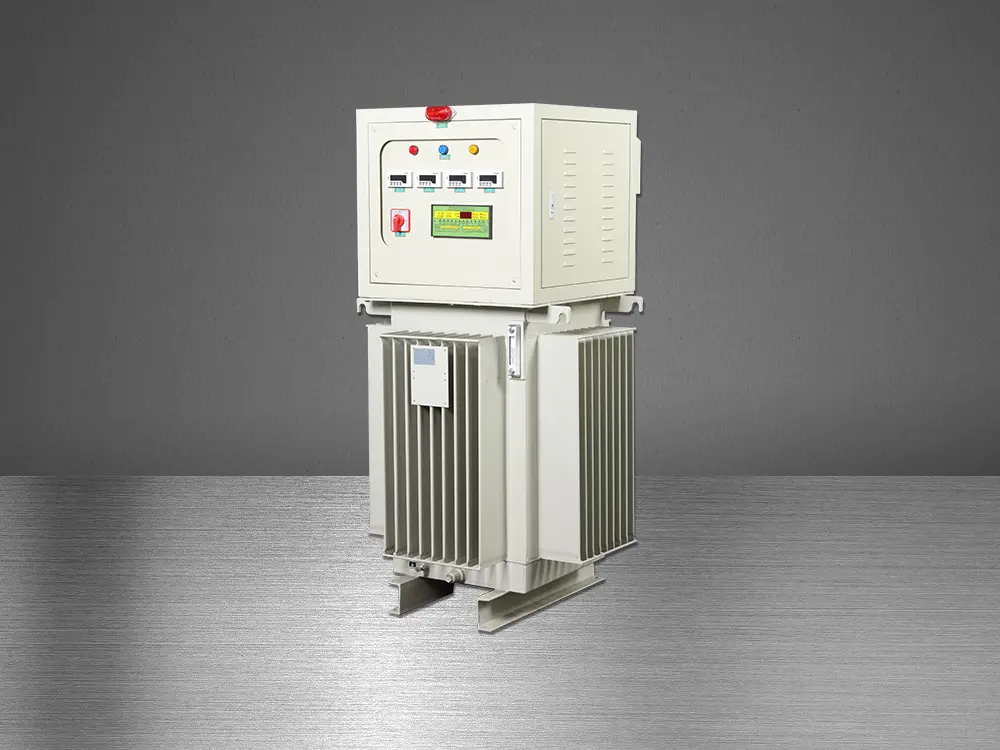 Oil Immersed Voltage Regulator