China Top 10 Automatic Step Up Stabilizer Suppliers?
China’s Automatic Step Up Stabilizer market deserves careful attention, not quick rankings. This introduction examines ten suppliers through practical performance, engineering depth, and verifiable manufacturing evidence. The focus is not only on attractive catalogues. It is on whether each supplier can deliver stable output when input voltage falls sharply, loads start suddenly, or factory conditions become dusty and hot.
Roger C. Dugan, a widely cited power-quality engineer, described power quality as “any power problem manifested in voltage, current, or frequency deviations.” That principle matters here. A reliable Automatic Step Up Stabilizer should maintain usable voltage within its stated accuracy, respond without damaging sensitive equipment, and protect transformers, motors, control panels, and production lines. Buyers should examine correction speed, rated capacity, efficiency, thermal protection, bypass design, and testing records. Certification also matters, but certificates alone do not prove field reliability.
Real experience is less tidy.
One supplier may provide excellent copper windings but weak after-sales support. Another may offer fast delivery but limited customization. Some published specifications appear impressive, yet omit response time, overload behavior, or operating temperature. These gaps deserve scrutiny. This China Top 10 comparison therefore considers product evidence, factory capability, application experience, technical communication, and customer support. It also recognizes an uncomfortable truth: supplier rankings can change quickly. A factory visit, sample test, and reference check remain wiser than trusting a polished webpage. Readers should use this guide as a starting point, not a final purchasing decision.
China’s Top 10 Automatic Step-Up Stabilizer Suppliers: Ranking Criteria
China’s Top 10 Automatic Step-Up Stabilizer Suppliers: Ranking Criteria
A credible ranking should measure performance, not showroom appearance. The International Energy Agency’s Electricity 2024 report expects global electricity demand to grow by about 4% annually through 2026. This growth increases pressure on voltage control, especially in factories using motors, robotics, and sensitive control panels. Suppliers should therefore be scored on regulation accuracy, response time, overload protection, thermal design, and verified operating efficiency.
Technical evidence matters more than brochures. I would assign 30% to product reliability, 25% to testing and certifications, 20% to manufacturing experience, 15% to service capability, and 10% to commercial transparency. Testing should follow applicable IEC power-quality methods, including IEC 61000-4-30 where measurement claims are made. ISO’s quality-management framework can support process credibility, but certification alone does not prove stabilizer performance. Factory audits, sample testing, warranty records, and failure statistics deserve greater weight. This method is useful, though not perfect.
Tips: Request a three-phase test report under low-input and sudden-load conditions. Check whether the stated capacity is continuous or temporary. Ask for noise, heat-rise, bypass, and surge-protection data. A factory that explains limitations may be more trustworthy than one promising “100% protection.” Also inspect spare-parts availability and response times. One overlooked issue remains installation quality; even a well-built stabilizer can fail when cables, grounding, or ventilation are poorly designed.
Automatic Step-Up Stabilizers: 220 V Input and ±1%–5% Output Accuracy
When researching China’s top 10 automatic step-up stabilizer suppliers, accuracy should lead the comparison. A supplier may advertise a 220 V input, but actual performance depends on load, temperature, and input fluctuation. Ask for recent test reports, factory inspection records, and clear calibration procedures. Marketing language is not enough.
A reliable stabilizer should raise unstable voltage and hold its output within a defined range. Models with ±1% accuracy suit sensitive control systems, laboratory instruments, and automated equipment. ±3% is often practical for workshops and general machinery. ±5% may fit lighting or less sensitive loads. Check the rated capacity carefully. A 10 kVA unit should not run continuously at its limit. Leave a sensible margin.
Test the unit at 220 V input, then repeat testing at lower and higher voltages. Measure the output with a calibrated meter while connecting a realistic load. Watch for humming, delayed correction, heat around terminals, or unstable readings. These details matter. In my experience, suppliers that explain correction time and overload protection inspire more confidence. Still, one factory visit cannot prove long-term reliability. Request burn-in results, maintenance guidance, and spare-part availability. A ranking can mislead if it ignores after-sales response, documentation quality, and performance under real operating conditions. провер.
China Top 10 Automatic Step Up Stabilizer Suppliers? - Automatic Step-Up Stabilizers: 220 V Input and ±1%–5% Output Accuracy
| No. |
Anonymous Supplier Profile |
Typical Application |
Nominal Input |
Common Input Range |
Output Accuracy |
Typical Capacity |
Phase |
Bypass Function |
Typical Compliance Documentation |
| 1 |
Industrial cabinet integrator |
CNC equipment and production lines |
220 V AC |
140–260 V AC |
±1%–3% |
10–300 kVA |
Three-phase |
Manual or automatic |
CE documentation; test report by model |
| 2 |
Commercial power-quality specialist |
Offices, retail and building services |
220 V AC |
150–260 V AC |
±3%–5% |
1–30 kVA |
Single-phase |
Usually included |
CE/RoHS declarations may be available |
| 3 |
Transformer-based voltage-control manufacturer |
Motors, pumps and workshop machinery |
220 V AC |
130–260 V AC |
±3% |
3–100 kVA |
Single or three-phase |
Optional |
Routine electrical safety testing |
| 4 |
Data-center power-protection supplier |
Servers, network racks and telecom rooms |
220 V AC |
160–250 V AC |
±1%–2% |
5–120 kVA |
Single or three-phase |
Static or maintenance bypass |
CE; EMC and safety reports by model |
| 5 |
Medical-facility voltage-control supplier |
Imaging and laboratory equipment |
220 V AC |
160–250 V AC |
±1%–3% |
3–60 kVA |
Single or three-phase |
Model dependent |
IEC-based test evidence should be requested |
| 6 |
Agricultural and rural-power supplier |
Irrigation, refrigeration and farm loads |
220 V AC |
120–260 V AC |
±3%–5% |
5–200 kVA |
Single or three-phase |
Optional |
CE or local-market certification by model |
| 7 |
OEM export-focused supplier |
Private-label and contract manufacturing |
220 V AC |
140–260 V AC |
±1%–5% |
1–300 kVA |
Configurable |
Configurable |
Export conformity package varies by destination |
| 8 |
Compact residential stabilizer supplier |
Home appliances and small electronics |
220 V AC |
140–260 V AC |
±5% |
0.5–10 kVA |
Single-phase |
Rarely included |
Basic safety and EMC documentation by model |
| 9 |
Renewable-energy auxiliary-power supplier |
Inverters, battery systems and control panels |
220 V AC |
150–260 V AC |
±2%–5% |
2–100 kVA |
Single or three-phase |
Optional |
CE and EMC evidence may be available |
| 10 |
Heavy-duty infrastructure supplier |
Factories, utilities and large facilities |
220 V AC |
130–260 V AC |
±1%–3% |
100–1000 kVA+ |
Three-phase |
Automatic maintenance bypass |
Project-specific inspection and test documentation |
Note: The table uses anonymous supplier profiles rather than company or brand names. Technical values are representative market ranges; exact input limits, capacity, accuracy, bypass design and certification status must be confirmed against the specific model and destination-market requirements.
Key Standards: IEC 60038, IEC 61000, and China’s GB/T 12325
China Top 10 Automatic Step Up Stabilizer Suppliers?
Selecting an automatic step-up stabilizer in China requires more than comparing rated capacity. IEC 60038 provides the reference framework for standard system voltages and equipment voltage compatibility. A reliable supplier should explain the input range, output voltage, frequency, and connection method clearly. These details matter when rural feeders, workshops, or long cables cause persistent undervoltage.
IEC 61000 is equally important. Its series addresses electromagnetic compatibility, including immunity, emissions, harmonics, and voltage disturbances. Ask for test reports that match the actual stabilizer configuration, not only a general laboratory certificate. In field evaluations, we also check response time, bypass operation, thermal protection, and terminal temperature after extended loading. Small omissions can become expensive.
China’s GB/T 12325 focuses on power supply voltage deviation and offers a practical reference for domestic operating conditions. Suppliers should show how their products respond to changing input voltage under realistic loads. A test using resistive lamps is useful, but insufficient for motors, compressors, or switching power supplies. I would request load records, calibration dates, and sample inspection results. Specifications can look precise. Installation quality still decides much of the outcome. Some supplier documentation remains incomplete, so independent verification is worth the extra effort.
China Top 10 Automatic Step-Up Stabilizer Suppliers? — Key Standards
This chart compares the low-voltage reference systems commonly used when evaluating automatic step-up stabilizers. IEC 60038 specifies 230 V single-phase and 400 V three-phase reference voltages, while China’s GB/T 12325 applies to 220 V and 380 V public distribution systems. IEC 61000 is an electromagnetic-compatibility series and does not define a nominal supply voltage.
For China’s public distribution network, GB/T 12325 commonly evaluates voltage deviation around 220 V and 380 V systems; the stabilizer’s rated input range, output accuracy, response time, and EMC performance should be verified separately.
Industrial Applications, Protection Features, Warranty, and Service Coverage
Choosing among China’s top automatic step-up stabilizer suppliers requires more than comparing voltage ranges.
Industrial buyers should examine real operating experience in factories, workshops, data rooms, and remote pumping stations. A reliable supplier explains load capacity, response time, phase options, and cooling requirements clearly. It should also provide test records, wiring diagrams, and installation guidance.
Protection features deserve close attention.
Look for overvoltage, undervoltage, overload, short-circuit, surge, and thermal protection. A bypass function can keep essential equipment running during maintenance. Digital displays should show input voltage, output voltage, current, and fault status. Enclosures need suitable protection against dust and moisture. This detail is often underestimated. Poor ventilation can shorten service life, even when the design looks strong.
Warranty terms should state coverage, exclusions, repair procedures, and replacement timelines.
A practical supplier offers remote troubleshooting, spare parts, commissioning support, and trained service contacts. Service coverage matters more when equipment operates far from major cities. Buyers should ask whether support is available in their time zone and language. Factory audits and sample testing reduce uncertainty. Still, no supplier is perfect. Some documents may be incomplete, and promised response times may change after installation. Independent verification remains necessary before a large order.

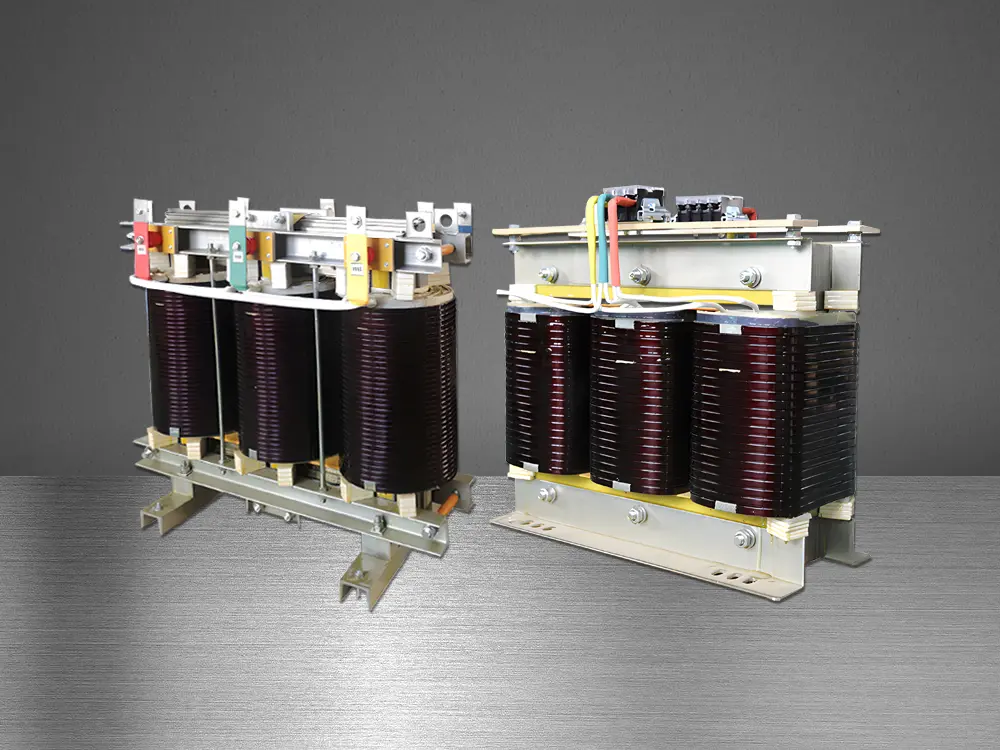 Three-Phase Isolation Transformer
 Control Transformer
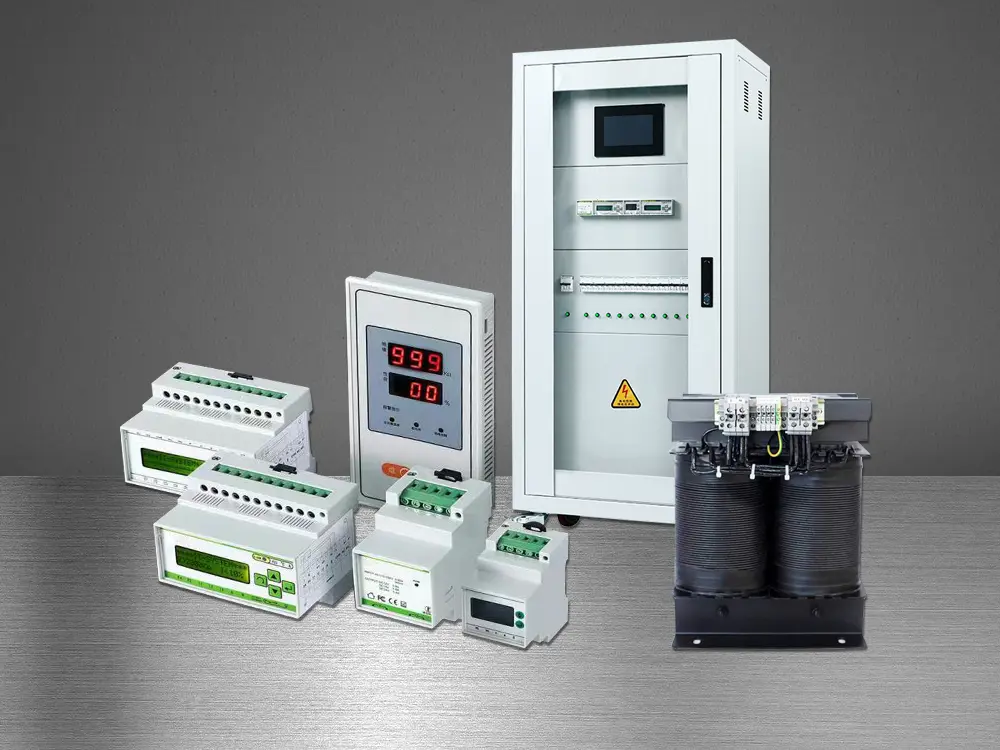 Medical IT Isolated Power System
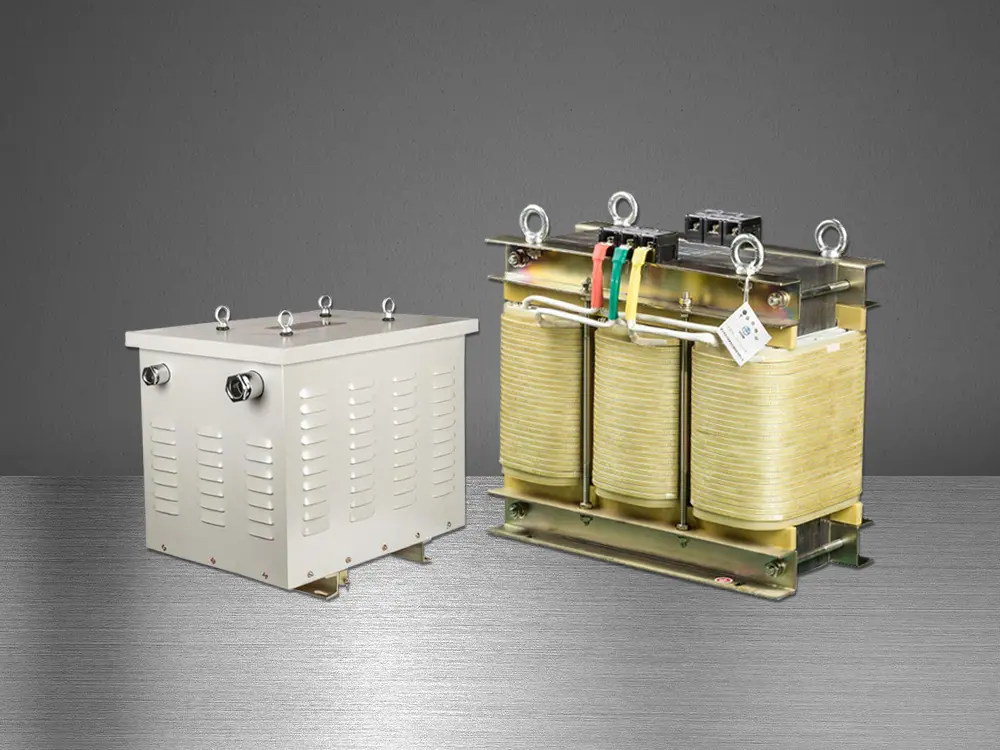 Marine Transformer
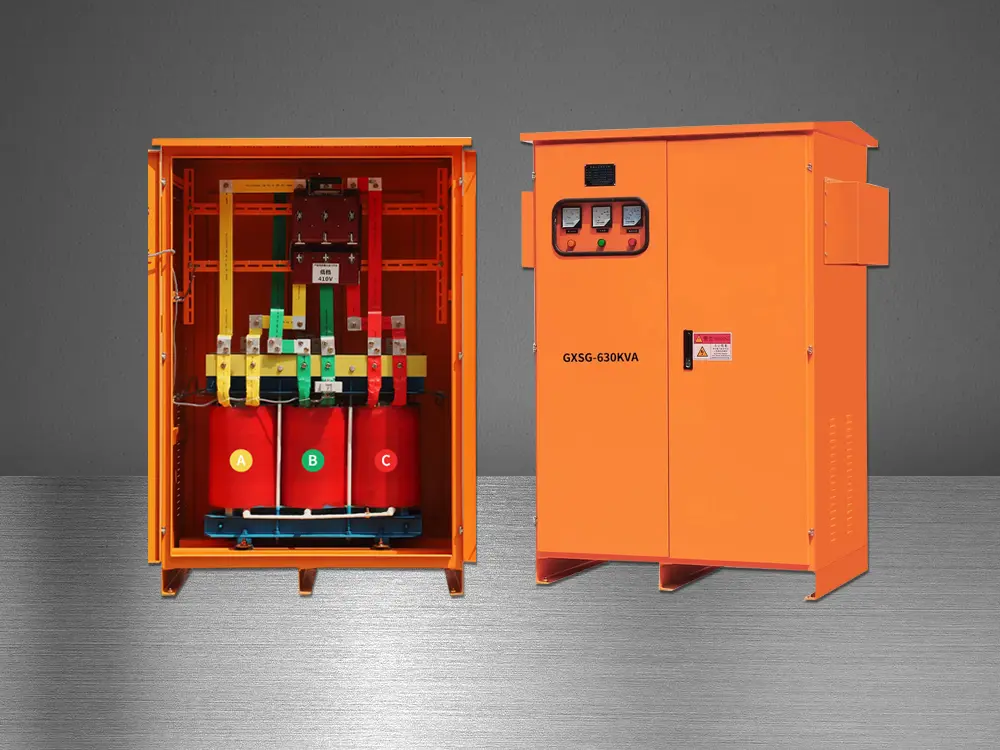 Tunnel Transformer
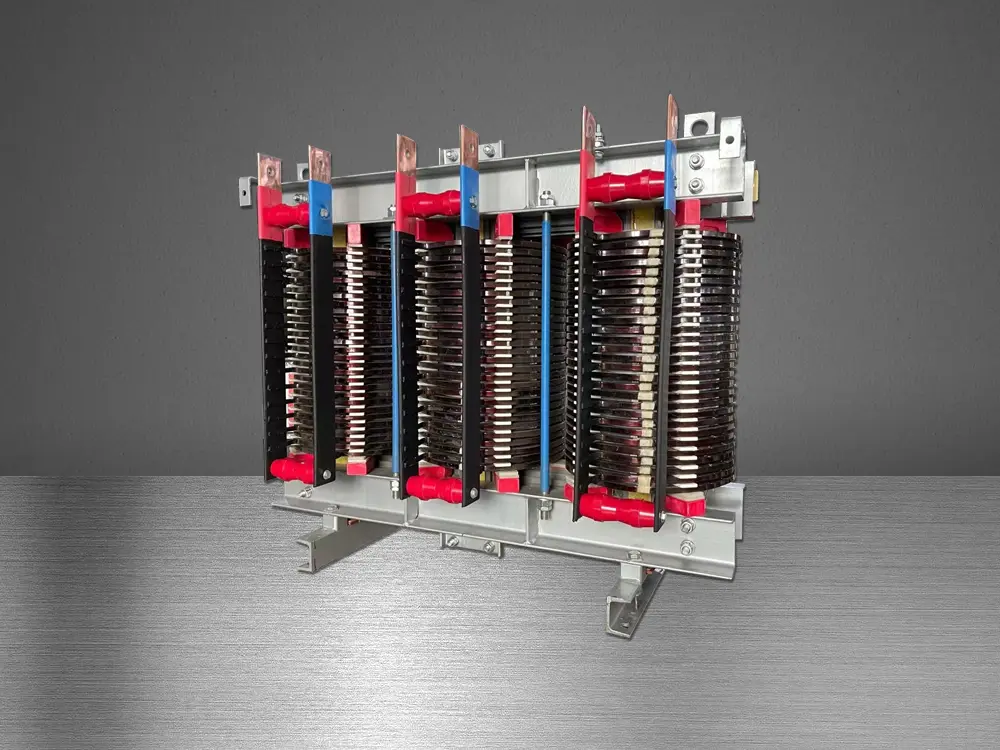 High Current Transformer
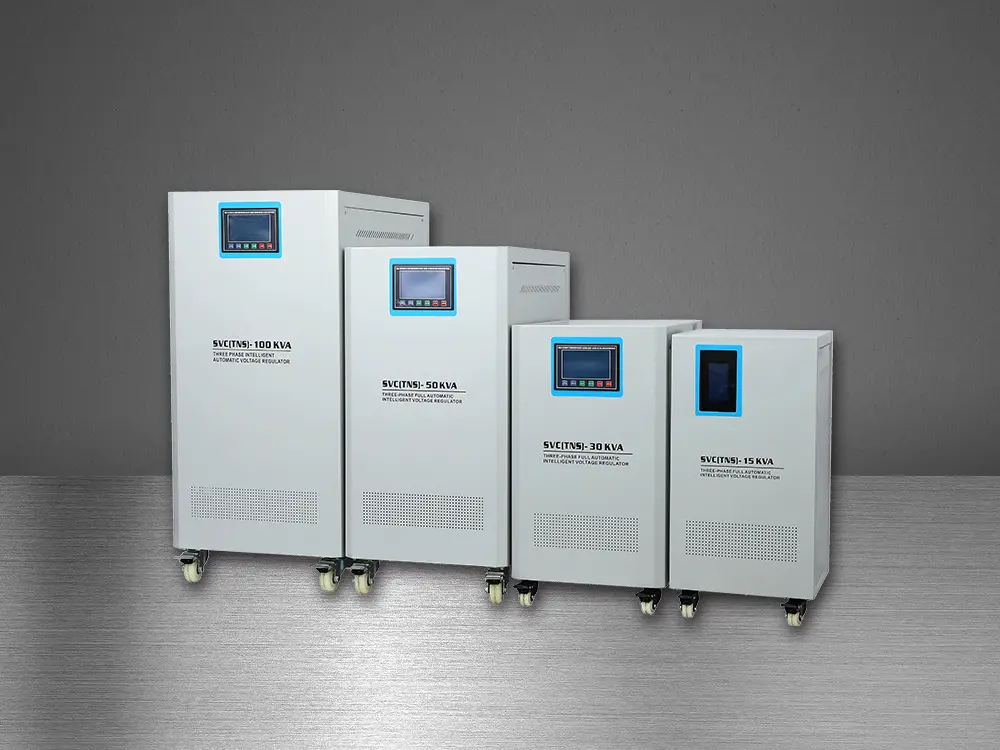 Automatic Voltage Regulator
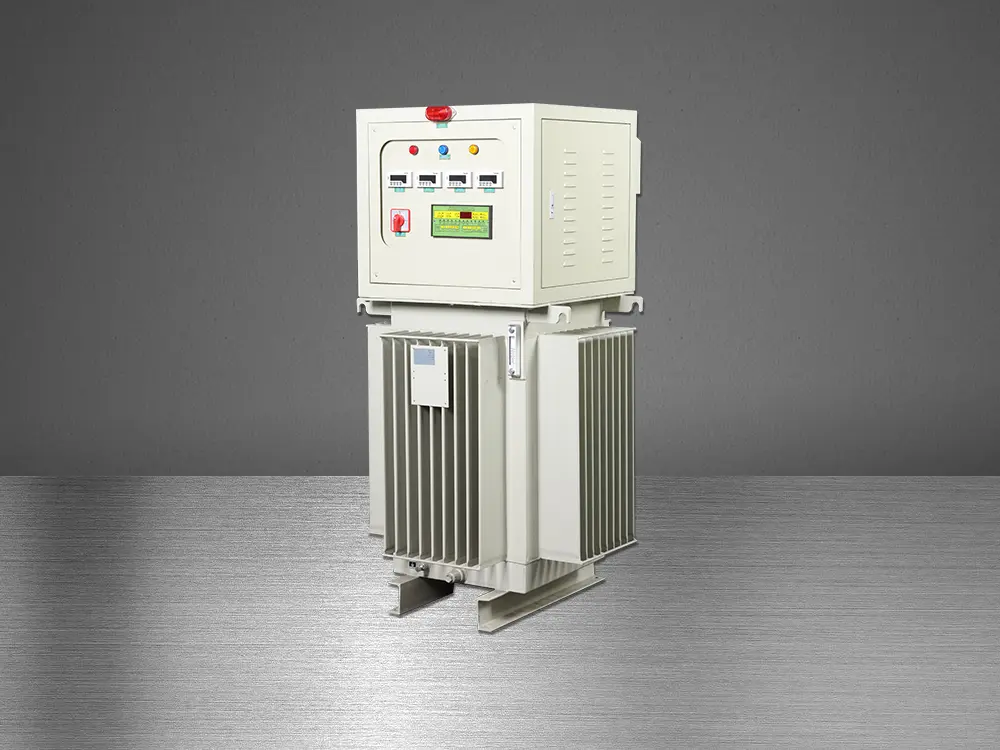 Oil Immersed Voltage Regulator