China Top Automatic Voltage Stabiliser Suppliers?
Choosing among China’s top Automatic Voltage Stabiliser suppliers takes more than comparing prices or polished product photos. A factory, clinic, or workshop may face different voltage swings, load changes, and operating hours. The right unit must match those real conditions. A useful principle drawn from power-quality specialist Dr. Surya Santoso’s published work is to measure voltage behavior before selecting equipment. Start with the incoming voltage range, load capacity, phase requirements, and sensitive devices. Small details matter.
This guide introduces supplier capabilities, product types, and practical checks for comparing manufacturers in China. Look for clear rated-load data, protection features, test records, and service terms. Ask how a unit responds when a compressor starts or input voltage drops during a busy shift. Request documentation, not just a reassuring sales claim. Not just price. Factory visits or independent inspections may help, though they cannot replace technical review. Supplier listings can also change, and published specifications do not always reveal long-term performance. That is worth remembering. The comparison ahead aims to help buyers ask sharper questions and narrow their shortlist without treating any ranking as a guarantee.
Understanding Automatic Voltage Stabilizers and Their Role in China
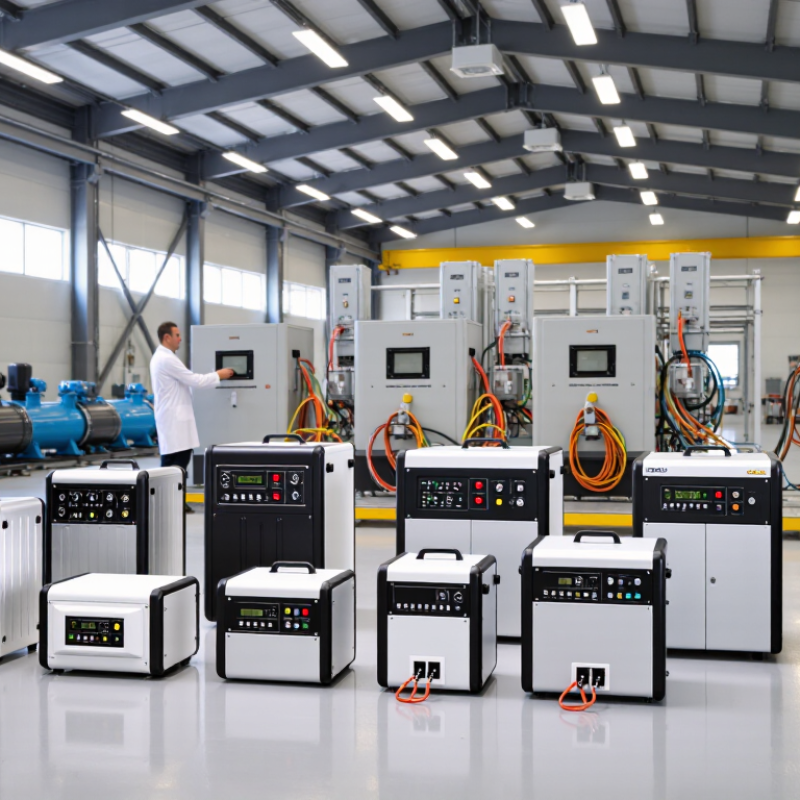
Automatic voltage stabilizers help keep electrical equipment within a usable voltage range when incoming power rises or falls. In China, they are used in workshops, commercial buildings, and sites where long feeder lines or heavy machinery can cause noticeable variation. A stabilizer monitors the supply and adjusts its output through a control system. Depending on the design, correction may use a servo mechanism, relays, or power electronics. Not magic. It cannot repair poor wiring or keep equipment running through every outage.
Choosing a unit starts with the actual load, not just its advertised kilovolt-ampere rating. Motors draw extra current when starting, while sensitive instruments may need tighter regulation and faster response. When comparing suppliers, request the input-voltage range, regulation accuracy, overload behavior, thermal limits, and test records for the specific model. Ask how it performs during sustained low voltage, not only a brief dip. Still, details matter. Clear technical answers are useful, but documents alone cannot prove performance at your site. Dust, heat, ventilation, and grounding all affect operation. A witnessed load test can reveal gaps, and a simple commissioning log can record input and output readings under changing conditions.
China’s 220 V Supply: Permitted Voltage Range
Lower and upper limits are calculated from the single-phase 220 V supply deviation limits in China’s GB/T 12325-2008 standard.
An automatic voltage stabilizer monitors its input and adjusts its output to help connected equipment receive a steadier voltage. Actual regulation range and performance depend on the stabilizer model and operating conditions; the standard limits shown here describe supply voltage, not stabilizer performance.
How Automatic Voltage Stabilizers Are Made and Classified
An automatic voltage stabilizer is assembled to keep output voltage within a useful range as the incoming supply changes. Production often begins with the transformer core, copper windings, control board, and protective enclosure. Technicians fit the sensing circuit and switching or motor mechanism, then connect overload and overheat protection. Small details matter. A loose terminal or poorly aligned carbon brush can affect performance over time.
Stabilizers are commonly classified by control method: relay, servo-motor, or static electronic. Relay models switch transformer taps, while servo types move a brush across a winding. Static designs use power electronics and have no moving parts. These methods differ in correction speed, maintenance needs, and suitability for particular loads. Units are also grouped by single- or three-phase input, rated capacity, and correction range. The categories can overlap, which makes supplier catalogues confusing. For a practical comparison, check the stated input range, output accuracy, response time, and test conditions. A neat specification sheet is useful, but it cannot replace clear test records.
Overview of Notable Automatic Voltage Stabilizer Suppliers in China
China Top Automatic Voltage Stabiliser Suppliers?
China’s automatic voltage stabilizer suppliers range from large-scale manufacturers to smaller engineering-led factories. Some focus on standard units for shops, workshops, and office equipment. Others build customized systems for production lines or buildings with unstable supply. The market is broad, not neatly ranked.
A supplier’s product range can reveal its strengths. Look for clear ratings for input voltage, output accuracy, load capacity, and phase configuration. Ask how the unit handles overloads and changing loads. Details matter. A printed specification is useful, but test records and traceable component information provide stronger evidence. If possible, compare the proposed capacity with measured site conditions rather than guessing from connected equipment labels.
Service capability matters too. Check whether the supplier can explain installation, ventilation, bypass arrangements, and routine maintenance in practical terms. Request drawings, inspection records, and a defined warranty process before placing an order. For industrial use, discuss motor starting currents and the effects of heat or dust. A polished catalog may not show these limits. Not every unit fits. Even experienced buyers can overlook a mismatch between the stated load and real operating conditions. A direct technical discussion helps expose that gap.
How to Choose a Supplier for Your Application
China Top Automatic Voltage Stabiliser Suppliers?
How to Choose a Supplier for Your Application
Choosing a supplier starts with your equipment, not a catalogue rating. List the normal and lowest input voltage, required output tolerance, phase type, and connected load. Include motors, compressors, or other equipment with high starting current. A stabiliser sized only for the steady load may trip or struggle during startup. Ask suppliers to explain their sizing assumptions and provide test data for the proposed operating range. Small details matter. Check whether the unit suits your installation’s temperature, dust, ventilation, and mounting conditions.
Tips: Share a load list and recent voltage readings. Ask about response time, overload behaviour, protection features, warranty terms, spare parts, and local technical support. Request answers in writing.
Compare suppliers on evidence, not broad promises. Review clear technical drawings, inspection records, and operating instructions. If possible, discuss a witnessed test using conditions close to your application. Confirm who handles commissioning and what information they need before delivery. A low purchase price can leave important service costs unclear. Specifications still cannot describe every site condition, so leave room to verify assumptions. That step is easy to overlook. A careful supplier will welcome practical questions and explain limits as plainly as capabilities.

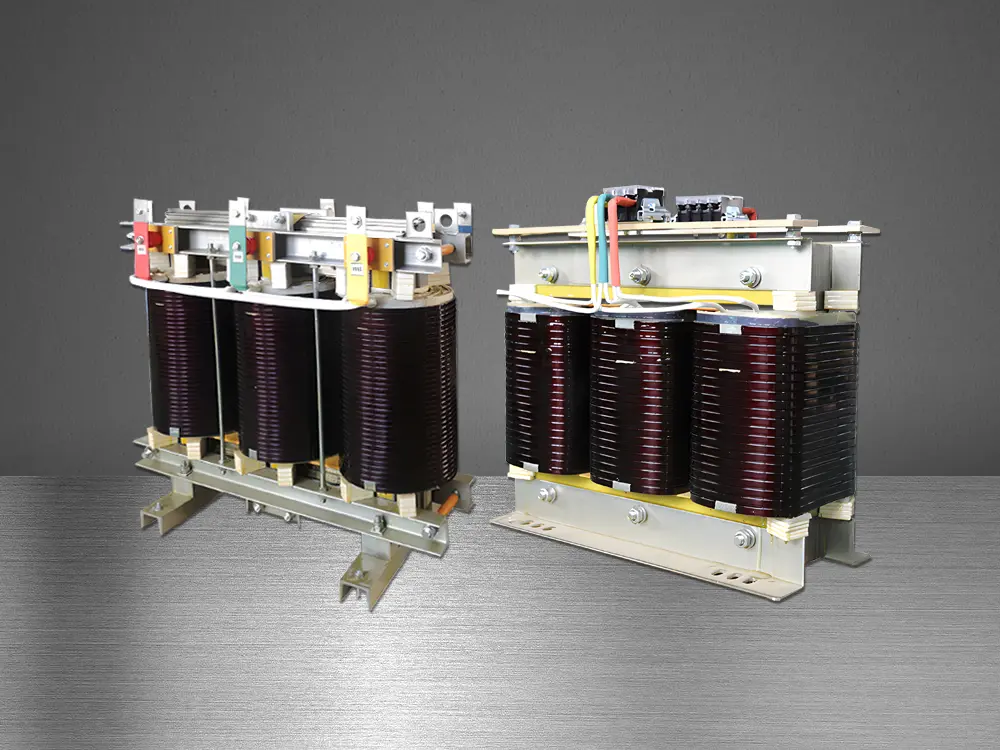 Three-Phase Isolation Transformer
 Control Transformer
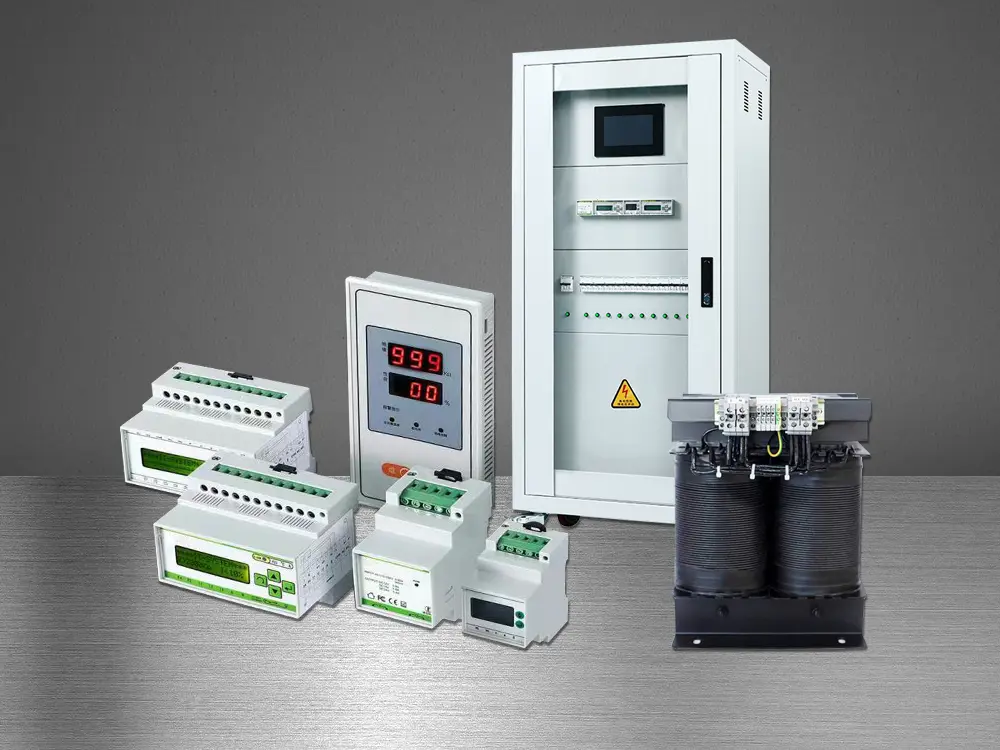 Medical IT Isolated Power System
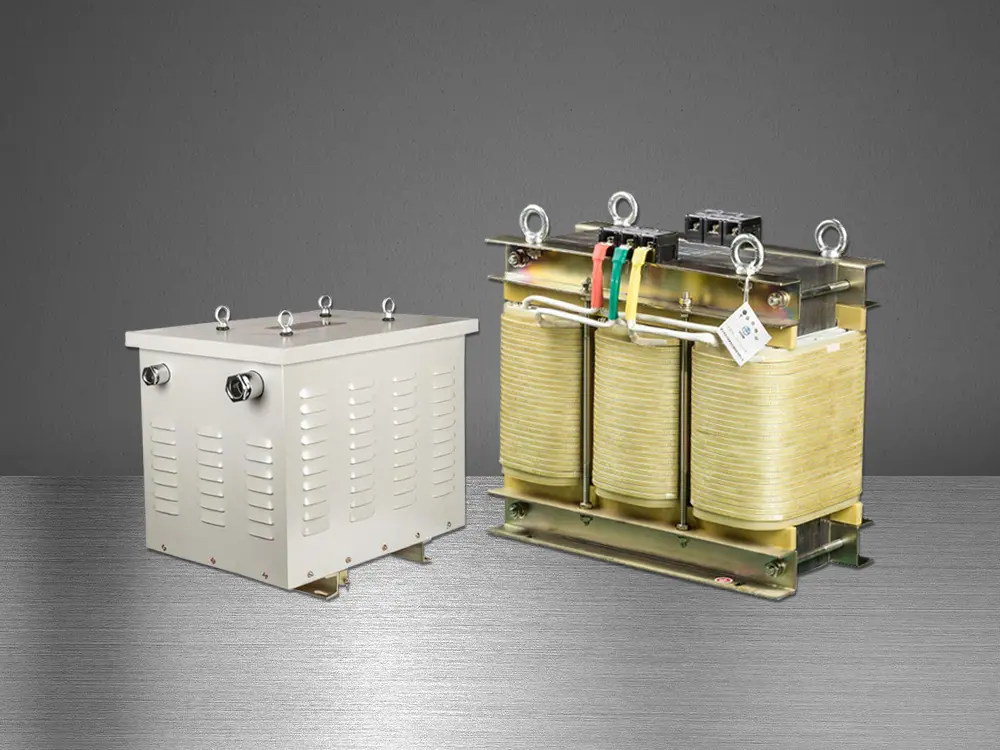 Marine Transformer
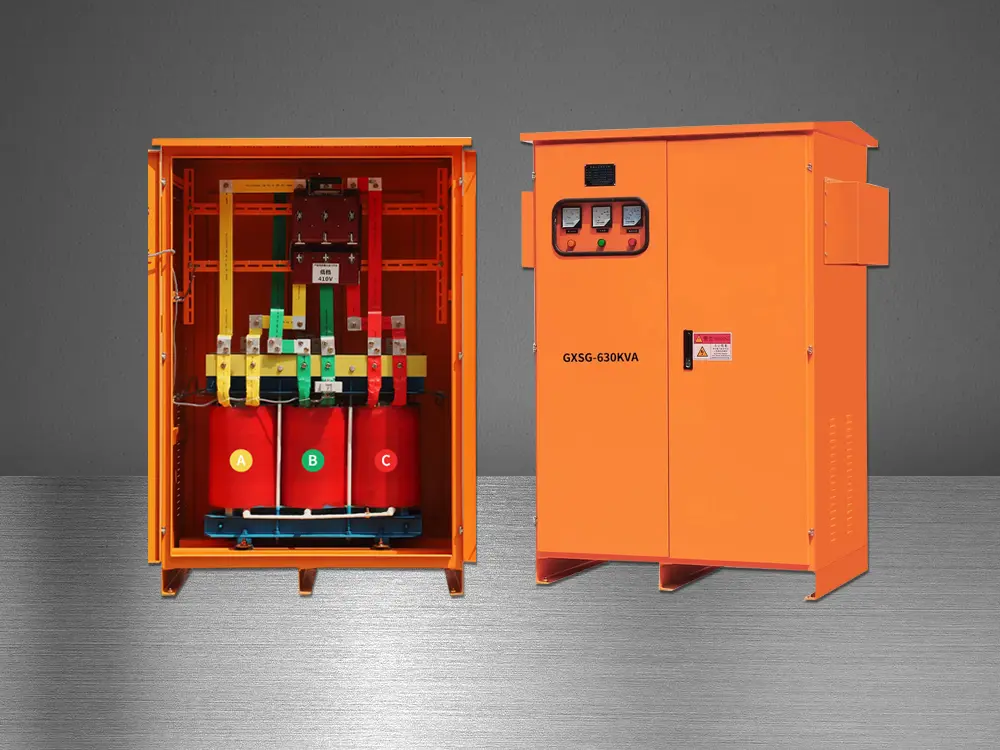 Tunnel Transformer
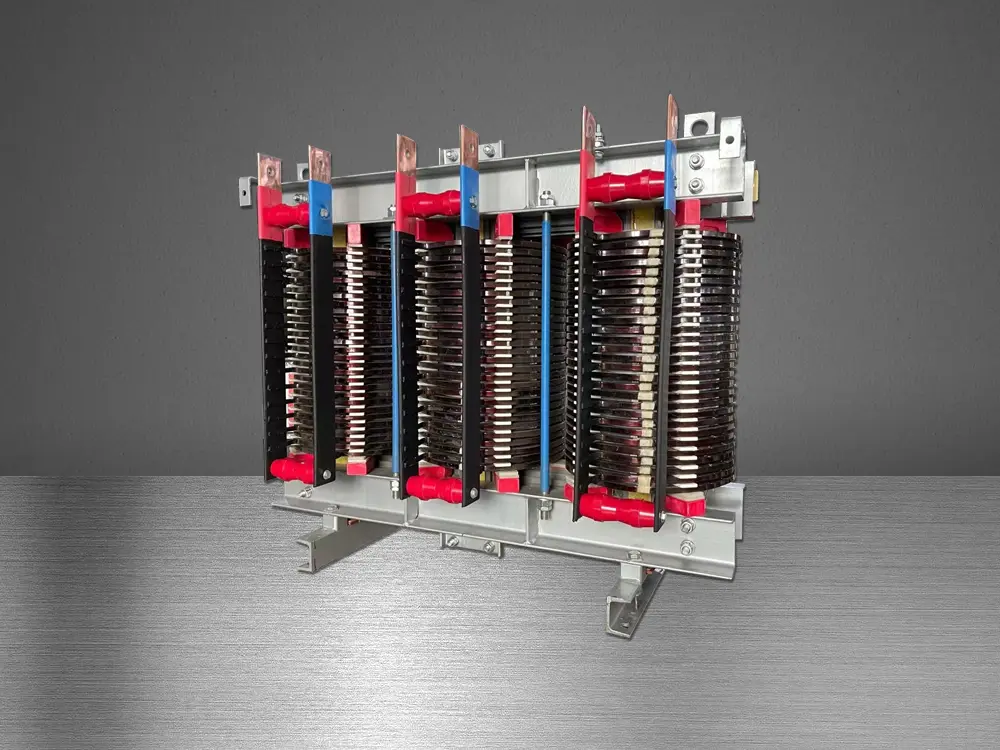 High Current Transformer
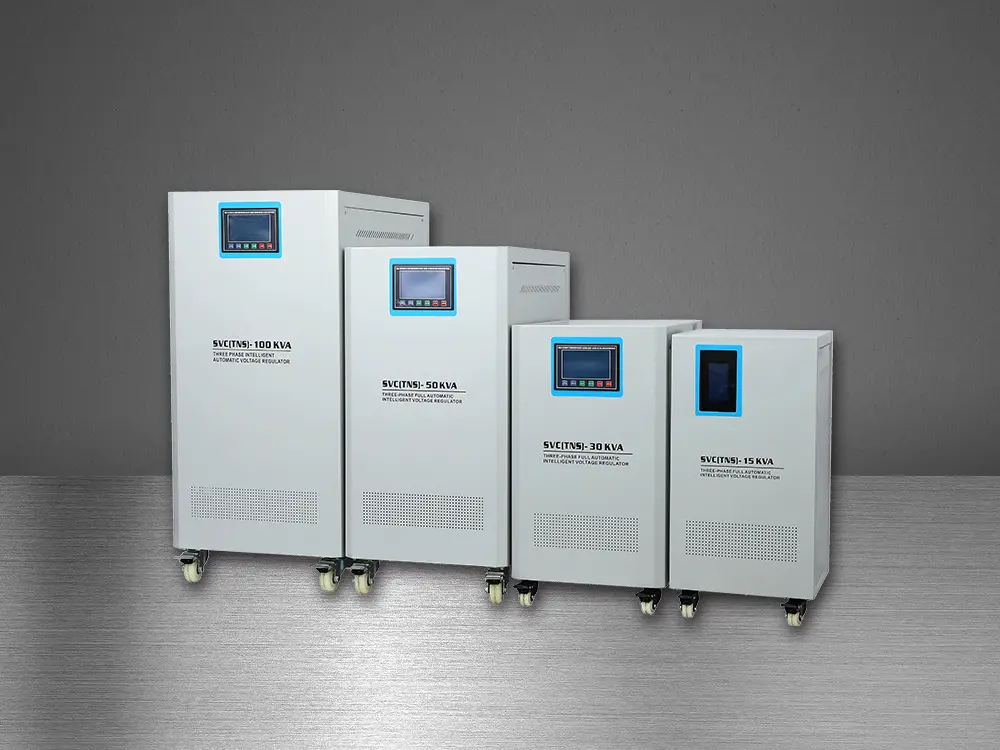 Automatic Voltage Regulator
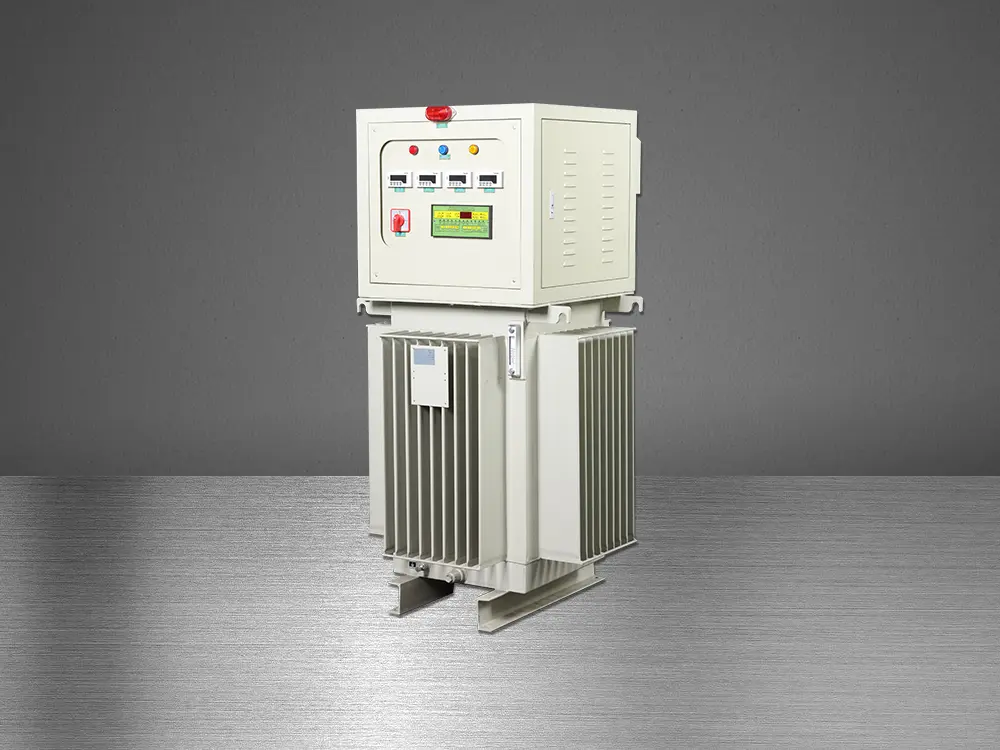 Oil Immersed Voltage Regulator