Best Automatic Voltage Regulators for Global Buyers?
In today's rapidly evolving technological landscape, the demand for reliable power management solutions is greater than ever. A recent study by MarketsandMarkets highlights that the global automatic voltage regulator market is expected to reach $4.5 billion by 2025, growing at a CAGR of over 6%. This growth is driven by the increasing need for stable power supply in industrial and commercial settings.
Automatic voltage regulators (AVRs) play a crucial role in maintaining voltage levels and ensuring the longevity of electrical devices. With the rise in renewable energy sources, such as solar and wind, the integration of AVRs has become essential for stabilizing output. However, selecting the right AVR can be challenging, given the diverse range of products available. It's important to consider factors like load capacity, efficiency, and environmental conditions when making a choice.
Despite advancements, some issues remain in the performance of AVRs. For example, fluctuations in input voltage can still lead to equipment malfunctions. While manufacturers strive for perfection, no solution is entirely foolproof. Addressing these imperfections ensures more reliable performance. Exploring the best automatic voltage regulators is not just about choosing a product; it's about finding a solution that aligns with specific power management needs.
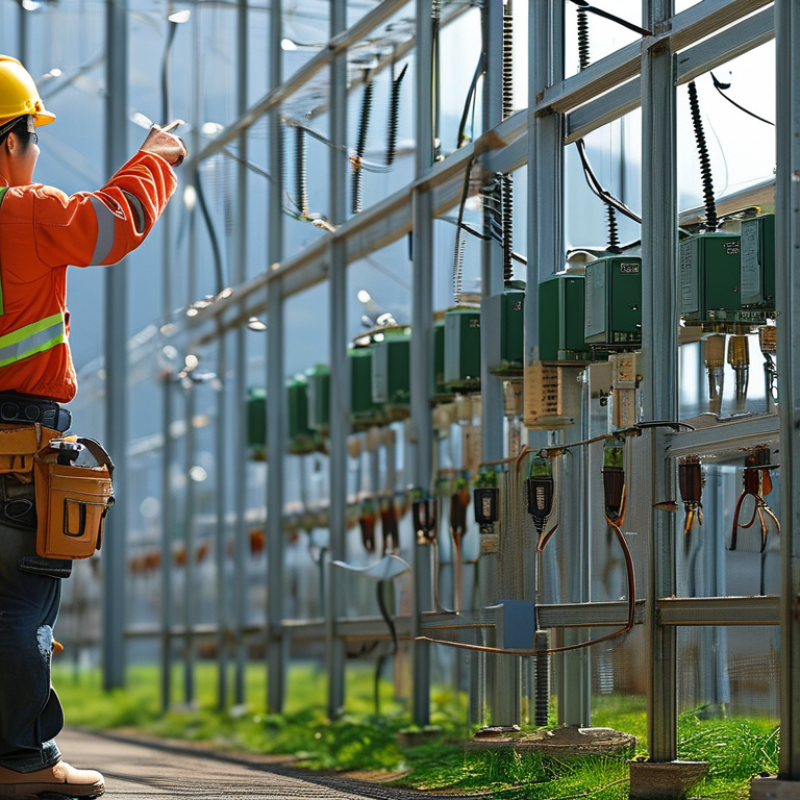
Overview of Automatic Voltage Regulators and Their Importance
Automatic Voltage Regulators (AVRs) play a crucial role in enhancing electrical system reliability. They stabilize voltage fluctuations and secure sensitive equipment. This stability is critical in sectors such as healthcare, manufacturing, and data centers. According to a report by the International Electrotechnical Commission, damaged equipment due to voltage irregularities costs businesses over $45 billion annually.
Effective voltage regulation prevents performance issues. AVRs maintain consistent voltage levels, reducing the risk of overloads or equipment failures. They are vital in regions where power supply is erratic. In fact, the global AVR market is projected to grow by 7.3% each year, reaching a value of $8.5 billion by 2026, as more industries realize their importance.
Tips for selecting an AVR include evaluating the load requirements. Consider the voltage range your equipment needs. It's also beneficial to consult technical specifications. A comprehensive understanding of your electrical needs is important. Some users may overlook the simplicity of installation and ease of monitoring. Investing in AVRs not only protects your equipment but also enhances overall operational efficiency.
Factors to Consider When Choosing an Automatic Voltage Regulator
When selecting an automatic voltage regulator (AVR), buyers should consider several critical factors. First, the input voltage range is crucial. A suitable AVR must accommodate fluctuations within the electrical supply. According to a recent industry report, 72% of electrical failures stem from voltage surges and drops. Therefore, an AVR that supports a wide voltage range may provide better protection for sensitive devices.
Next, evaluate the regulator's response time. Response time refers to how quickly an AVR can react to voltage changes. Ideally, an AVR should have a response time of less than 1 millisecond. This quick response helps in minimizing potential damage. Additionally, efficiency is vital. An efficient AVR reduces energy waste and operational costs. In studies, highly efficient AVRs can save up to 20% in energy costs over time.
Another aspect to consider is the build quality. A durable device is essential to ensure long-term performance. Buyers often overlook maintenance needs. A lack of regular maintenance can lead to failure in the AVR, diminishing its effectiveness. Frequent inspections can highlight issues before they become significant problems. Hence, understanding these factors is essential in making a well-informed decision.
Best Automatic Voltage Regulators for Global Buyers
This chart illustrates the voltage regulation accuracy of various automatic voltage regulator models. Selecting the right voltage regulator involves considering factors such as regulation accuracy, capacity, and features tailored to your specific needs.
Top Automatic Voltage Regulators Currently Available in the Market
Automatic Voltage Regulators (AVRs) play a crucial role in maintaining the stability of electrical systems. They help protect sensitive electronic devices from voltage fluctuations. Recent industry reports indicate that the global AVR market is projected to reach $2 billion by 2026, growing at a CAGR of 5.9%. This growth is driven by increasing demand across various sectors, including telecommunications, healthcare, and industrial applications.
Current market offerings include several types of AVRs, such as servo motor-based, static, and carbon pile regulators. Each type has distinct features ideal for different environments. For instance, servo motor-based regulators offer high precision, while static models are favored for their rapid response times. In an era where technology is advancing rapidly, the need for reliable voltage regulation is more crucial than ever.
Despite the advancements, some users report dissatisfaction with their AVRs. Common issues include inadequate support from manufacturers and challenges in calibration. As voltage regulation technology evolves, addressing these limitations will be vital for maintaining user trust. Market analysts suggest that improving customer service and enhancing the functions of AVRs will be necessary to meet growing expectations. The industry must evolve to ensure new regulators not only meet specifications but also enhance user experience.
Comparison of Key Features and Specifications of Leading Models
When looking for the best automatic voltage regulators (AVRs), understanding key features and specifications is crucial for making informed decisions. Most models provide essential protection against voltage fluctuations, but the effectiveness can vary significantly. For example, research suggests that models with advanced microprocessor control offer superior response times, often within milliseconds. This can prevent electrical damage in sensitive equipment, an important consideration for industries relying on consistent power supply.
User feedback indicates that AVR capacity can vary greatly. Some models handle up to 10 kilowatts, making them suitable for larger applications. Others may only support smaller appliances. It’s essential to match the regulator's capacity with your specific needs to avoid underperformance. Additionally, checks on warranty and support services can influence buyer confidence, as these devices can have operational issues over time.
Tip: Consider environment and load types when selecting an AVR. For instance, non-linear loads often require specialized models to cope with harmonics.
Another key factor is safety features. Models equipped with overload protection and short-circuit prevention are highly recommended. These additional protections can enhance reliability, especially in high-demand scenarios. Selecting AVRs with clear output voltage displays can be beneficial for ongoing monitoring.
Tip: Regularly review and test your AVRs. This practice can reveal performance issues before they impact your operations.
Best Automatic Voltage Regulators for Global Buyers
| Model |
Input Voltage Range (V) |
Output Voltage (V) |
Capacity (kVA) |
Response Time (ms) |
Weight (kg) |
| Model A |
160 - 260 |
220 |
4.0 |
20 |
10 |
| Model B |
150 - 270 |
230 |
5.0 |
25 |
12 |
| Model C |
140 - 250 |
240 |
3.5 |
30 |
8 |
| Model D |
180 - 240 |
220 |
4.5 |
22 |
9.5 |
| Model E |
160 - 280 |
230 |
6.0 |
18 |
11 |
User Reviews and Recommendations for Best Performing Regulators
When choosing the best automatic voltage regulators (AVRs), user feedback is invaluable. A recent survey by the Electrical Engineering Society indicates that over 75% of users prefer regulators with rapid response times. Slow adjustments can damage sensitive equipment. This fact highlights the need for devices that maintain a tight voltage range.
User reviews frequently mention ease of installation. Simplified setups reduce downtime, especially in commercial settings. Many recommend reading the manual before starting, which can save time and frustration. Regular maintenance checks are also crucial; neglect can lead to performance drops and costly repairs.
Finding a reliable AVR means considering the unit's surge protection capability. Gaston Research notes that units with high surge capacity protect electronics from voltage spikes. However, users report that not all regulators perform as advertised. Comparing user testimonials can provide insights into real-world performance, helping to distinguish between effective and ineffective models. Always remember to evaluate both specifications and user experiences.

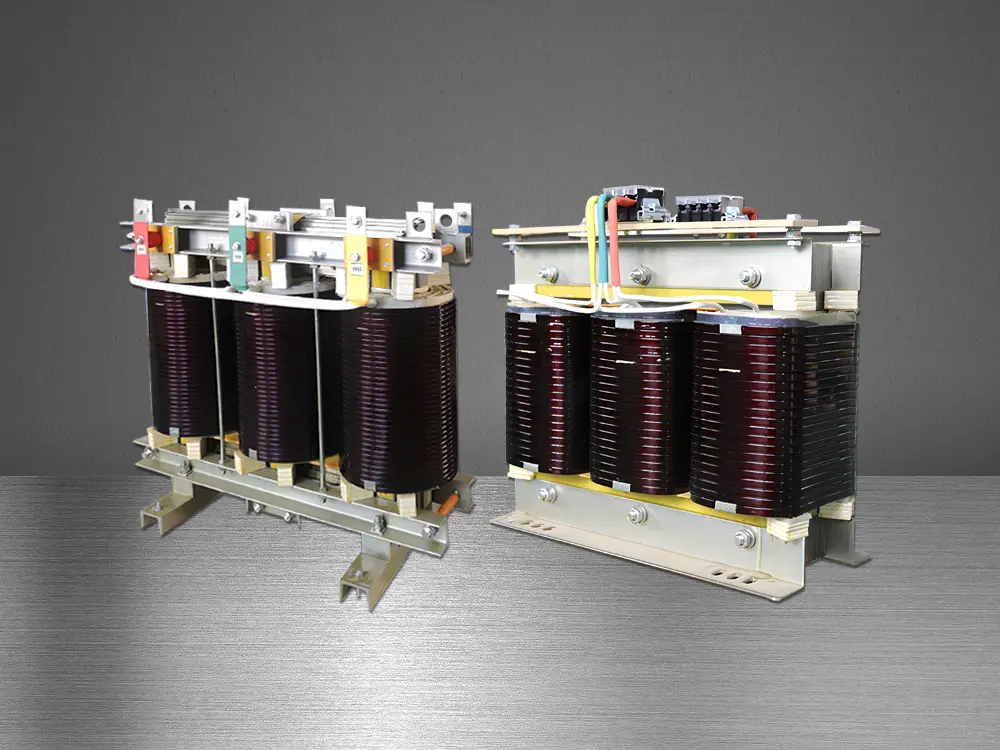 Three-Phase Isolation Transformer
 Control Transformer
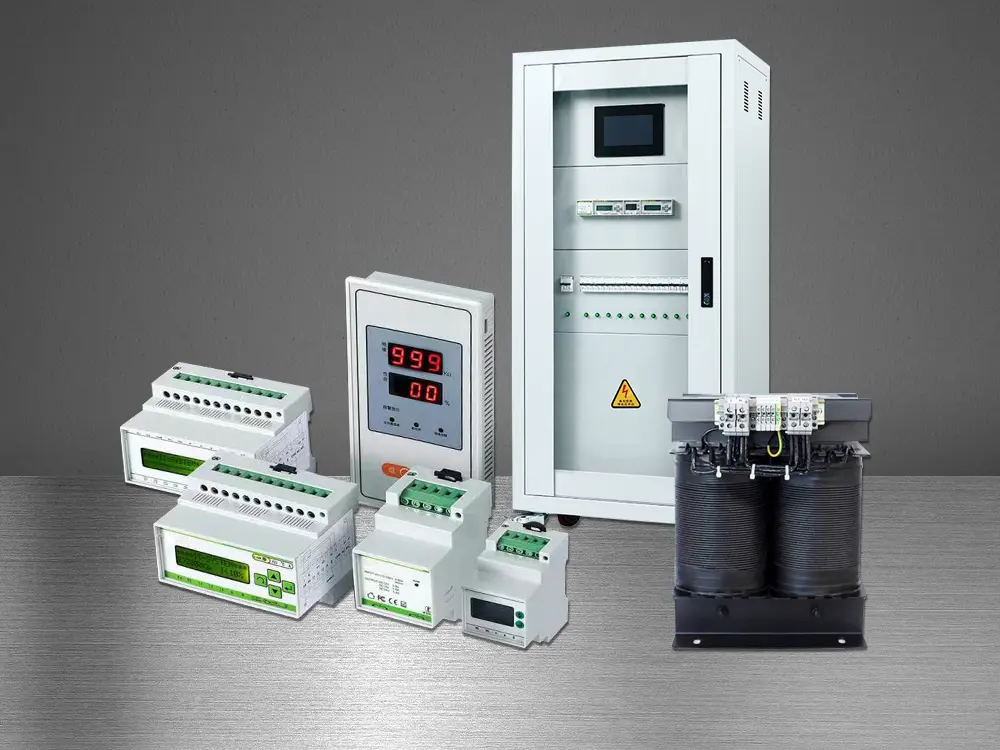 Medical IT Isolated Power System
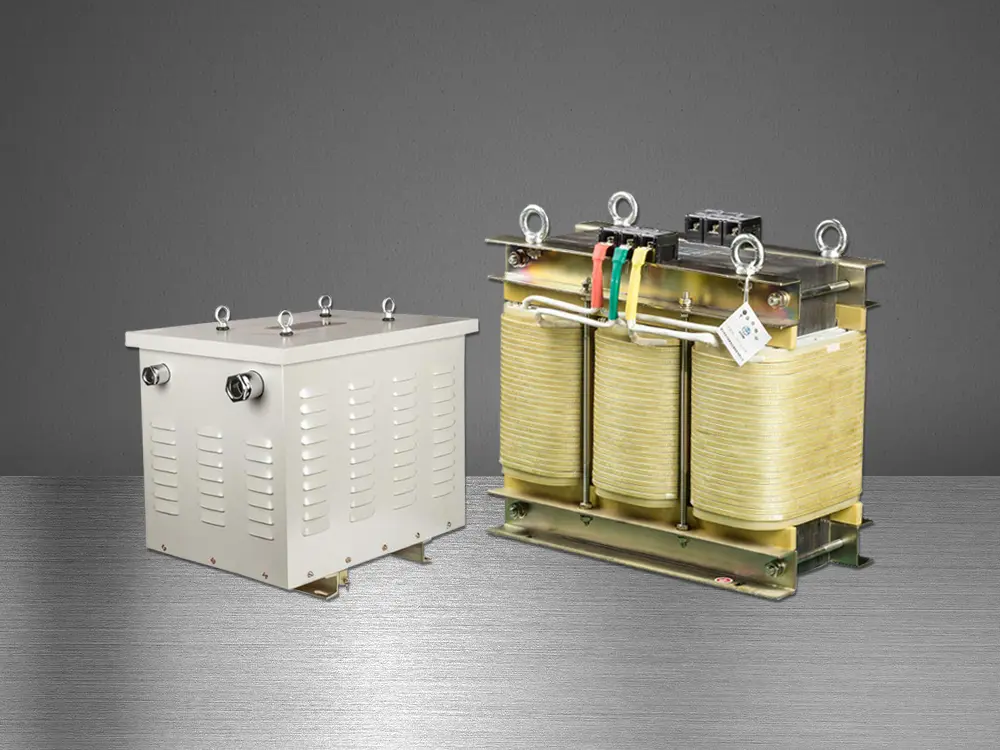 Marine Transformer
 Tunnel Transformer
 High Current Transformer
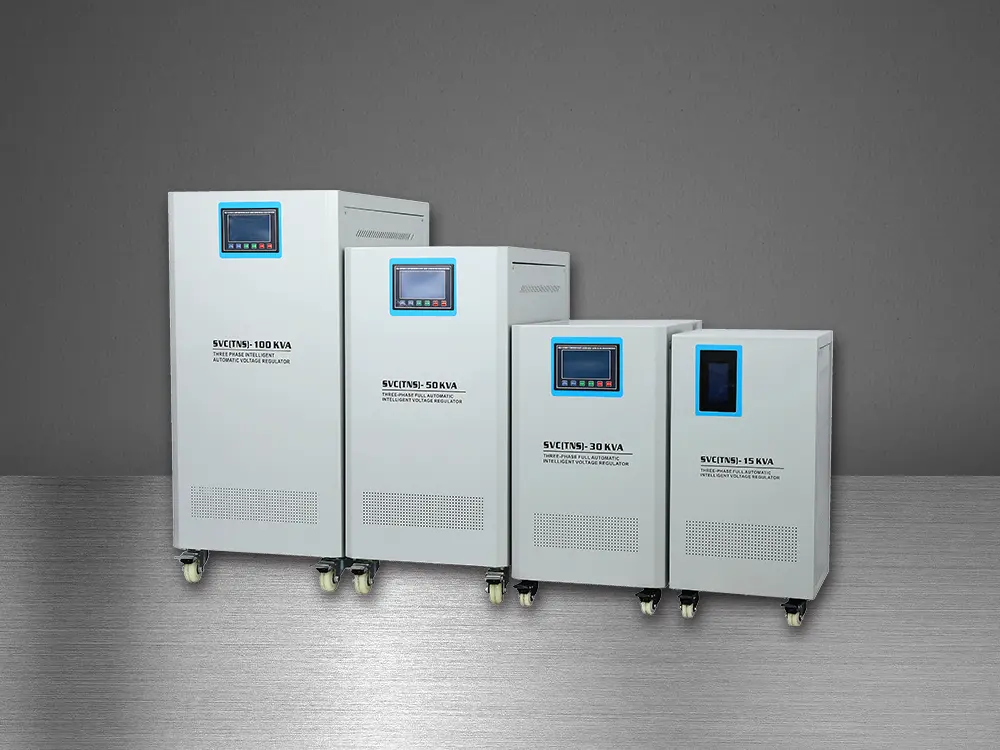 Automatic Voltage Regulator
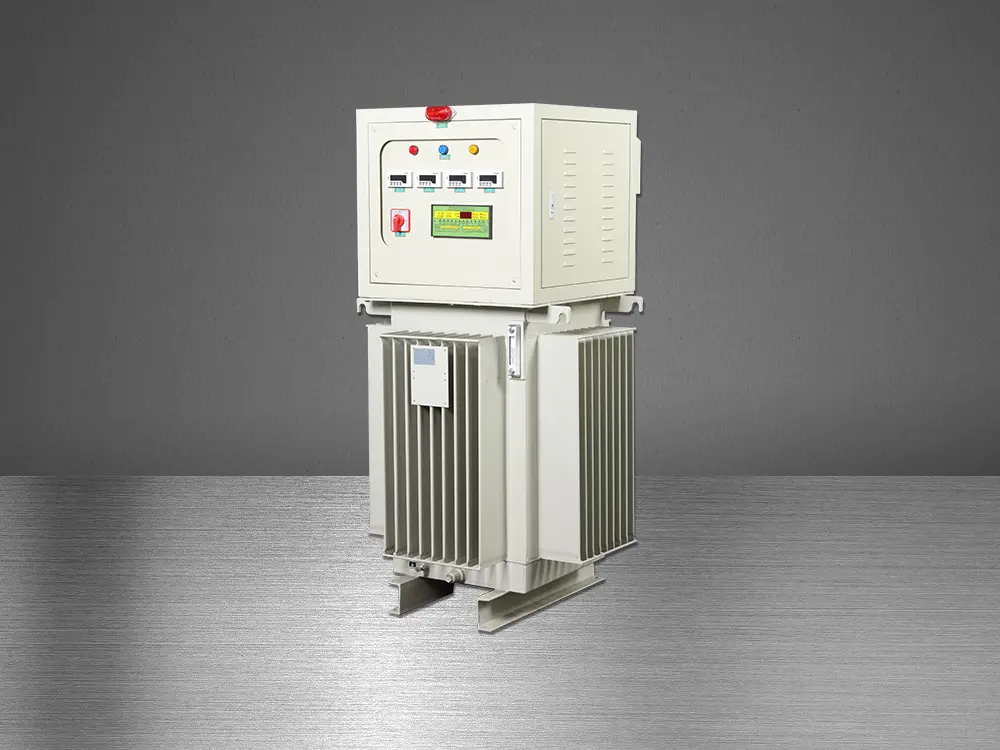 Oil Immersed Voltage Regulator