2026 Best Automatic Voltage Stabilizer for Global Buyers?
Choosing the 2026 best Automatic Voltage stabilizer requires more than comparing prices or glossy specifications. Global buyers face different mains conditions, including brownouts, surges, unstable frequency, and regional voltage ranges. A suitable unit should match the local supply, connected load, and installation environment. It should also protect sensitive equipment without creating unnecessary energy losses.
This guide examines stabilizer performance through practical buying criteria. These include correction speed, input range, output accuracy, capacity, thermal protection, efficiency, noise, and maintenance requirements. A refrigerator, CNC machine, medical device, and office server do not demand identical protection. Small details matter. A model rated at 10 kVA may still perform poorly if its starting current exceeds the design margin. Buyers should check verified test data, manufacturer documentation, warranty terms, and relevant safety certifications for their destination market.
Reliable selection also requires realistic expectations. A stabilizer cannot repair defective wiring, replace surge protection, or compensate for incorrect sizing. Not every model wins. Product rankings can become misleading when laboratory results ignore dusty workshops, high humidity, or frequent generator changes. This review therefore compares technical claims with practical operating conditions and service availability. The answer is conditional. The best choice depends on voltage behavior, equipment sensitivity, budget, and qualified installation. Readers should treat specifications as evidence, not promises, and confirm local requirements before purchasing.
Automatic Voltage Stabilizer Basics: ±1%–±5% Output Regulation Explained
Choosing the best automatic voltage stabilizer in 2026 starts with output regulation, not appearance. The rating shows how closely the unit maintains its target voltage. A ±1% stabilizer around 230V should deliver approximately 227.7–232.3V. A ±5% model may range from 218.5–241.5V. That difference matters for medical equipment, laboratory instruments, servers, and precision motors.
Tighter regulation usually requires better sensing, faster correction, and careful installation. Yet ±1% performance may apply only under specific input, load, and temperature conditions. Check test data at both low and high loads. Ask whether the stated accuracy covers sudden voltage changes. Many product sheets leave this unclear. That is a weakness worth questioning.
Global buyers should match the stabilizer with local voltage, frequency, phase type, and wiring practice. A 120V system differs from a 230V system, while 50Hz and 60Hz loads may behave differently. Confirm the input range before comparing accuracy. A unit rated at ±1% cannot correct an unsuitable frequency or an overloaded circuit. Motor-driven equipment also needs enough starting capacity. I once viewed a narrow regulation figure as the complete answer; it was not. Response time, thermal protection, bypass design, noise, and measured efficiency deserve equal attention. Test the output with a calibrated meter after installation. Small errors can reveal large assumptions.
2026 Best Automatic Voltage Stabilizer for Global Buyers? – Automatic Voltage Stabilizer Basics: ±1%–±5% Output Regulation Explained
| Output Regulation Class |
Typical Output Accuracy |
Typical Input Voltage Range* |
Common Stabilizer Technology |
Typical Response Time |
Typical Efficiency Range |
Recommended Applications |
| ±1% |
Output maintained within approximately ±1% of the rated voltage |
About 160–260 V for a 220–240 V single-phase model |
Servo-motor controlled transformer or high-precision electronic design |
Approximately 10–100 ms, depending on design and voltage variation |
Typically 95%–99% |
Medical equipment, laboratory instruments, precision automation and sensitive control systems |
| ±2% |
Output maintained within approximately ±2% of the rated voltage |
About 150–270 V for a 220–240 V single-phase model |
Servo-controlled regulator or stepped electronic regulator |
Approximately 10–100 ms |
Typically 95%–99% |
Commercial electronics, communication equipment, office systems and industrial control panels |
| ±3% |
Output maintained within approximately ±3% of the rated voltage |
About 140–280 V for a 220–240 V single-phase model |
Servo-controlled regulator or relay-based stepped regulator |
Approximately 10–500 ms |
Typically 94%–99% |
Retail equipment, HVAC controls, pumps, general machinery and household appliances |
| ±5% |
Output maintained within approximately ±5% of the rated voltage |
About 130–290 V for a 220–240 V single-phase model |
Relay-based stepped regulator or basic servo-controlled regulator |
Approximately 10–500 ms |
Typically 93%–98% |
Lighting, refrigerators, fans, small pumps and general-purpose residential loads |
Important specification note: The figures above are typical market ranges for comparison purposes, not universal product specifications. Actual performance depends on rated voltage, frequency, load percentage, input range, phase configuration, ambient temperature, waveform quality and manufacturer test conditions.
| Selection Dimension |
What to Check |
Why It Matters |
| Rated Capacity |
Select kVA or kW capacity above the continuous load; allow additional margin for motor starting current. |
Undersizing can cause overheating, nuisance trips and unstable output. |
| Phase Configuration |
Confirm single-phase or three-phase input and output, as well as the local nominal voltage. |
Voltage and phase compatibility is essential for safe installation and correct regulation. |
| Regulation Accuracy |
Choose ±1%–±2% for precision loads and ±3%–±5% for general-purpose equipment. |
Higher accuracy usually increases cost and may require more advanced control hardware. |
| Protection Functions |
Look for overvoltage, undervoltage, overload, short-circuit, over-temperature and surge protection. |
Protection features help reduce equipment damage during abnormal grid conditions. |
| Operating Environment |
Verify enclosure rating, cooling method, humidity limits, altitude limits, noise level and installation clearance. |
Environmental conditions affect thermal performance, service life and reliability. |
Global Voltage Standards: 100–240 V Inputs, 50/60 Hz, and IEC 60038
A reliable automatic voltage stabilizer starts with the grid, not the product label. IEC 60038 defines nominal system voltages for public networks, including 100, 110, 120, 220, 230, and 240 V systems. It also recognizes 50 Hz and 60 Hz frequencies. Therefore, “100–240 V input” does not mean every stabilizer suits every country.
Global buyers should check measured voltage at the installation point. A rural 230 V line may fall below 200 V during evening demand. A 120 V network may experience short surges near industrial loads. The stabilizer should specify its correction range, output accuracy, response time, overload protection, and frequency compatibility. IEC 60038 offers voltage references, but it does not certify a stabilizer’s control quality.
Demand conditions are changing. The International Energy Agency’s Electricity 2024 report projected global electricity demand growth of about 4% in 2024 and 2025. More connected equipment can increase sensitivity to unstable supply. Yet higher capacity is not always better. Oversizing may raise costs and reduce operating efficiency. I have seen specifications that look impressive but omit starting-current performance. That omission deserves attention. Buyers should compare local voltage records, equipment inrush current, and installation standards before choosing a 50/60 Hz stabilizer.
Global Voltage Standards for Automatic Voltage Stabilizers
Common nominal single-phase supply voltages range from 100 V to 240 V, with power frequencies of 50 Hz or 60 Hz. IEC 60038 defines standardized nominal system voltages, while actual residential standards vary by country and local grid practice. A stabilizer designed for global buyers should clearly specify its supported input range, frequency compatibility, and output voltage.
Capacity Sizing by kVA: 0.8 Power Factor and 20% Load Headroom
2026 Best Automatic Voltage Stabilizer for Global Buyers?
Capacity should start with kVA, not marketing claims. A practical baseline uses a 0.8 power factor and 20% load headroom. For a 24 kW installation, calculate
24 ÷ 0.8 × 1.2
The required stabilizer rating is 36 kVA. This margin covers moderate starting currents, cable losses, and future equipment. It is not unlimited protection.
Check the real load profile. Compressors, pumps, and older motors may briefly demand much more current. A site operating at 0.7 power factor would need about 41 kVA for the same 24 kW load. That difference is easy to miss.
I have seen buyers size only from nameplate watts. It looks efficient on paper. It can fail during startup.
The Uptime Institute’s 2024 Global Data Center Survey reported that 54% of outage incidents cost below 100,000 dollars, while 16% exceeded one million dollars. That finding supports conservative capacity planning, especially for international facilities with unstable grids. IEC 60076-1 rating principles also reinforce the need to assess continuous loading and thermal limits. Yet 20% headroom may be too small for high-inrush equipment. Record peak current with a power-quality analyzer, verify local voltage and frequency, then compare continuous and short-duration kVA. The simple formula is useful, but it should not replace field measurements.
Performance Metrics: Response Time, Efficiency, and IEC 61000-4-30 Class A
For global buyers, an automatic voltage stabilizer should be judged by measured performance, not impressive claims. Response time shows how quickly the unit corrects a voltage change. In a workshop test, a 40-millisecond correction may protect sensitive control equipment better than a slower mechanical design. However, fast response alone can create overshoot or audible switching. The output waveform must remain stable.
Efficiency matters every hour. A unit operating at 98% efficiency wastes less energy as heat than one operating at 94%. That difference becomes visible in a warm electrical room. Buyers should request efficiency data at 25%, 50%, 75%, and 100% load. Real facilities rarely stay at one perfect load. I have seen published ratings change sharply under unbalanced conditions.
IEC 61000-4-30 Class A deserves careful interpretation. It defines high-accuracy methods for measuring power-quality parameters, including voltage magnitude, frequency, dips, swells, and interruptions. It does not automatically certify a stabilizer’s correction quality or overall safety. A reliable supplier should provide test procedures, instrument details, sampling conditions, and uncertainty values. Without those details, “Class A tested” remains incomplete evidence. Buyers should also compare recovery time after repeated disturbances, not only one laboratory event. Field wiring, grounding, temperature, and load type can alter results. That uncomfortable gap between laboratory data and installation experience needs honest review.
2026 Buyer Criteria: IP Ratings, Surge Protection, Certification, and Warranty
2026 Best Automatic Voltage Stabilizer for Global Buyers?
Choosing an automatic voltage stabilizer in 2026 requires more than checking voltage range and price. In field inspections, I look for an IP rating suited to the installation area. IP20 may fit a dry electrical room, while IP54 offers better protection against dust and splashing water. Outdoor installations need stronger enclosure planning, not just a higher label.
Surge protection deserves equal attention. Ask for documented clamping voltage, response time, thermal protection, and replaceable protection modules. A stabilizer should also show test reports from an accredited laboratory. Certification marks must match the destination market, because approval rules differ across regions. Check input frequency, grounding requirements, plug configuration, and operating temperature before ordering. Small details cause expensive failures.
Tips:
Request the full datasheet, certificate number, and warranty terms before payment. Confirm whether the warranty covers labor, shipping, and replacement parts. A clear service address matters. Some sellers promise five years, yet provide no practical repair route. That gap should make you pause. Also inspect ventilation space around the unit; a crowded cabinet can create heat that the brochure never mentions. My criteria are not perfect, and I still recheck local requirements before installation. That extra review is worthwhile.

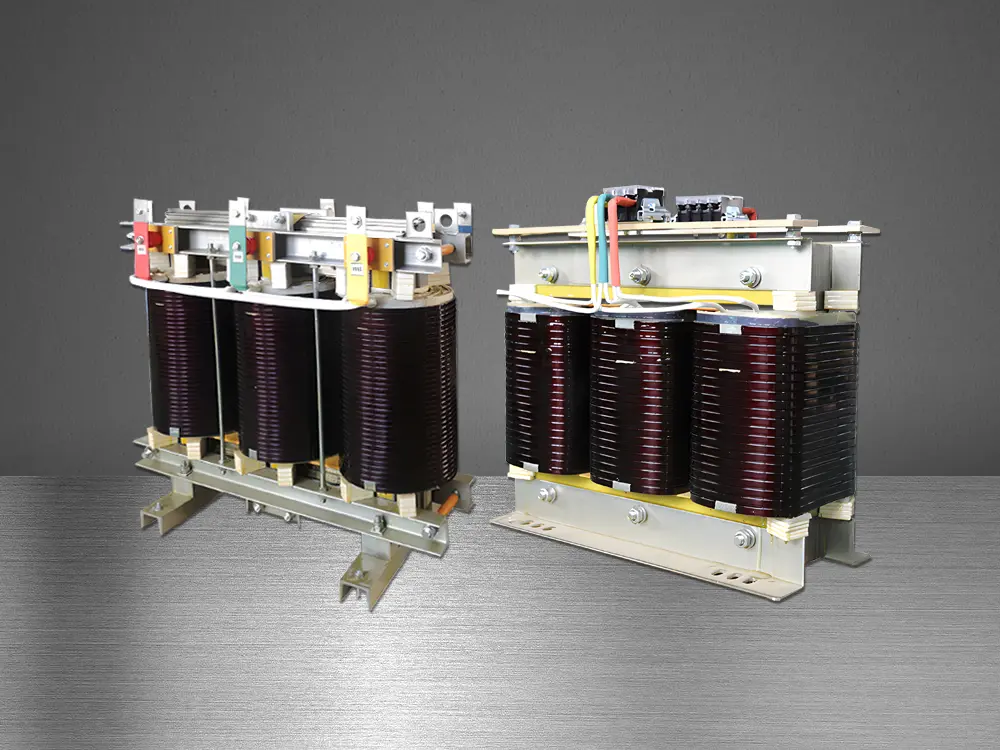 Three-Phase Isolation Transformer
 Control Transformer
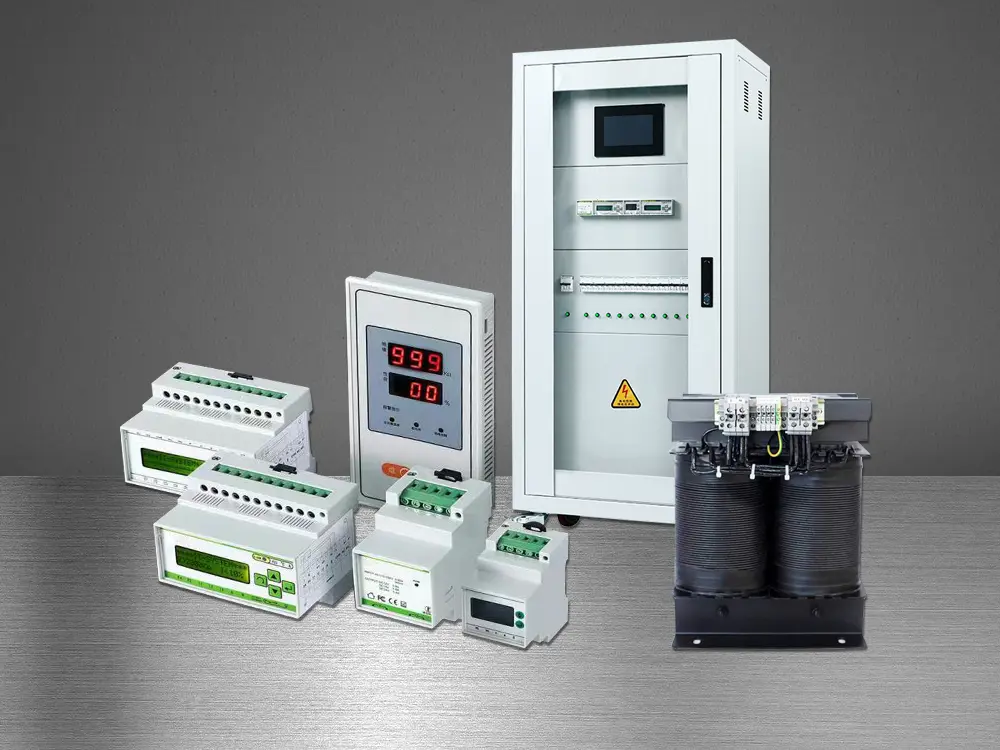 Medical IT Isolated Power System
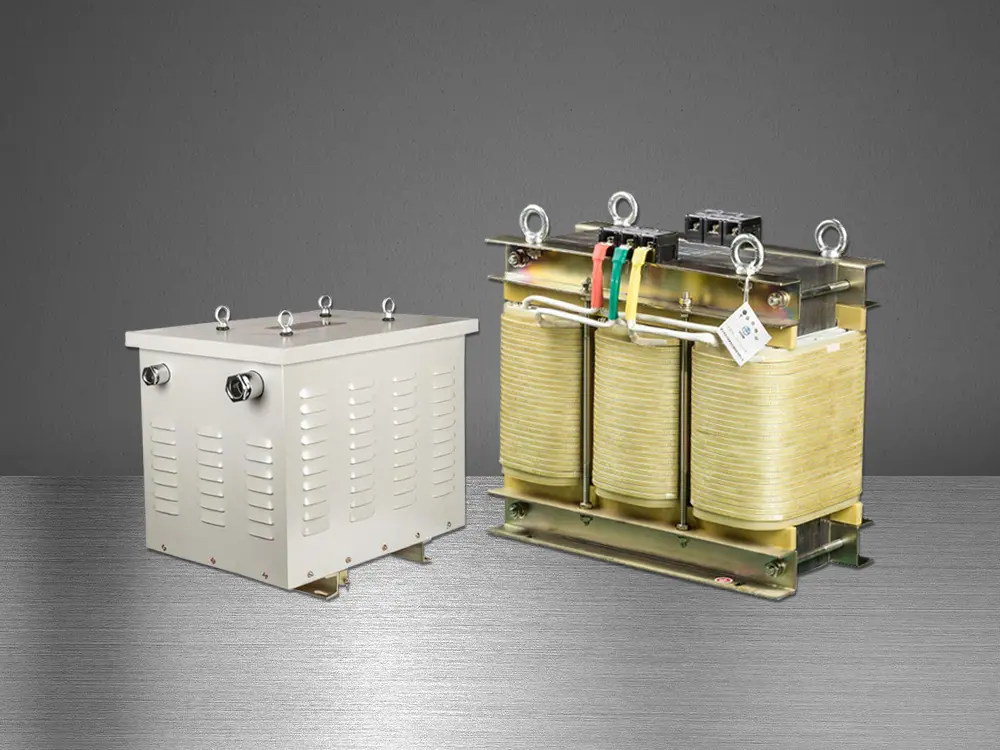 Marine Transformer
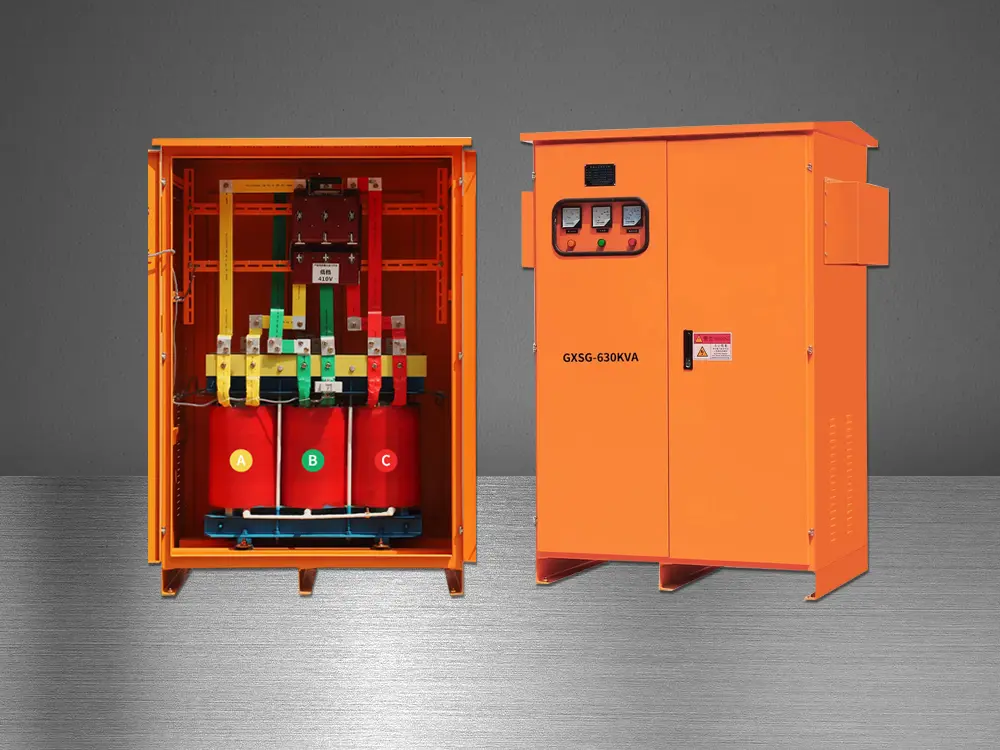 Tunnel Transformer
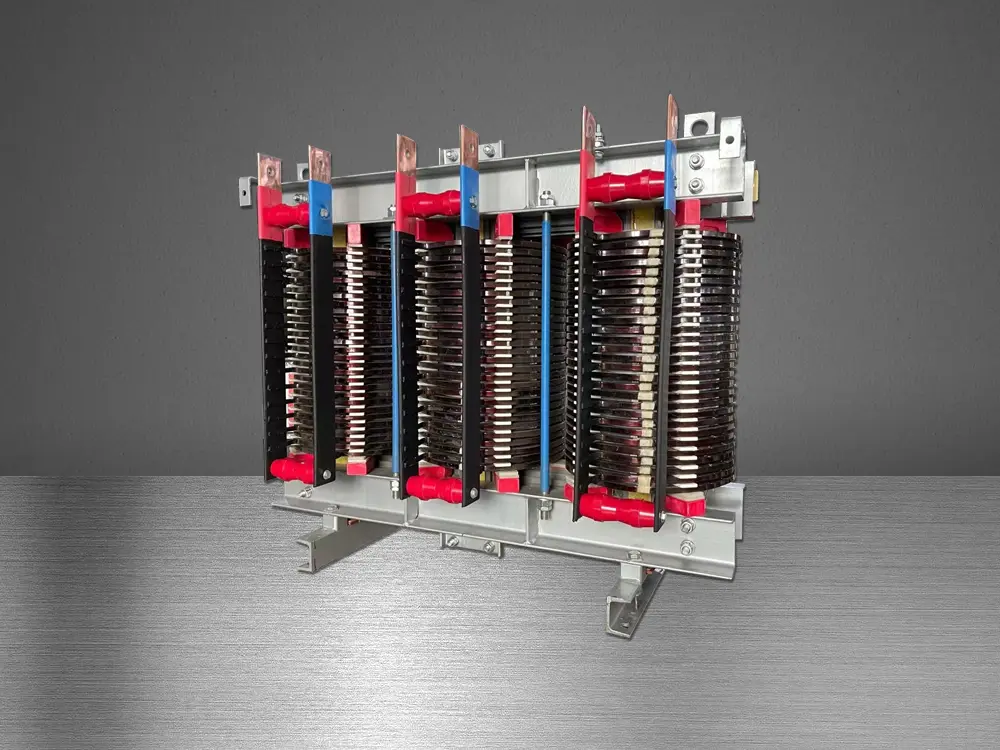 High Current Transformer
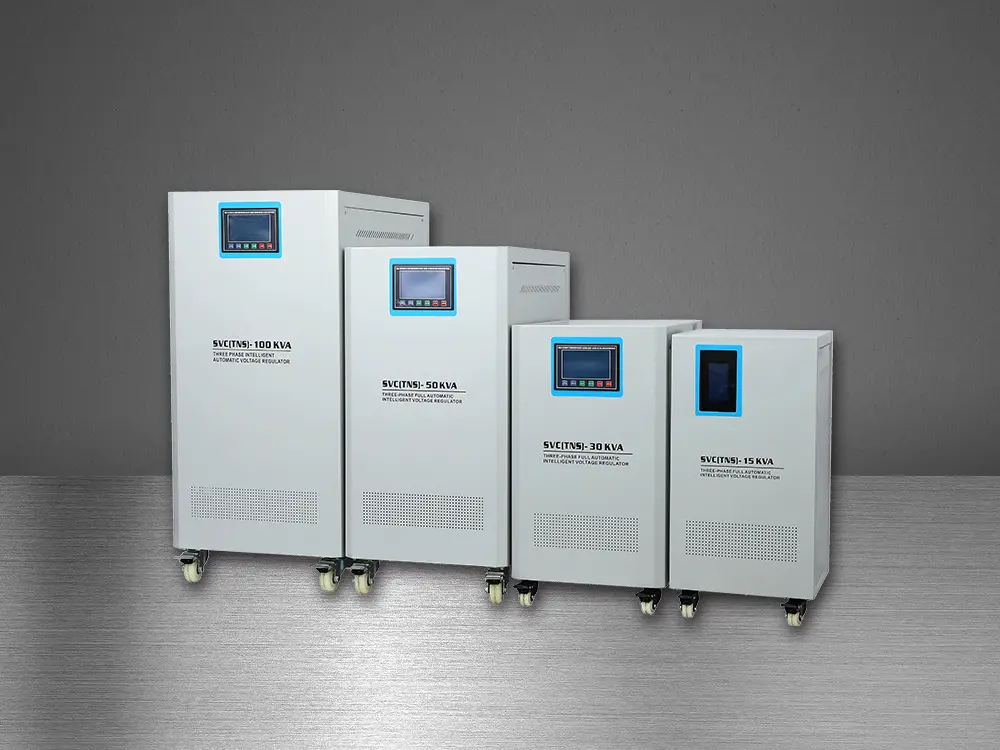 Automatic Voltage Regulator
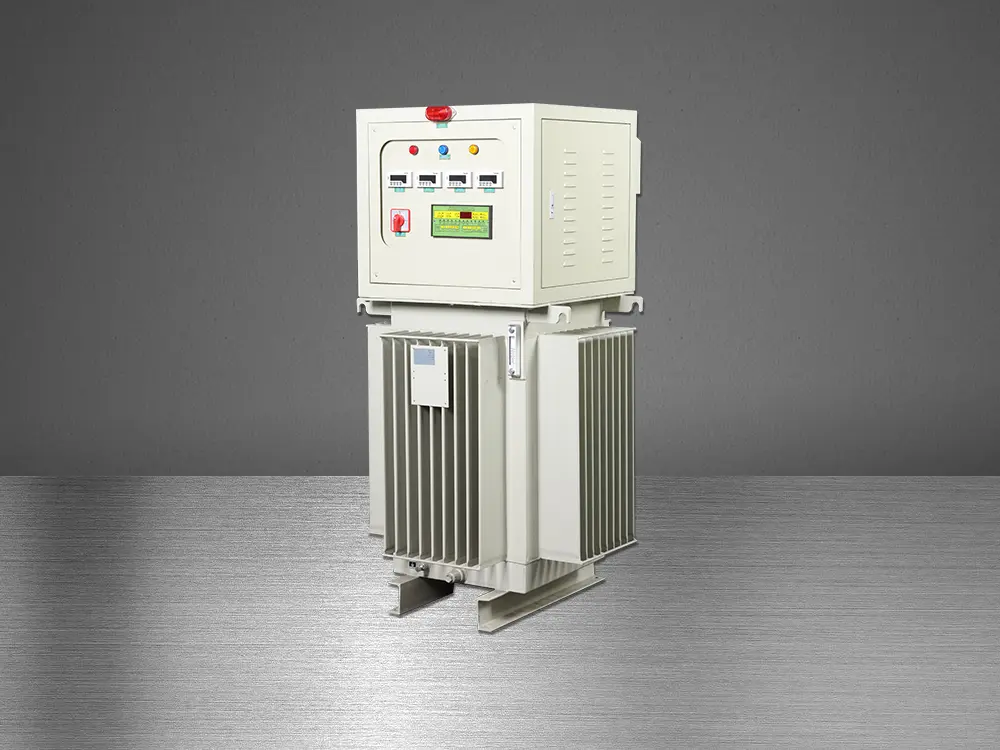 Oil Immersed Voltage Regulator