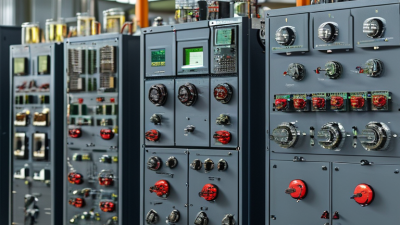
What is an Auto Voltage Controller and How Does it Work?
An Auto Voltage Controller (AVC) plays a critical role in modern electrical systems. It regulates voltage levels and ensures stability in power supply. Recent studies report that improper voltage levels can lead to significant equipment damage and energy losses. In fact, the global market for AVCs is expected to grow rapidly, with a projected increase of 7.5% annually through 2030.
AVCs work by automatically adjusting voltage output. This dynamic adjustment helps maintain optimal performance in electrical equipment. According to the International Energy Agency, voltage fluctuations can account for up to 20% of energy inefficiencies in industrial operations. Therefore, implementing effective AVCs is not just beneficial but necessary for energy conservation.
However, challenges remain. Some AVC models require regular maintenance to ensure reliability. Users must be aware of the potential for outdated technology. This creates a need for continual assessment and upgrades in systems. Overall, understanding the function and importance of Auto Voltage Controllers is vital for maximizing energy efficiency and enhancing the safety of electrical systems.
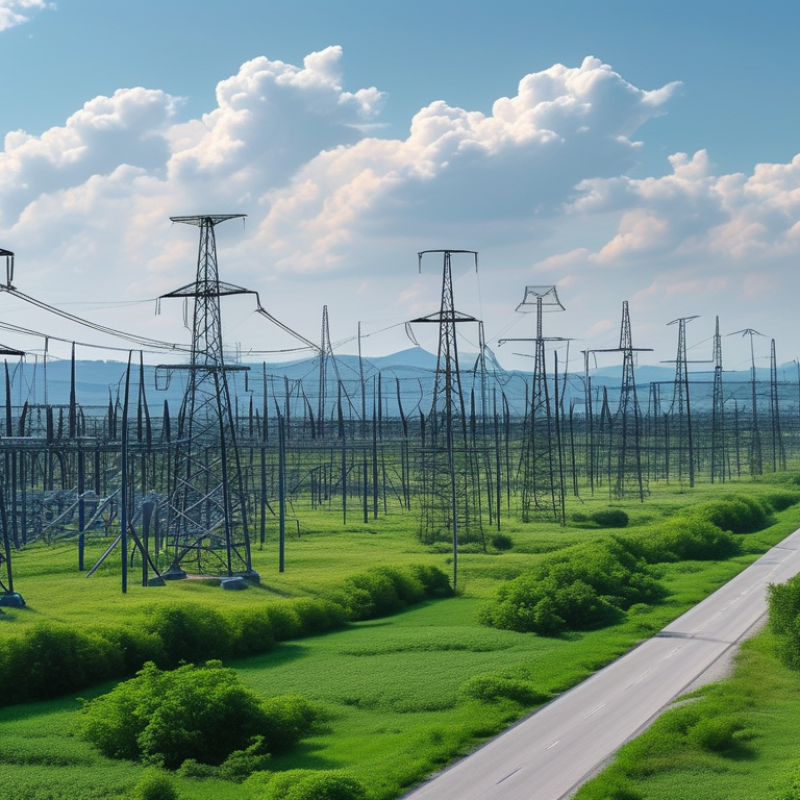
What is an Auto Voltage Controller?
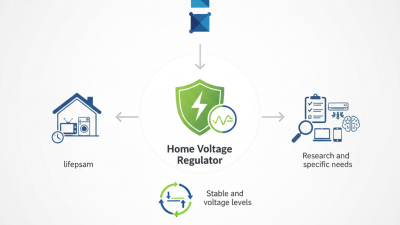
An Auto Voltage Controller (AVC) is a crucial device in electrical systems. It regulates voltage levels, ensuring a consistent supply. This stabilization is essential for sensitive equipment in homes, businesses, and industrial applications. The AVC instantly monitors voltage fluctuations, responding promptly to protect devices from potential damage.
How does it work? The AVC analyzes input voltage and compares it to a preset value. If fluctuations occur, it adjusts the voltage output. This adjustment can involve switching on or off additional power sources or using capacitors to buffer the voltage. The technology may seem simple, but achieving accuracy in real-time can be challenging. Minor errors may arise due to delays in response times or incorrect settings.
Real-world applications highlight the importance of AVCs. For instance, in a manufacturing facility, machines may malfunction when voltage levels are inconsistent. An AVC mitigates such risks, maintaining production efficiency. However, users must regularly check the AVC for proper functioning. Neglecting maintenance can lead to reduced reliability. Understanding the AVC's operation and care requirements is vital for optimizing performance.
Key Components of an Auto Voltage Controller
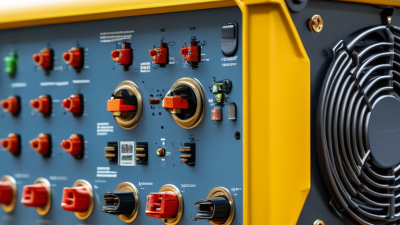
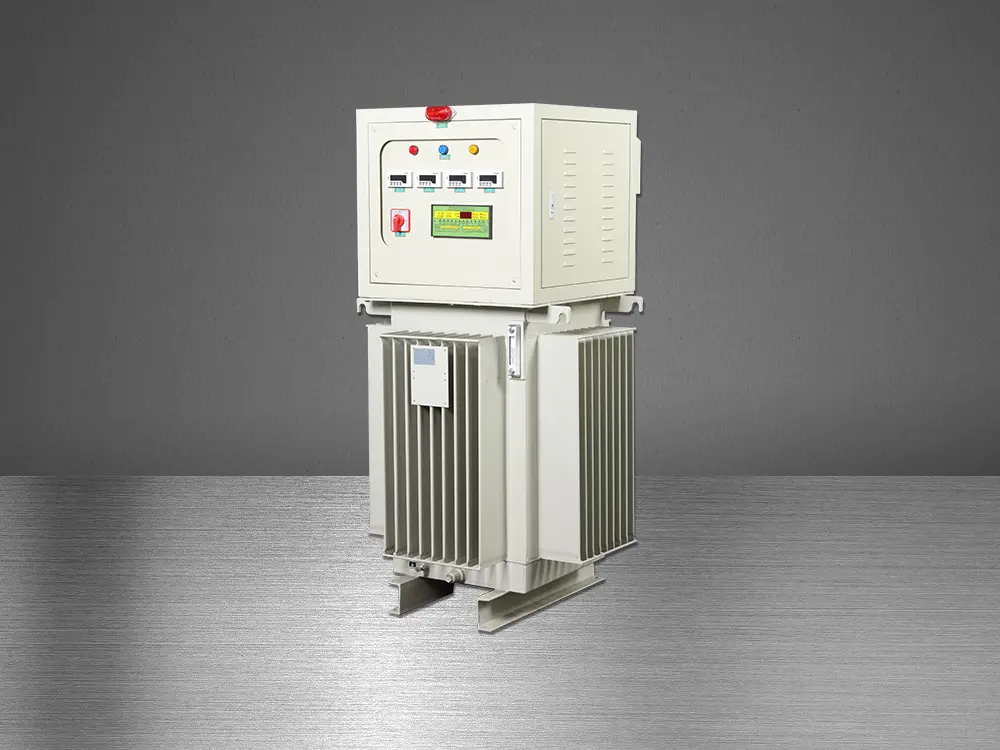
An auto voltage controller (AVC) is crucial for maintaining stable voltage levels in electrical systems. Understanding its key components helps in grasping how it functions effectively. The primary elements include voltage sensors, control circuits, and actuators. Voltage sensors continuously monitor the output voltage. They detect any fluctuation, ensuring the system operates within safe limits.
The control circuit is where the real magic happens. It processes data from the sensors and decides the necessary adjustments. This circuit must respond quickly to changes. If it fails to act swiftly, the entire power system can suffer, leading to potential equipment damage. Actuators then execute the adjustments by altering transformer taps or other mechanisms. Their efficiency directly affects the overall performance of the AVC.
Each part must work harmoniously. A weak link can result in inefficiency or even system failure. Over time, wear and tear can affect these components. Regular maintenance is vital, yet often overlooked. Relying solely on technology without proper checks can lead to bigger issues. The complexity of these systems invites both innovation and challenge in managing voltage levels effectively.
How an Auto Voltage Controller Works: A Step-by-Step Guide
An Auto Voltage Controller (AVC) is essential in managing electrical voltage levels. To understand how an AVC works, we can break it down into simple steps. The main function of an AVC is to stabilize the voltage provided to electrical equipment. It ensures that devices receive the correct voltage, which is crucial for safe operation.
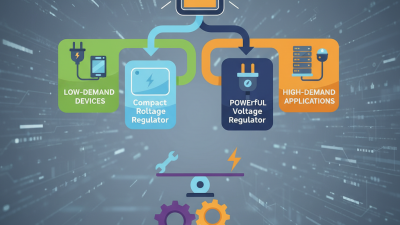
When electrical voltage fluctuates, the AVC senses these changes quickly. Sensors detect the incoming voltage level. If the voltage is too high or too low, the AVC takes action. It adjusts the output to the desired level. This adjustment can involve switching transformers or using electronic regulators. Each of these components aids in maintaining a stable voltage.
Real-life applications of AVCs highlight their significance. For instance, industrial equipment runs more efficiently with stable voltage. However, not all AVC systems are perfect. Some may struggle with rapid fluctuations or may not cover every voltage range. Regular maintenance and updates are necessary to optimize performance. Understanding these limitations is vital when considering an AVC system for your needs.
What is an Auto Voltage Controller and How Does it Work?
| Parameter |
Description |
Range/Value |
| Input Voltage |
The voltage supplied to the controller from the power source |
220V - 240V AC |
| Output Voltage |
The voltage adjusted and delivered to the load |
190V - 250V AC |
| Input Frequency |
The frequency of the supplied AC voltage |
50Hz - 60Hz |
| Regulation Speed |
The speed at which the controller can adjust the output voltage |
< 100ms |
| Load Capacity |
Maximum load that the controller can handle |
1kVA - 10kVA |
| Protection Features |
Safety features integrated to protect against overloads or surges |
Overload, Short Circuit, Surge Protection |
| Applications |
Common areas where auto voltage controllers are used |
Industrial Machines, Homes, Office Equipment |
Applications of Auto Voltage Controllers in Various Industries
Auto Voltage Controllers (AVCs) play a significant role across various industries, ensuring a stable power supply and reducing equipment damage. In manufacturing, for instance, AVCs protect machinery from voltage fluctuations. According to a report by the International Energy Agency, stable voltage increases the operational lifespan of industrial equipment by up to 30%. This not only lowers operational costs but also boosts productivity.
In the energy sector, AVCs enhance grid reliability. The Electric Power Research Institute notes that these devices prevent voltage sags and swells, which can lead to system failures. By maintaining consistent voltage levels, AVCs also improve the efficiency of renewable energy sources. Wind and solar farms benefit from AVC technology, allowing them to maximize power quality and stability.
Tips: Regular maintenance of AVCs is essential. This ensures they operate effectively, preventing costly downtime. Also, consider the installation of advanced monitoring systems. They provide insights into voltage performance and can highlight potential issues before they escalate. Even with advanced technology, occasional failures can occur, emphasizing the need for continuous improvement in AVC systems.
Applications of Auto Voltage Controllers in Various Industries
Benefits of Using an Auto Voltage Controller in Electrical Systems
Auto Voltage Controllers (AVCs) are essential for maintaining voltage stability in electrical systems. They automatically adjust voltage levels, ensuring efficient energy usage and protecting devices. According to a report by the International Energy Agency (IEA), nearly 30% of energy losses occur due to voltage fluctuations. This highlights the importance of AVCs in minimizing waste.
One significant benefit of AVCs is their capacity to protect sensitive equipment. Fluctuating voltages can damage appliances and industrial machinery. A study from the Electrical Power Research Institute (EPRI) indicates that electrical equipment can experience a lifespan reduction of up to 50% due to poor voltage regulation. With an AVC, users can mitigate such risks, promoting operational efficiency.
Moreover, AVCs contribute to overall energy savings. By stabilizing voltage, they can enhance the performance of electrical systems, leading to lower utility bills. Research indicates that implementing AVCs can yield energy savings of 10% to 20%. This reduction not only benefits end-users but also serves to decrease environmental impacts linked to energy consumption.

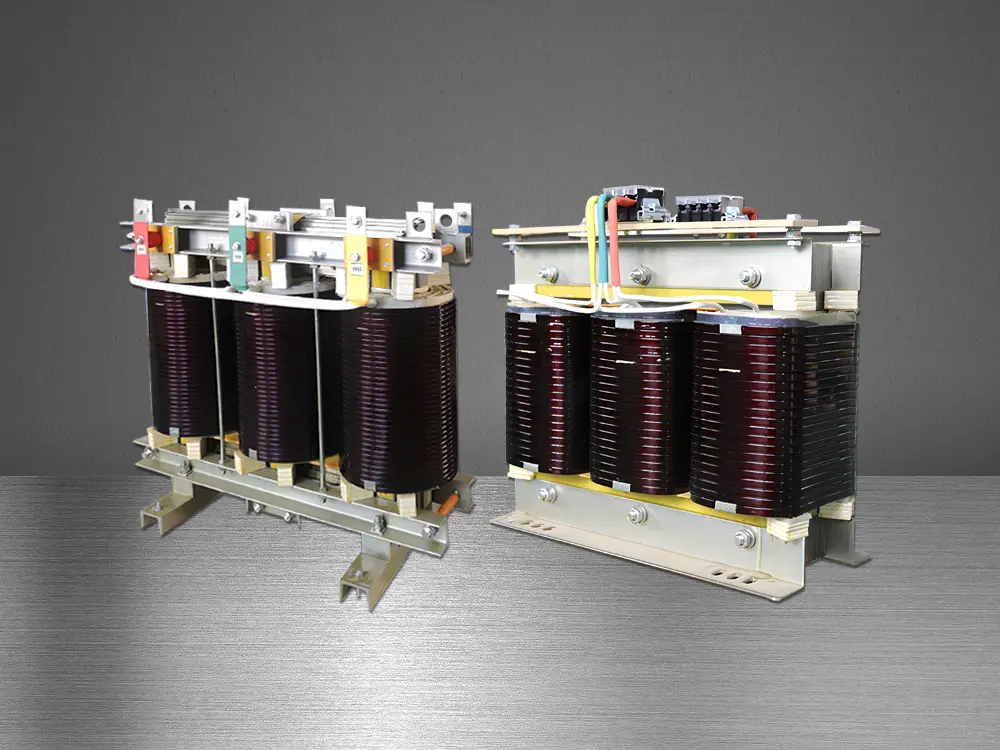 Three-Phase Isolation Transformer
 Control Transformer
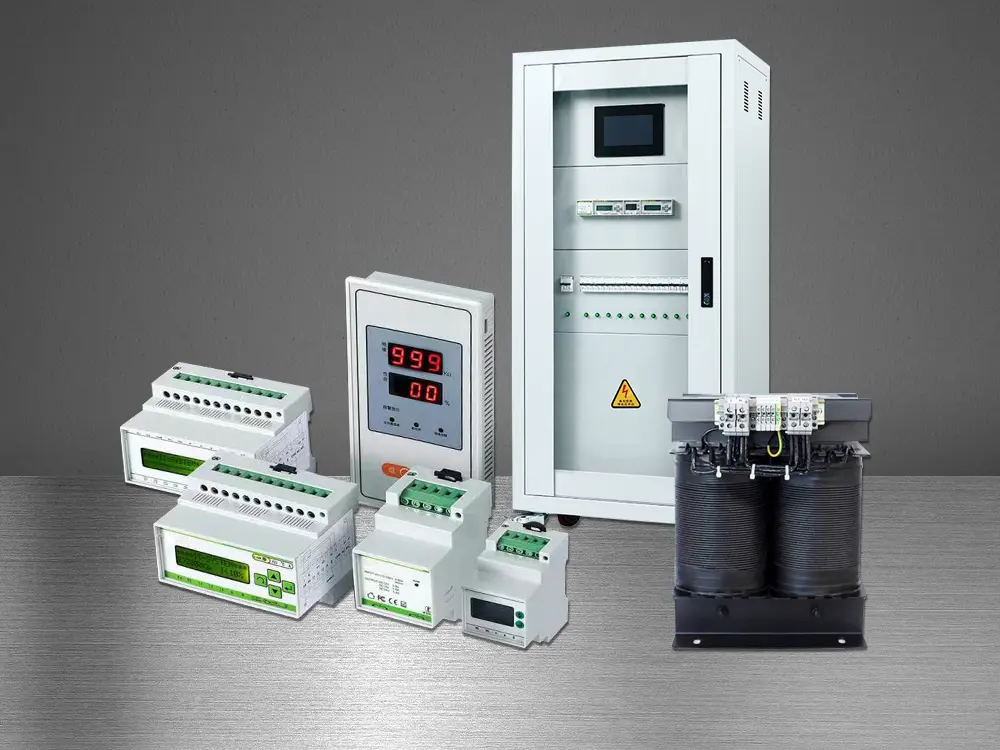 Medical IT Isolated Power System
 Marine Transformer
 Tunnel Transformer
 High Current Transformer
 Automatic Voltage Regulator
 Oil Immersed Voltage Regulator