Leave Your Message

Why Choose a Single Phase Wye Transformer?

Why Choose a Single Phase Wye Transformer?

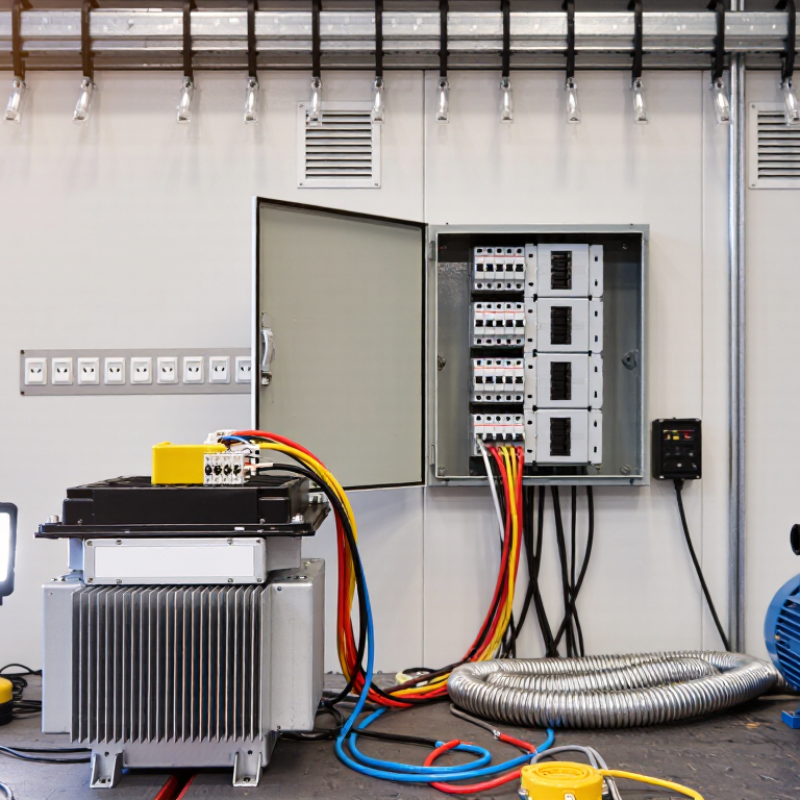
Choosing a Single Phase Wye Transformer begins with the load, not the label. In field applications, this configuration can supply line-to-neutral power for lighting, controls, and small equipment. Its grounded neutral also creates a clear reference point for protection and measurement. Picture a workshop panel with 120-volt receptacles, a 240-volt motor, and sensitive control wiring. A properly selected transformer can serve these loads from one compact source.

John J. Winders Jr., a respected transformer engineer and author, wrote, “A transformer is a static device that transfers electrical energy from one circuit to another by electromagnetic induction.” That principle remains simple, but installation decisions are not. Engineers must check voltage ratios, kVA capacity, impedance, temperature rise, enclosure type, and available fault current. Neutral loading matters. So does grounding.

Small details can become expensive problems. An undersized unit may run hot during afternoon production peaks. An unbalanced load can increase neutral current and reduce performance. Harmonic-producing equipment may require additional review. This is where practical experience helps. A Single Phase Wye Transformer is not automatically the best choice for every facility. It may be an excellent fit for distributed loads, rural buildings, control systems, and compact commercial panels. Yet the design can still fail if ventilation, bonding, or maintenance access is overlooked.

A qualified electrical professional should verify the installation against applicable local codes and manufacturer instructions. The final decision should match real operating conditions, not only a catalog specification.
Why Choose a Single Phase Wye Transformer?

## What Is a Single-Phase Wye Transformer?

Why Choose a Single Phase Wye Transformer?

What Is a Single-Phase Wye Transformer?

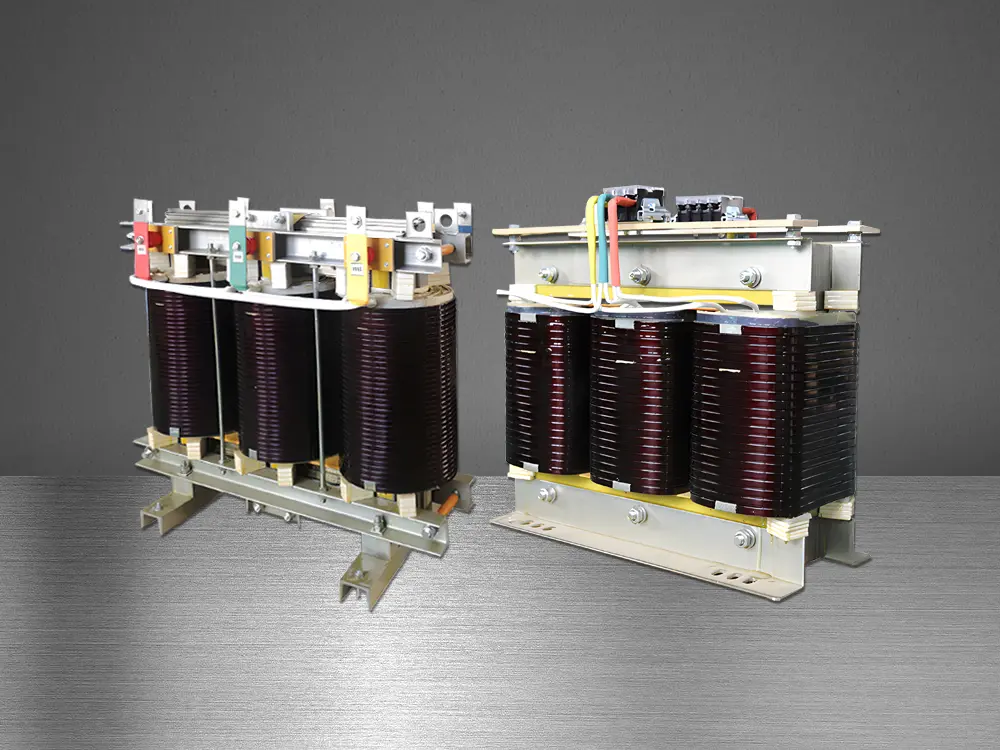
A single-phase wye transformer usually refers to a single-phase transformer used within a wye-connected three-phase system. In this arrangement, one end of each winding connects to a common neutral point. The other ends connect to separate line conductors. This design supports line-to-neutral loads and can provide a stable reference for voltage measurement.

The terminology can feel confusing. A truly single-phase transformer has one primary and one secondary circuit. A complete wye arrangement normally uses three transformer units or a three-phase transformer with wye-connected windings. This distinction matters during equipment selection, wiring, and maintenance. It is easy to assume that “wye” describes one standalone unit. That assumption is not always right.

In practical installations, engineers check rated voltage, frequency, kVA capacity, impedance, insulation class, and neutral grounding requirements. For example, a 480-volt line-to-line system provides approximately 277 volts line-to-neutral in a balanced wye configuration. Actual readings may vary with load imbalance and system conditions. Never rely on a label alone. Verify the nameplate and wiring diagram.

Tips: Confirm whether the specification describes one transformer or a complete transformer bank. Inspect neutral connections carefully. Loose terminals can create heat, noise, and unstable voltage. A qualified electrician should perform testing before energizing the equipment. I would also review the load balance again; small assumptions can become expensive problems.
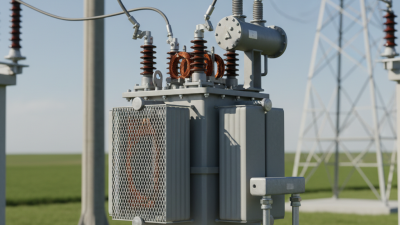
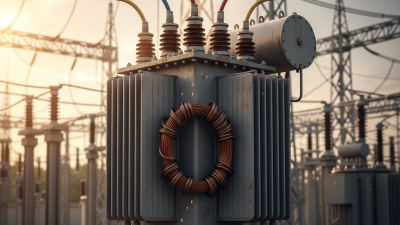
Why Choose a Single-Phase Wye Transformer?

A wye-connected secondary can supply both line-to-line voltage and lower line-to-neutral voltage, making it practical for mixed single-phase loads and improved voltage flexibility.

The chart shows common nominal wye system voltages. In a balanced wye connection, line-to-neutral voltage equals line-to-line voltage divided by √3. For example, a 480Y/277 V system provides approximately 277 V from each line to neutral while maintaining 480 V between lines.

## How the Wye Connection Works

Why Choose a Single Phase Wye Transformer?

A single phase wye transformer uses a star-shaped winding arrangement with a defined neutral point. This connection provides a stable path for line-to-neutral voltage. In practical installations, technicians can connect one load between a phase conductor and neutral. The result is often a lower, useful voltage for lighting, controls, and small equipment. A typical three-phase system supplies about 277 volts line-to-neutral from a 480-volt line-to-line supply. The relationship is approximately line voltage divided by the square root of three. That detail matters during design.

The neutral point can also support grounding and improve fault-current management when engineered correctly. In a factory panel, this may simplify control circuits while larger motors use line-to-line power. Balanced loading remains important. Uneven loads can produce neutral current, extra heating, and voltage imbalance. I have seen small installation errors become noticeable through flickering lamps and warm terminals. Wye is not automatically the best choice. Engineers must check load ratings, grounding methods, available fault current, and local electrical requirements. The neutral conductor also needs proper sizing; assuming it carries no current is a risky shortcut. Field measurements should confirm phase voltage, neutral stability, and connection integrity after energizing. Even careful designs deserve a second look.

## Key Electrical and Safety Advantages

Why Choose a Single Phase Wye Transformer?

Key Electrical and Safety Advantages

A single phase wye transformer can provide a clear neutral reference for suitable distribution systems. This arrangement supports line-to-neutral loads with predictable voltage. Technicians can identify the neutral conductor more easily during testing. That clarity reduces wiring errors in crowded panels. It also helps sensitive equipment receive a steadier supply when loads are properly selected.

Grounding is another practical advantage. A correctly designed wye point can connect to the grounding system under approved installation practices. During a fault, this reference may help protective devices detect abnormal current faster. Faster detection can limit conductor heating and reduce equipment damage. Field inspections still require torque checks, insulation testing, and phase identification. A transformer does not replace careful workmanship.

The design can also simplify voltage conversion for lighting, controls, and small motors. A properly rated unit may reduce voltage drop across short distribution runs. However, load calculations remain essential. Wye connections do not automatically balance an installation. Uneven loads can shift the neutral current and create unwanted voltage variation. This is where some designs fall short. Engineers should review fault levels, harmonic loads, enclosure protection, and local electrical requirements before approval. Clear labeling and accessible disconnects make maintenance safer, especially where several circuits share one transformer.

## Common Applications and Installation Settings

Why Choose a Single Phase Wye Transformer?

Common Applications and Installation Settings

A single phase wye transformer suits sites needing stable line-to-neutral voltage. Its grounded neutral supports balanced lighting, receptacles, and small motor loads. The configuration also simplifies supplying 120/208 V or 277/480 V circuits. According to the U.S. Department of Energy’s Distribution Transformers Technical Support Document, transformer losses consume roughly 2.5% of national electricity use. Proper sizing therefore matters during every installation.

These transformers commonly serve apartment buildings, rural facilities, retail units, farms, and light industrial panels. They fit well where utility service is single phase or where several low-voltage branch circuits need a shared neutral. In a small workshop, for example, the transformer may feed LED lighting, control equipment, and a 120 V maintenance outlet. Field installation records often show better performance when phase loading is checked with a clamp meter, not guessed from panel labels.

A grounded wye point can improve fault detection and voltage stability. However, it is not a cure for poor grounding. The IEEE 142 grounding guide stresses that bonding, conductor sizing, and fault-current paths require coordinated design. The National Electrical Code also requires working clearances, overcurrent protection, and accessible disconnecting means. Installation space is often underestimated. That mistake complicates heat dissipation and later maintenance. Engineers should verify inrush current, ambient temperature, harmonic loads, and available fault current before approval. Some projects still specify capacity by connected load alone, which deserves reconsideration.

Why Choose a Single Phase Wye Transformer? - Common Applications and Installation Settings
Application or Installation Setting Typical Electrical Arrangement Common Load Types Why a Wye Connection Is Useful Typical Installation Considerations
Residential and Small Commercial Buildings Single-phase secondary with a neutral point; commonly used for low-voltage branch circuits. Lighting, receptacles, small appliances, control panels, and electronic equipment. Provides a convenient neutral reference for line-to-neutral loads and supports balanced voltage distribution. Install the neutral and grounding conductors according to the applicable electrical code. Provide overcurrent protection on the primary and secondary sides where required.
Industrial Control Panels Control-power transformer with a grounded or grounding-capable secondary neutral. Relays, contactors, sensors, PLC power supplies, pilot lights, and control circuits. Offers a stable reference point that can simplify control-circuit design and troubleshooting. Confirm the control voltage, VA rating, inrush requirements, short-circuit rating, and required secondary grounding method before installation.
Data and Communications Rooms Low-voltage single-phase supply feeding dedicated equipment circuits. Network switches, monitoring systems, security equipment, and small uninterruptible power systems. Supports a defined neutral reference and can help organize dedicated single-phase distribution. Use appropriate bonding, grounding, surge protection, ventilation, and separation from sources of electromagnetic interference.
Lighting Distribution Systems Single-phase secondary with line-to-neutral lighting circuits. LED drivers, fluorescent lighting, emergency lighting, and exterior lighting controls. Allows lighting circuits to use a neutral conductor, helping reduce the need for separate phase-to-phase supplies. Check compatibility with electronic drivers, dimming systems, harmonic current levels, and the transformer's continuous loading capability.
Remote Facilities and Utility Buildings Compact single-phase transformer supplied from a single-phase distribution feeder. Pumps, heaters, lighting, receptacles, battery chargers, and monitoring devices. Can provide practical low-voltage service where three-phase infrastructure is unavailable or unnecessary. Consider enclosure rating, ambient temperature, altitude, weather exposure, wildlife protection, access clearance, and local utility requirements.
Agricultural and Pumping Installations Single-phase secondary supplying distributed loads and motor-control equipment. Small water pumps, ventilation fans, lighting, feeding systems, and agricultural controls. Provides a neutral-based supply for mixed lighting, receptacle, and control loads. Protect equipment from moisture, dust, corrosive atmospheres, vibration, and motor starting currents. Verify that motor loads do not exceed transformer capacity.
Construction and Temporary Power Systems Portable or temporary single-phase transformer with a low-voltage secondary. Hand tools, temporary lighting, chargers, small pumps, and site offices. Provides a clearly referenced low-voltage supply for temporary circuits and portable equipment. Use suitably rated enclosures, flexible cables, ground-fault protection where required, secure mounting, and protection against mechanical damage.
Maintenance and Service Workshops Single-phase distribution with a neutral conductor for general-purpose circuits. Workbenches, portable tools, battery chargers, test instruments, and task lighting. Supports common line-to-neutral loads while keeping the transformer arrangement relatively simple. Allow sufficient ventilation and working space. Account for simultaneous tool operation and the high starting current of inductive equipment.
Medical, Laboratory, and Technical Equipment Areas Dedicated low-voltage supply with a controlled neutral and grounding arrangement. Analyzers, laboratory instruments, monitoring equipment, and specialized workstations. Provides a predictable supply reference that may help meet equipment-specific power-quality requirements. Follow the facility's power-quality, isolation, leakage-current, grounding, and emergency-power requirements. Equipment specifications take priority over general arrangements.
Replacement of Existing Single-Phase Transformers New transformer matched to the existing primary and secondary connection arrangement. Existing building services, control circuits, lighting, or dedicated equipment. A compatible wye secondary can simplify replacement where a neutral-based distribution system already exists. Verify primary voltage, secondary voltage, frequency, kVA rating, impedance, phase relationship, grounding method, enclosure type, and available fault current before replacement.

## Factors to Consider Before Choosing One

Why Choose a Single Phase Wye Transformer?

Factors to Consider Before Choosing One

A single phase wye transformer can simplify low-voltage distribution in buildings, workshops, and small commercial systems. Its neutral point supports line-to-neutral loads and can improve voltage balance when the load is arranged carefully. That convenience is useful. However, it is not automatically the best choice.

Start with the expected load profile. List motors, lighting, controls, and sensitive electronics separately. Check their starting current, operating voltage, and daily duty cycle. A transformer rated only for average demand may overheat during motor startup. Allow practical spare capacity for future equipment, but avoid excessive oversizing. Large unused capacity can increase cost and reduce efficiency.

Grounding and neutral design deserve close attention. Confirm whether the system needs a grounded neutral, and coordinate the transformer with the facility’s protection equipment. Local electrical requirements must guide the installation. Harmonic-producing equipment, such as variable-speed drives, may require additional evaluation. Temperature, ventilation, enclosure rating, noise, and available floor space also matter. A quiet indoor unit may perform poorly in a dusty, hot room. Field checks are valuable here; drawings sometimes miss cable length or real airflow. I have seen simple selections become expensive after installation because these details were assumed rather than measured. A qualified engineer should verify fault levels, conductor sizing, and protective-device coordination before energizing the transformer.