What is a Universal Automatic Voltage Stabilizer and How Does It Work?
In today’s world, reliable power supply is critical for both homes and businesses. Fluctuating voltage levels can cause damage to electronic devices and appliances. This is where a Universal Automatic Voltage Stabilizer comes into play. It functions by regulating voltage fluctuations, ensuring that the output remains stable.
A Universal Automatic Voltage Stabilizer operates automatically. It detects voltage changes and corrects them quickly. This technology protects sensitive equipment from surge damages. Using such a stabilizer can significantly extend the lifespan of your appliances. Understanding its mechanics helps to appreciate its importance in daily life.
There are various types of voltage stabilizers available. Each differs in capacity and price. Some users may find it challenging to select the right one. Poor choices can lead to insufficient protection or inefficiencies. Seeking expert advice can be beneficial. As technology evolves, it’s crucial to stay informed about the latest advancements in voltage stabilization.
What is a Universal Automatic Voltage Stabilizer?
A Universal Automatic Voltage Stabilizer (UAVS) is a device designed to maintain consistent voltage levels for electrical equipment. These stabilizers play a crucial role in modern electrical systems. They protect appliances from voltage fluctuations, which can cause damage or reduce efficiency. According to industry reports, nearly 25% of electrical devices malfunction due to improper voltage levels.
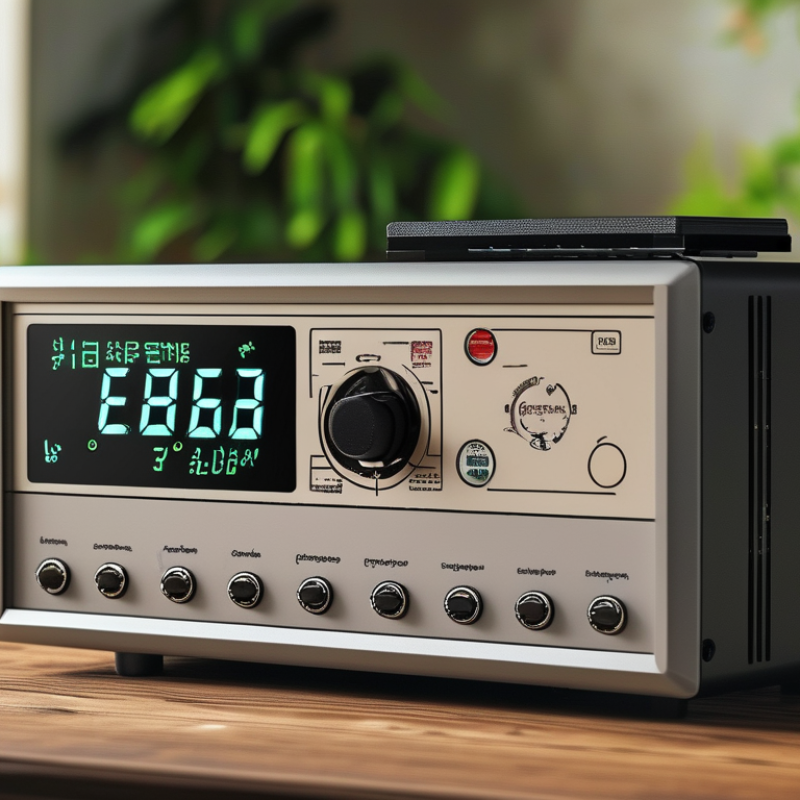
The UAVS operates by monitoring voltage input and output. When it detects irregularities, it adjusts the voltage to a stable level. This process involves both automatic and manual settings, allowing for flexibility based on specific requirements. Many models are equipped with LCD displays to show real-time voltage levels, making it easier for users to track performance.
Despite their advantages, not all stabilizers are equally effective. Some low-cost models may not provide adequate protection against severe power surges. Additionally, while a stabilizer can protect against short-term fluctuations, it may struggle with long-lasting voltage drops. Users should carefully assess their needs and consider the specifications before purchase. This reflects the importance of making informed decisions in an effort to ensure the longevity of expensive electrical equipment.
Voltage Variations and Stabilization Impact
Key Components of Universal Automatic Voltage Stabilizers
Universal Automatic Voltage Stabilizers (UAVS) play a crucial role in safeguarding electrical devices. Their effectiveness largely hinges on key components that enable smooth operation. The primary elements include
transformers, control circuits, and output conditioning systems. Each component works in harmony to regulate output voltage and minimize fluctuations.
Transformers in UAVS are designed to handle varying loads. They adjust voltage levels based on real-time conditions. For instance, in environments with significant power demand shifts, transformers ensure consistent voltage supply. According to
industry reports, up to 30% of electrical equipment failures result from voltage fluctuations. This highlights the importance of
robust transformer design.
Control circuits detect voltage anomalies. These circuits activate stabilization mechanisms, providing immediate responses to fluctuations. Capacitors and inductors are also essential, filtering noise and improving overall power quality. A study revealed that using
high-quality capacitors can extend equipment lifespan by over 20%. However, it's essential to regularly evaluate these components to ensure optimal performance and to address potential weaknesses in the voltage stabilization system.
How Universal Automatic Voltage Stabilizers Function
Universal Automatic Voltage Stabilizers (UAVS) play a crucial role in maintaining electricity quality. They automatically adjust voltage fluctuations, protecting sensitive equipment from damage. With the rise in electric demands, accurate voltage regulation is imperative. According to industry reports, nearly 30% of electrical disturbances affect equipment lifespan.
UAVS function through a combination of feedback mechanisms and voltage sensing technologies. By continuously monitoring input voltage, they react to deviations. For instance, if a sudden dip occurs, the stabilizer compensates instantly. This can prevent unexpected outages and costly repairs. Research indicates that proper voltage stabilization can improve equipment efficiency by up to 25%.
However, not all stabilizers function seamlessly. Users often encounter issues like response time lag or inadequate load handling. Regular maintenance and calibration are essential for optimal performance. The reliability of a stabilizer is measured in terms of its accuracy and longevity. Current industry standards stress that a voltage range within ±5% is ideal for electronic devices. This highlights the need for quality monitoring in electrical systems. Understanding these aspects can help end-users make informed choices.
Benefits of Using a Universal Automatic Voltage Stabilizer
A Universal Automatic Voltage Stabilizer (UAVS) is essential in today's power-driven world. Many households and businesses face voltage fluctuations that can damage appliances. A UAVS ensures a consistent voltage supply, safeguarding equipment and enhancing performance.
The benefits of using a UAVS are substantial. According to industry reports, voltage instability can reduce device longevity by up to 30%. This means that investing in a stabilizer can save costs on repairs and replacements. Moreover, the smooth operation of electrical equipment leads to increased efficiency, translating into energy savings. The National Electrical Manufacturers Association (NEMA) reported that stabilizers can improve energy efficiency by an average of 10-15%.
In addition, a UAVS can mitigate the risk of electrical fires. Studies indicate that voltage irregularities contribute to a significant percentage of electrical malfunctions. Thus, a stabilizer not only protects devices but also enhances safety. Despite these advantages, some users question the initial investment and ongoing maintenance of a UAVS. A thoughtful evaluation of long-term benefits versus short-term costs can lead to better decision-making. Ultimately, understanding these points is crucial for anyone considering a power solution.
What is a Universal Automatic Voltage Stabilizer and How Does It Work? - Benefits of Using a Universal Automatic Voltage Stabilizer
| Feature |
Description |
Benefits |
| Voltage Regulation |
Maintains a stable output voltage despite fluctuations in input. |
Reduces wear on electrical devices and enhances performance. |
| Automatic Operation |
Adjusts voltage levels automatically without manual intervention. |
Convenient and user-friendly operation. |
| Surge Protection |
Protects connected devices from voltage surges and spikes. |
Prolongs the lifespan of appliances and electronics. |
| Energy Efficiency |
Optimizes energy usage by maintaining optimal voltage levels. |
Can lead to cost savings on electricity bills. |
| Compact Design |
Space-saving and easy to integrate into any environment. |
Great for home and office setups with limited space. |
Common Applications of Universal Automatic Voltage Stabilizers
Universal Automatic Voltage Stabilizers (UAVS) play a crucial role in various applications. These devices ensure that electrical systems receive stable voltage, which is key in many sectors. For instance, in manufacturing, fluctuating voltages can lead to equipment malfunctions. According to industry data, nearly 30% of electrical failures are due to voltage instability. UAVS can significantly reduce these risks, increasing overall reliability in production lines.
In residential areas, UAVS are beneficial as well. They can protect sensitive electronics, such as computers and home appliances. A report by the Energy Management Association indicates that about 60% of homeowners experience voltage fluctuation at least once a month. These fluctuations can damage appliances, leading to costly repairs. Implementing UAVS can not only prevent this but also enhance energy efficiency, promoting sustainable practices.
Furthermore, in health facilities, stable voltage is critical. Medical equipment relies heavily on consistent power to function correctly. Any voltage dips can disrupt operations, impacting patient care. Some estimates suggest that voltage anomalies may account for up to 20% of operational downtime in hospitals. Using UAVS helps ensure that this vital equipment operates smoothly. However, reliance on these systems doesn't eliminate the need for regular maintenance checks, highlighting a balance that must be struck for optimal performance.

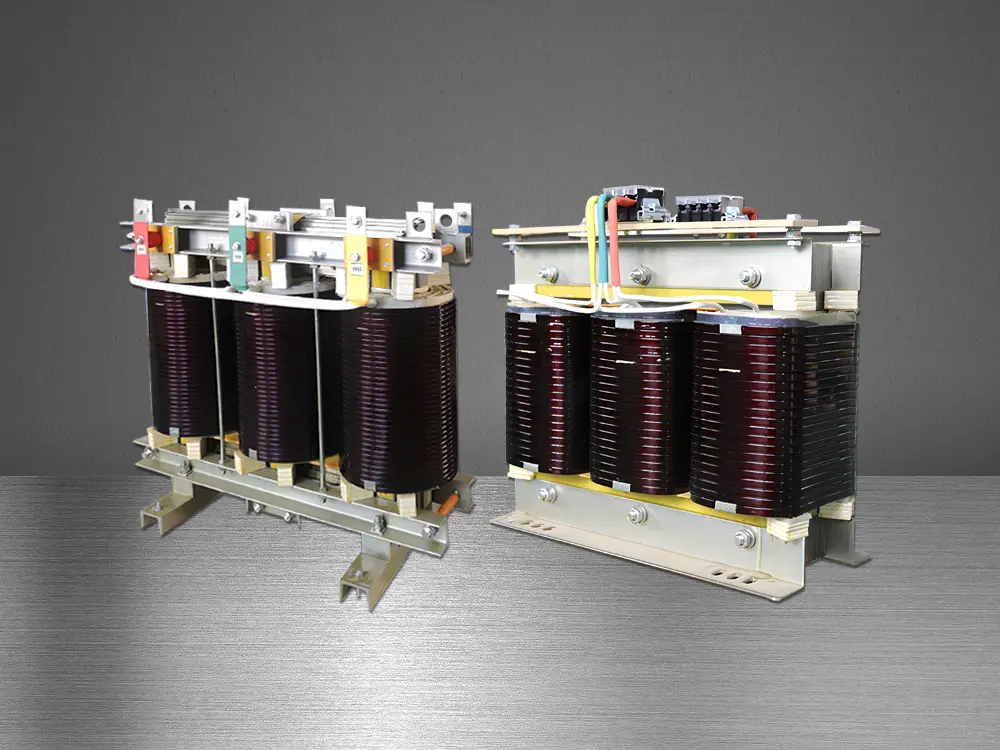 Three-Phase Isolation Transformer
 Control Transformer
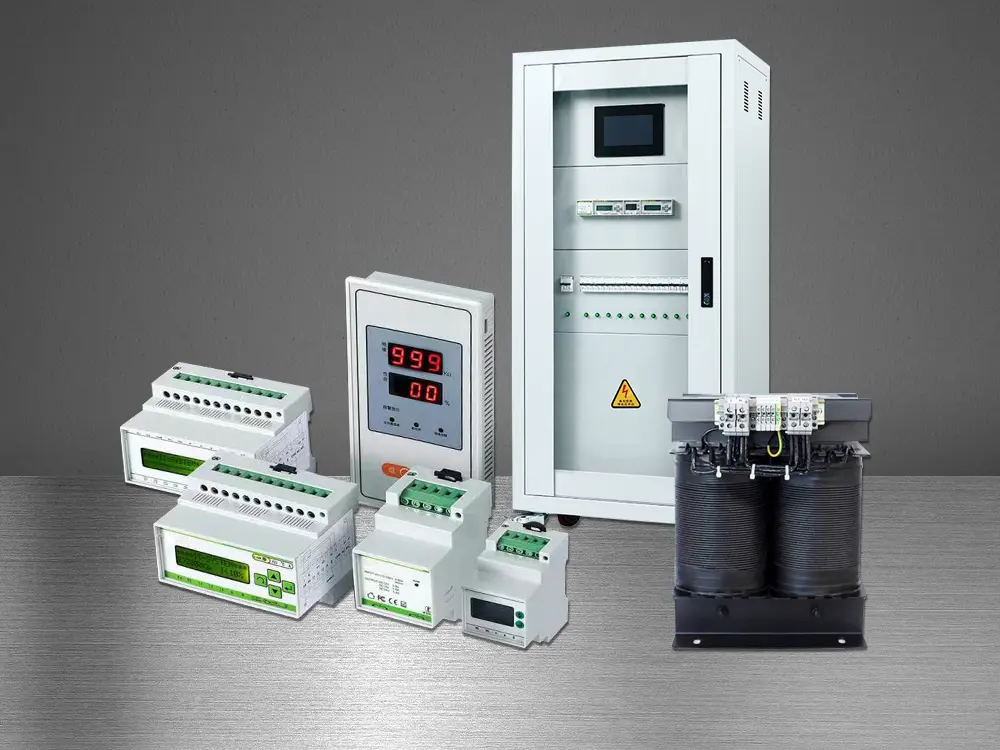 Medical IT Isolated Power System
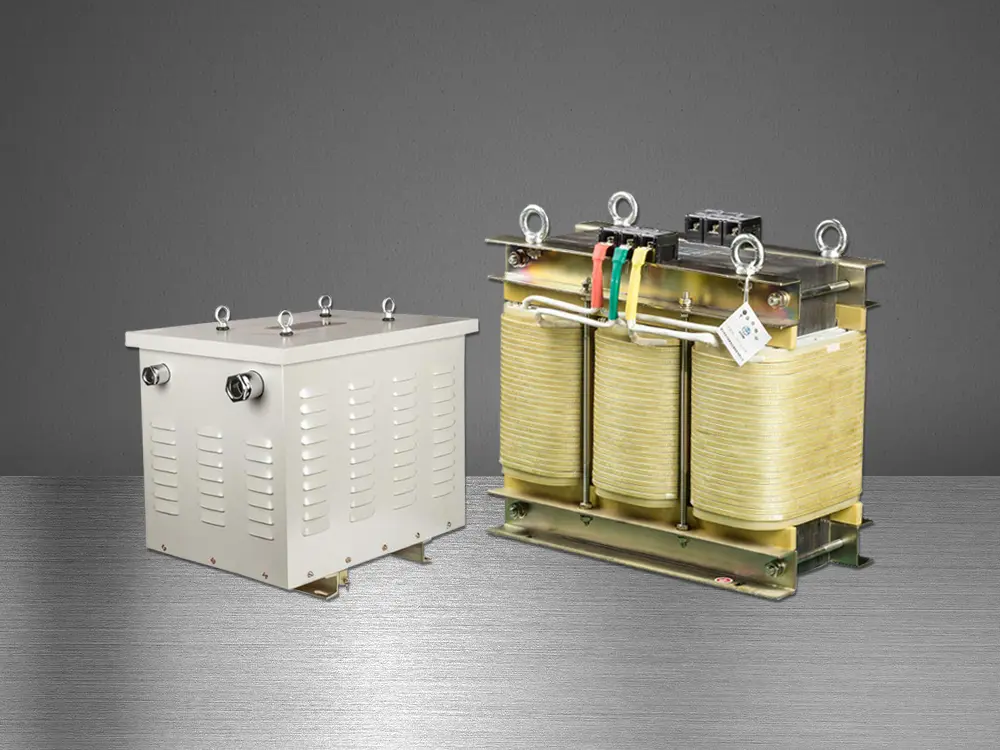 Marine Transformer
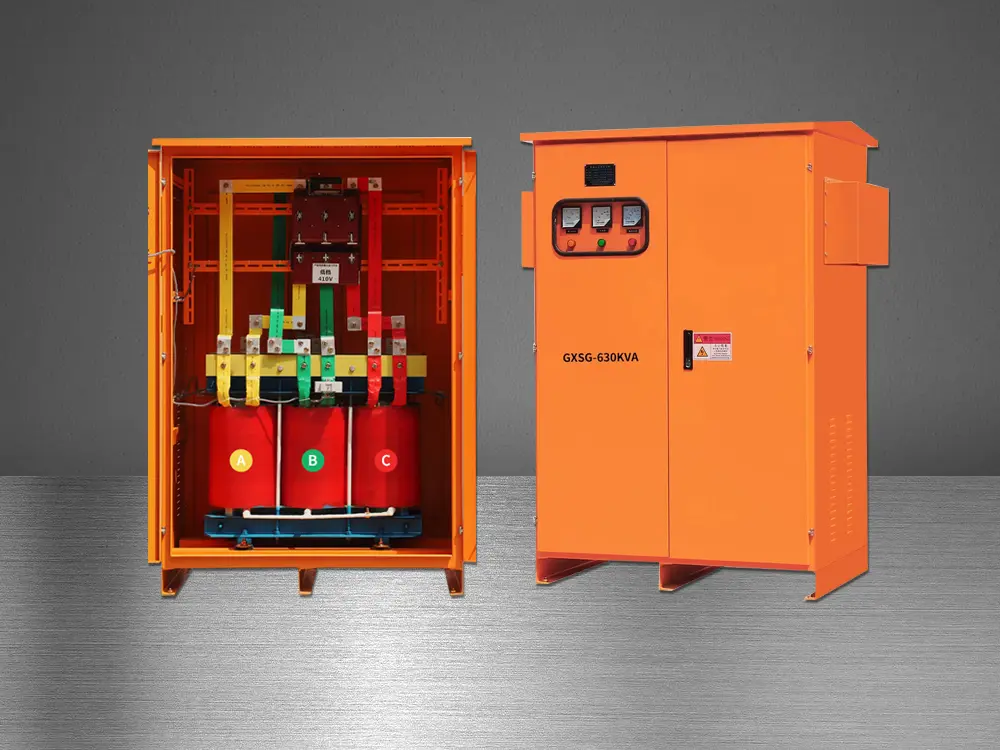 Tunnel Transformer
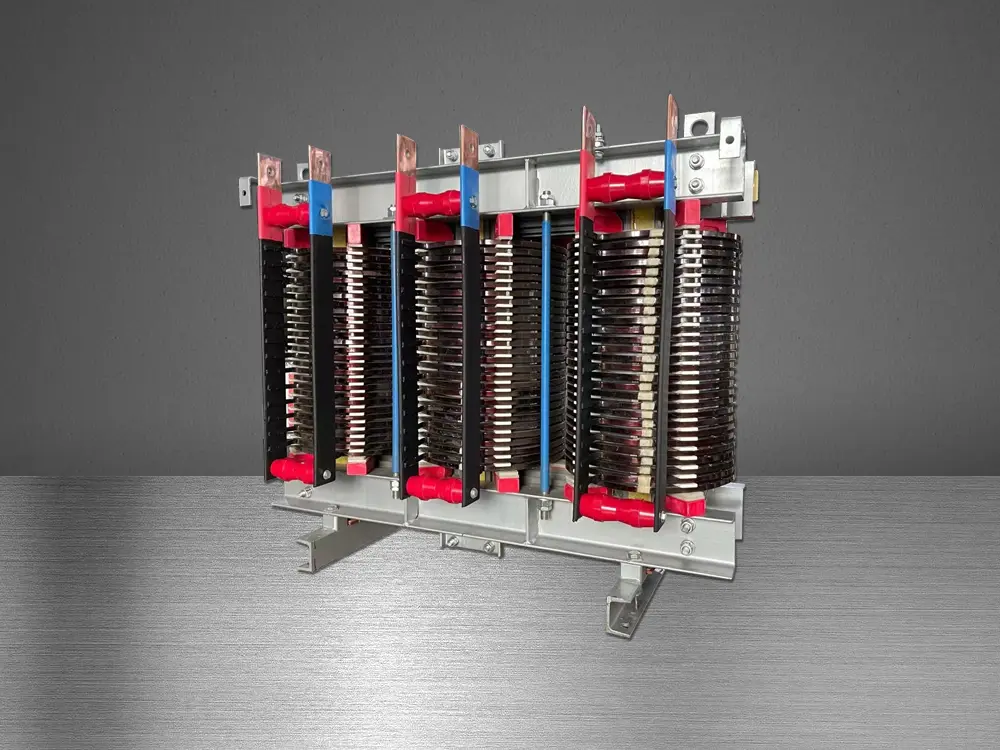 High Current Transformer
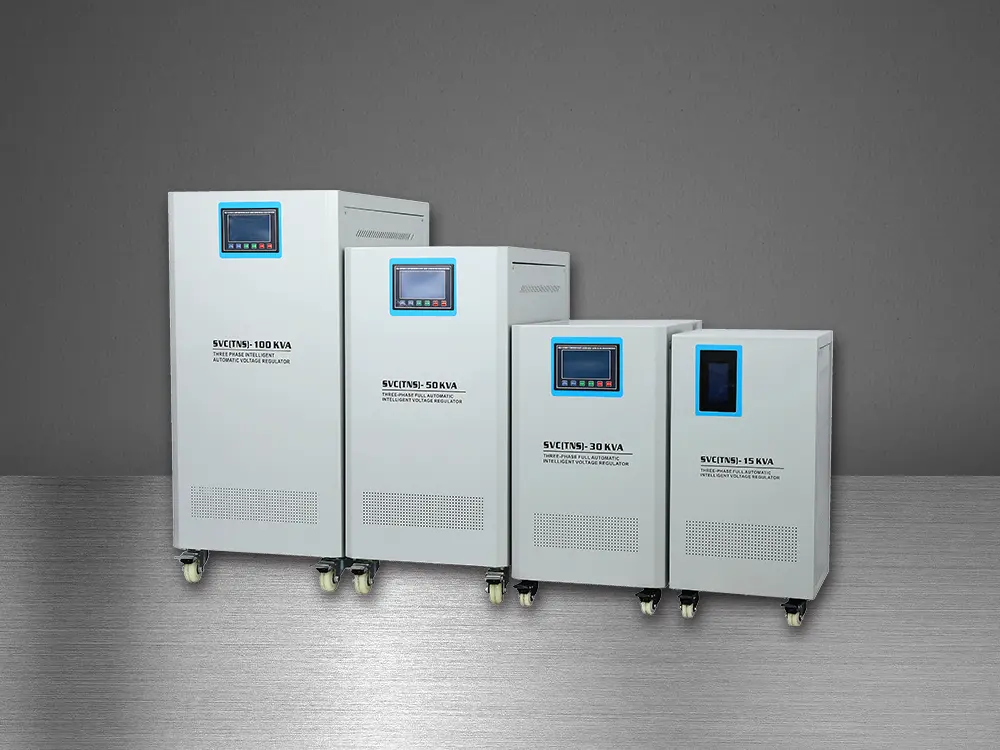 Automatic Voltage Regulator
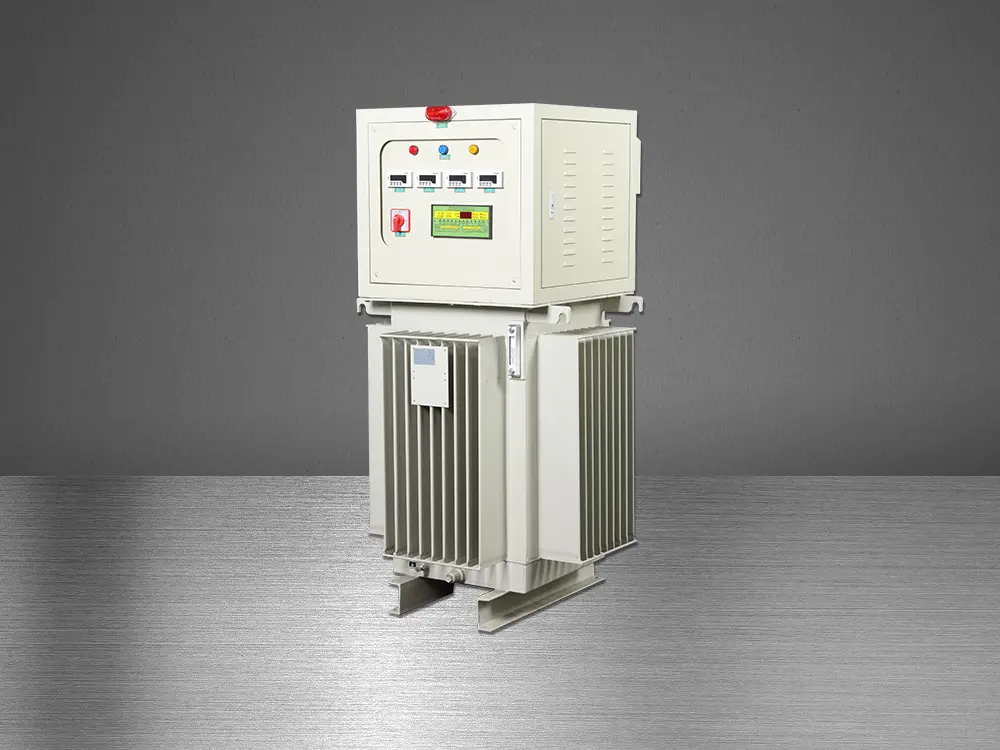 Oil Immersed Voltage Regulator