Three Phase Isolation Transformer Tips for Global Buyers?
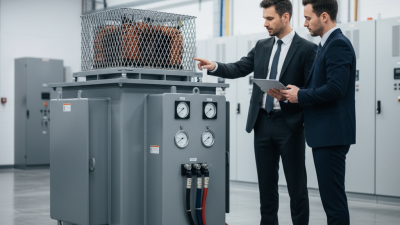
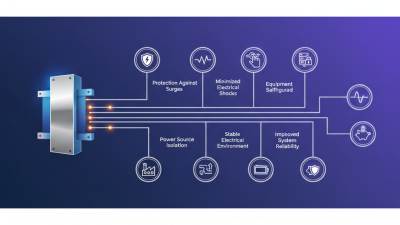
When investing in a Three Phase Isolation Transformer, understanding its features is crucial. Buyers should recognize that these transformers protect sensitive equipment. They also ensure electromagnetic compatibility. Many global buyers lack clarity on choosing the right transformer. This can lead to costly mistakes.
Selecting a dependable manufacturer is important. Experienced suppliers offer insights about efficiency and design. They guide you in making informed decisions. Considering the intended application is key. Each transformer varies in specifications, affecting performance and safety.
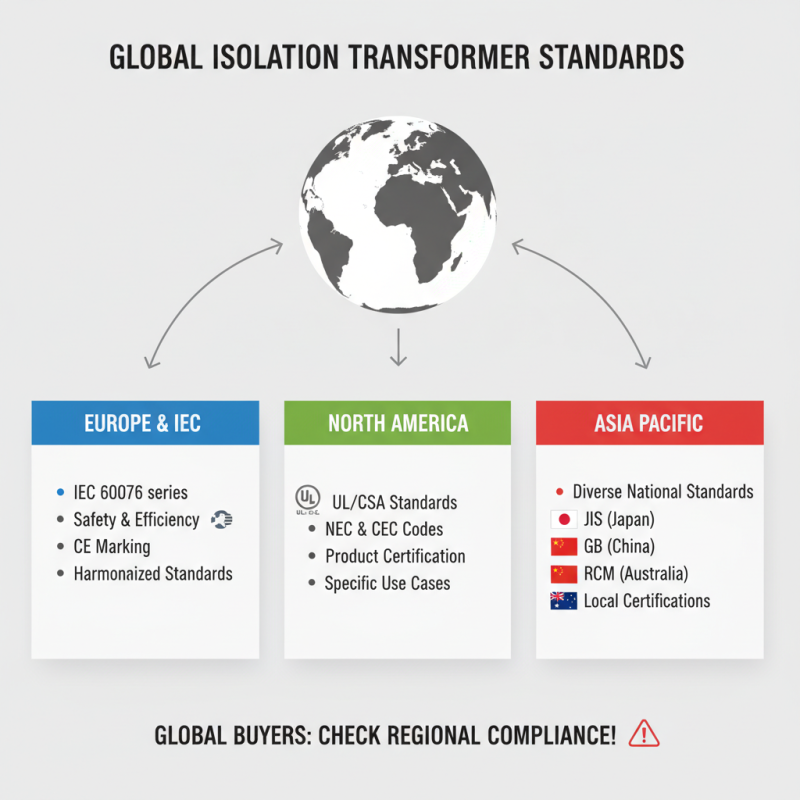
Be aware of regional standards. Compliance with safety regulations cannot be overlooked. Failing to do so may result in operational problems. International buyers should also pay attention to cost versus quality. Sometimes, lower prices lead to inferior products. Therefore, thorough research and understanding of the market are essential.
Overview of Three Phase Isolation Transformers and Their Applications
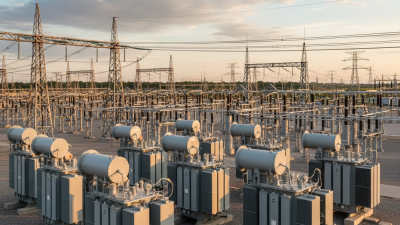
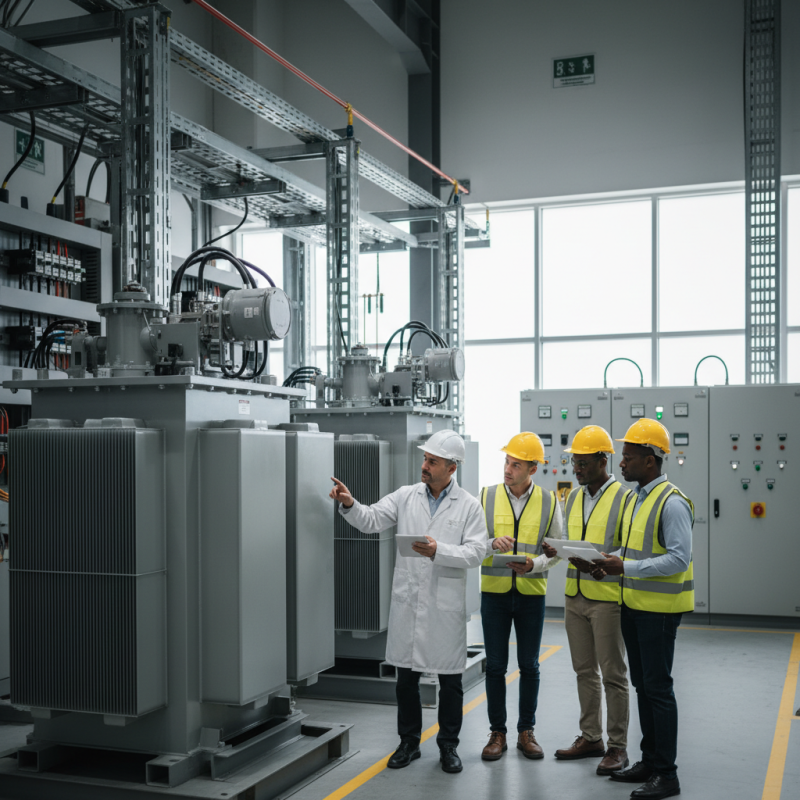
Three-phase isolation transformers are essential in various industrial applications. They provide safety and efficiency by isolating sensitive equipment from power line disturbances. According to a report by ResearchAndMarkets, the global market for isolation transformers is projected to grow at a CAGR of over 5% from 2021 to 2026. This growth highlights the increasing demand across sectors like manufacturing, renewable energy, and telecommunications.
These transformers ensure stable power supply and reduce harmonics. Industries often face issues like voltage spikes and electromagnetic interference. Utilizing three-phase isolation transformers mitigates these risks effectively. Data from IEEE indicates that about 30% of electrical failures are linked to power quality issues. So, focusing on implementing quality transformers can enhance operational reliability. However, careful selection is crucial. Buyers must understand transformer specifications, including voltage rating and capacity. Many overlook these details, leading to inefficiencies.
Buyer awareness is also essential for safety standards. Different regions have varying compliance regulations. Hence, understanding local standards is vital. Reports show that about 40% of installations fail to meet safety codes. This underlines the importance of thorough research and consultation with experts in the field. Ignoring these elements can result in costly equipment damage and safety hazards.
Three Phase Isolation Transformer Tips for Global Buyers
| Specification |
Value |
Applications |
Key Benefits |
| Voltage Rating |
400V, 480V, 600V |
Industrial Equipment |
Reduced Noise |
| Frequency |
50Hz / 60Hz |
Data Centers |
Improved Safety |
| Power Rating |
5kVA to 1000kVA |
Telecommunications |
Voltage Stabilization |
| Phase |
Three Phase |
Manufacturing |
Enhanced Efficiency |
| Cooling Method |
Oil Immersed / Air Cooled |
HVAC Systems |
Long Lifespan |
Key Technical Specifications for Choosing the Right Isolation Transformer
When selecting a three-phase isolation transformer, understanding key technical specifications is crucial. One important specification is power rating. It determines the transformation capacity. Make sure the transformer can handle your expected load. For industrial applications, overestimating the required power can lead to inefficiency.
Another aspect to consider is the voltage rating. Ensure the transformer aligns with your system's operational voltage. Mismatches can cause equipment malfunction. Additionally, look into the insulation system. A good insulation type enhances safety and durability. Different environments may demand specific insulation materials. Corrosive or humid locations require robust options.
The efficiency rating also matters significantly. A higher efficiency means lower operational costs. Some transformers may present enticing prices but lack efficiency. This trade-off can impact long-term expenses. Moreover, consider the noise level. In sensitive environments, transformers must operate quietly. Ignoring this can lead to disruptions. Each choice comes down to balancing performance and cost-effectiveness.
Global Market Trends and Demand for Three Phase Isolation Transformers
The global market for three-phase isolation transformers is experiencing notable growth. According to a recent industry report, the market is expected to reach $2.5 billion by 2025, growing at a CAGR of 6.2%. This upward trend reflects rising demand across various sectors, primarily due to the increasing focus on energy efficiency and equipment safety.
In many regions, industries are investing heavily in advanced electrical infrastructure. Three-phase isolation transformers play a pivotal role in ensuring stability and reducing electrical noise. However, buyers face challenges in selecting the right transformer. Factors such as voltage requirements, load capacity, and environmental conditions must be considered. Industry experts recommend conducting thorough assessments to avoid costly mistakes.
Global demand is driven not only by industrial applications but also by an increasing reliance on renewable energy sources. As businesses shift to cleaner technologies, they require robust transformers that can handle fluctuations. The transition is not without hesitation, as the complexity of integration raises questions about performance and reliability. Continuous market research is essential to navigate these issues effectively.
Cost Considerations and Pricing Trends in the Transformer Industry
When considering three-phase isolation transformers, understanding
cost dynamics is crucial.
The pricing of these essential electrical components often reflects
global supply chain fluctuations. Raw material costs, transportation
expenses, and production rate changes can significantly impact transformer
prices. For instance, copper and steel, key materials in transformer
manufacturing, have experienced volatile pricing. This trend may lead
to unforeseen increases in overall costs for buyers.
Energy efficiency
is another vital factor influencing prices. As regulations tighten,
manufacturers are investing more in technology to meet efficiency standards.
These advancements can raise initial costs but may lead to long-term savings.
Buyers must weigh up short-term investments versus long-term operational
benefits. It's a balancing act that requires careful analysis. Many companies
struggle to justify upfront costs, often overlooking potential energy savings
over the transformer’s lifetime.
Market competitiveness plays a role as well. Buyers may find discrepancies
in quotes from various suppliers. Some offer lower prices that might raise concerns
about quality. High-quality transformers come with a price, but they typically
offer better reliability. Buyers are encouraged to research and compare, looking
beyond initial costs to value. Understanding these trends helps
in making informed purchasing decisions, but constant vigilance is necessary.
The landscape is always shifting, and what holds true today may not apply tomorrow.
Regulatory Standards and Compliance for Isolation Transformers Worldwide
When considering the purchase of three-phase isolation transformers, understanding regulatory standards is paramount. Different regions have diverse compliance requirements that impact transformer performance and safety. For instance, the International Electrotechnical Commission (IEC) sets guidelines that ensure transformers meet safety and efficiency benchmarks. These standards can vary significantly across countries, creating a challenge for global buyers.
According to a recent report by the IEEE, around 40% of transformer failures can be traced back to non-compliance with regulatory standards. It's essential to review documentation and certifications to ensure your transformers align with the local requirements. In the United States, for example, the National Electric Code (NEC) outlines specific guidelines that must be followed. Meanwhile, in Europe, EN standards play a crucial role in determining acceptable practices.
The increasing demand for energy-efficient solutions has led to newer regulations. Compliance with these standards may require additional investments, which can challenge budget constraints. Despite these hurdles, adhering to regulations mitigates risks and enhances overall system reliability. A focus on regulatory compliance also promotes trust with clients and stakeholders globally. Inadequate compliance can lead to significant fines and product recalls, revealing the necessity of thorough research and understanding of regional standards.

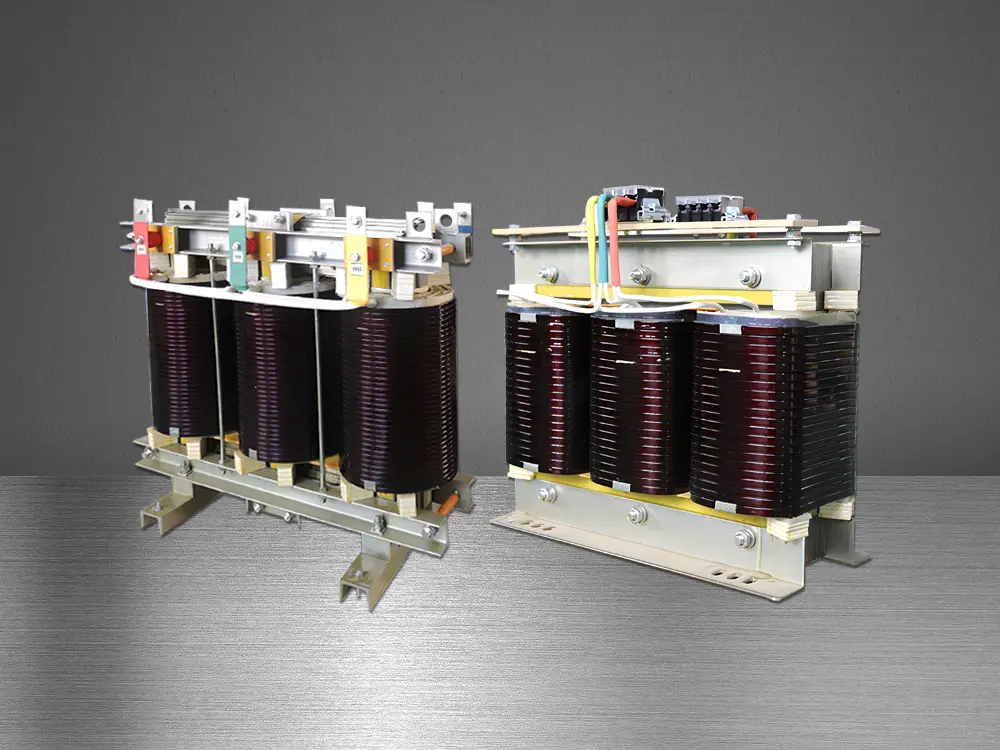 Three-Phase Isolation Transformer
 Control Transformer
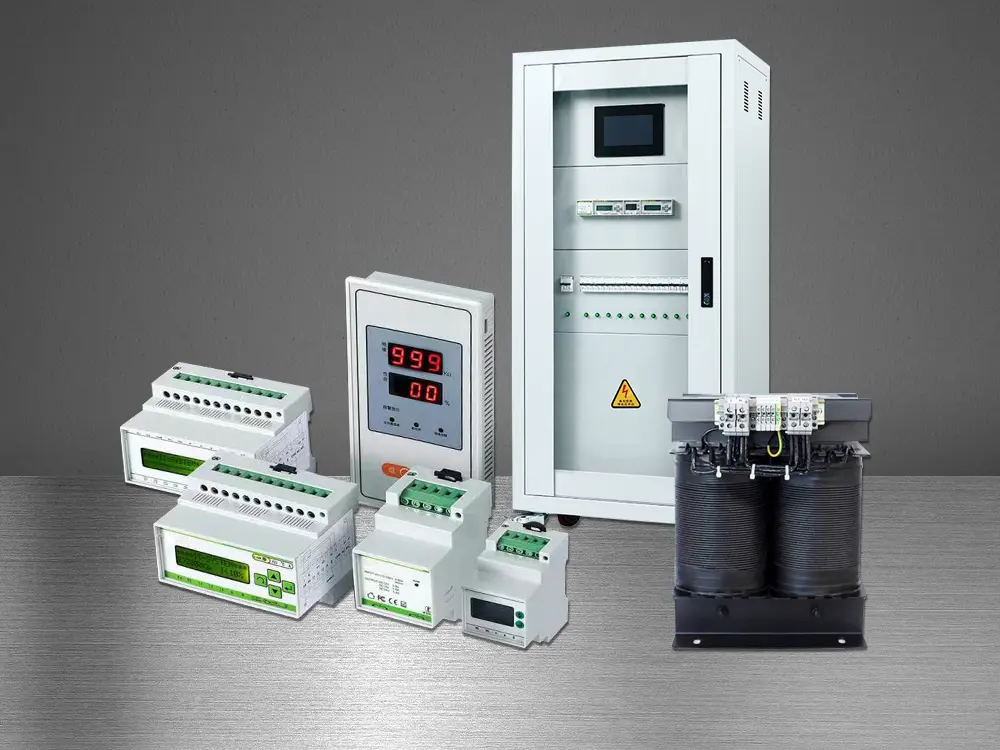 Medical IT Isolated Power System
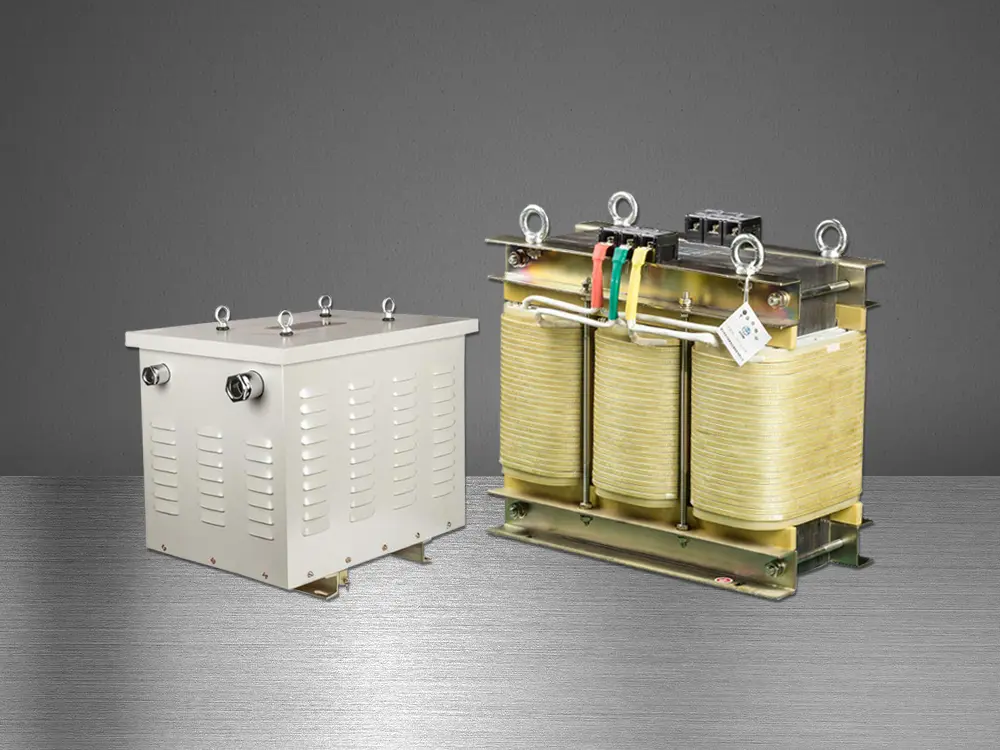 Marine Transformer
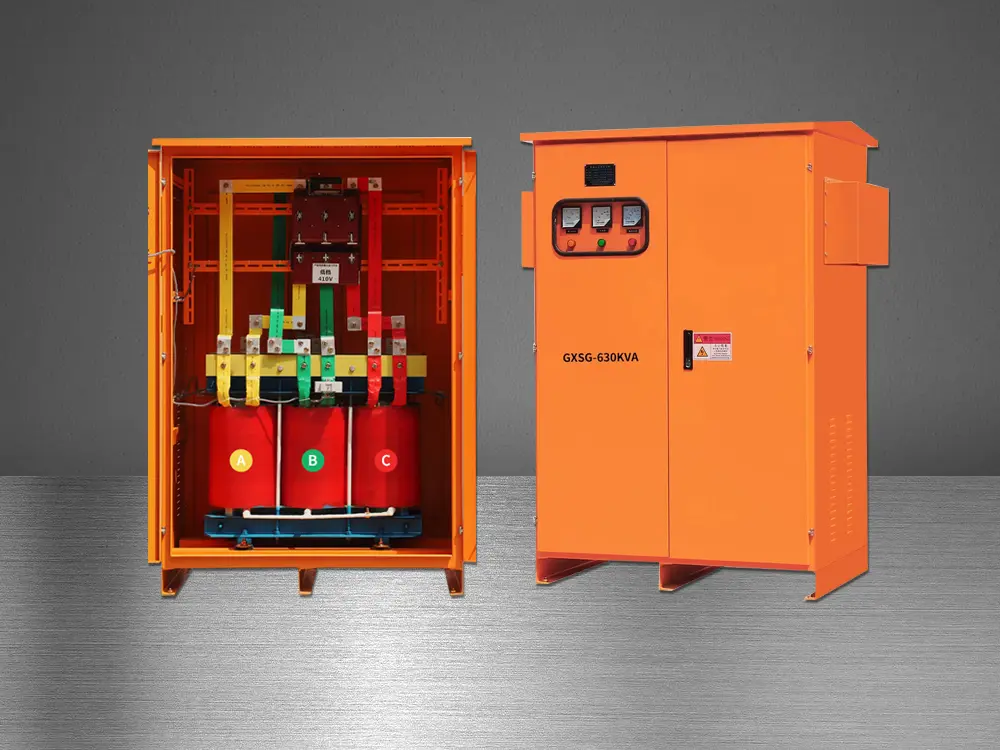 Tunnel Transformer
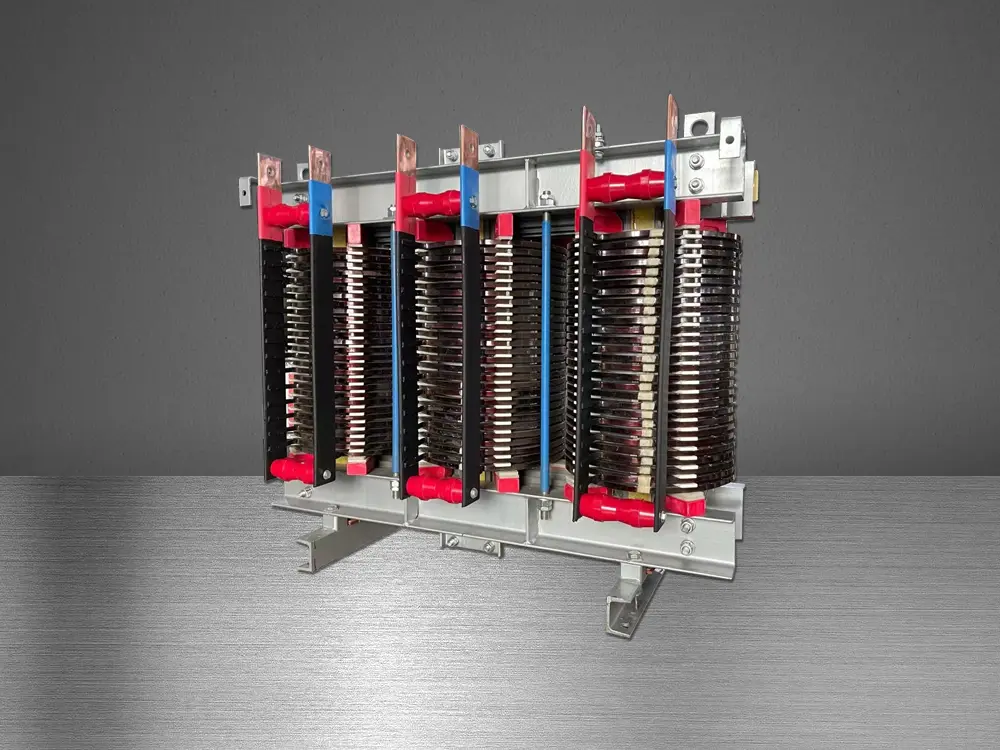 High Current Transformer
 Automatic Voltage Regulator
 Oil Immersed Voltage Regulator