Top 10 Three Phase Power Transformers for Global Buyers?
In the world of electrical engineering, choosing the right equipment is crucial for efficiency. The "Three Phase Power Transformer" stands out as an essential component in power distribution. These transformers ensure a reliable and stable power supply for various applications. Many global buyers seek the best options based on performance and cost.
This article highlights the top 10 Three Phase Power Transformers. Each selection is based on rigorous analysis and user feedback. Our goal is to connect buyers with trustworthy suppliers. We understand that not every product will meet every need. Different projects require different specifications.
Navigating the market can be overwhelming. Reliable information is essential for informed decisions. Here, you'll find insights that can guide your choice. Investing in the right technology can save significant costs and enhance operational efficiency. Yet, one must remain critical of marketing claims. Always consider technical details and real-world performance reviews.
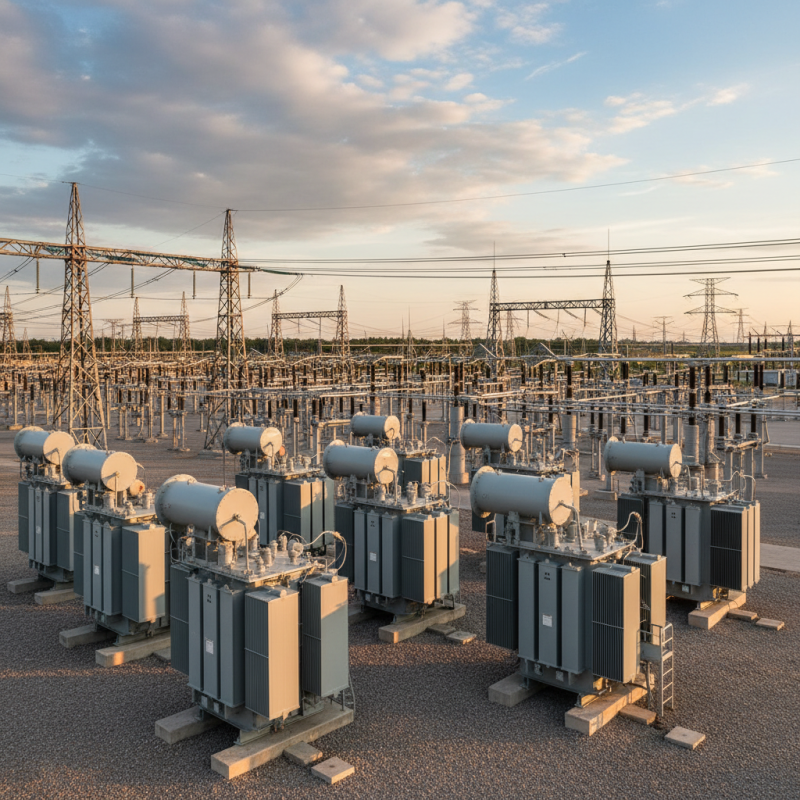
Overview of Three Phase Power Transformers
Three-phase power transformers play a crucial role in distributing electricity across various sectors. They convert high-voltage electricity from power plants into lower voltages suitable for residential and commercial use. These transformers improve efficiency and allow for a more stable power supply. Their design often includes several windings to manage different voltage levels. This makes them versatile for various applications.
In industrial settings, three-phase transformers are vital for powering heavy machinery. They help in balancing loads and improving overall system reliability. However, selecting the right transformer can be challenging. Factors such as voltage rating, capacity, and cooling methods need careful consideration. It is also essential to be aware of the environmental conditions. Moisture and temperature can affect performance, leading to potential inefficiencies. Regular maintenance and monitoring are necessary to ensure optimal operation.
Despite their reliability, three-phase transformers can experience issues. Insulation failures and overheating are common problems that may arise over time. It's crucial to implement regular inspections and embrace advancements in technology. These measures can enhance the longevity and performance of the transformers. Understanding these aspects helps buyers make informed choices, ensuring they select the best options for their needs.
Key Specifications and Features of Three Phase Transformers
Three-phase transformers are crucial in electrical systems, particularly in industrial applications. Their design often emphasizes efficiency and reliability. The key specifications include power rating, voltage levels, and impedance. Many reports indicate that the global three-phase transformer market is expected to grow at a CAGR of 6.9% from 2022 to 2028. This growth reflects the ongoing demand for efficient power distribution.
One noteworthy feature is the operational voltage range. Typical voltage levels range from 230V to several kilovolts. However, transformers must be carefully selected to match specific power needs. A mismatch can lead to inefficiencies or equipment damage.
Another key aspect is the efficiency rating. Efficiency levels of high-quality transformers can exceed 99%. This improves energy conservation, essential as industries strive to lower their carbon footprints. Yet, achieving such efficient designs while managing costs can be a challenge. Buyers often face difficult decisions when balancing reliability and affordability.
Market Leaders in Three Phase Transformer Manufacturing
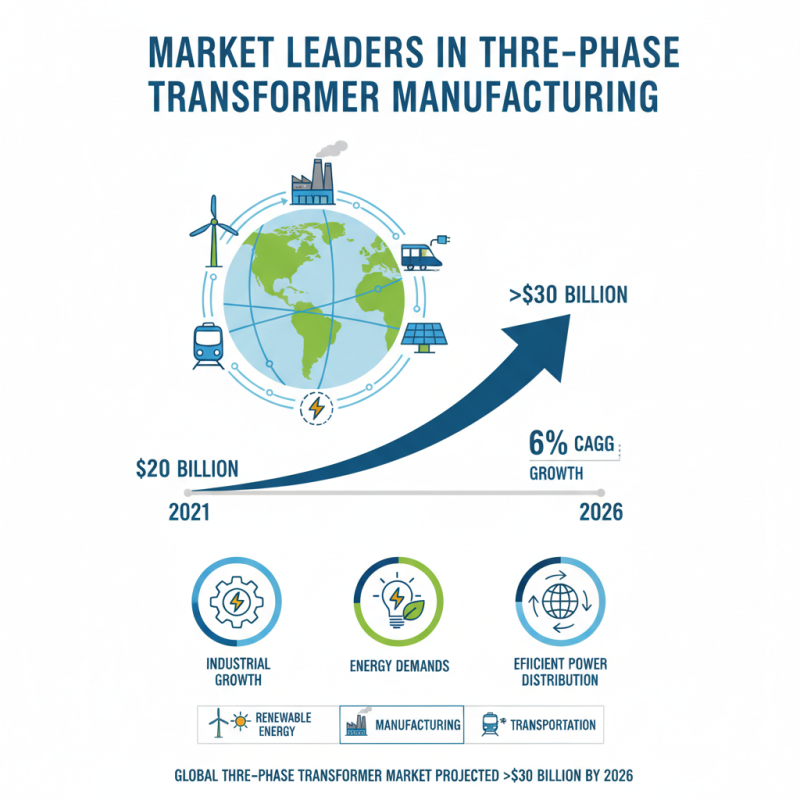
The global three-phase transformer market is thriving, driven by industrial growth and energy demands. According to industry reports, the market is projected to reach over $30 billion by 2026, growing at a CAGR of about 6% from 2021. This surge reflects the importance of efficient power distribution in various sectors, including renewable energy, manufacturing, and transportation.
Top manufacturers focus on innovative technologies to improve efficiency and reduce losses. High-performance materials and smart features are becoming standard. For instance, insulation advancements enhance durability, while digital monitoring systems boost reliability. However, challenges persist in terms of design and production, emphasizing the need for continuous improvement in these areas.
The rising adoption of green technologies also impacts transformer design. Companies are under pressure to create eco-friendly solutions that minimize environmental impact. This shift towards sustainability requires a rethinking of traditional manufacturing processes. Despite these challenges, the commitment to innovation remains a cornerstone for market leaders in the three-phase transformer sector.
Buyer Considerations When Selecting Three Phase Transformers
When selecting three-phase power transformers, buyers should consider several critical factors that impact performance, efficiency, and longevity.
Transformer capacity, for example, is crucial. It’s essential to match the transformer to the expected load to avoid overheating and unnecessary energy loss. Industry standards suggest that transformer overloads should not exceed 10% of their capacity for prolonged periods.
Another important aspect is the cooling method. Transformers can be air-cooled or oil-cooled. Oil-cooled transformers typically have a better heat dissipation capability. According to a report by Global Energy Monitor, oil-cooled transformers often yield a longer operational life due to their superior heat management. Buyers must also weigh installation flexibility and maintenance requirements. Some units may require more space or specialized maintenance tools, which could increase total costs.
Tips: Always check the efficiency rating provided by manufacturers. Higher efficiency translates to lower operational costs. Additionally, consider noise levels, especially in urban installations. Lastly, ask about warranties and service agreements. These factors can significantly affect the long-term performance of your transformer. Remember, choosing the right transformer is not a trivial task; it's a commitment to reliability.
Trends and Innovations in Three Phase Transformer Technology
The landscape of three-phase power transformers is rapidly evolving. Recent data from the International Energy Agency (IEA) highlights that the demand for efficient electrical systems is rising. Innovations focus on reducing losses and enhancing performance. For instance, amorphous steel transformers have shown substantial gains in energy efficiency, reducing core losses by 30%.
Heat management in three-phase transformers is an emerging trend. Advanced cooling technologies are being integrated to ensure reliability and longevity. Notably, natural ester fluids are gaining traction as eco-friendly options that offer superior cooling properties and fire resistance. The market for these eco-friendly solutions is expected to grow significantly, driven by sustainability goals.
Tips: Consider conducting a life cycle assessment when choosing a transformer. This can help in understanding the long-term impacts. Also, keep an eye on new cooling solutions; they might provide significant operational savings.
As the industry matures, there are still challenges. Cost optimization remains crucial, especially with rising materials prices. Many manufacturers are exploring new materials to balance performance and costs. Striking the right balance between speed of innovation and thorough testing is essential for the upcoming years.
Top 10 Three Phase Power Transformers for Global Buyers
| Transformer Model |
Power Rating (MVA) |
Voltage Rating (kV) |
Efficiency (%) |
Cooling Type |
Frequency (Hz) |
| Model A |
100 |
33 |
98.5 |
ONAN |
50 |
| Model B |
120 |
36 |
99.0 |
OFAF |
60 |
| Model C |
150 |
66 |
97.5 |
ONAF |
50 |
| Model D |
200 |
132 |
98.7 |
OFAF |
60 |
| Model E |
250 |
220 |
99.2 |
ONAN |
50 |
| Model F |
300 |
230 |
98.8 |
OFAF |
60 |
| Model G |
400 |
300 |
98.6 |
ONAF |
50 |
| Model H |
500 |
400 |
99.3 |
OFAF |
60 |
| Model I |
600 |
500 |
99.5 |
ONAN |
50 |
| Model J |
750 |
600 |
99.4 |
OFAF |
60 |

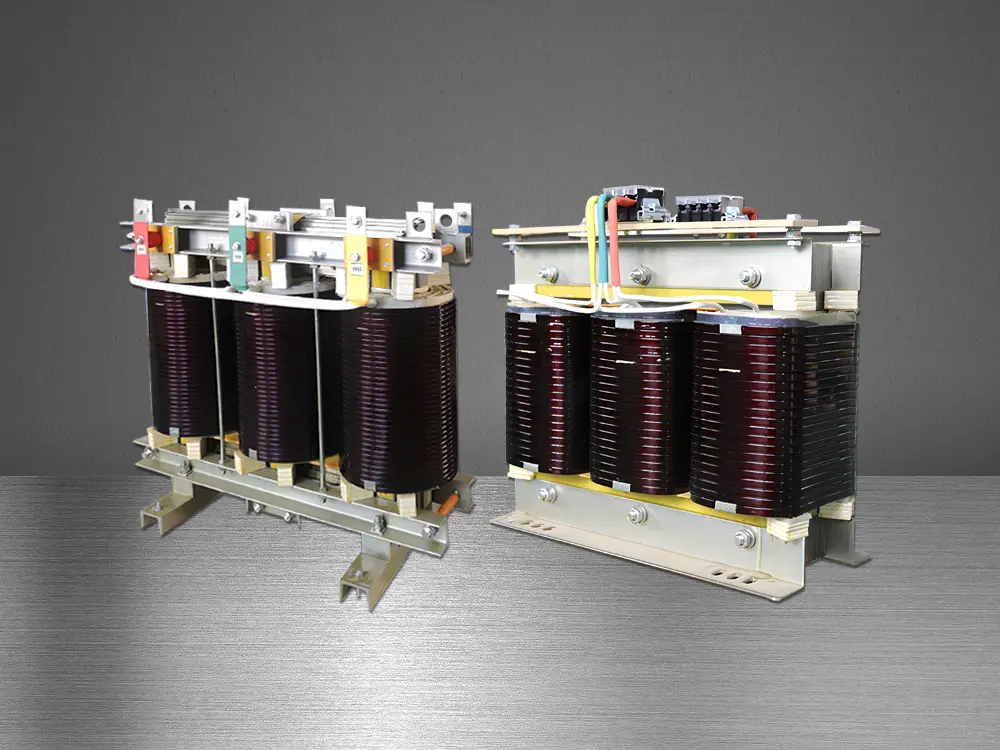 Three-Phase Isolation Transformer
 Control Transformer
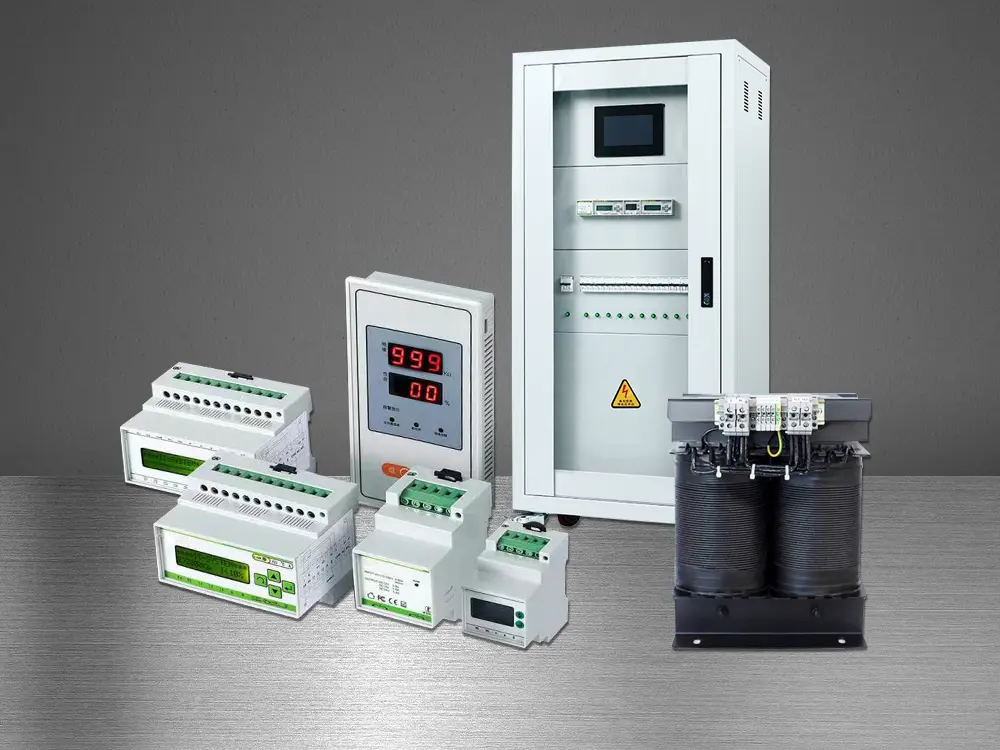 Medical IT Isolated Power System
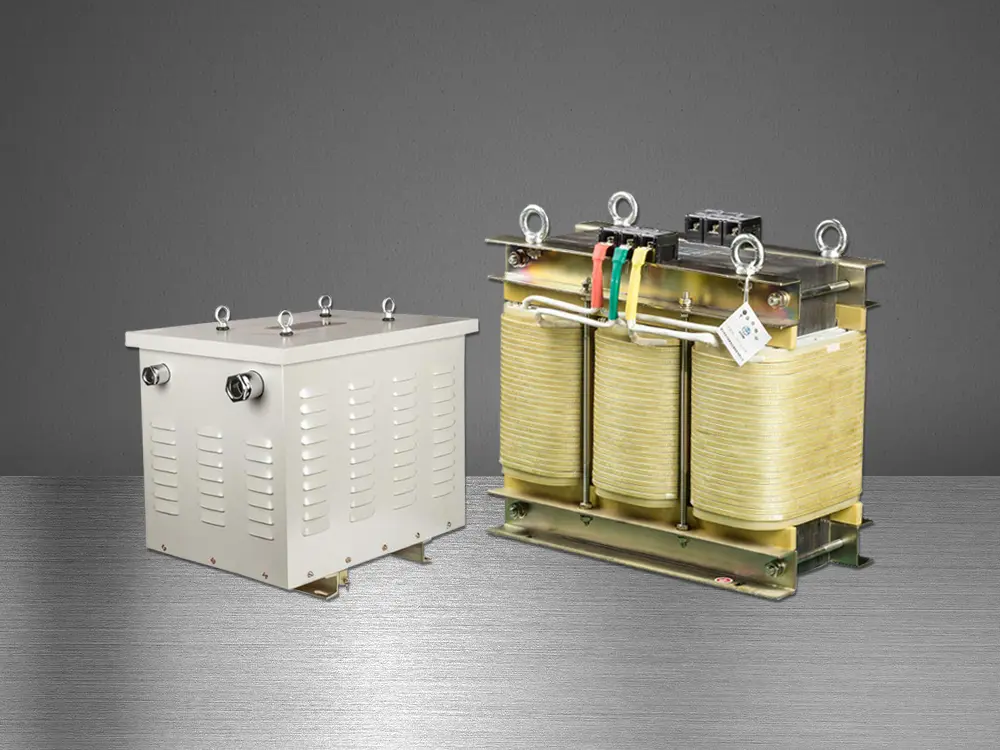 Marine Transformer
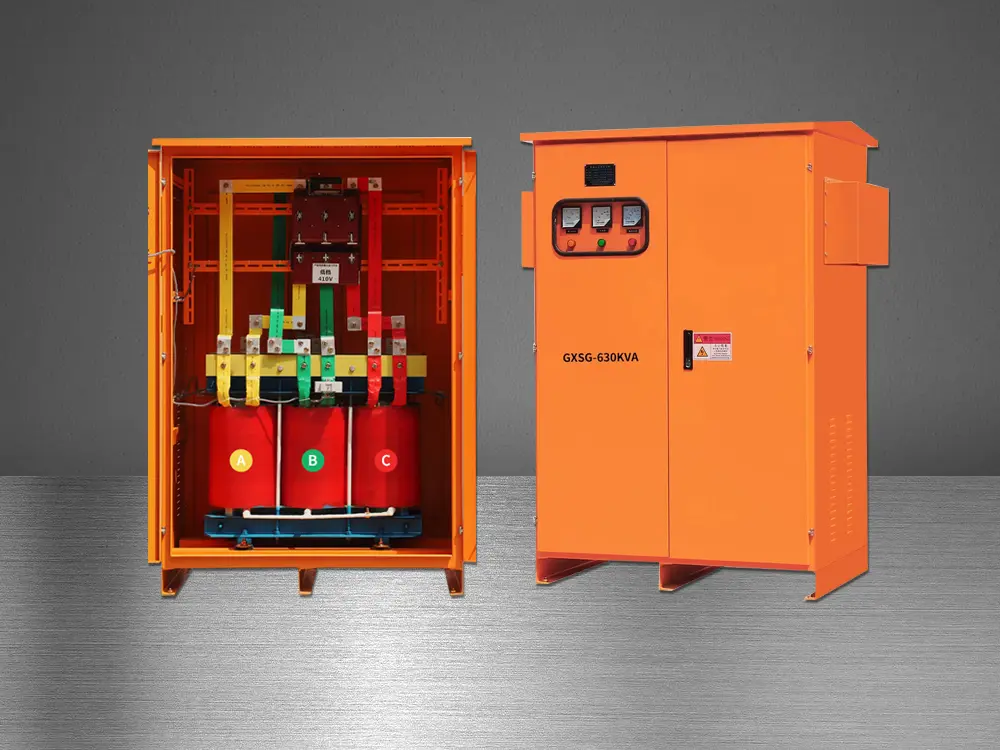 Tunnel Transformer
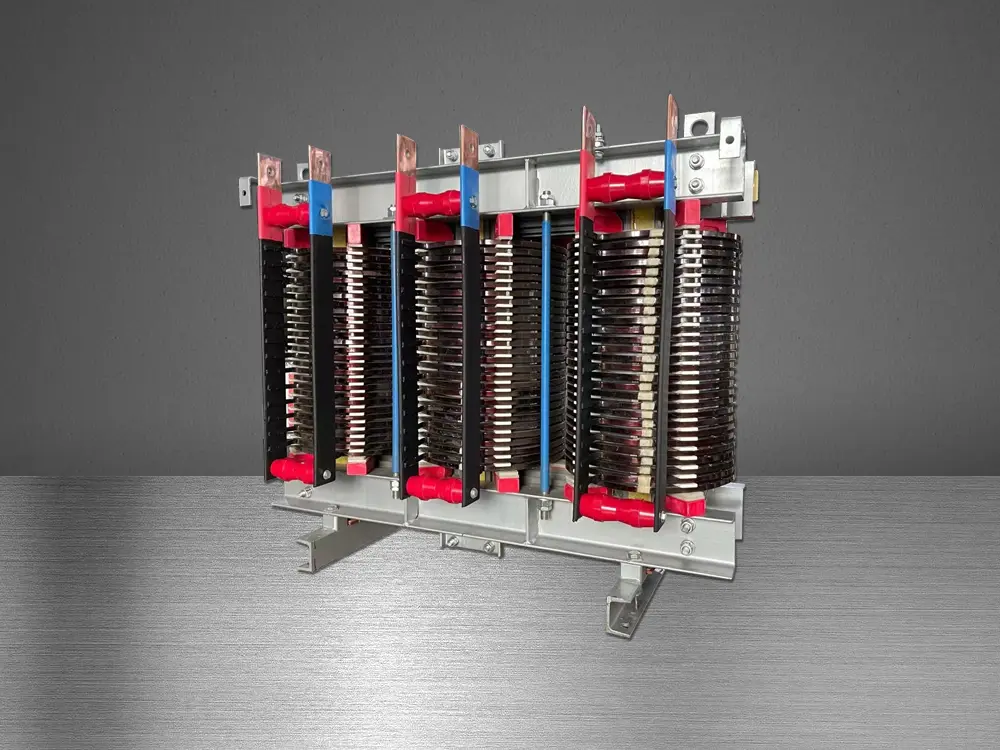 High Current Transformer
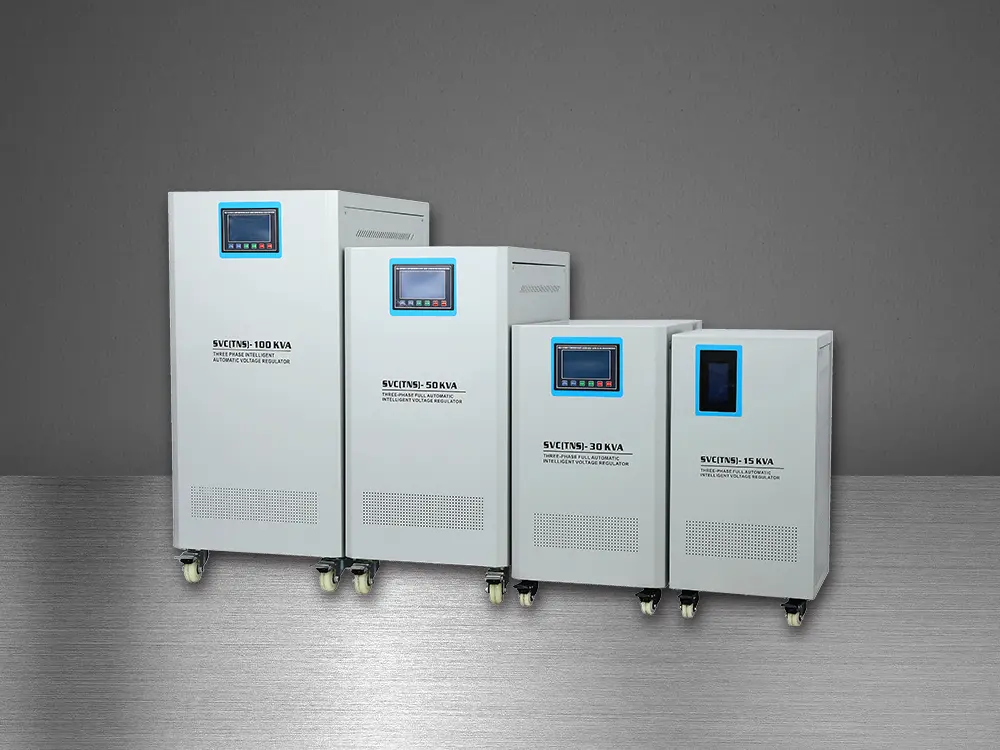 Automatic Voltage Regulator
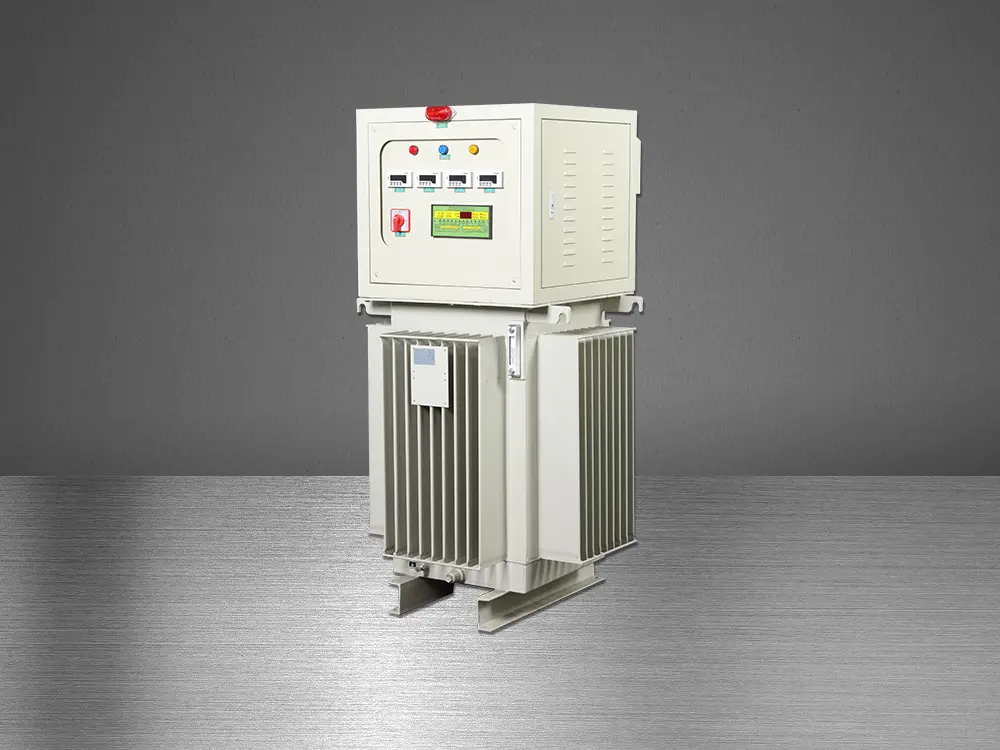 Oil Immersed Voltage Regulator