Three Phase Isolation Transformer Advantages and Tips for Buyers?
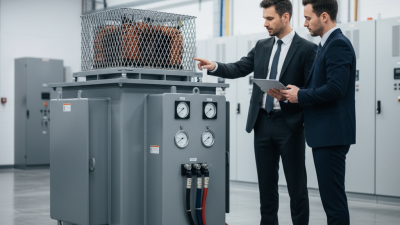
In the realm of electrical engineering, the "Three Phase Isolation Transformer" stands out for its vital role in power management. According to Dr. Emily Carter, a leading expert in electrical systems, "The right transformer can significantly enhance system efficiency." This underscores the importance of selecting the perfect transformer for specific needs.
Three phase isolation transformers help prevent electrical noise and protect against power surges. Their design improves safety and reliability in various applications, from industrial operations to renewable energy systems. However, buyers often overlook subtle details, such as impedance ratings and cooling methods, which can impact performance.
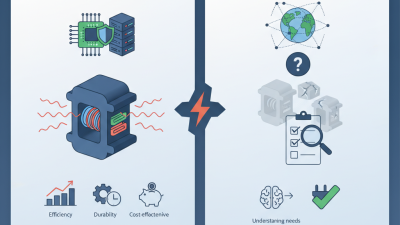
Consider the advice of seasoned buyers who emphasize thorough research. They often suggest examining the manufacturer's reputation and the transformer's compliance with industry standards. A well-informed choice leads to long-term benefits. Nevertheless, some buyers still find it challenging to navigate this complex market landscape. Understanding both technical specifications and vendor reliability is crucial in making an effective purchase.
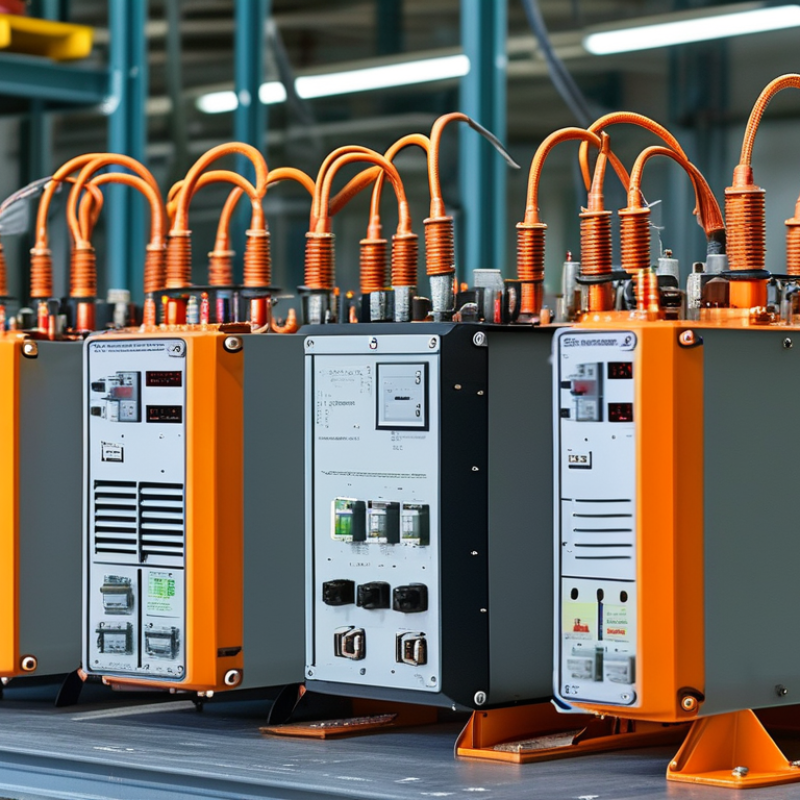
Understanding the Working Principle of Three Phase Isolation Transformers
Three-phase isolation transformers play a crucial role in electrical systems. They separate different electrical circuits while providing a secure pathway for power transfer. The primary principle relies on electromagnetic induction. By using three sets of windings, these transformers ensure balanced load distribution and improved efficiency. This design minimizes losses and provides superior performance.
When examining the operational aspects, it’s important to consider connection methods. Delta and wye configurations offer differing advantages. Delta connections are often more robust, while wye connections can provide neutral points. This choice can significantly impact overall system performance.
You might also face challenges in sizing the transformer correctly. Overestimating can lead to higher costs, while underestimating can cause inefficiencies.
Consider power quality and load requirements when selecting a three-phase isolation transformer. Proper grounding is vital for safety and performance. Additionally, the environment must be evaluated. Factors like temperature, humidity, and potential contaminants can affect longevity and efficiency. A thorough assessment helps in making an informed decision. Balancing technical requirements with practical limitations is essential for an optimal selection.
Key Advantages of Using Three Phase Isolation Transformers
Three-phase isolation transformers offer significant advantages for industrial applications. They provide reliable voltage regulation and mitigate electrical noise. These transformers ensure that sensitive equipment receives a clean power supply. Their design enhances safety by isolating the primary circuit from the secondary. This isolation minimizes the risk of electric shock and equipment damage.
When selecting a three-phase isolation transformer, consider your specific needs. Assess the power requirements of your machinery. A properly sized transformer enhances efficiency and prevents overheating. Check the installation space to ensure a good fit. It's also wise to inquire about the transformer's efficiency rating. Higher efficiency means lower energy costs over time.
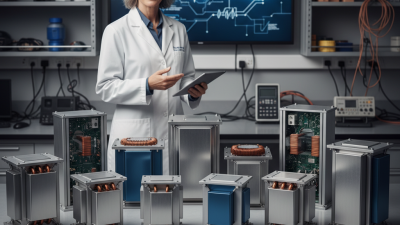
For buyers, it's essential to research different manufacturers. Look for reputable sources with proven track records. Read reviews and testimonials to gauge reliability. Don't hesitate to consult with professionals who specialize in electrical installations. Their insights can guide you in making informed decisions. This research will empower your purchasing process and lead to a better outcome.
Advantages of Three Phase Isolation Transformers
Applications of Three Phase Isolation Transformers in Various Industries
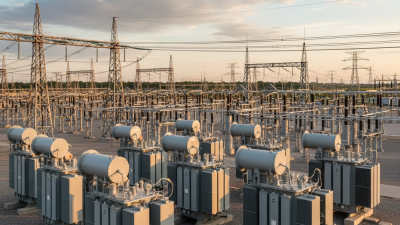
Three phase isolation transformers play a crucial role in various industries. They are used in factories, hospitals, and data centers. These transformers prevent electrical noise and enhance safety. An essential benefit is their ability to maintain a stable voltage. This stability is vital for sensitive equipment.
In manufacturing, these transformers protect machinery from voltage fluctuations. They ensure optimal performance by isolating equipment from the power source. In hospitals, they enhance patient safety by minimizing electric shock risks. The isolation reduces interference, allowing medical devices to function correctly.
However, buyers should consider the installation space. Some models are bulky, requiring more room than expected. Also, while they offer several benefits, costs can be significant. Potential buyers must weigh these factors carefully. Proper planning is crucial for achieving the best results.
Important Features to Consider When Buying Three Phase Isolation Transformers
When you're in the market for a three-phase isolation transformer, consider several key features. The voltage rating is crucial. Ensure it matches your electrical system requirements. An improper voltage can lead to inefficiencies or even damage equipment. Additionally, look for transformers with a suitable power rating. This determines how much load they can handle. Selecting the right size is important for optimal performance.
Another aspect to consider is the transformer’s efficiency. Higher efficiency means lower energy losses, which can lead to significant cost savings over time. It’s also wise to check the insulation type. Quality insulation prolongs the lifespan and enhances safety. Some transformers come with advanced cooling systems, which can be essential in high-demand environments.
Don’t overlook the importance of certifications. Look for products that meet industry standards. It reflects the quality and reliability of the transformer. Gathering user reviews provides insight into real-world performance. This can highlight any common issues that might not be apparent from specifications alone. Always assess the warranty terms, too. A solid warranty can indicate manufacturer confidence and provides peace of mind for buyers.
Maintenance Tips for Ensuring Optimal Performance of Transformers
Transformer maintenance plays a vital role in ensuring optimal performance. Regular inspections help detect issues early. Check for signs of wear, leaks, or unusual noises. Addressing these problems promptly can prevent costly repairs down the line.
Cleaning is crucial for transformers. Dust buildup can lead to overheating. Regularly clean components and ensure cooling systems are functioning. Keep vent areas clear. A clean transformer operates more efficiently, reducing energy consumption.
Oil testing is essential for isolating potential problems. This process helps identify contamination or moisture levels. Always follow safety protocols when handling materials. Engage with professionals for thorough analysis. Their expertise can guide you in preventive measures to extend the lifespan of your transformer.

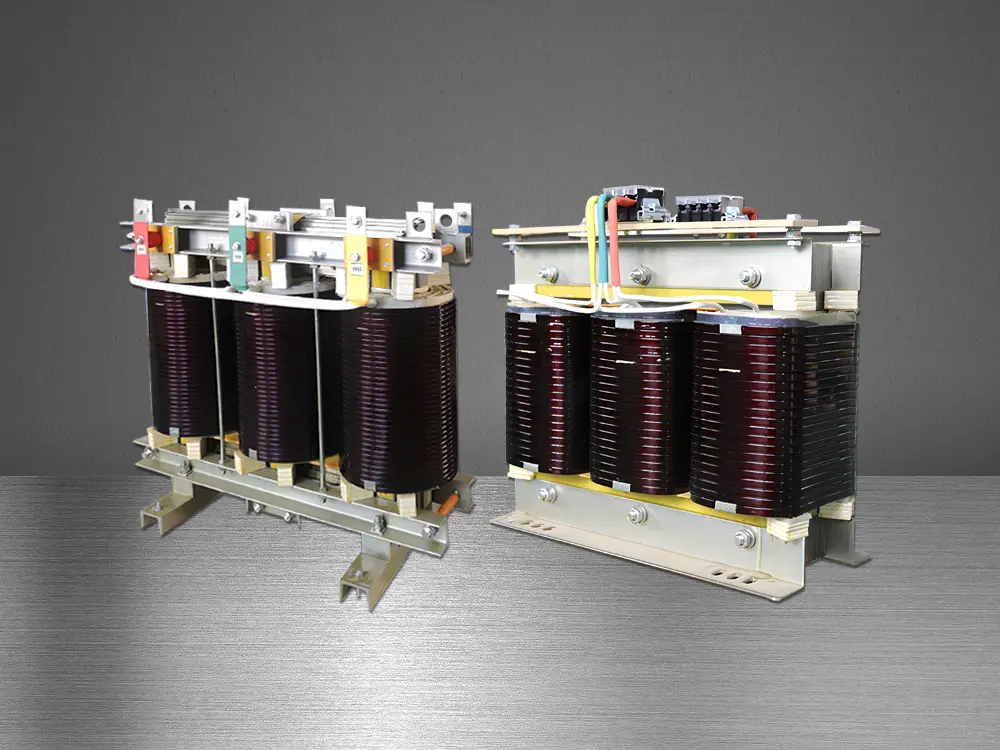 Three-Phase Isolation Transformer
 Control Transformer
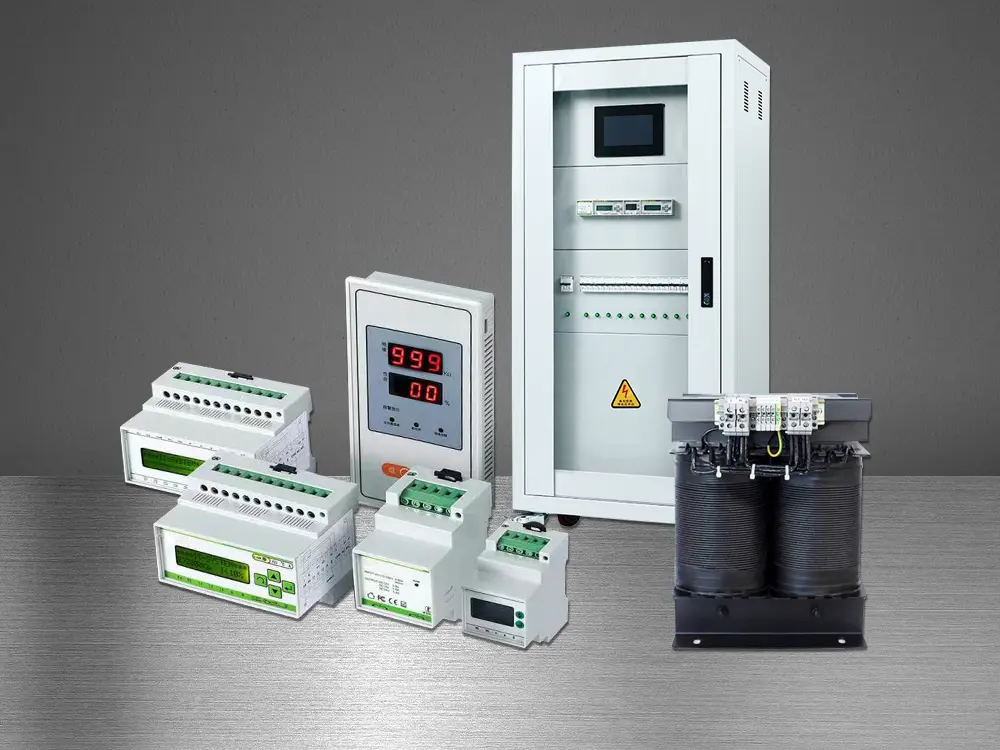 Medical IT Isolated Power System
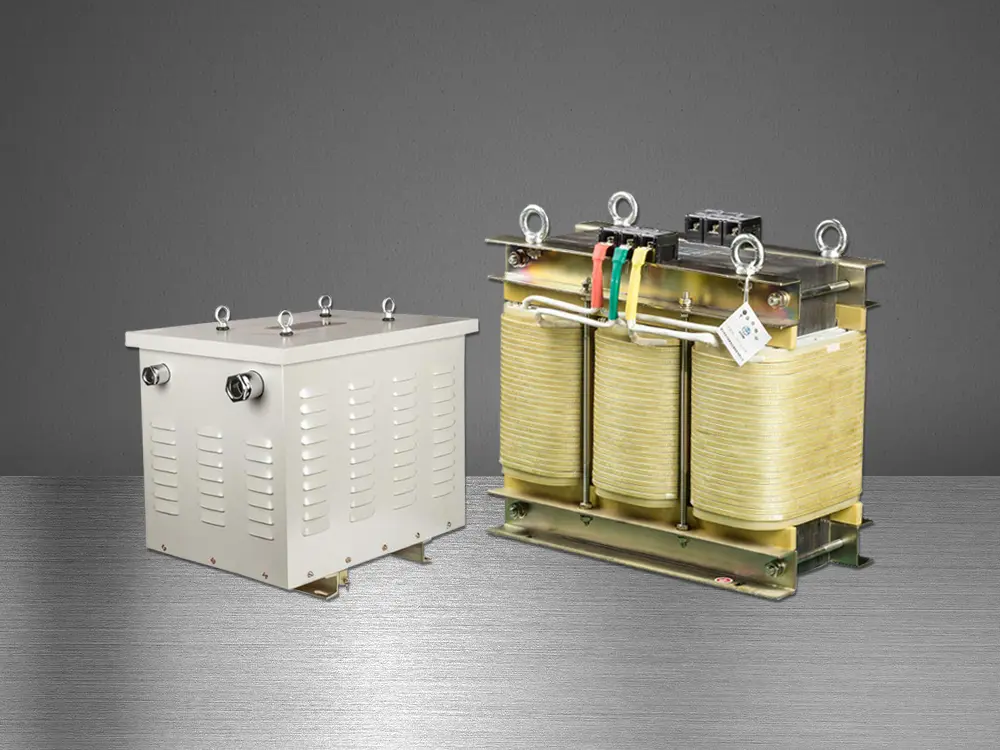 Marine Transformer
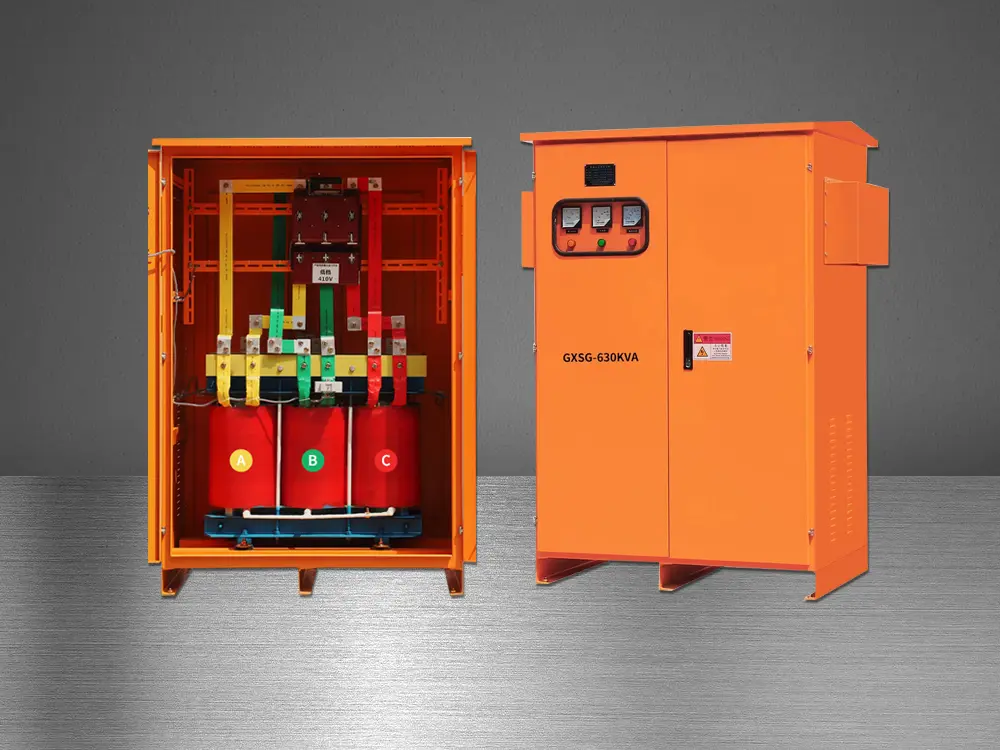 Tunnel Transformer
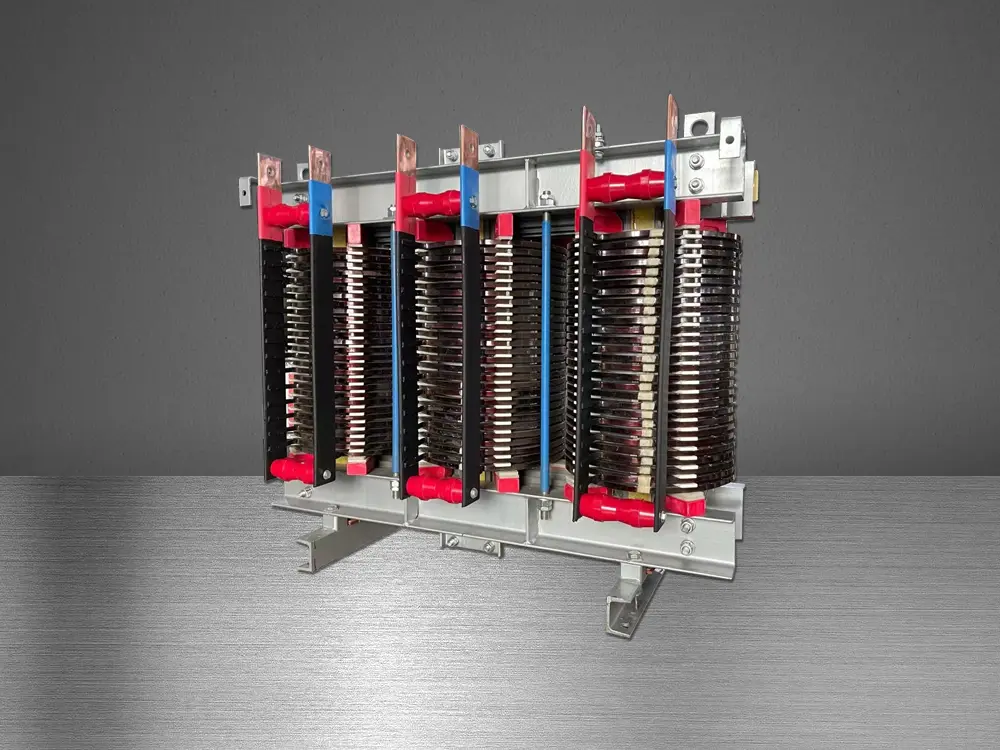 High Current Transformer
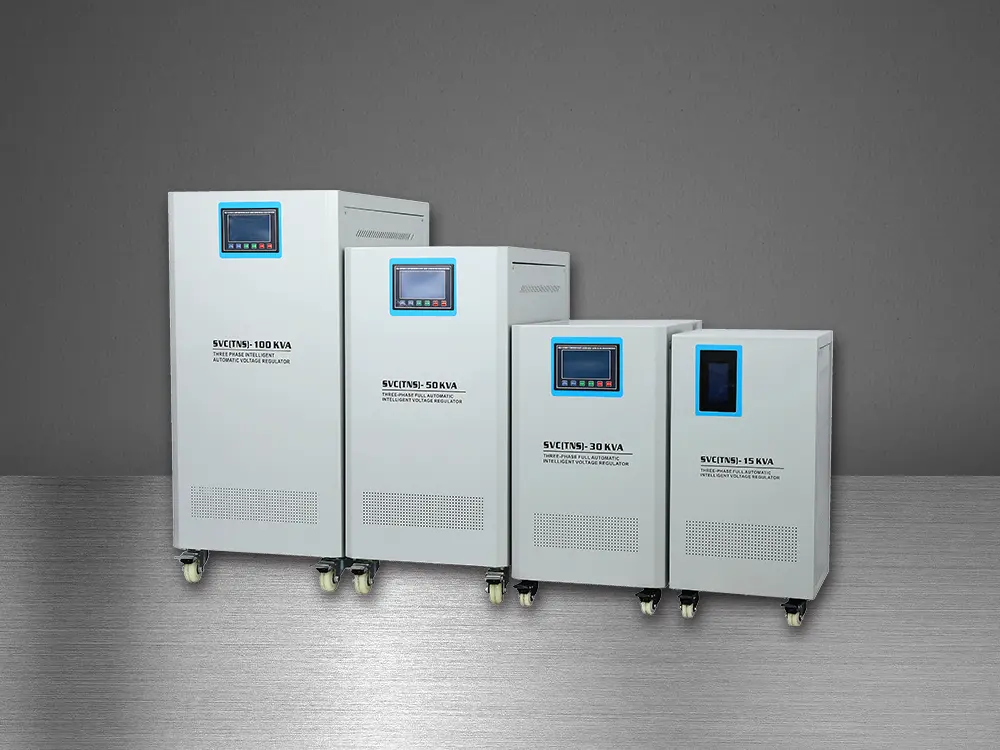 Automatic Voltage Regulator
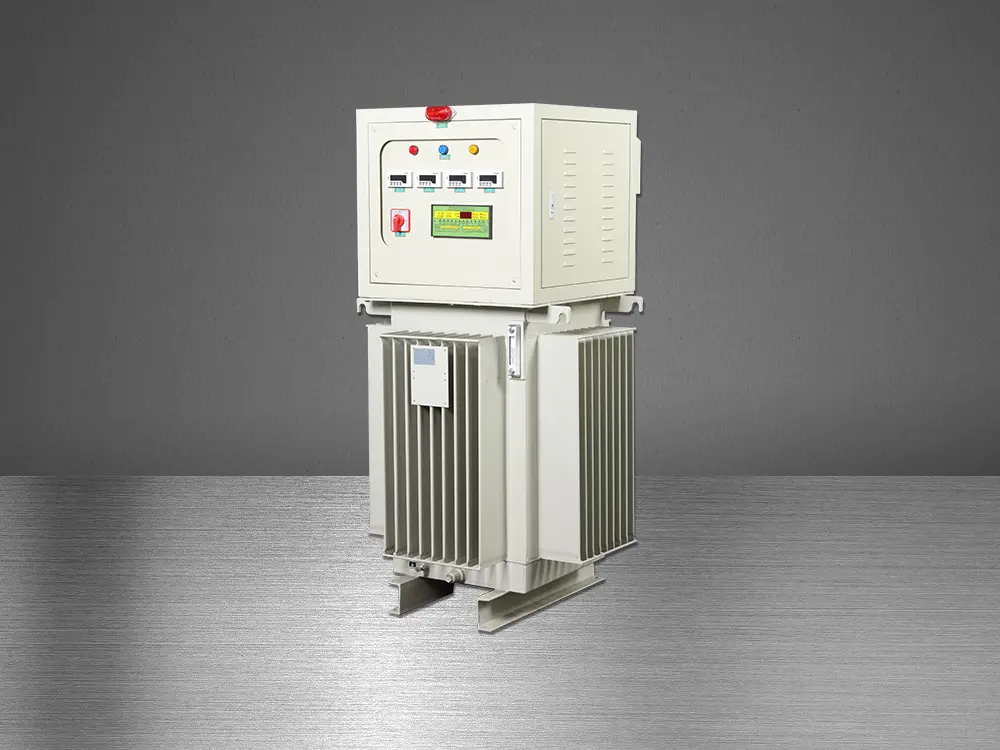 Oil Immersed Voltage Regulator