Leave Your Message

How to Choose an Auto Voltage Controller?

Choosing an Auto Voltage Controller is not just a matter of matching a voltage number. The right unit must suit the supply, the connected equipment, and the conditions at the installation site. Electrical engineer William Thomson, Lord Kelvin, observed, “When you can measure what you are speaking about, and express it in numbers, you know something about it.” That principle fits controller selection well: compare measurable specifications, not just product claims.

Start with the input-voltage range and required output, then check the load’s power rating in VA or kVA. Consider whether the equipment includes motors, pumps, or sensitive electronics, since their startup demands and tolerance for voltage changes can differ. Look at regulation accuracy, correction speed, overload capacity, and protection against over- or undervoltage. Check the controller’s phase, cooling needs, operating temperature, and installation space, too. A unit that works on paper may struggle in a hot, dusty room.

There are trade-offs. A higher capacity can provide useful headroom, but it may add cost and take up more space. A datasheet can still flatter; real site conditions matter. This guide will explain how to compare specifications, estimate load requirements, and assess practical features before choosing an Auto Voltage Controller. When loads are critical or calculations are unclear, ask a qualified electrical professional to review the application. Small details count.
How to Choose an Auto Voltage Controller?

Define the Voltage Needs of the Vehicle or Electrical System

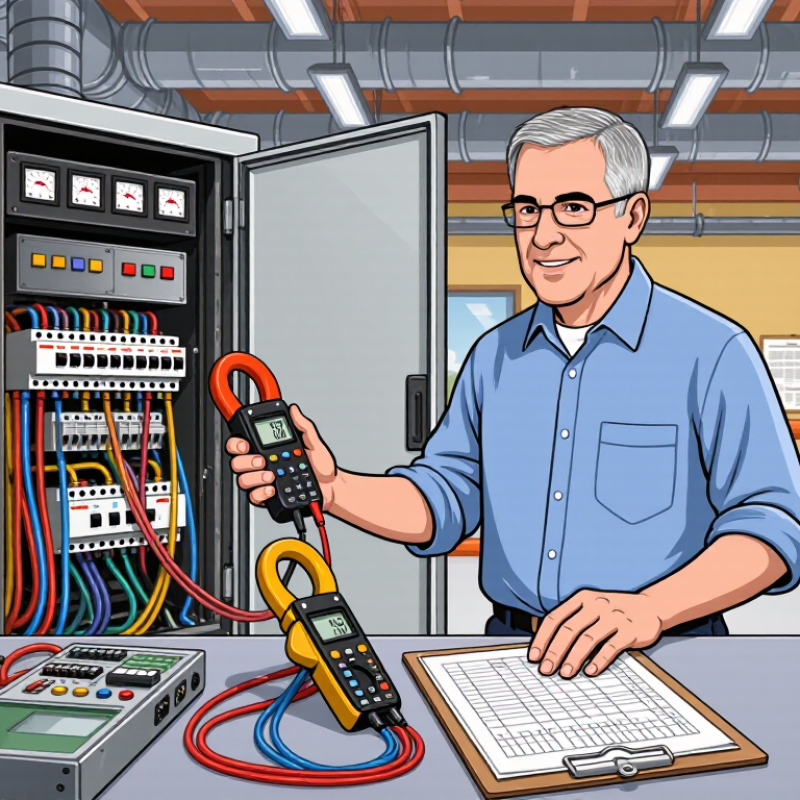
Before choosing an auto voltage controller, identify the exact voltage your vehicle or electrical system requires. Check the service manual, battery label, or equipment specifications rather than relying on a general vehicle type. Many passenger vehicles use a 12-volt system, while some larger vehicles use 24 volts. Confirm the controller’s input and output ranges match the system. Measure before buying.

Tips: Check voltage with a multimeter at rest and while the engine is running. Note readings during startup, when voltage may briefly dip. Record the connected equipment’s current draw too; a controller rated for the right voltage can still be unsuitable if its current capacity is too low.

Consider what the system powers and the conditions it faces. A controller for lights may have different demands from one supporting sensitive electronics or auxiliary equipment. Check for clear ratings, suitable wiring connections, and protection against heat and vibration. A neat specification sheet is useful, but it does not replace checking the actual installation. If readings vary widely or the wiring is unclear, ask a qualified automotive technician to assess the system before selecting a controller. One detail is easy to miss: added equipment can change the load, so recheck the figures after installation.

Compare Controller Types and Voltage Regulation Ranges

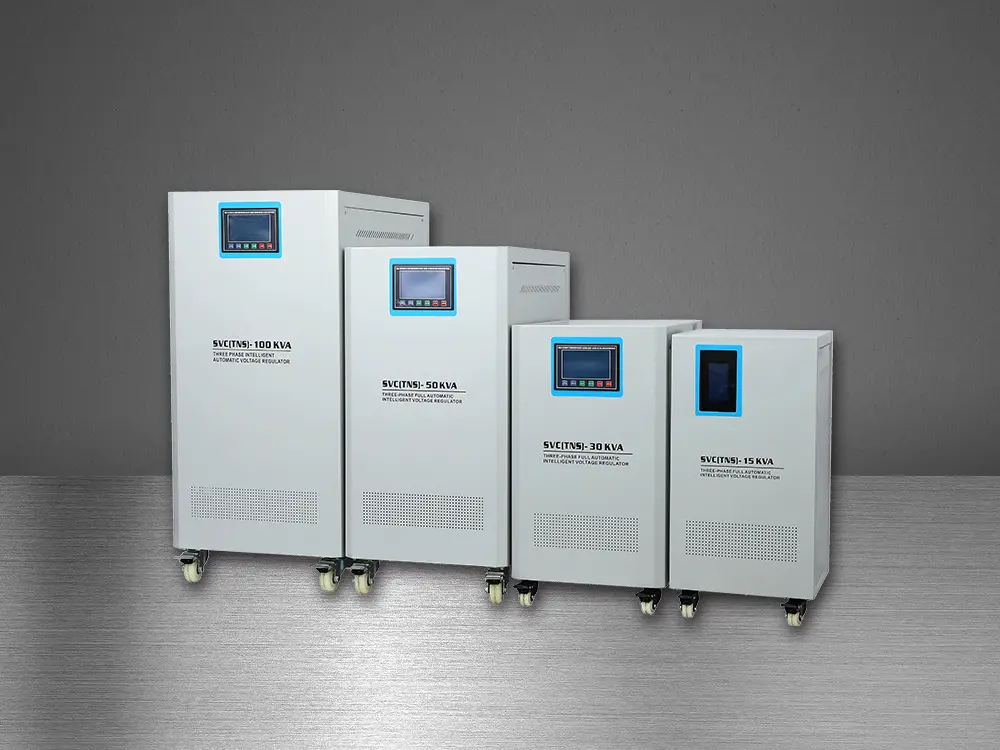
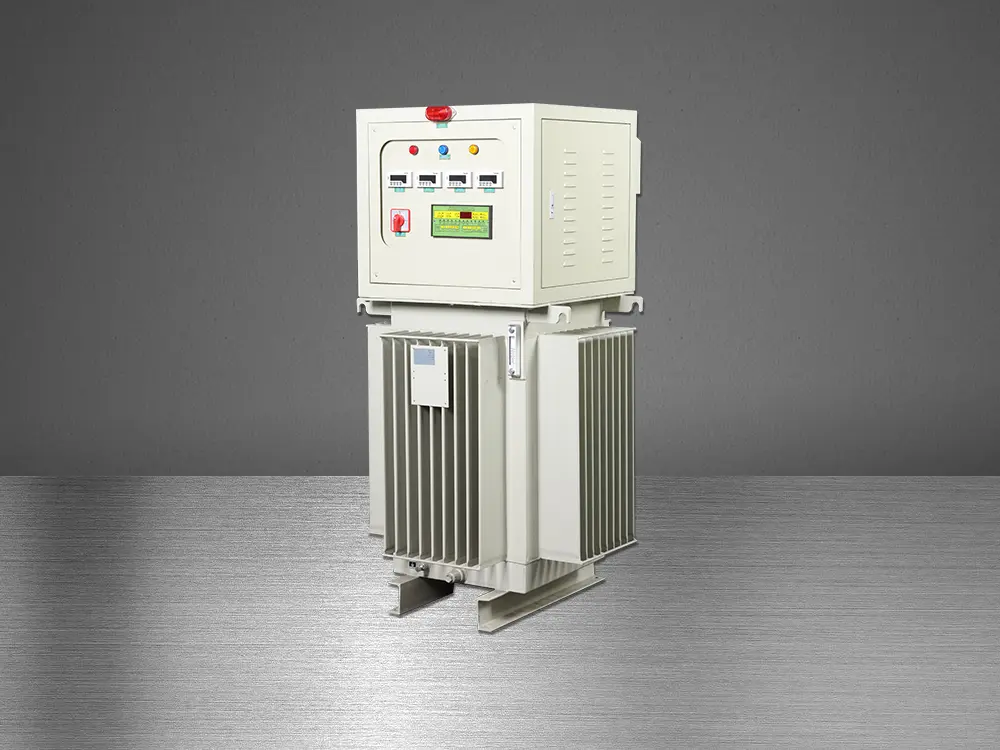
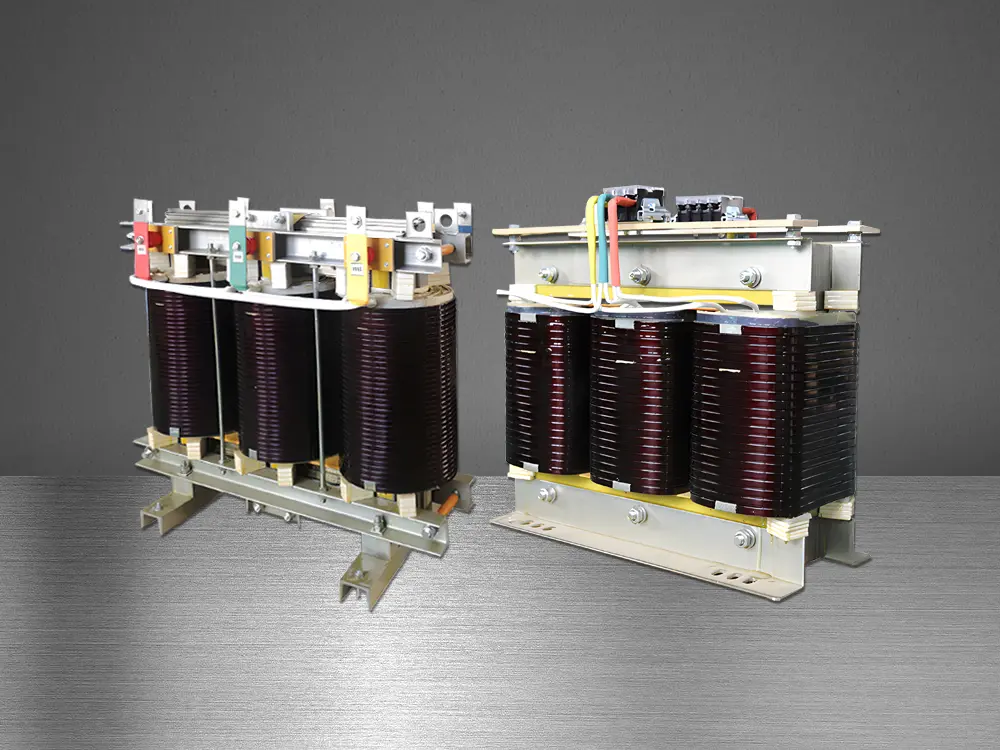
An auto voltage controller should match both the incoming-voltage range and the steadiness your equipment needs. Servo controllers adjust voltage through a moving mechanism; they suit gradual changes but may respond less quickly to sudden swings. Static electronic controllers switch rapidly and have no moving correction parts. Tap-changing controllers use transformer steps, so check how much each step changes the output. The right type depends on your load, correction speed, and maintenance needs.

Compare the controller’s stated input range with measured site voltage, then check its output regulation range under your actual load. EN 50160:2022 states that, under normal conditions, 95% of 10-minute supply-voltage averages over a week should remain within ±10% of declared voltage. At 230 V, that corresponds to 207–253 V. This describes a public-network quality benchmark, not a promise that every appliance tolerates the full range. A neat specification table can still mislead. Check measurement conditions, load limits, and response time; ratings may change as the load rises. A small detail, but important: verify the output with sensitive equipment connected, not only at no load.

Match Current Capacity, Input Voltage, and Output Requirements

Start with the load. Check its rated current, phase, and duty cycle, then allow for motor-starting surges and hot enclosures. A controller rated only for steady running current may trip when a pump or compressor starts. Leave headroom. The U.S. Department of Energy’s 2014 sourcebook, Improving Motor and Drive System Performance, estimates that motor-driven systems account for about 68% of electricity use in U.S. industry. That figure is context, not a sizing formula; the actual load profile matters more than the average.

Measure the supply at the equipment terminals during normal operation and peak demand. Compare its lowest and highest readings with the controller’s specified input range, including phase and frequency. Then check the required output voltage and permitted variation against the connected equipment’s nameplate. A control panel needing stable 230 V may behave poorly if the selected unit’s output tolerance is too wide. Also verify continuous current, overload duration, and any temperature derating in the technical datasheet. Small detail, big consequence. I would recheck the measurements after installation, because site voltage can differ from the value printed on a building drawing.

How to Choose an Auto Voltage Controller? - Match Current Capacity, Input Voltage, and Output Requirements
Example load profile Estimated continuous load Example measured input range Suggested minimum controller rating Rated output current at 230 V Example output requirement Selection check
Small electronics and networking equipment 0.6 kVA 190–245 V 1 kVA 4.35 A 230 V, ±2% Confirm the specified input range covers the lowest and highest measured supply voltages.
Home-office equipment and lighting 1.2 kVA 185–250 V 2 kVA 8.70 A 230 V, ±2% Check that the controller can supply the combined load continuously, including any power-supply inrush current.
Refrigerator and household lighting 2.0 kVA 175–245 V 3 kVA 13.04 A 230 V, ±3% Allow for compressor starting current; verify the controller’s short-term overload capability.
Single-phase pump or other motor load 3.0 kVA running load 180–250 V 5 kVA, subject to starting-current check 21.74 A 230 V, ±3% Use motor nameplate data and starting method to confirm the required surge capacity; running-load sizing alone is insufficient.
Notes: These are illustrative single-phase examples, not equipment specifications. Output current is calculated as controller rating in VA ÷ 230 V (for example, 1 kVA ÷ 230 V ≈ 4.35 A). Choose an input range based on supply-voltage measurements and confirm the controller’s output tolerance, continuous rating, overload capability, and compatibility with the load. Motor and compressor starting requirements should be checked separately.

Check Protection Features and Operating Conditions

Choosing an auto voltage controller starts with its protection features, not its advertised correction range. In field inspections, I check overvoltage, undervoltage, overload, short-circuit, and thermal protection. Each function should have a clear response. Does the controller disconnect safely, limit output, or restart automatically? Automatic restart can restore service quickly, but it may repeat a fault. That detail deserves careful review. A visible alarm or fault code also helps technicians identify problems without opening the enclosure. Small signals matter.

Operating conditions can change the correct choice. Measure the lowest and highest input voltage at the installation point, preferably during peak demand. Then compare those readings with the controller’s rated input range. Check the expected load, starting current, frequency, and continuous duty requirement. Motors and compressors often draw more current during startup. Ignoring that surge may trigger nuisance protection or shorten component life. I have seen calculations fail because only normal running current was recorded.

The environment needs equal attention. Confirm ambient temperature, humidity, dust, ventilation, altitude, and installation clearance. A warm, enclosed cabinet can reduce the usable load, even when the nameplate appears suitable. Look for documented response times, insulation ratings, grounding instructions, and maintenance access. Reliable suppliers should provide test data and clear operating limits. I still leave a safety margin because site measurements are never perfect. Recheck the assumptions before purchase.

Confirm Installation Compatibility and Maintenance Needs

How to Choose an Auto Voltage Controller?

Confirming installation compatibility should come before comparing features. Check the controller’s input range, output voltage, phase, frequency, and maximum load. These values must match the electrical system, not just the equipment label. A motor may draw much more current during startup. I have seen this detail cause unexpected trips and overheating.

Inspect the installation site carefully. Measure available wall space and leave room for airflow, cable bends, and future servicing. Confirm the enclosure suits dust, moisture, vibration, and ambient temperature conditions. Verify grounding, cable size, protective devices, and local electrical requirements with a qualified technician. An incorrect connection can damage equipment or create a serious hazard.

Tips: Photograph existing wiring before removal, but never trust color alone. Label each cable, record measured voltage, and test under realistic load. Choose a controller with accessible terminals and clear maintenance instructions. During service, check loose connections, dust buildup, unusual noise, heat marks, and corrosion. Keep a simple inspection log with dates and readings. Maintenance intervals should reflect actual operating conditions, not only the suggested schedule. A clean workshop does not guarantee a clean enclosure. I once underestimated airborne dust near a loading area, and the inspection interval proved too long. Build in a review after the first month.