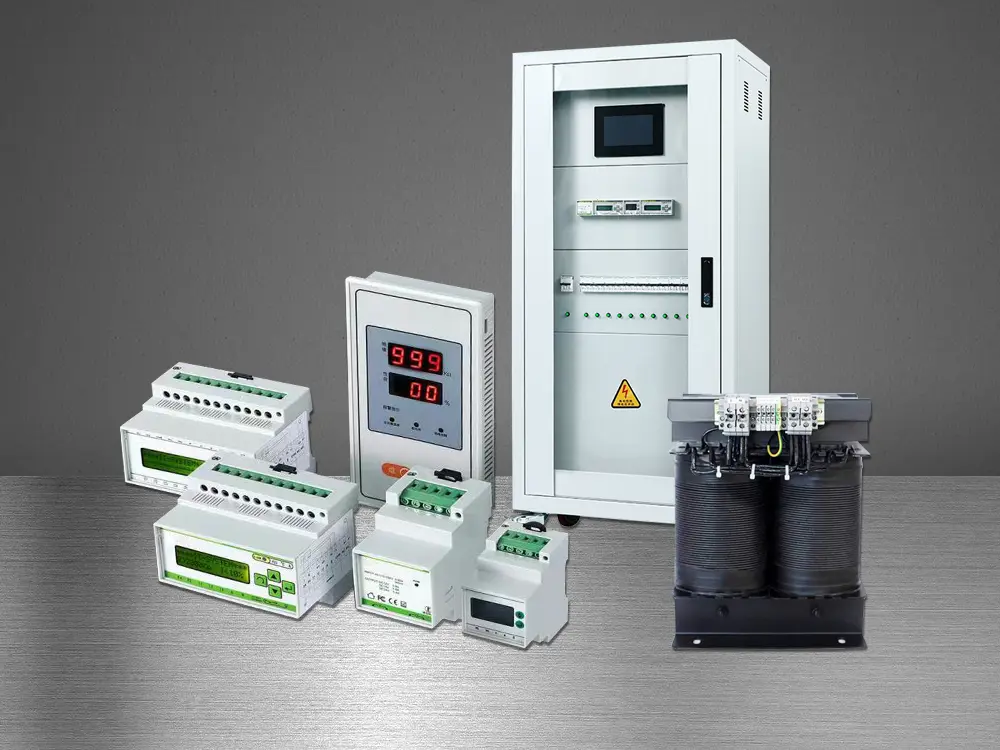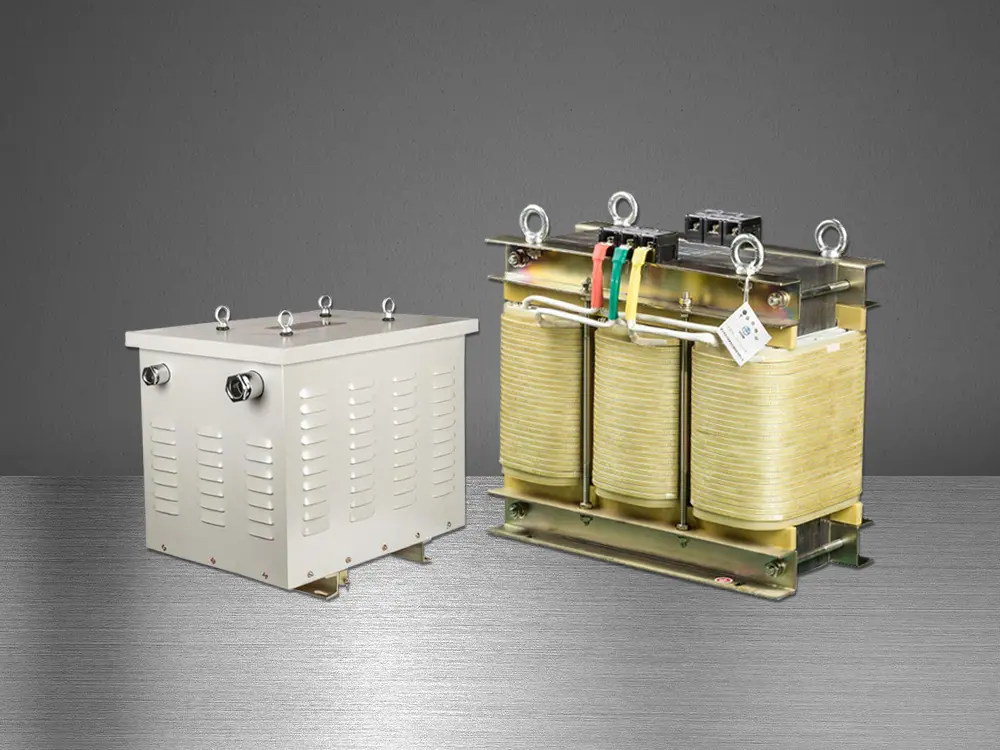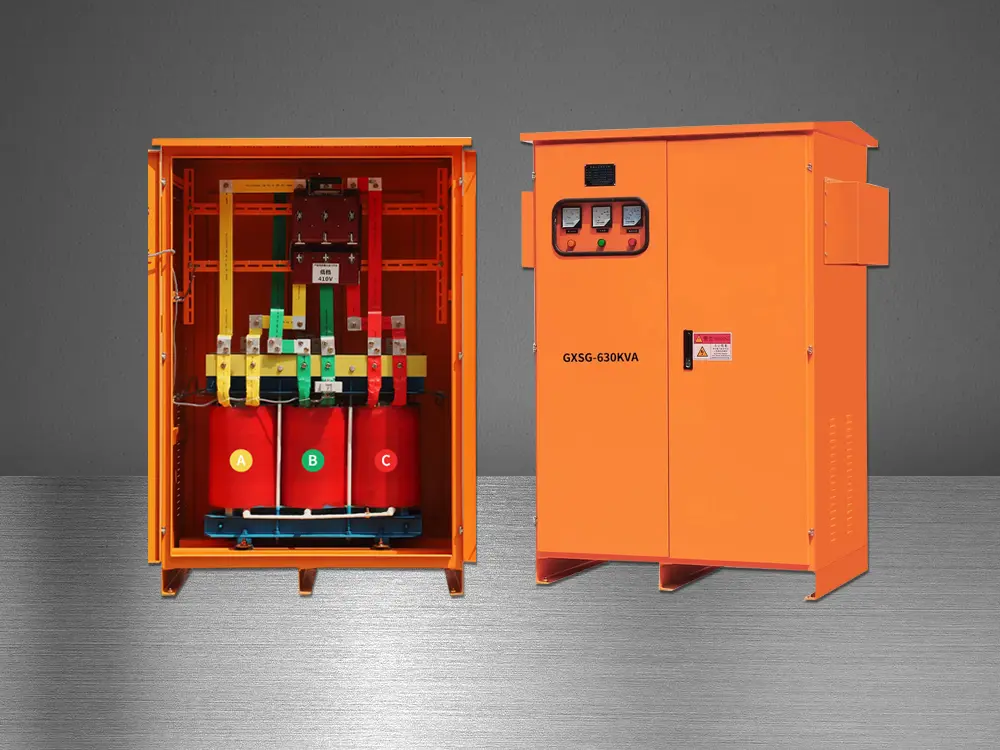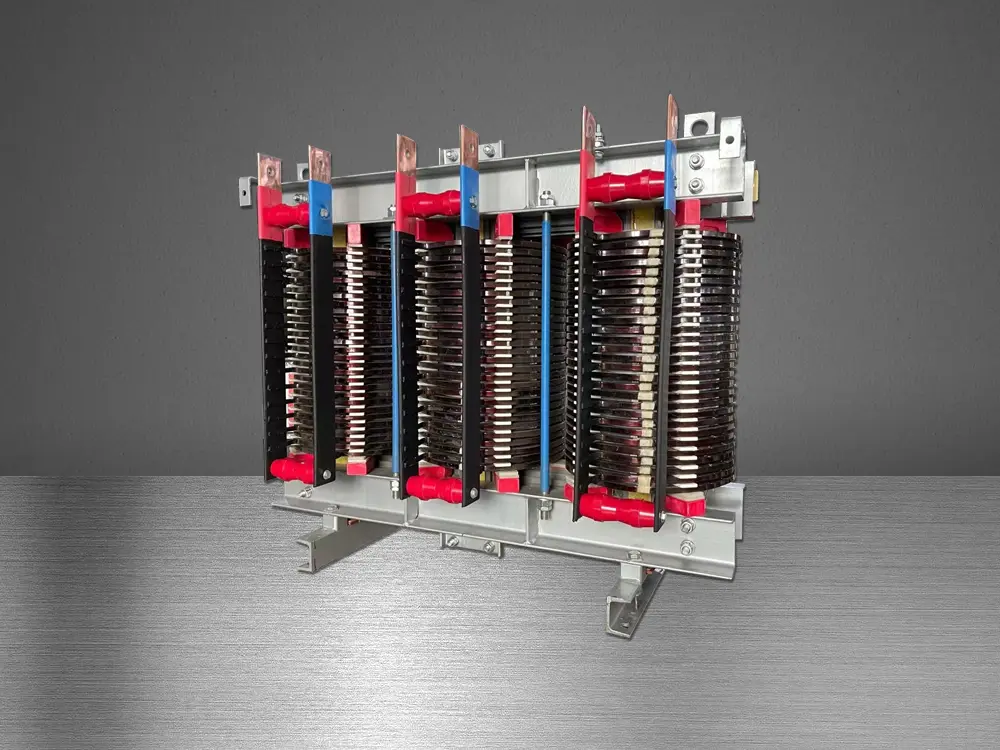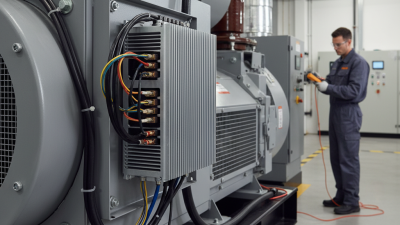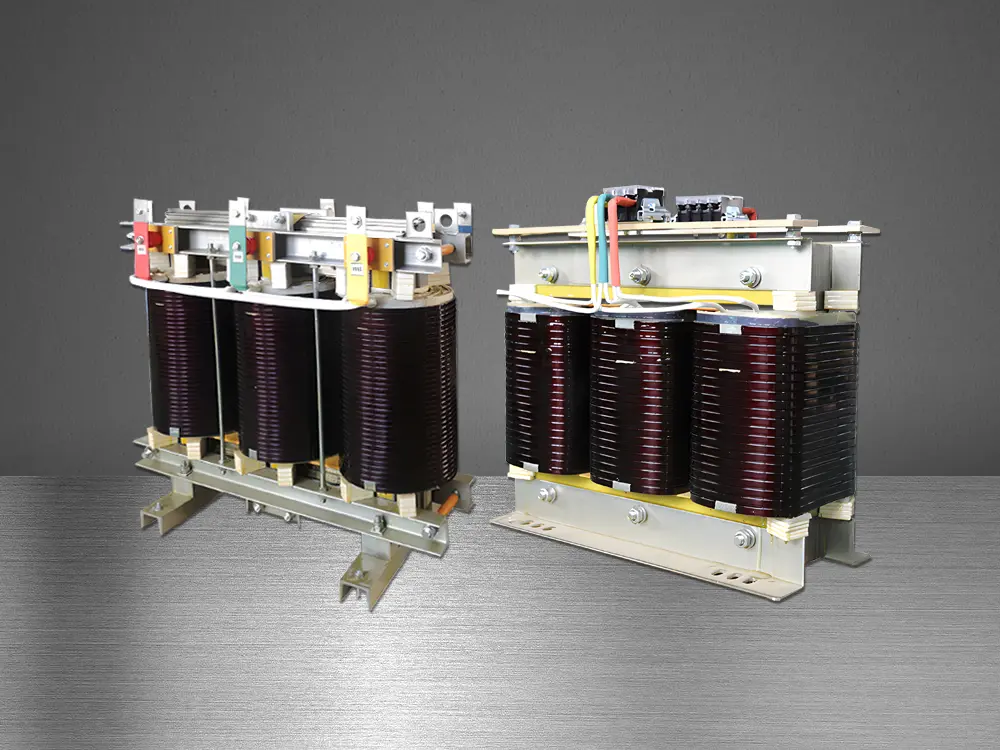
Reliable power depends on more than a transformer’s nameplate rating. A Three Phase Isolation Transformer can help separate circuits and support voltage conversion, but its suitability depends on the load, installation environment, and protection design. Small details matter. A terminal layout, enclosure rating, or cooling method can affect day-to-day operation.
Demand adds pressure to choose carefully. The International Energy Agency’s Electricity 2024 report projected global electricity demand would grow by an average of 3.4% annually from 2024 to 2026. China’s electricity consumption also reached about 9.85 trillion kilowatt-hours in 2024, according to China Electricity Council industry statistics. These figures do not prove that every project needs an isolation transformer. They do show why dependable power equipment and credible supplier information deserve attention.
This guide reviews ten Chinese suppliers of three-phase isolation transformers, focusing on practical comparison rather than promotional claims. Readers should examine rated capacity, input and output voltage, insulation class, temperature rise, efficiency, test documentation, customization options, and after-sales support. Certifications and published specifications are useful starting points, not a substitute for checking project requirements. Supplier rankings can also be imperfect; available evidence and product ranges change over time. Treat the list as a shortlist, then verify each model against your application and request current technical documents before purchasing.
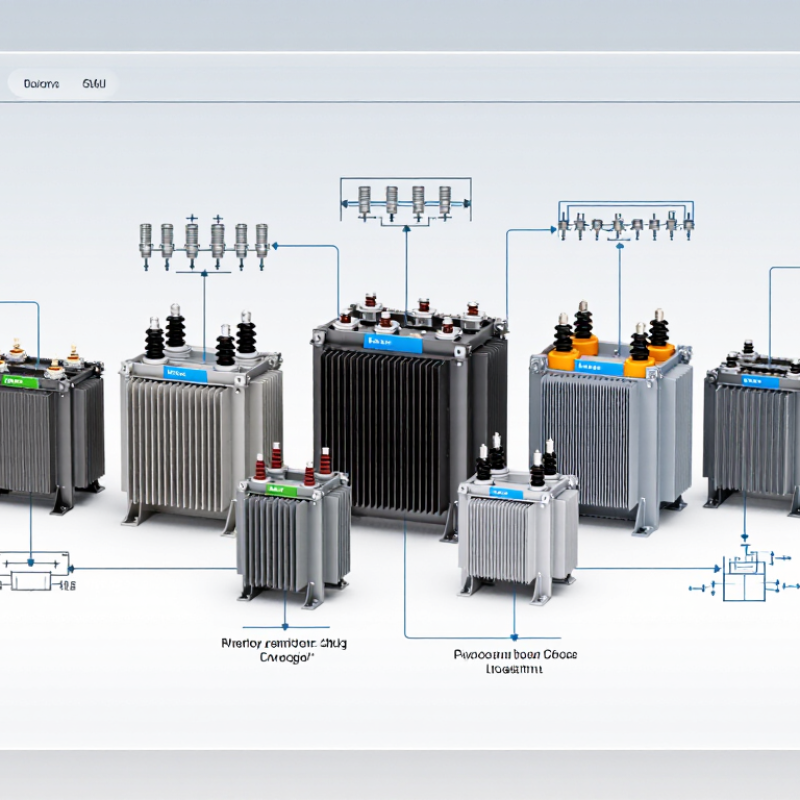
A three-phase isolation transformer transfers power between separate primary and secondary windings through a magnetic core. The windings are not electrically connected, which helps separate downstream equipment from certain upstream electrical faults and reduces some conducted electrical noise. It does not automatically regulate voltage or remove every surge. That distinction matters.
Inside a factory panel, three input phases energize the core, while three secondary phases supply equipment such as variable-speed drives, test benches, or control systems. Winding connections, grounding, load balance, and enclosure temperature all affect the installation. A unit may be configured for different primary and secondary voltages, but isolation alone does not guarantee a suitable neutral or grounding arrangement. Check the equipment requirements and installation conditions.
Efficiency deserves attention, too. The U.S. Department of Energy’s 2013 distribution-transformer standards analysis estimated cumulative energy savings of about 3.63 quadrillion Btu over 30 years for covered transformers. That figure covers a broad product category, not isolation transformers alone. It is useful context, not a prediction for one site. A careful specification should consider rated kVA, insulation class, sound level, cooling method, and expected load. Small details matter. And actual performance can still differ from the calculation.
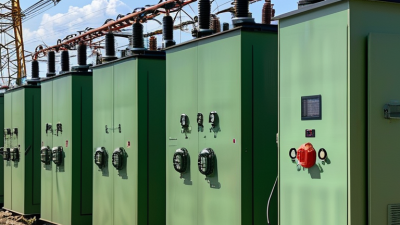
Nominal line-to-line and line-to-neutral voltages in common three-phase systems.
An isolation transformer provides galvanic separation between primary and secondary circuits; it may also change voltage. Actual voltage and winding configurations depend on the installation. Values shown are common nominal system examples, not a supplier ranking.
China’s three-phase isolation transformer market is better understood as a layered supply network than a simple top-ten ranking. Large electrical-equipment manufacturers often serve utility and infrastructure projects, while specialist factories focus on low- and medium-voltage units, custom enclosures, or compact control transformers. Trading companies and system integrators add another layer, coordinating design, testing, and delivery. Their production capacity can differ sharply.
Demand is shaped by grid upgrades, industrial automation, and data-center construction. The International Energy Agency’s 2023 report, Electricity Grids and Secure Energy Transitions, says annual global grid investment needs to rise from about $300 billion to more than $600 billion by 2030. This is global context, not a China-only forecast. Still, it helps explain why buyers assess delivery capacity alongside price. A practical review checks rated power, insulation class, temperature rise, test records, and whether drawings match the supplied unit. Small details matter.
The market has gaps. A supplier may assemble a capable product but outsource core components; another may offer broad customization with limited evidence of repeat production. That picture is useful, but incomplete. Buyers should compare factory test reports and traceability records, then clarify who handles design changes and after-sales faults. A quotation alone proves little. Even polished catalogs can leave unanswered questions.
Choosing a Chinese three-phase isolation transformer supplier requires more than comparing quoted prices. Check whether the supplier can provide routine and type-test reports, winding material details, insulation-class data, and clear loss figures. Ask how the unit performs at your actual voltage, frequency, load profile, and installation temperature. IEC 60076 provides a useful technical reference for power-transformer requirements, but compliance claims should be supported by test records tied to the offered model. The IEA’s 2023 report, Electricity Grids and Secure Energy Transitions, says annual grid investment must rise to more than USD 600 billion by 2030. That pressure makes verified production capacity and realistic lead times important—not just attractive catalog specifications.
Tips: Request a sample test report and confirm its serial number, test date, and scope. Ask for the factory’s monthly output and recent delivery evidence. Paperwork can look perfect. It may still leave gaps; independent inspection can help verify materials, workmanship, and test results before shipment.
Also evaluate after-sales support. Confirm response times, spare-parts availability, warranty exclusions, and who handles commissioning questions across time zones. Compare total ownership costs, including no-load and load losses, rather than purchase price alone. A supplier may offer strong technical documents yet struggle with communication or schedule changes. That is worth checking early. Ask for references from projects with comparable capacity and operating conditions, then speak directly with those buyers where possible.
A credible profile of ten three-phase isolation transformer suppliers should compare engineering capability, not just catalogue size. Check whether each supplier publishes rated power, primary and secondary voltage, insulation class, impedance, temperature rise, and test procedures. Ask for a sample test report and confirm that its readings match the proposed unit. In a factory, clear terminal labels and accessible grounding points matter; they reduce installation uncertainty. A “top ten” list without comparable evidence is only a starting point.
The International Energy Agency’s 2023 report, Electricity Grids and Secure Energy Transitions, says annual grid investment must rise from just over USD 300 billion to more than USD 600 billion by 2030. This signals growing pressure on grid equipment, but it does not prove demand for isolation transformers alone. Supplier profiles should therefore distinguish proven production capacity from broad market forecasts. Compare lead times, customization limits, service support, and documented quality checks. One overlooked detail: quoted capacity may not reflect current factory schedules.
Tips: Request the exact test standard, operating conditions, and guaranteed noise level. Compare like with like. If a profile omits these details, ask why.
| Profile | Typical Product Focus | Common Configuration Options | Potential Applications | Key Details to Verify with the Supplier |
|---|---|---|---|---|
| 1. Industrial General-Purpose Specialist | Three-phase dry-type isolation transformers for general industrial power distribution. | Step-up, step-down, or 1:1 configurations; 50 Hz or 60 Hz; copper or aluminum windings may be available. | Machinery, production lines, and industrial control panels. | Rated capacity, primary and secondary voltages, vector group, temperature rise, and applicable test standards. |
| 2. Control-System Transformer Specialist | Isolation transformers intended for control cabinets and equipment power circuits. | Three-phase input and output; optional taps or separate auxiliary windings depending on the design. | Machine tools, automation equipment, and electrical control systems. | Whether the unit is designed for continuous duty, control loads, specified inrush conditions, and the required enclosure dimensions. |
| 3. Voltage-Conversion Specialist | Transformers configured to match equipment voltage requirements across different supply systems. | Common nominal systems include 380/400/415 V and 440/480 V; exact input and output ratings are project-specific. | Imported machinery, manufacturing facilities, and equipment with non-matching supply voltages. | Actual line voltage, frequency, load current, neutral requirements, and whether the connection changes phase displacement. |
| 4. Low-Voltage Distribution Specialist | Three-phase isolation units for low-voltage distribution and equipment supply. | Dry-type construction is common; indoor enclosures and terminal arrangements vary by model. | Commercial buildings, workshops, and local equipment distribution. | Installation environment, enclosure protection rating, ventilation clearance, grounding arrangement, and short-circuit protection coordination. |
| 5. Power-Quality Application Specialist | Isolation transformers selected as part of power-quality or noise-control projects. | Electrostatic shielding may be offered as an option; performance depends on the complete transformer design and installation. | Sensitive instrumentation, electronic systems, and selected industrial loads. | Shield construction, grounding instructions, impedance, harmonic loading requirements, and any documented noise-attenuation test results. |
| 6. Rectifier and Converter Transformer Specialist | Three-phase transformers designed for rectifier, inverter, or other converter-related loads. | Winding and connection arrangements can be tailored to the converter circuit; harmonic-duty requirements should be specified. | Variable-frequency drives, power-electronic equipment, and industrial conversion systems. | Converter topology, harmonic spectrum, duty cycle, cooling method, winding connections, and thermal design margin. |
| 7. Compact Equipment Transformer Specialist | Space-conscious transformer designs for integration into machinery or electrical assemblies. | Compact dimensions and custom terminals may be available; the achievable size depends on rating and thermal limits. | Skid-mounted systems, packaged equipment, and compact control enclosures. | Overall dimensions, weight, heat dissipation, cable-entry direction, mounting method, and required service access. |
| 8. Enclosed and Environmental-Protection Specialist | Transformers supplied in protective enclosures for specified installation conditions. | Enclosure options may include ventilated or sealed designs; IP ratings must be confirmed for the complete assembly. | Dust-prone areas, utility rooms, and installations requiring additional physical protection. | Required IP rating, ambient temperature, humidity, corrosion exposure, ventilation, and indoor or outdoor installation. |
| 9. Custom-Engineering Specialist | Project-specific three-phase isolation transformers built around customer electrical and mechanical requirements. | Custom voltage combinations, winding connections, terminals, enclosures, and monitoring accessories may be considered. | OEM equipment, retrofit projects, and applications with non-standard interfaces. | Approved drawings, nameplate data, tolerances, inspection plan, documentation, lead time, and change-control process. |
| 10. Export and Project-Supply Specialist | Transformer supply supported by export documentation and project-oriented coordination. | Electrical configuration is selected to match the destination system; packaging and documentation requirements vary by order. | International equipment projects, overseas factories, and replacement installations. | Destination-country standards, inspection certificates, packing requirements, shipping terms, warranty scope, and after-sales support. |
| Editorial note: These are anonymized supplier-profile types, not verified profiles of ten named companies. Configuration examples describe commonly encountered industry options; actual specifications, certifications, production capabilities, and availability must be confirmed directly with each supplier. | ||||
When comparing China-based three-phase isolation transformer suppliers, start with the application, not the catalog. A CNC line with variable-frequency drives needs different harmonic and thermal checks than a laboratory supply. Record input and output voltage, frequency, kVA, duty cycle, ambient temperature, and required isolation level. Request routine and type-test evidence, including temperature-rise, dielectric, impedance, and no-load loss results. Some checks are boring. They matter.
For data-center projects, capacity planning deserves extra scrutiny.
The IEA’s Electricity 2024 report estimates that data centers used about 460 TWh globally in 2022, with demand potentially exceeding 1,000 TWh by 2026.
That projection does not determine transformer size, but it makes overload headroom, cooling, service access, and delivery support worth checking. Compare suppliers’ test methods, material traceability, fault response, spare-part lead times, and warranty exclusions.
Ask for a drawing showing terminals, clearances, enclosure, and cable entry before production approval. Price alone can hide a mismatch. I would not accept a generic “industrial grade” claim without application-specific records. Suppliers may use different test setups, so compare results only when test conditions are stated.