Leave Your Message

China Best AVR Automatic Voltage Regulator Supplier?

Choosing China’s best AVR supplier is not simply a price comparison. An Avr Automatic Voltage Regulator must match the local supply conditions, connected equipment, and expected load. A factory floor with motors starting repeatedly has different demands from a small office protecting computers. The details matter.

The International Energy Agency’s Electricity 2024 report says global electricity demand grew by 2.2% in 2023 and projects average annual growth of 3.4% from 2024 to 2026. That report does not measure AVR sales or prove that voltage instability is rising everywhere. It does, however, underline the need to evaluate electrical equipment carefully as demand expands. Ask suppliers for documented input-voltage range, output regulation, rated capacity, overload behavior, and test procedures. Request test records for the actual model, not only general factory claims. Then check whether the proposed unit suits your load profile.

Look closely at the cabinet, too. Are terminals clearly labeled? Is cooling adequate for the installation space? Can the supplier explain response time and maintenance requirements without vague promises? These are practical signals, not guarantees. A regulator also cannot replace a UPS when uninterrupted power is essential. No single supplier is automatically “best.” Trade-offs remain, and specifications on paper may not reveal performance under real operating conditions. A careful comparison of verified test data, service support, and warranty terms gives buyers a more dependable basis for choosing a Chinese AVR manufacturer.
China Best AVR Automatic Voltage Regulator Supplier?

What Is an Automatic Voltage Regulator (AVR)?

An automatic voltage regulator (AVR) is an electronic control device that helps keep a generator’s output voltage near its set value. It monitors voltage continuously. When the load changes or engine speed shifts slightly, the AVR adjusts excitation current in the generator’s field winding. This helps prevent lamps from dimming when a pump starts or voltage from rising when equipment switches off. The exact response depends on the generator design and the AVR’s rated specifications.

An AVR is useful, but it is not a cure-all. It does not normally correct unstable frequency, an overloaded generator, or faulty wiring. That distinction is easy to miss. For a suitable replacement, check the generator’s voltage, phase, frequency, current rating, sensing method, and connection diagram. Also consider the operating environment; a dusty enclosure or high temperature can affect component life. During testing, measure voltage both without a load and while equipment is running. A steady reading at one moment may not tell the whole story. AVR selection can seem straightforward, yet compatibility details deserve a second look.
How Does an AVR Work?

How Does an AVR Work?

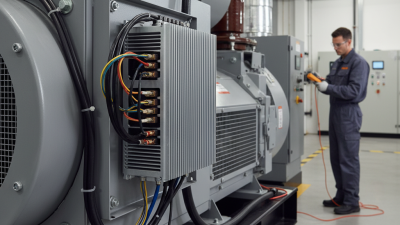
An automatic voltage regulator (AVR) continuously measures incoming voltage and compares it with a target value. When voltage falls or rises, its control circuit adjusts the output. Depending on the design, correction may use transformer taps, a moving brush, or solid-state components. Think of a workshop light: when nearby machinery starts, the supply may dip, and the AVR responds to keep connected equipment within its operating range. Not magic. The response has limits.

The European standard EN 50160:2022 states that, under normal conditions, 95% of weekly 10-minute mean voltage values on public low-voltage networks should remain within ±10% of declared voltage. This gives useful context, but it does not guarantee stable voltage at every socket or protect every device. An AVR can correct voltage variation; it does not normally correct frequency changes or replace surge protection. Its performance also depends on load, input range, and response time.

For practical selection, check the rated capacity against the equipment’s starting demand, not just its steady running wattage. A motor can draw a brief surge when it starts. That detail is easy to overlook. Installation conditions matter too: ventilation, wiring quality, and proper grounding affect safe operation. I would also compare published regulation accuracy and response-time test results, rather than relying on broad claims. Specs can look neat on paper; real loads are less tidy.

What Types of AVRs Do Chinese Suppliers Offer?

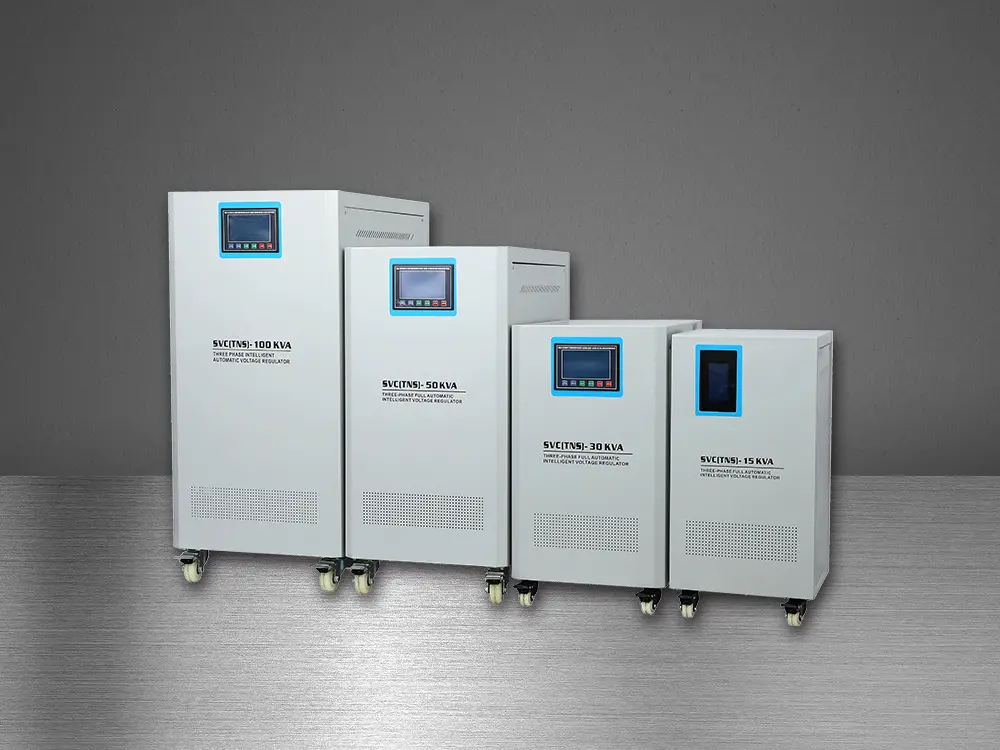
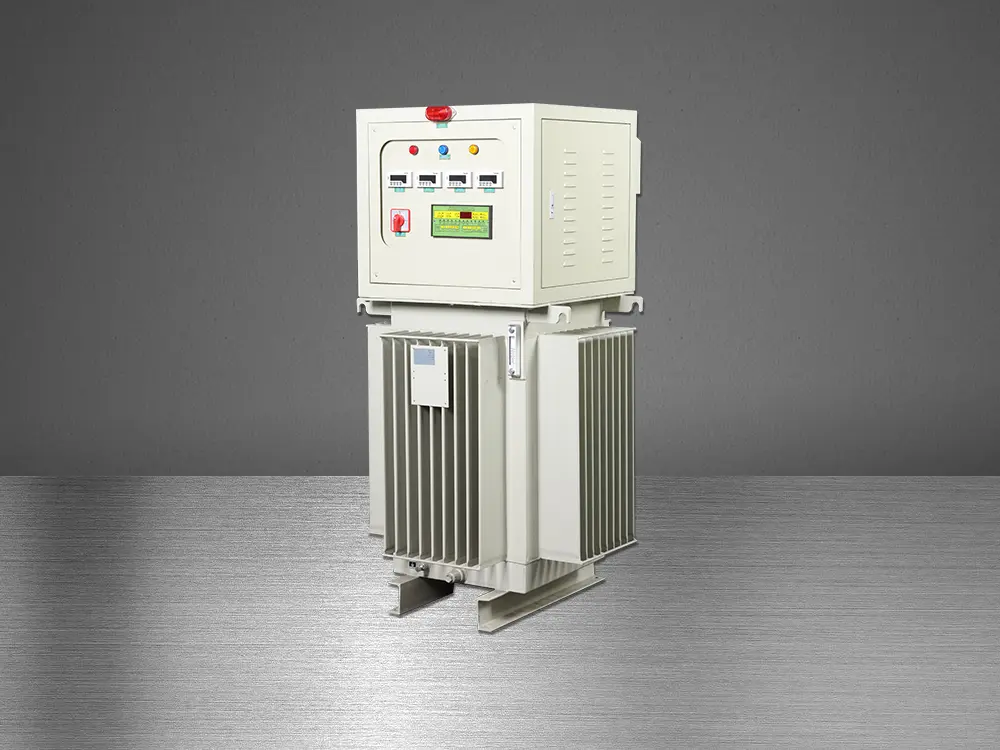
Chinese suppliers offer several AVR types, each suited to different equipment. For generator sets, brushless excitation AVRs adjust field current to help maintain output voltage as loads change. Static electronic regulators use solid-state components and respond quickly, while servo models move a variable transformer to correct voltage. Relay-type units switch between preset steps; they are simpler, but voltage correction may be less smooth. Suppliers also offer single-phase and three-phase versions.

Not all are interchangeable. A generator AVR usually controls the alternator’s excitation; it is not the same as a mains voltage stabilizer. Before choosing, check the generator model, rated voltage, frequency, phase, sensing range, and load conditions. Ask for the wiring diagram and test data, and confirm how the unit handles sudden load changes. Build quality and documentation can vary between suppliers, so compare specifications rather than relying on a product label alone.

Tips: Match the AVR to the generator’s excitation system. Check terminal markings before installation, and have a qualified technician verify the wiring. A small mismatch can cause unstable output.

How to Evaluate Chinese AVR Suppliers

China Best AVR Automatic Voltage Regulator Supplier?
How to Evaluate Chinese AVR Suppliers

Choosing an AVR supplier takes more than comparing prices. Start with the unit’s rated capacity, input voltage range, output accuracy, and response time. These figures should match your equipment and the conditions at your installation site. Ask for a test report showing performance under load, not only an empty-bench demonstration. Numbers matter. Check whether the supplier can explain how its test results were produced and what tolerances apply.

Review quality controls, too. Ask how incoming components are inspected, how finished units are tested, and whether production records can be traced to a specific unit. A sample can reveal details a catalog misses: terminal markings, enclosure finish, fan noise, and the clarity of the wiring diagram. Ask for proof. Discuss spare parts, repair support, lead times, and warranty terms before placing an order. Clear answers are useful, but written specifications are better. A spreadsheet helps, though it cannot show how responsive a team will be when a shipment is delayed. I would not treat one impressive factory visit as proof of consistent quality; repeatable test records and direct technical communication matter more. Be cautious when a supplier promises exact performance without stating test conditions.

China Best AVR Automatic Voltage Regulator Supplier? How to Evaluate Chinese AVR Suppliers

Suggested buyer-defined evaluation weights, not measured supplier rankings: prioritize electrical performance and safety, then assess quality consistency, service, delivery, and documentation. Verify each supplier’s model-specific datasheets, test reports, applicable certifications, warranty terms, and delivery commitments before comparing offers.

How to Select an AVR Supplier for Your Requirements

China Best AVR Automatic Voltage Regulator Supplier?

How to Select an AVR Supplier for Your Requirements

Choosing an AVR supplier starts with your actual electrical conditions, not a product catalogue. Record the normal input range, required output voltage, load capacity, and operating environment. A workshop with large motors may need a regulator that handles brief starting surges. An office with sensitive instruments may need tighter output control. Small details matter.

Ask suppliers for clear specifications and test records. Check how the unit responds to voltage changes, overloads, and temperature variation. Confirm that its rated capacity suits your continuous load, with room for expected peaks. A datasheet should state these limits plainly. Ask for evidence. If performance claims are vague, request test conditions or a sample report. Brochures alone do not show how equipment behaves under real loads.

Compare service, too. Can the supplier help verify sizing before purchase? Are wiring diagrams, installation guidance, and replacement parts available? Ask how faults are diagnosed and how quickly technical support responds. For equipment used in dusty rooms or hot production areas, discuss enclosure protection and cooling requirements. I would not choose on price alone; still, the most expensive model is not automatically the right fit. Suppliers sometimes overlook unusual loads, so share a measured load profile when possible. A practical review of your site conditions can prevent a poorly matched regulator.