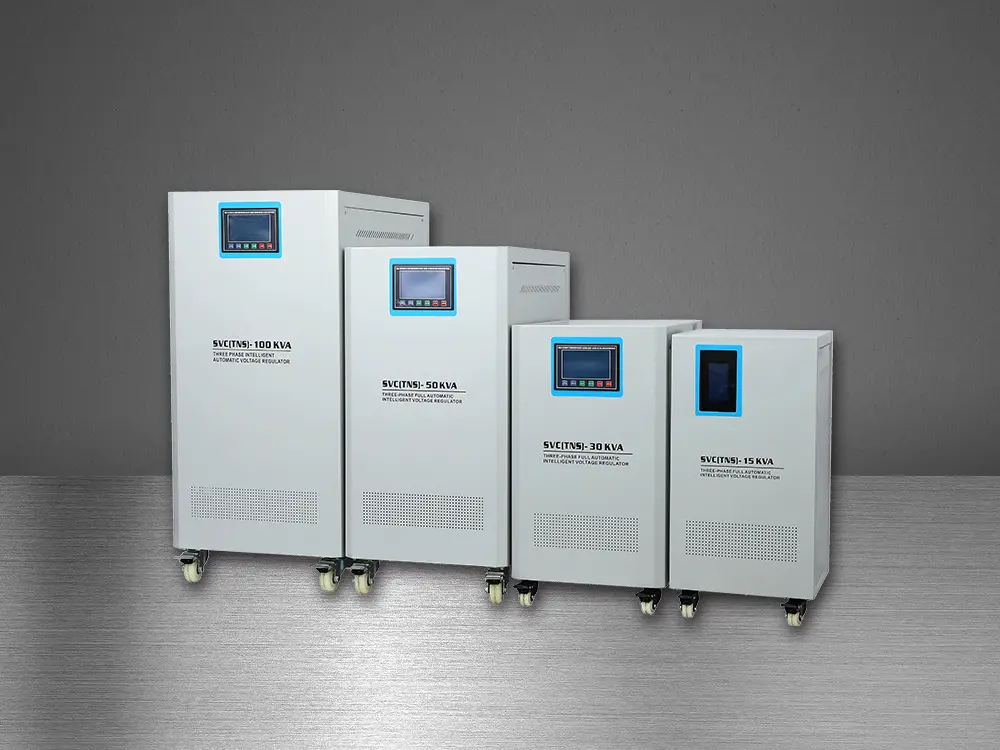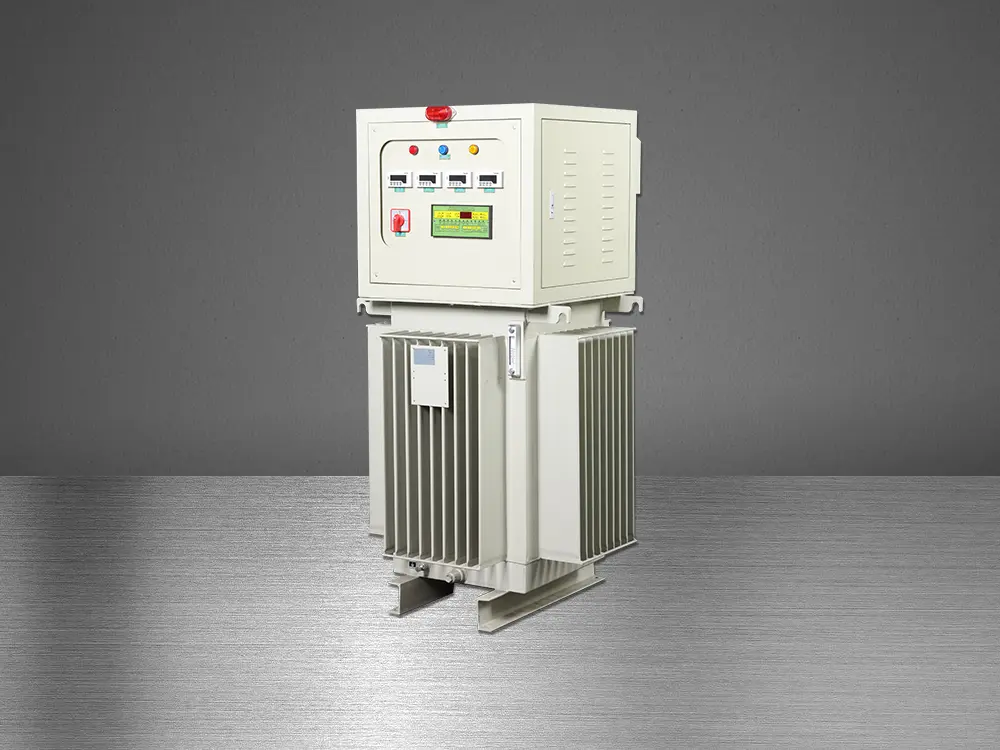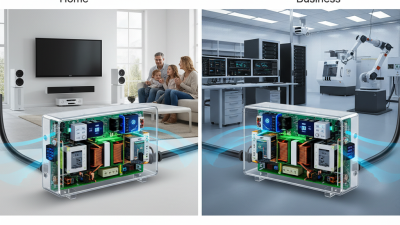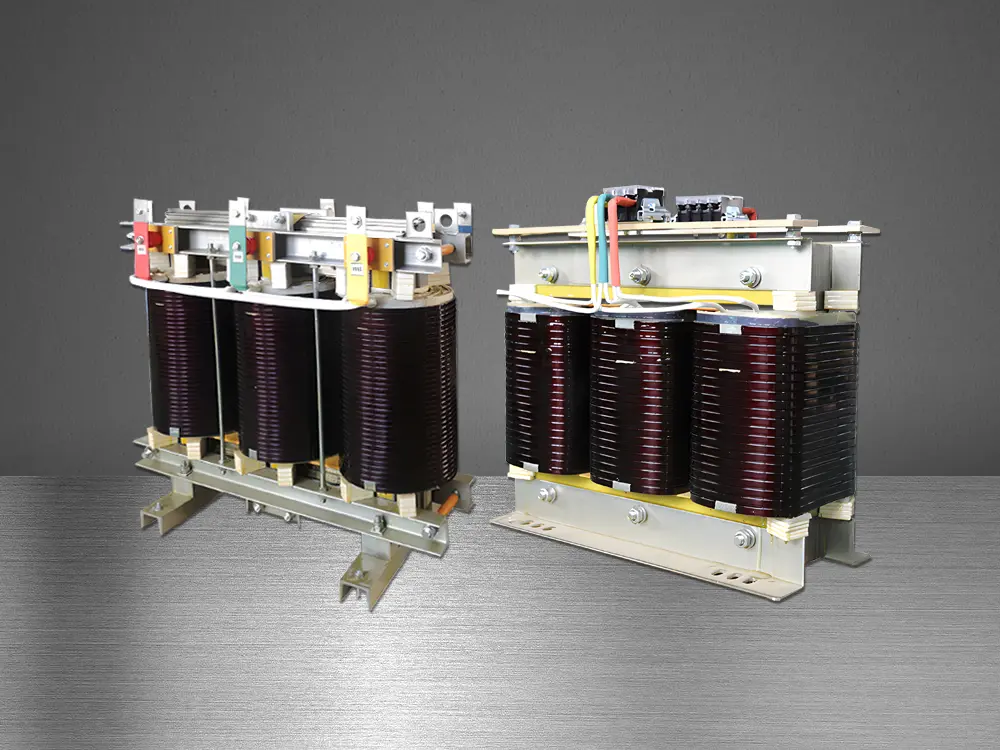
China has become a major manufacturing center for Safe Power Systems, especially portable power stations, lithium batteries, inverters, and backup units. The International Energy Agency reported in 2024 that China produced about 80% of global battery cells in 2023. Scale matters. However, scale does not automatically guarantee safety.
A reliable evaluation should examine cell chemistry, battery-management software, thermal protection, inverter design, and traceable testing. Look for evidence linked to IEC 62133-2, UN 38.3, UL 9540, or relevant regional certification. The IEA’s Batteries and Secure Energy Transitions report also warns that rapid battery expansion requires stronger safety practices and supply-chain oversight. Labels alone are not enough.
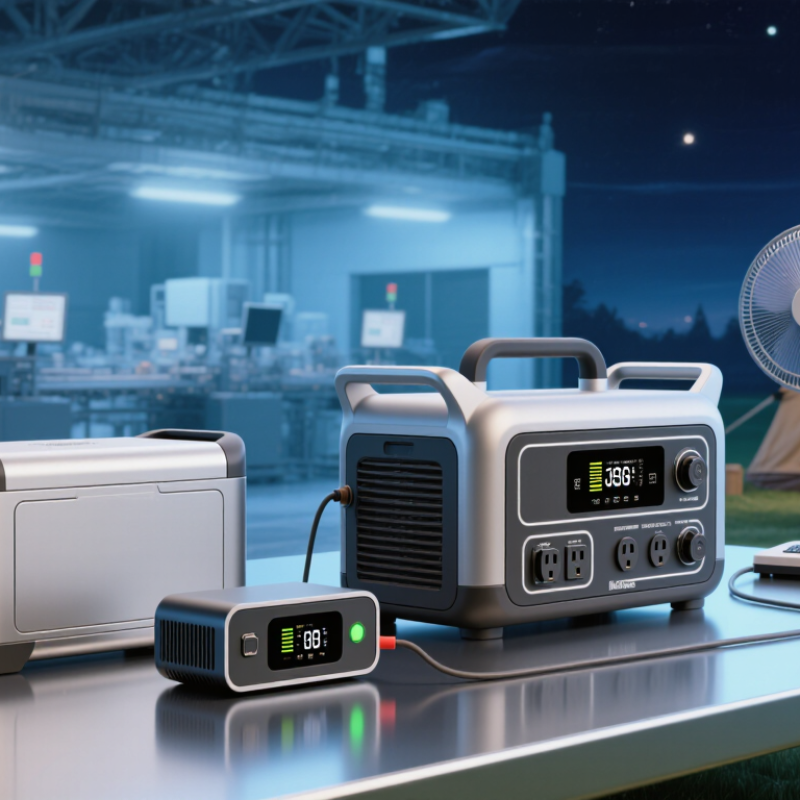
Nobel Prize-winning battery scientist Dr. Stanley Whittingham has repeatedly emphasized, “Safety is a very important issue.” That principle should guide every comparison of Chinese power systems. A safe unit should remain stable during charging, high loads, transport, and repeated daily use. Imagine a campsite at midnight: the fan is running, a laptop is charging, and the display shows remaining capacity. The system should stay cool, quiet, and predictable.
This guide has a limitation. Factory quality can vary between models, batches, and sellers. A polished product page cannot reveal every weakness. Therefore, the best Safe Power Systems are not judged by capacity alone. They combine verified testing, clear protection features, dependable after-sales support, and honest technical documentation. The strongest choice may not be the cheapest one.
China’s power-system market has become central to global energy storage. The International Energy Agency reported that China produced about 75% of the world’s battery cells in 2023. That exceeds the 70% threshold often cited in industry discussions. The country also supplies much of the global battery-material and component chain. This scale can lower costs and accelerate technical improvements. However, high production volume does not automatically prove safety.
A safer Chinese power system should combine stable cell chemistry, a reliable battery-management system, thermal monitoring, and clear traceability. In practice, buyers should request test records under IEC standards and UN 38.3 transport requirements. Independent inspection also matters. It can reveal weak wiring, poor enclosure sealing, or uneven cell performance. Small details matter here.
The IEA’s Batteries and Secure Energy Transitions report notes that China holds a dominant position in battery manufacturing capacity. BloombergNEF’s 2024 Battery Price Survey also showed China’s battery-pack prices remained below global averages. Lower prices are useful, but they may encourage rushed purchasing. That is where careful evaluation becomes essential. A cheaper system can still carry higher maintenance risks if installation support is weak. Some specifications look excellent on paper. Real operating data may be less complete, which deserves honest attention.
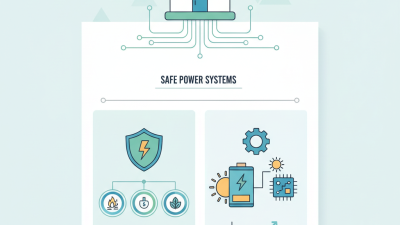
What Are the Best Safe Power Systems from China?
China’s strongest safe power systems usually begin with lithium iron phosphate (LFP) cells. Their chemistry offers good cycle life and lower fire risk than many nickel-based alternatives. In practical inspections, I look for consistent cell spacing, clean busbar connections, and traceable test records. A battery can look excellent outside and still hide uneven internal resistance. That remains an uncomfortable possibility.
The battery management system, or BMS, is the system’s decision center. It monitors voltage, current, temperature, and state of charge. Reliable controls should stop charging during overvoltage, overheating, or abnormal current events. Cell balancing also matters, especially after months of daily use. A useful BMS should record faults clearly, not simply display a green light. Simple interfaces are often safer.
Thermal protection needs more than one sensor. Good systems combine temperature probes, cooling paths, flame-resistant materials, and automatic shutdown controls. During evaluation, I would check performance under high load, blocked ventilation, and repeated charging cycles. These tests reveal weaknesses that showroom demonstrations can miss. No system is perfect. Even LFP storage requires correct installation, spacing, and regular inspection. A rushed assessment can create false confidence.
A safe Chinese power system should pass three separate checkpoints: transport, battery, and product safety.
UN 38.3 confirms that lithium batteries tolerate vibration, shock, pressure, temperature changes, and external short circuits during transport. It is not a complete product safety approval. Ask for the current test report, cell configuration, rated watt-hours, and matching model number.
IEC 62133-2 evaluates rechargeable lithium battery safety during normal use and foreseeable misuse. Inspectors should check overcharge protection, forced discharge behavior, insulation, wiring, and enclosure strength.
GB 4943.1-2022 addresses electrical, fire, energy, and mechanical hazards in information and communication technology equipment. Its evidence should match the finished power system, not only a similar battery pack. Small differences matter.
The International Energy Agency reported that China produced about 75% of global battery cells in 2023. Scale is impressive, but scale does not replace traceable testing. A reliable supplier should provide laboratory accreditation, factory quality records, production-date controls, and a clear declaration of conformity.
Also verify transport documents before shipment. UN 38.3 files can be genuine yet outdated. That mistake happens more often than buyers expect.
A practical audit may include opening one sample unit, photographing connectors, and comparing internal labels with certification files. No checklist is perfect. Certification can still miss poor assembly, damaged cells, or weak after-sales control.
Choosing safe power systems from China requires more than reading a peak-efficiency figure. For UPS equipment, a practical target is above 90% efficiency across 25%, 50%, and 100% loads. The EU Code of Conduct for Energy Efficiency and Quality of AC UPS Systems sets higher efficiency expectations for modern operating modes. Online UPS designs can provide zero transfer time, while line-interactive systems commonly transfer within 4–10 milliseconds. That difference matters when servers, medical instruments, or control units cannot tolerate even a brief voltage gap.
Battery claims need stricter checking. NREL’s 2024 Annual Technology Baseline uses approximately 4,000 cycles as a representative lithium-ion storage assumption, but real life depends on temperature, depth of discharge, charging speed, and maintenance. A credible Chinese supplier should publish cycle-test conditions, not only “6,000 cycles.” Ask for capacity retention at 80% depth of discharge. Ask for thermal-runaway test evidence under GB/T 36276 or IEC 62619 requirements. Small details reveal a lot.
Uptime Institute’s 2024 data-center survey continues to identify power-related failures as a major operational risk. Therefore, efficiency alone is incomplete. Check transfer-time records, overload behavior, bypass performance, alarm logs, and battery isolation design. I would also request third-party test reports with serial-number traceability. A polished datasheet is not proof. Field temperature may be higher than the laboratory. That is where careful buyers should remain skeptical.
Representative performance comparison of common UPS configurations using widely published industry ranges. Higher efficiency and cycle life are preferred, while lower transfer time improves load protection.
Typical reference values: efficiency is measured at rated load, cycle life assumes standard depth-of-discharge conditions, and online double-conversion UPS systems provide zero transfer time because the load is continuously supplied by the inverter. Actual performance varies with operating temperature, load profile, battery management, and configuration.
The safest power systems from China should be compared by risk, standards, and total cost. A low purchase price proves little. Check cell chemistry, battery-management software, thermal sensors, insulation, and enclosure design. LFP chemistry generally offers stronger thermal stability than nickel-based alternatives. The International Energy Agency reported that LFP batteries were nearly 30% cheaper than NMC batteries in 2023. However, chemistry alone cannot prevent poor assembly or software failure.
Standards provide a clearer comparison. Look for test evidence against IEC 62619, IEC 62133-2, and relevant Chinese GB requirements. UN 38.3 confirms transport testing, not complete product safety. Ask for protection records covering overcharge, short circuit, overheating, and abnormal charging. BloombergNEF reported average lithium-ion pack prices of 115 US dollars per kilowatt-hour in 2024. Retail prices may differ greatly because of inverters, certification, warranty support, and usable capacity. Compare cost per usable kilowatt-hour, not advertised capacity.
Tips: Request independent test reports, production-batch traceability, and a written warranty. Inspect cable connectors and ventilation paths. Small details matter. A system with a 2,000-cycle claim may deliver less under heat or heavy loads. Also check idle consumption, noise, repair access, and emergency shutdown behavior. No scorecard is perfect. Supplier transparency still deserves a measurable score.