How to Choose the Best Automatic Voltage Regulator for Your Needs?
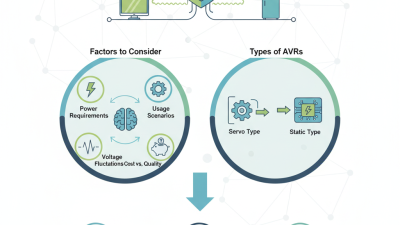
Choosing the right Automatic Voltage Regulator (AVR) is crucial for your electrical needs. An AVR ensures that your devices receive a stable voltage supply. This stability protects equipment from damage due to voltage fluctuations. However, not all AVRs are the same. Each device has unique requirements.
Understanding your energy consumption is key. Calculate the total wattage of equipment you plan to connect. Consider factors such as peak load and continuous load. This will help in selecting an appropriate AVR capacity. Reliability and brand reputation also play significant roles. It is wise to research options and read reviews before making a decision. Expert recommendations can guide you to reputable brands.
Some users face challenges when selecting an AVR. Miscalculating the required capacity can lead to inefficiency. In some cases, users may experience over-voltage or under-voltage situations. It is essential to reflect on your specific needs. This reflection will improve your decision-making process and ultimately enhance your system's reliability.
Understanding Voltage Variations and Their Impact on Equipment Performance
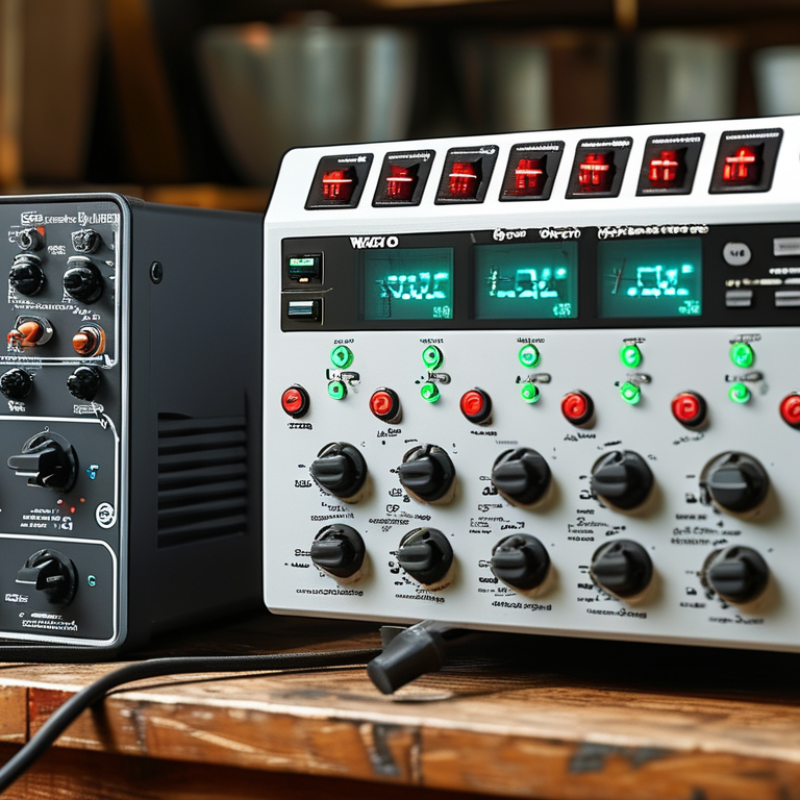
Voltage fluctuations can significantly impact the performance of various equipment, especially in sensitive environments. Variations in voltage, whether caused by supply issues or changing loads, may lead to operational inefficiencies. Equipment may underperform or even sustain damage. This is particularly critical for devices that require stable power input, like computers and laboratory equipment.
Selecting an automatic voltage regulator (AVR) can help mitigate these issues. A quality AVR stabilizes voltage, ensuring consistent performance. However, it's essential to understand your specific voltage requirements and the typical fluctuations in your area. Some regions experience regular surges or drops, which can degrade equipment over time. An unregulated supply can lead to unexpected downtime and costly repairs.
When choosing an AVR, consider factors like load capacity and response time. These elements significantly influence how well the AVR will perform. It's important to evaluate your needs and recognize that not all AVRs are created equal. Often, less-known models can outperform larger brands, but they may lack comprehensive support. Do thorough research to make an informed decision that suits your unique requirements.
Types of Automatic Voltage Regulators and Their Applications in Various Industries
When selecting an automatic voltage regulator (AVR), it's essential to understand its types and applications across various industries. There are several categories of AVRs, each with unique features tailored for specific requirements. For example, static AVRs provide rapid response times and are widely used in data centers. They ensure stable voltage levels, protecting sensitive equipment from fluctuations.
In contrast, rotating AVRs are often used in industrial settings. They are more robust, handling higher loads. They incorporate mechanical components, making them suitable for heavy machinery. Nonetheless, these systems require more maintenance and may involve downtime for repairs.
There are also digital AVRs, offering precise control and multiple monitoring options. These are ideal for renewable energy applications, such as wind and solar farms. Their ability to adapt to changing conditions is a significant advantage. However, not all digital models are user-friendly. Some require lengthy installations, which can frustrate users. Understanding the specific environment and load requirements is crucial for making an informed decision. The right AVR can lead to efficiency gains, but the wrong choice may result in inadequate protection and unnecessary expenses.
Key Specifications to Consider When Selecting an Automatic Voltage Regulator
When selecting an automatic voltage regulator (AVR), understanding key specifications is crucial. The voltage range is a primary metric. This range should match your equipment's requirements. Look for manufacturers that provide clear voltage ratings.
Another important specification is load capacity. This indicates how much power the AVR can handle. Ensure it exceeds your peak load demands. It’s also wise to pay attention to response time. Faster response times lead to better voltage stability for sensitive electronics.
Tip: Avoid cutting corners on quality. An unreliable AVR can lead to damage or inefficiencies. Conduct research on feedback from trusted sources. Certifications can also signify quality.
Lastly, consider protection features. Surge protection is essential for safeguarding your devices. Overvoltage and short-circuit protections are necessary. Evaluate the AVR’s ability to handle fluctuating environments, particularly if used in mobile or outdoor settings. Invest time in understanding these specifications for a better decision.
Choosing the Best Automatic Voltage Regulator
The chart above illustrates key specifications to consider when choosing an automatic voltage regulator, including response time, input voltage range, output voltage stability, load capacity, and efficiency. Understanding these metrics can help ensure you select a regulator that meets your specific requirements.
Evaluating the Efficiency Ratings of Automatic Voltage Regulators
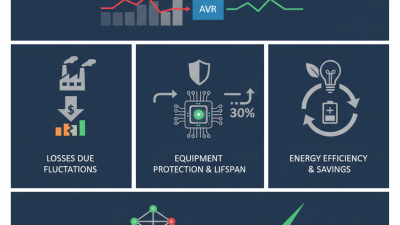
Evaluating efficiency ratings is crucial when selecting an automatic voltage regulator (AVR). An efficient AVR stabilizes voltage and protects sensitive equipment. According to industry reports, a high-efficiency rating can save up to 30% on energy costs. This means that investing in an efficient AVR pays off over time.
Look for AVRs with efficiency ratings above 90%. These models tend to have lower energy losses. However, remember that an AVR’s efficiency can fluctuate under different load levels. Consider how often your equipment runs at varying loads. An AVR that performs well under constant loads might not be as efficient in fluctuating conditions.
While many AVRs offer good efficiency, not all deliver reliability. Choose models with proven track records based on user reviews and expert recommendations. Some installations might require additional features like surge protection or auto-referencing. These can enhance stability but may also affect the AVR's efficiency. Balancing these aspects can lead to informed choices that meet your specific needs.
Cost vs. Benefit Analysis: Investing in a High-Quality Voltage Regulator
Investing in a high-quality automatic voltage regulator (AVR) can be a game changer. A well-chosen AVR stabilizes voltage levels, protecting sensitive equipment. When considering the cost, many focus solely on the initial price, overlooking the long-term benefits. A cheaper AVR may save you money upfront but can lead to equipment damage, resulting in higher repair costs.
Quality AVRs often come with advanced features that enhance their reliability. They may provide better surge protection and ensure consistent power supply. These features contribute to extended equipment life. It's crucial to weigh these benefits against the initial costs. A high-quality AVR might seem pricier, but it can prevent costly downtime.
Reflect on your specific needs before making a decision. Assess the critical equipment you'll be protecting. Consider how often the voltage fluctuates in your area. A reliable voltage regulator should not only meet your current needs but also adapt to future demands. This foresight can save significant costs down the line. Remember, investing in quality often pays for itself.
How to Choose the Best Automatic Voltage Regulator for Your Needs? - Cost vs. Benefit Analysis
| Voltage Regulator Type |
Input Voltage Range (V) |
Output Voltage (V) |
Max Current (A) |
Cost ($) |
Benefits |
| Servo Controlled |
90-260 |
110/220 |
15 |
250 |
High accuracy, suitable for sensitive equipment |
| Relay Type |
90-300 |
120/240 |
10 |
150 |
Cost-effective, reliable for standard applications |
| Digital AVR |
100-400 |
110/220 |
20 |
300 |
Inbuilt microprocessor, high performance |
| Static AVR |
115-230 |
120/240 |
25 |
400 |
Fast response time, excellent voltage stabilization |

 Three-Phase Isolation Transformer
 Control Transformer
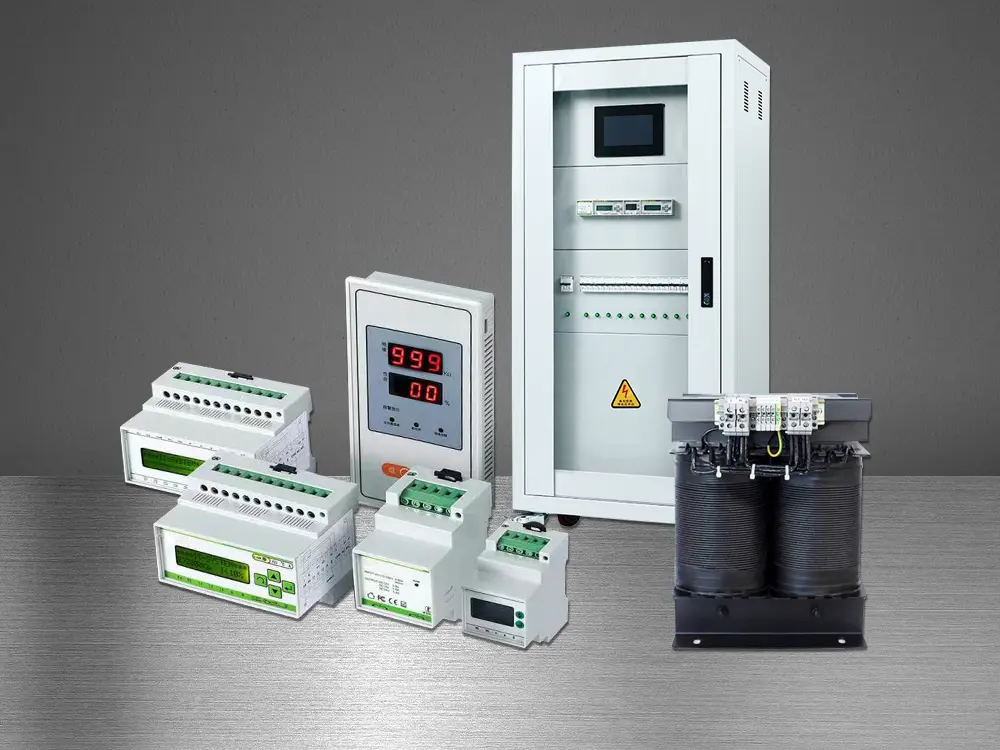 Medical IT Isolated Power System
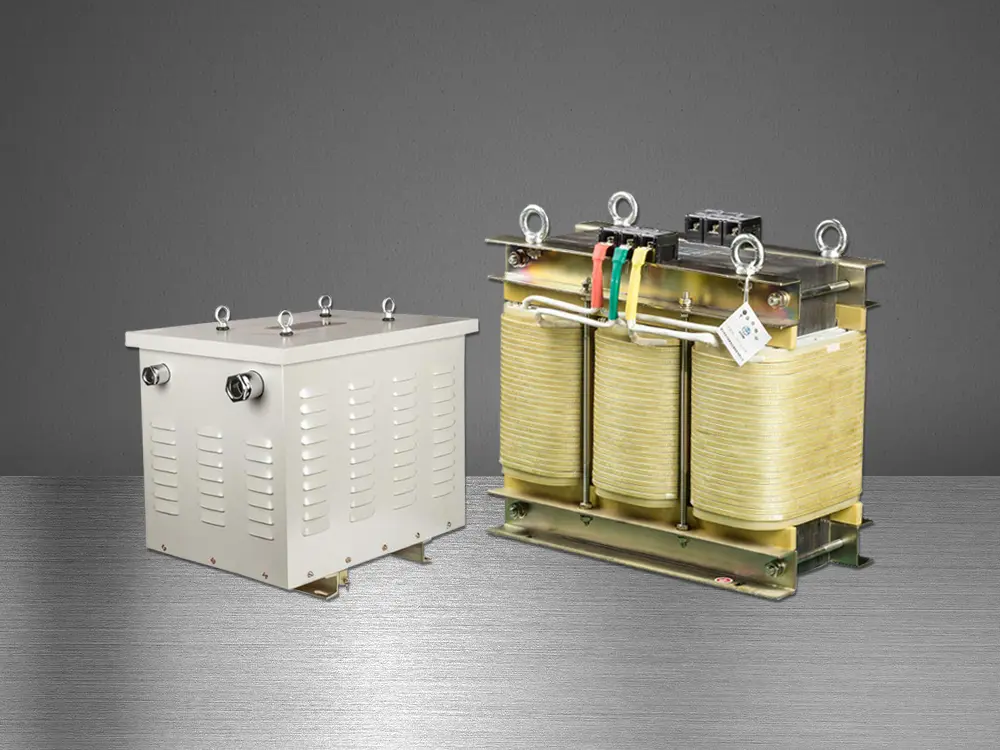 Marine Transformer
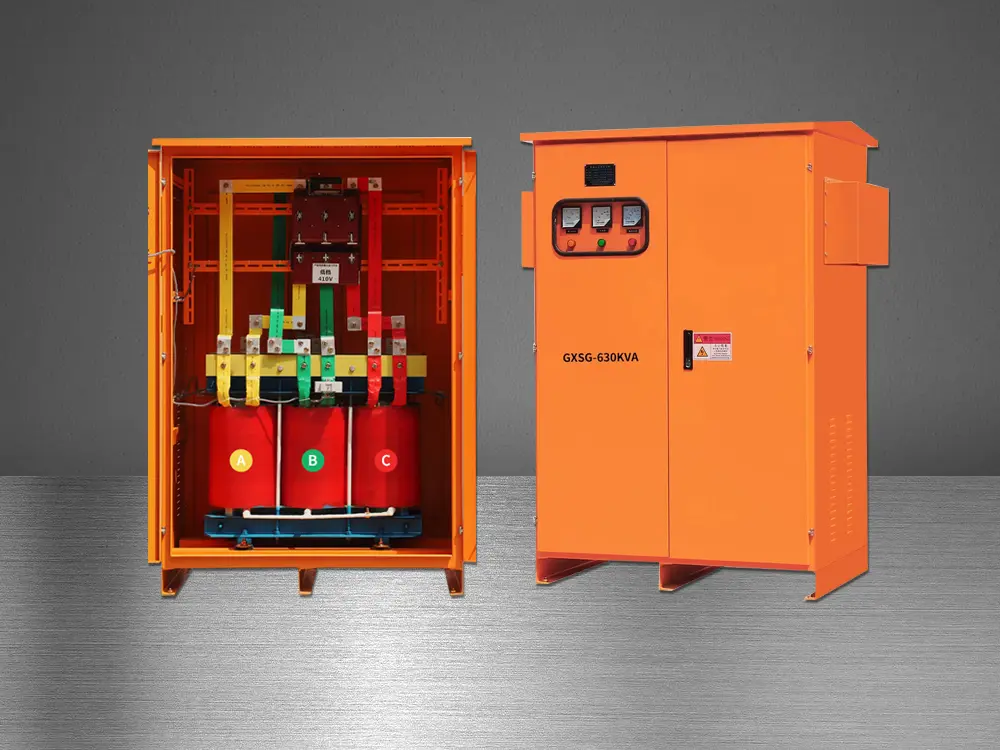 Tunnel Transformer
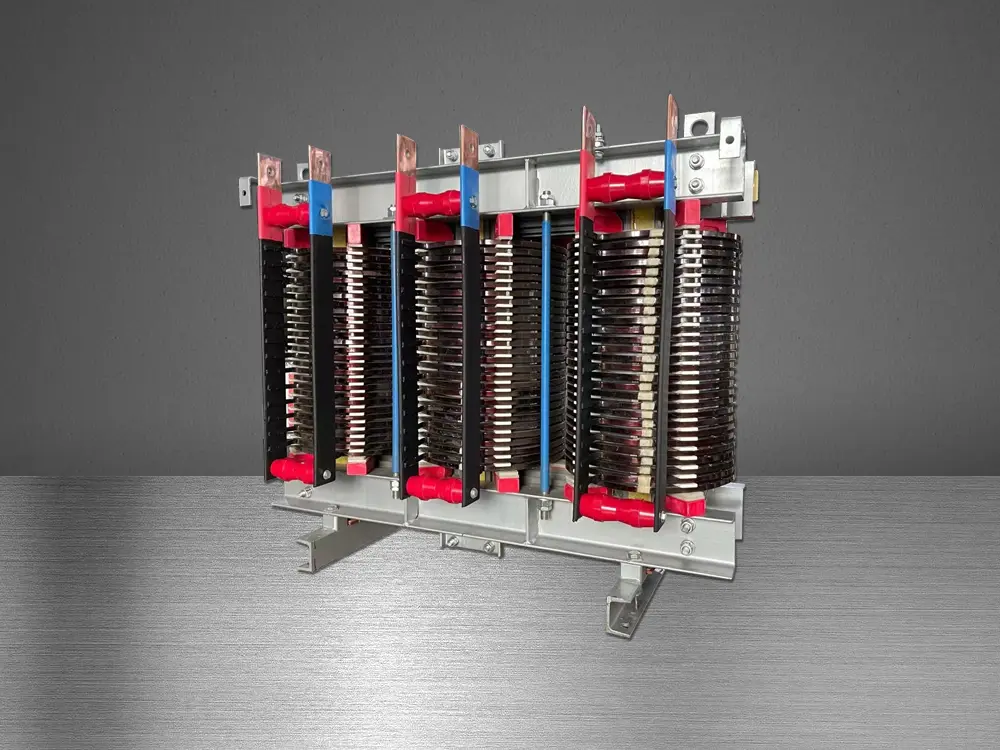 High Current Transformer
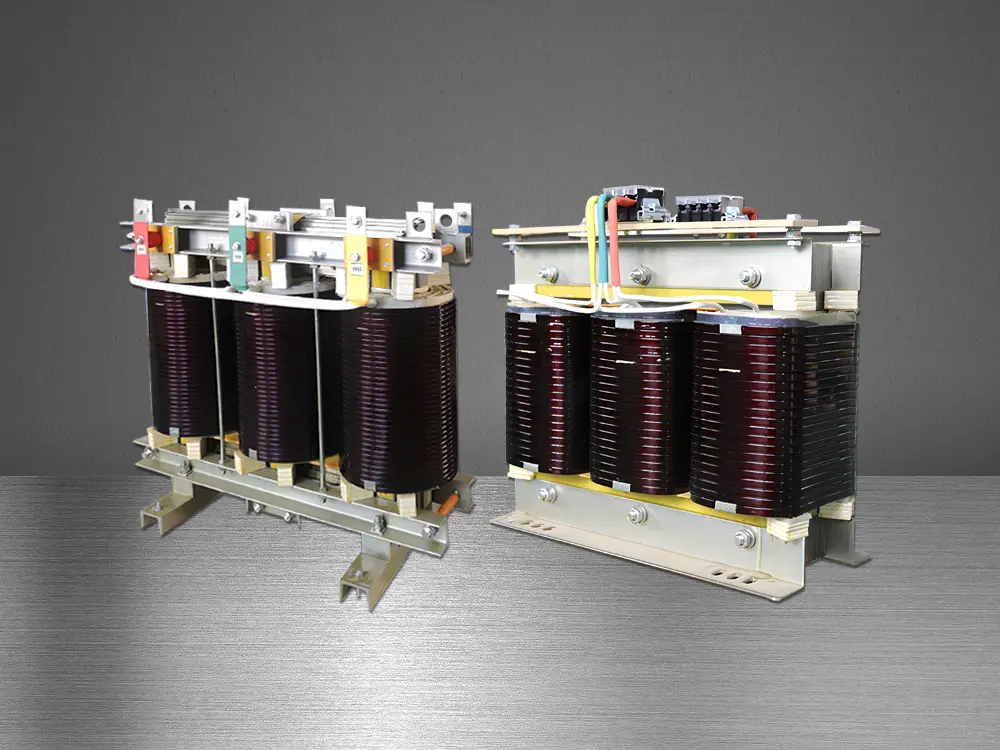
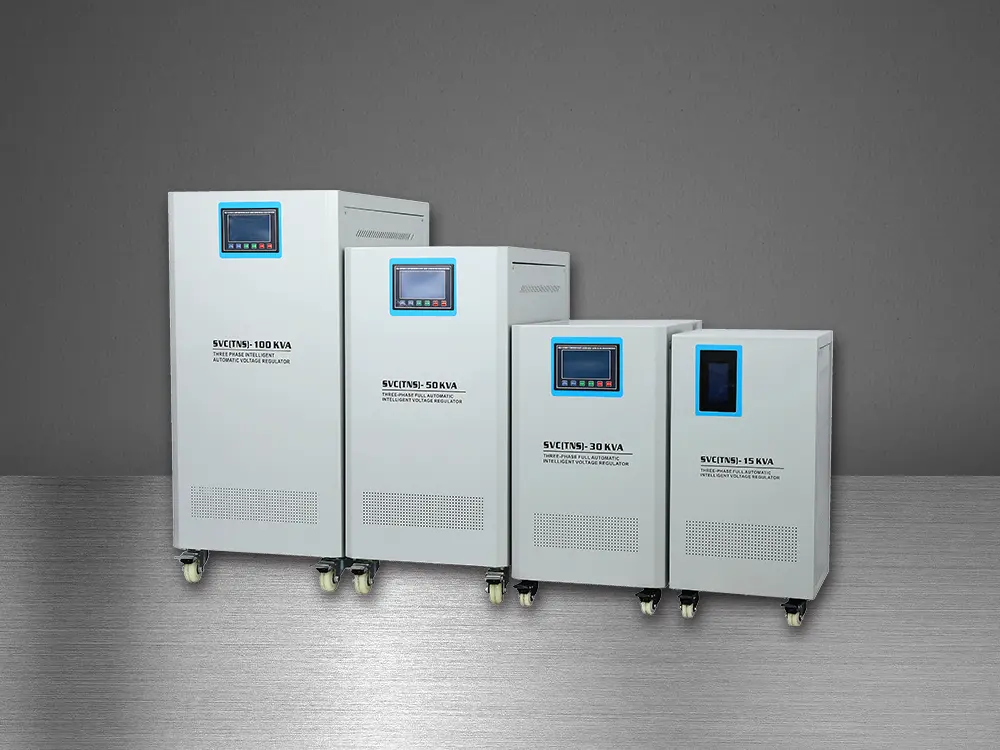 Automatic Voltage Regulator
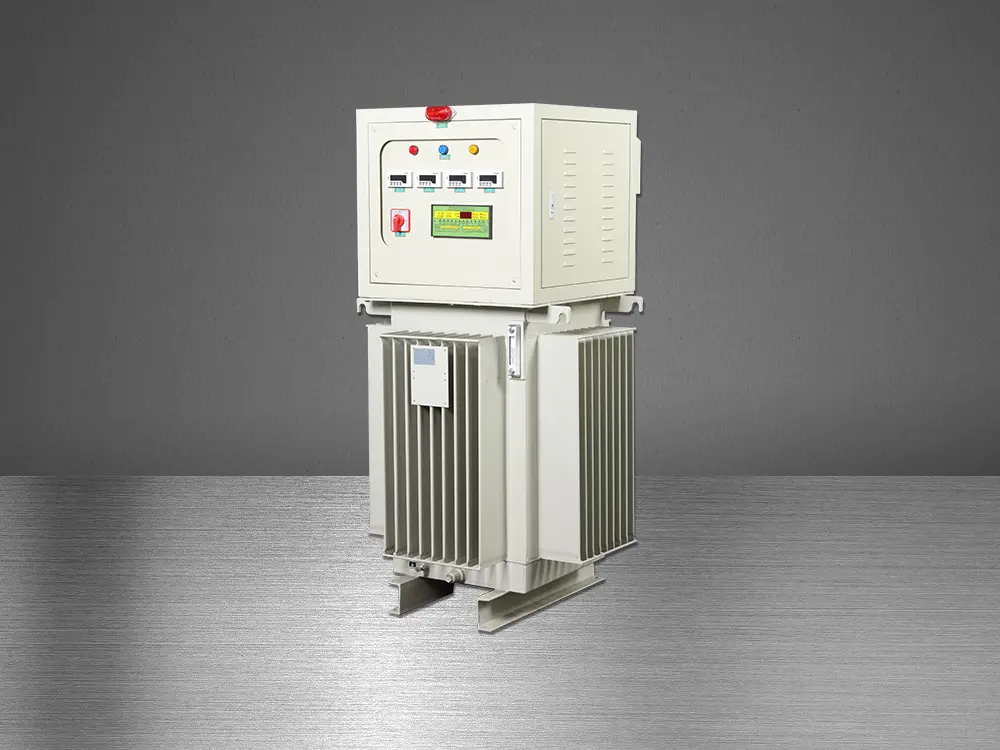 Oil Immersed Voltage Regulator