How to Use Automatic Voltage Regulators for Optimal Power Supply?
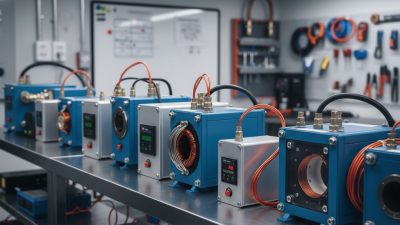
In the world of power supply, maintaining stability is crucial. Automatic Voltage Regulators (AVRs) play an essential role in this process. They ensure that voltage levels remain consistent, protecting sensitive equipment. Proper usage of these devices can lead to optimal performance.
Many users often overlook the importance of AVRs. They might not realize how fluctuations in voltage can damage electronics. AVRs help manage these fluctuations effectively. When used correctly, they can prevent costly repairs and downtime.
However, not all installations are perfect. Some systems may struggle due to improper placement or settings. Regular checks and recalibrations are necessary. By reflecting on their use, users can find more efficient ways to harness Automatic Voltage. Improving knowledge of these devices enhances overall power supply reliability.
Understanding the Basics of Automatic Voltage Regulators
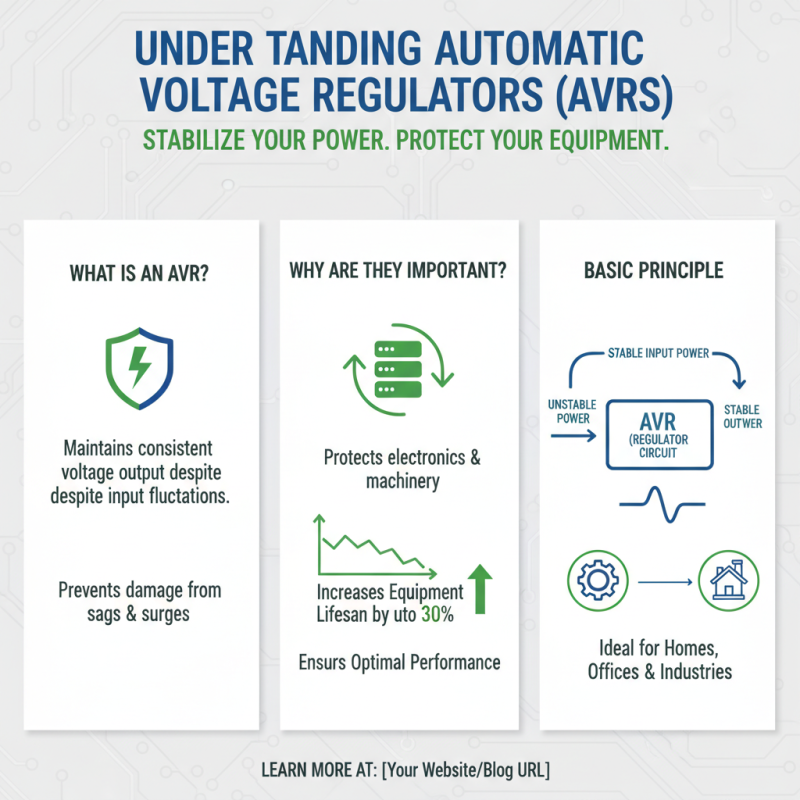
Automatic Voltage Regulators (AVRs) play a crucial role in stabilizing electrical systems. They maintain voltage levels within specified limits. An unstable power supply can lead to equipment damage. Reports suggest that voltage fluctuations can reduce equipment lifespan by up to 30%. Understanding the basics of AVRs is vital for optimal performance.
AVRs work by monitoring voltage levels constantly and making adjustments as needed. This ensures that devices operate efficiently. They can handle various loads, making them versatile for different applications. However, some users may overlook the importance of regular maintenance. Without proper checks, AVRs can fall into disrepair. Periodic testing is essential to ensure reliability.
Tips: Regularly inspect connections and components. A small issue could escalate into a bigger problem. It is also wise to keep an eye on environmental factors. Excessive heat can affect voltage consistency. Investing time in routine checks can prevent future challenges.
Types of Automatic Voltage Regulators and Their Applications
Automatic Voltage Regulators (AVRs) play a crucial role in maintaining steady power supply. There are several types of AVRs, each serving distinct applications. The most common type is the servo-controlled AVR. This type uses a motor to adjust the voltage level. It’s effective but can be prone to mechanical failures over time.
Another widely used type is the static AVR. This utilizes electronic components to regulate voltage. It’s faster and more reliable than servo-controlled ones. However, it can be sensitive to temperature changes and power spikes. Users must monitor these factors regularly.
Then there are digital AVRs. They offer advanced features, allowing for smart monitoring and control. These models can interact with other systems, providing real-time data. Yet, they may require more technical knowledge for setup. Often, users find the complexity overwhelming. They must balance efficiency with usability. Finding the right type is key to optimizing power supply and ensuring device longevity.
Key Features to Consider When Choosing a Voltage Regulator
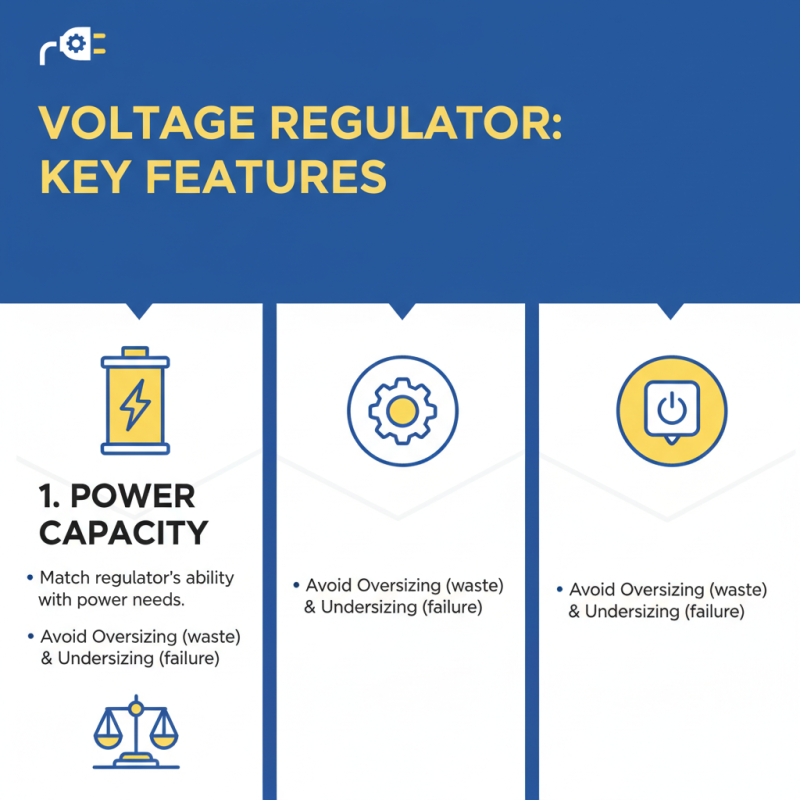
When choosing an automatic voltage regulator, several key features should guide your decision. First, consider the power capacity. It’s critical to match the regulator’s ability with your power needs. Oversized regulators can waste energy, while undersized ones might fail under high load. Balance is essential.
Next, check for response time. A regulator with a quick response helps maintain a consistent voltage. Delayed responses can lead to equipment malfunctions. Additionally, look at the adjustment range. A versatile regulator can support various voltage outputs, which is useful for different appliances.
Don’t forget about protection features. Over-voltage and over-current protection can prevent damage to connected devices. However, not all models provide comprehensive safeguards. Reflect on your specific needs. Some users might overlook these features in favor of price. This could lead to challenges later on. Always weigh your options carefully. Efficiency and reliability matter more than initial cost.
Installation Guidelines for Optimal Performance of Regulators
When installing an automatic voltage regulator, start by selecting an appropriate location. The area should be clean and dry. It must also have good ventilation to prevent overheating. Keep the regulator away from direct sunlight and moisture. A stable surface is crucial for effective operation.
Next, ensure that all electrical connections are secure. Check that the input and output cables are properly sized. Loose connections can lead to fluctuating voltages. Use quality connectors to avoid any risks. After connections are made, double-check the polarity. Incorrect connections can damage the unit.
Once installed, monitor its performance closely. Look for any signs of inefficiency, like unusual noises or overheating. These could indicate a need for adjustments. Periodically inspect the regulator and surrounding area for dust buildup. This can affect its functioning. Address these issues promptly to maintain optimal performance over time.
Regular Maintenance Practices for Automatic Voltage Regulators
Regular maintenance of automatic voltage regulators (AVRs) is crucial for ensuring stable power supply. A study from the International Electro-Technical Commission showed that 70% of voltage-related issues stem from inadequate maintenance. Simple checks can greatly enhance performance and longevity. Cleaning dust from terminals is a fundamental yet often neglected task. Even minor buildup can lead to significant voltage fluctuations.
Another key practice involves inspecting connections. Loose or corroded connections can create inefficiencies. According to a report by the Electric Power Research Institute, about 30% of power quality problems are linked to these issues. Visual inspections should be a routine. If corrosion is found, immediate action is necessary. It’s better to replace a cable than risk a complete failure.
Monitoring operational data is another vital aspect. Regularly checking voltage output helps identify irregularities early. Data from the Institute of Electrical and Electronics Engineers indicates that timely interventions can prevent 40% of potential failures. However, many overlook this step. The challenge remains: many operators prioritize immediate tasks over long-term maintenance. Combating this mindset is essential for optimizing the AVRs’ performance.
How to Use Automatic Voltage Regulators for Optimal Power Supply? - Regular Maintenance Practices for Automatic Voltage Regulators
| Maintenance Practice |
Frequency |
Description |
Impact on Performance |
| Visual Inspection |
Monthly |
Check for any physical damage or signs of wear on the regulator. |
Identifies potential issues before they lead to failure. |
| Cleaning |
Quarterly |
Remove dust and debris from the unit and surrounding area. |
Maintains efficiency and heat dissipation. |
| Battery Testing |
Bi-Annually |
Test the backup battery's voltage and capacity. |
Ensures reliable backup power during outages. |
| Calibration |
Annually |
Calibrate voltage settings to ensure accurate output. |
Improves voltage regulation precision. |
| Thermal Imaging |
Every 2 Years |
Use thermal imaging to detect hot spots in electrical connections. |
Helps prevent electrical fires and component failures. |

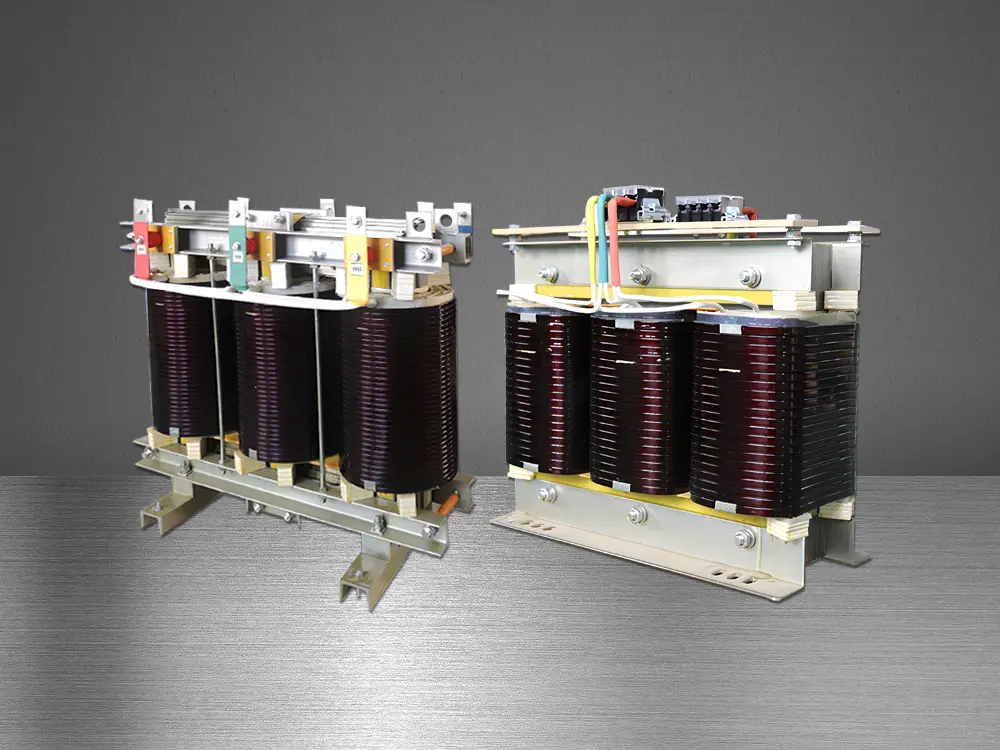 Three-Phase Isolation Transformer
 Control Transformer
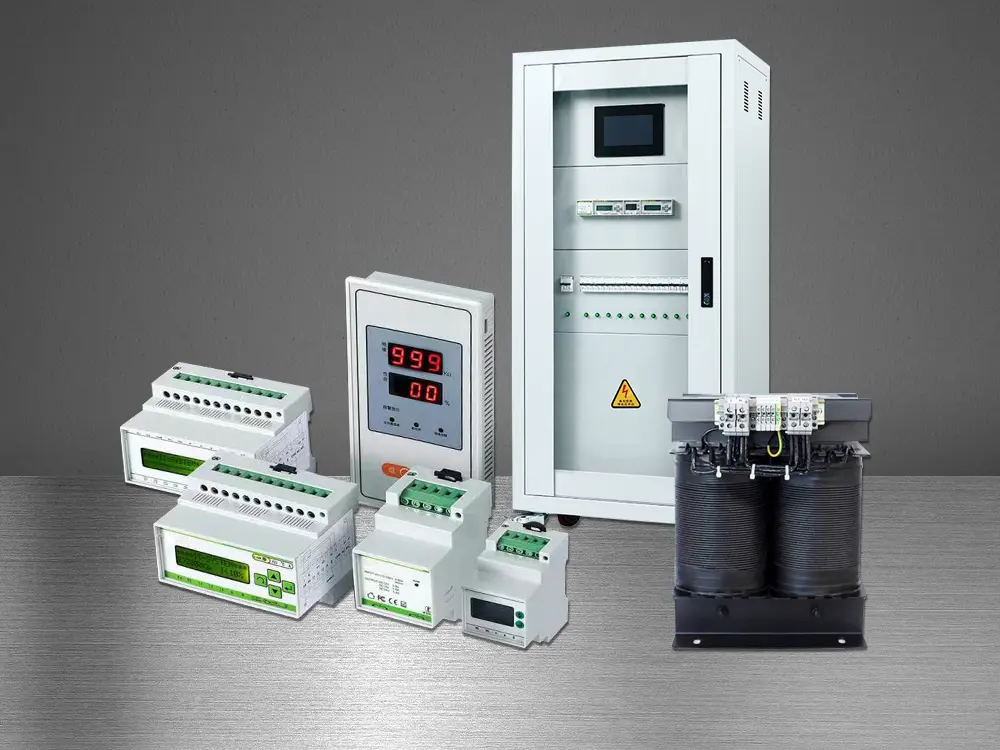 Medical IT Isolated Power System
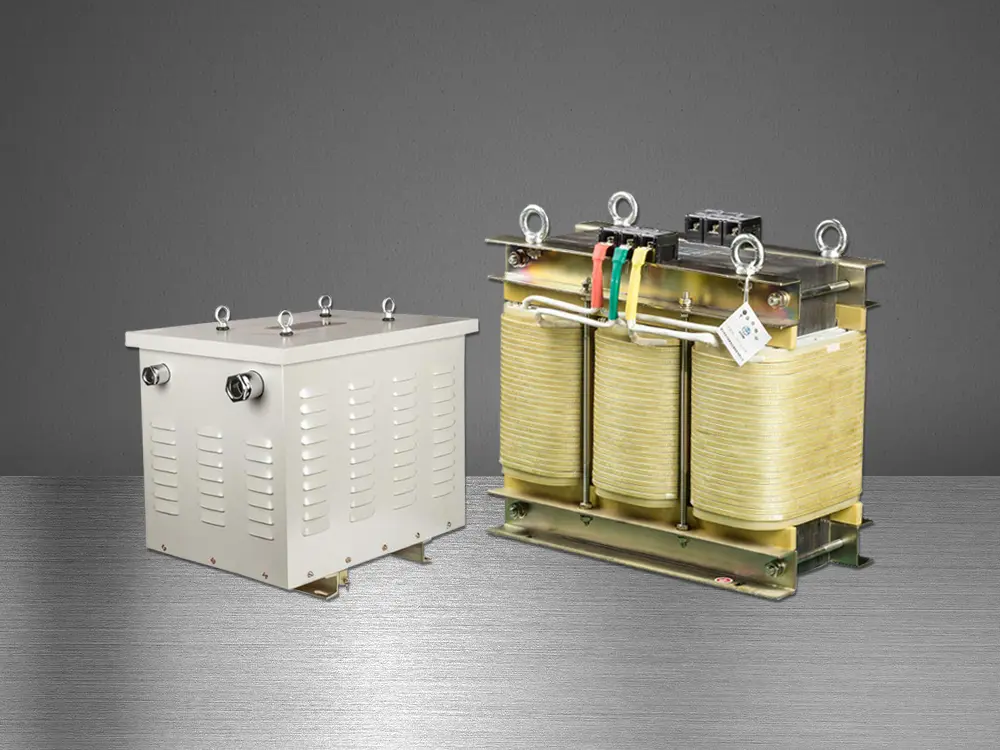 Marine Transformer
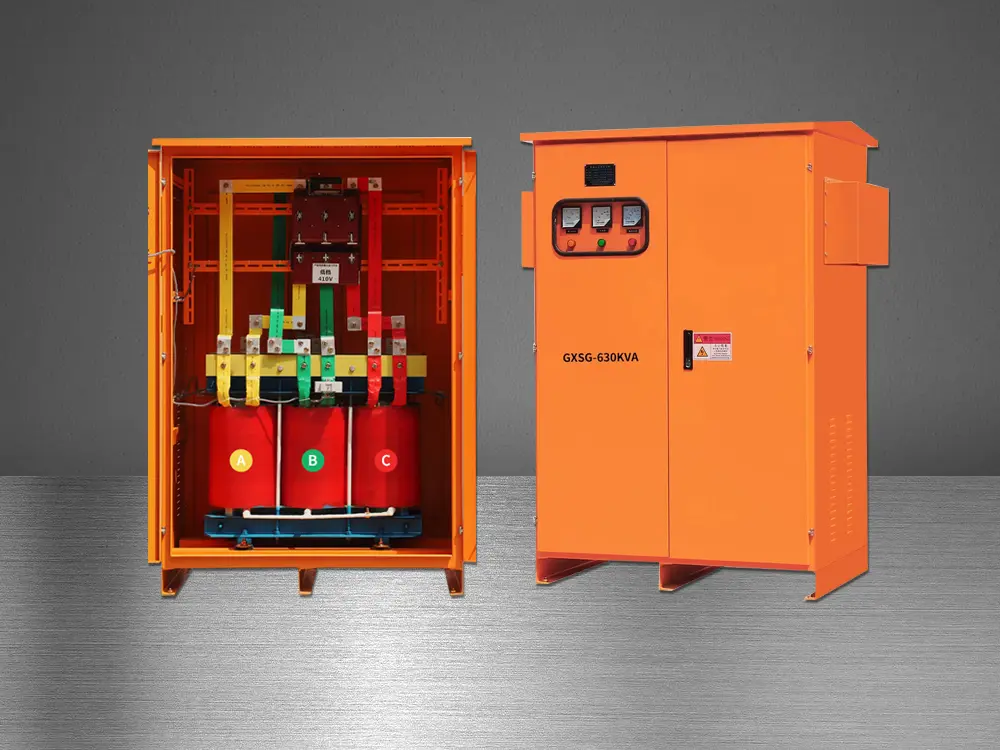 Tunnel Transformer
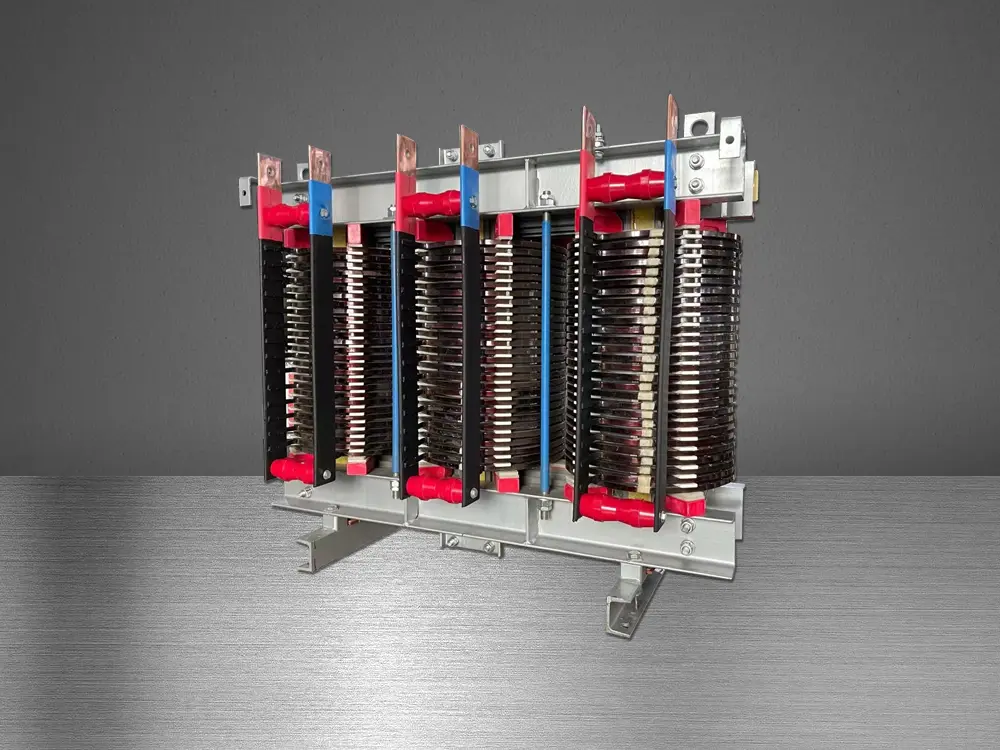 High Current Transformer
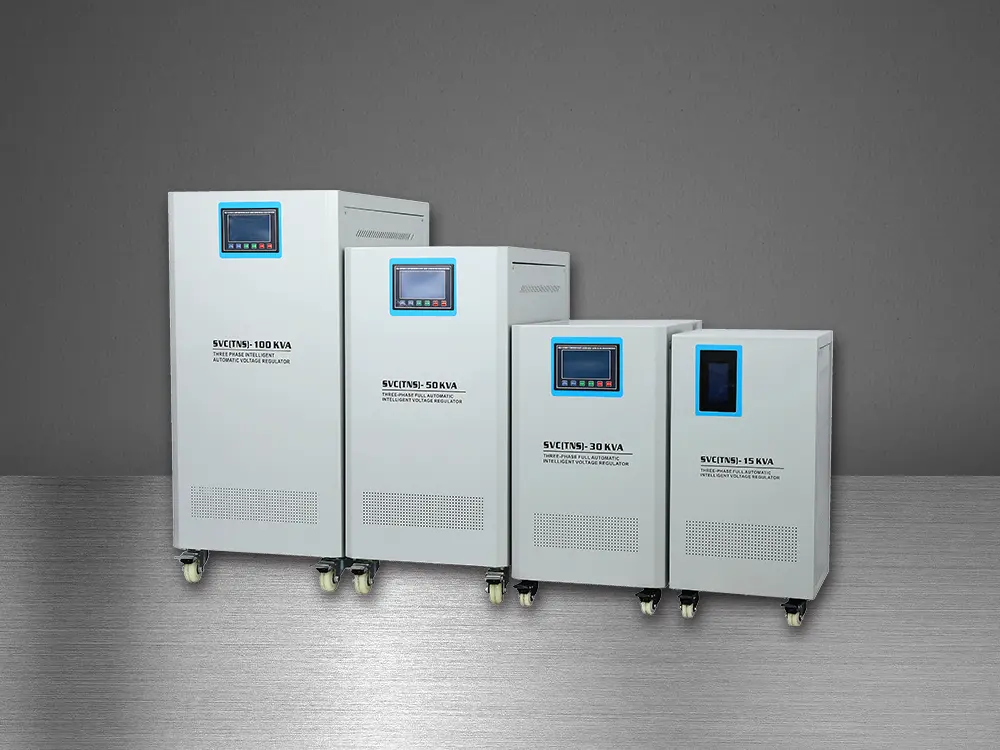 Automatic Voltage Regulator
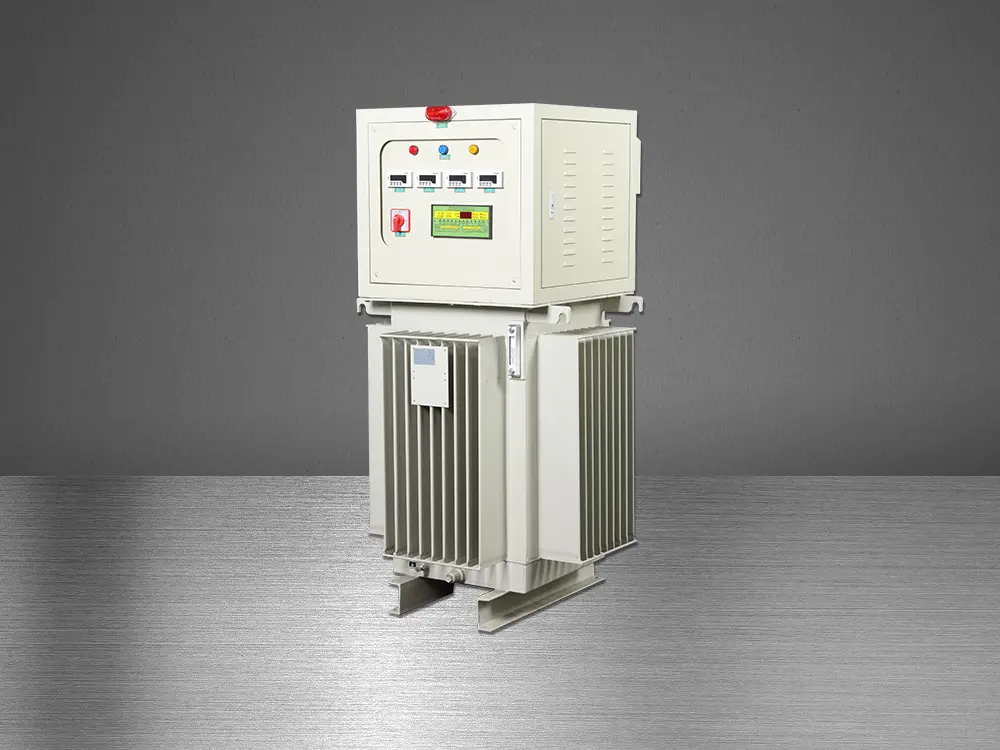 Oil Immersed Voltage Regulator