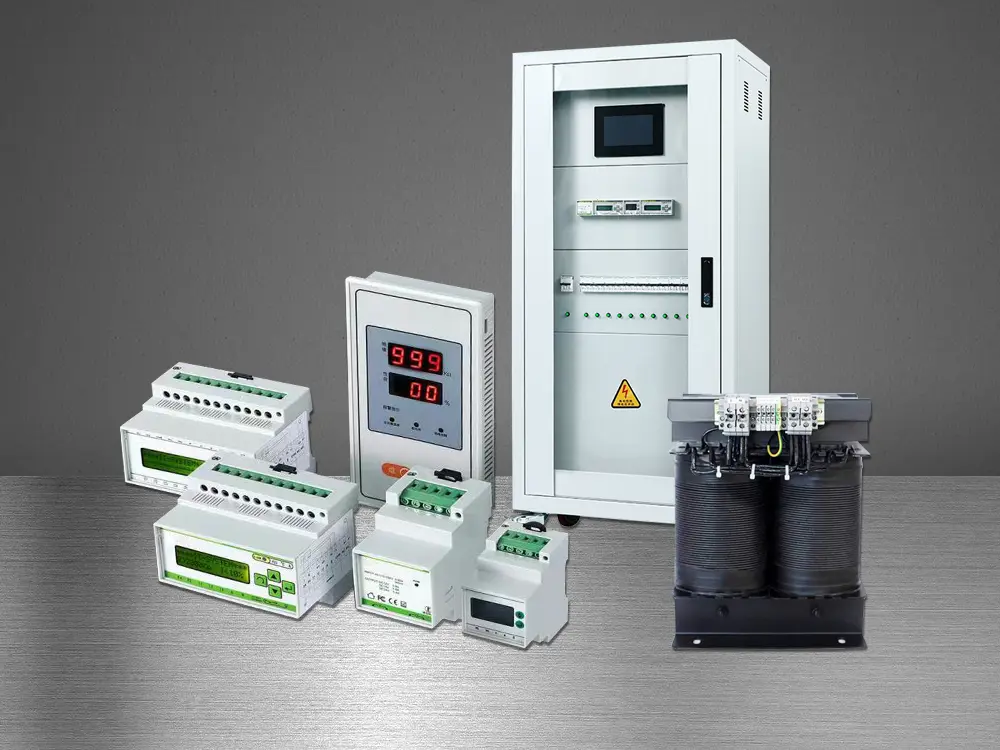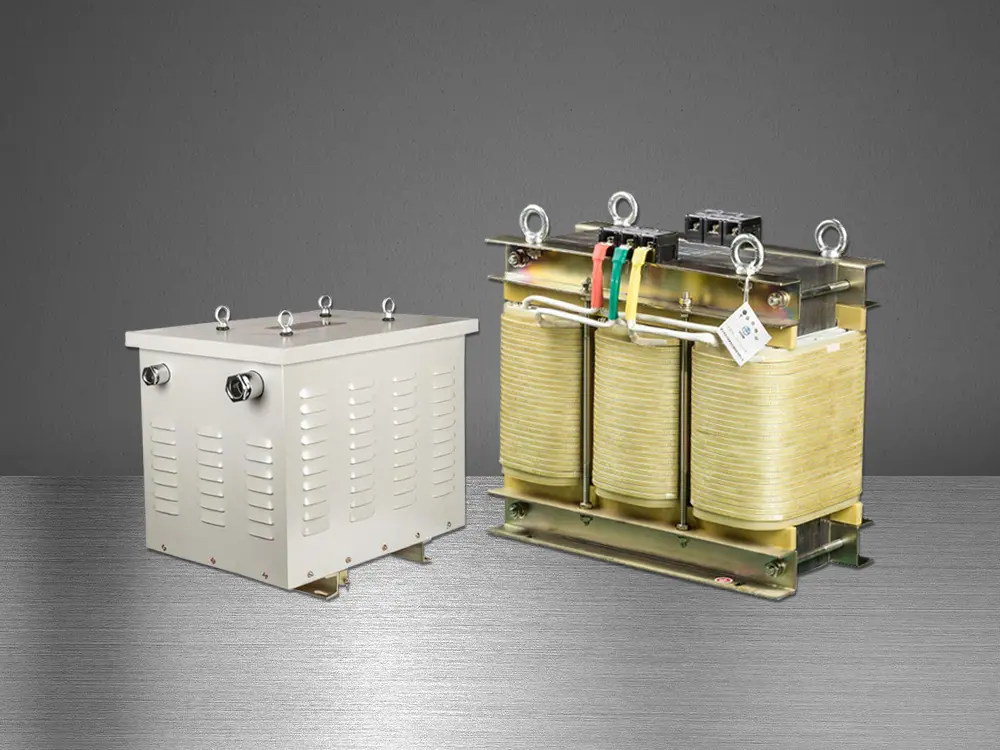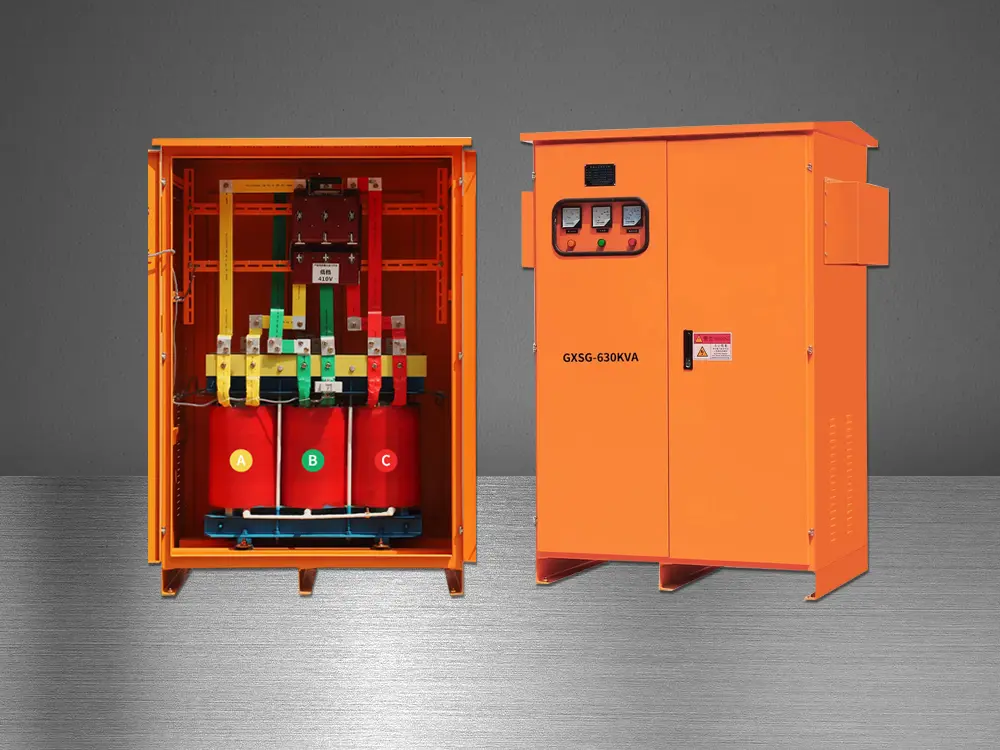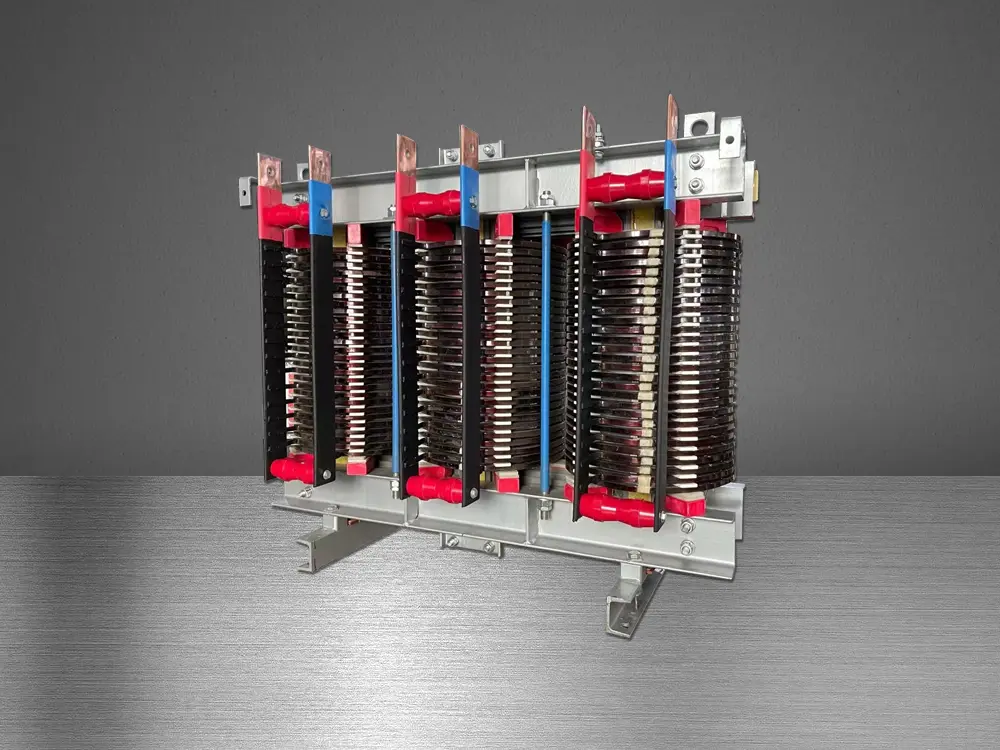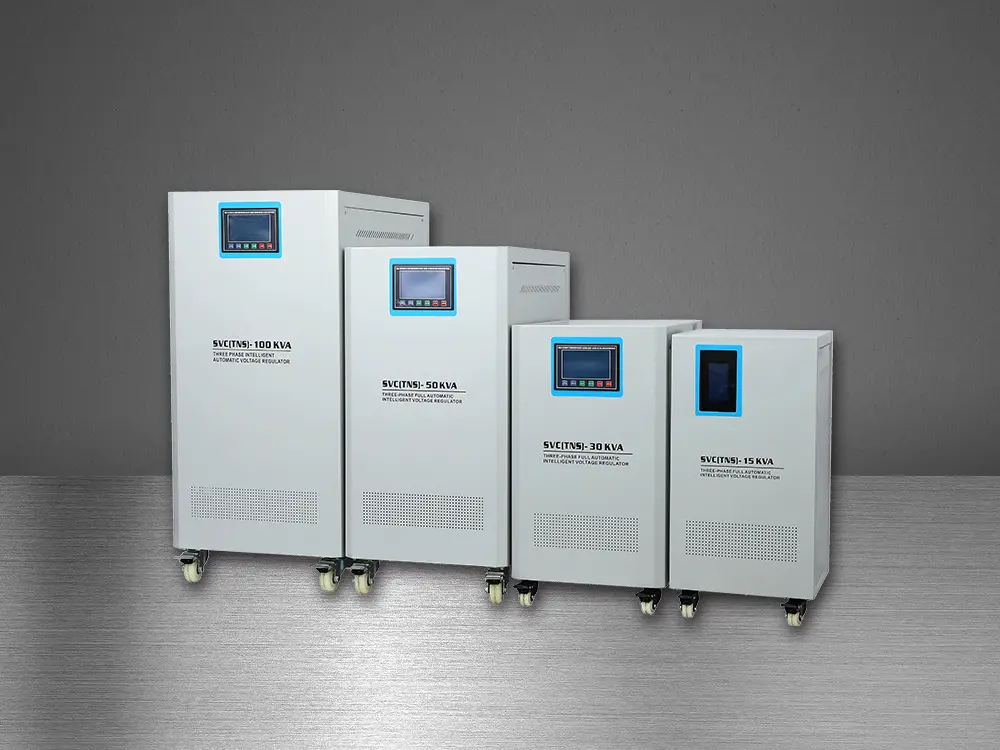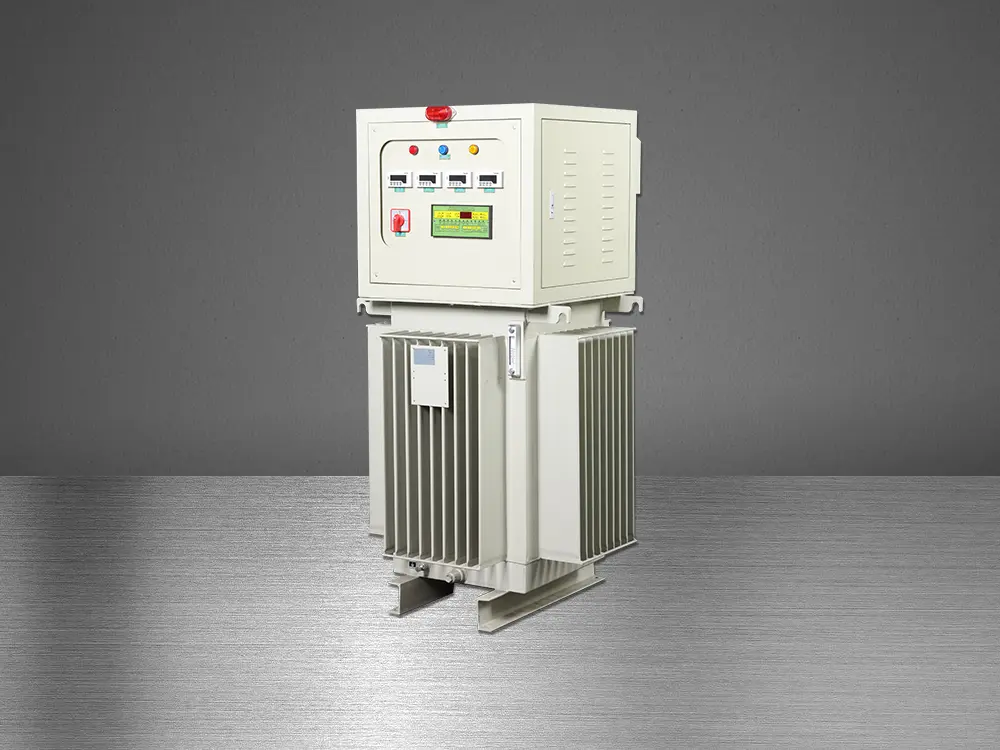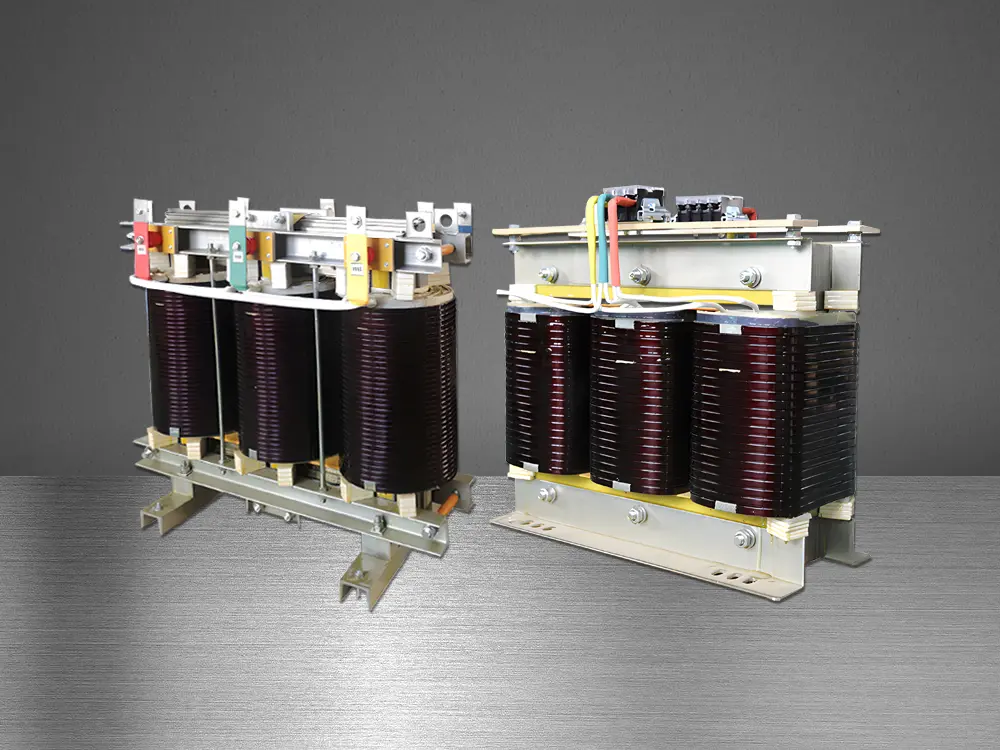
Choosing Industrial Voltage Regulators for global operations is not simply a specification exercise. It is a reliability decision made under different grids, climates, loads, and maintenance conditions. A factory in Southeast Asia may face frequent voltage dips, while a warehouse in Europe may need precise regulation for automated systems. The correct solution must address both conditions.
Dr. Alex McEachern, a recognized power-quality specialist, offers a practical principle: “Measure the problem before choosing the solution.” That advice deserves attention. Buyers should record input-voltage variation, load size, starting currents, harmonics, and downtime patterns before comparing models. A regulator that performs well beside a stable test bench may struggle near welders, compressors, or long cable runs. Specifications alone can mislead.
This guide examines leading Industrial Voltage Regulators for international buyers. It considers regulation accuracy, response time, overload behavior, cooling design, protection features, service access, and compatibility with local electrical systems. Certifications matter, but they do not replace engineering judgment. Neither does a low purchase price.
Some buyers focus too heavily on capacity. That is a mistake. A unit rated for 500 kVA may still perform poorly with irregular loads or weak maintenance support. Installation space also matters. So do spare parts, technical training, and documented testing procedures.
The market is not perfectly transparent. Product names, test conditions, and warranty terms vary widely. This overview therefore emphasizes verifiable specifications and practical operating evidence. It also acknowledges uncertainty, because no regulator can correct every power-quality problem. Good selection begins with measurements, realistic expectations, and a clear understanding of the facility’s daily electrical behavior.
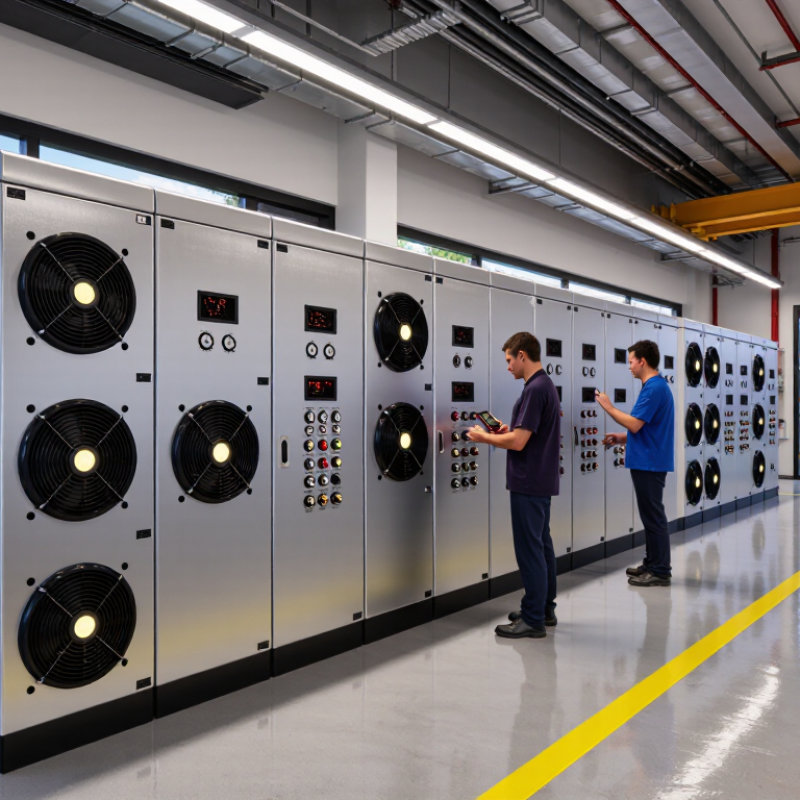
An industrial voltage regulator senses changes in incoming power and adjusts its output to keep equipment within a specified voltage range. It helps protect motors, control systems, and production lines from damaging voltage swings. It is not the same as a transformer: a transformer changes voltage, while regulation maintains a steadier output as supply or load conditions vary. That distinction matters. A regulator also cannot fix every power-quality problem, such as harmonics or interruptions.
For global buyers, the need depends on local grid stability, equipment sensitivity, and the cost of unplanned stops. The International Energy Agency’s 2011 report, Energy-Efficiency Policy Opportunities for Electric Motor-Driven Systems, estimates that motor-driven systems account for roughly 45% of global electricity use. This underlines how much industrial activity depends on reliable motor power, though it does not mean every facility needs the same regulator. Buyers should compare input-voltage range, output accuracy, phase, frequency, load capacity, cooling, and service support. Site measurements are better than assumptions. A specification copied from another factory may not fit.
Tips: Record voltage at different times and under real operating loads. Confirm the regulator’s rating against startup current, not just normal running demand. Ask for test data and installation guidance. One detail is easy to miss: future expansion can change the load profile.

Industrial voltage regulators keep equipment within its specified operating range when incoming supply voltage fluctuates. Their response depends on the power system. A single-phase workshop may need a different configuration from a three-phase production line. Frequency also matters: a regulator designed for one supply frequency may not suit another.
Common designs include tap-switching, servo-controlled, and static regulators. Tap-switching units adjust voltage in steps, while servo models use a motor-driven mechanism for gradual correction. Static units rely on electronic components and can respond quickly. Each has trade-offs. A fast response alone does not guarantee stable performance under changing loads.
Buyers should compare input-voltage range, output tolerance, phase arrangement, rated capacity, and expected load behavior. Motors can draw a high starting current; sensitive instruments may react to brief voltage dips. Check the regulator’s specifications against actual site measurements, not just the nominal grid voltage. That detail matters. Installation conditions matter too: heat, dust, ventilation, grounding, and cable size can affect reliability. A practical assessment includes measuring voltage during normal operation and peak demand. Still, measurements may miss rare disturbances, so the final choice should allow for reasonable operating variation.
Industrial voltage regulators must match the disturbance, load, and response time. A servo-controlled regulator suits machine shops with fluctuating input voltage. Its motor-driven transformer corrects voltage gradually and accurately. This works well for CNC equipment, compressors, and production lines. However, mechanical movement can become a weakness in dusty plants.
Static voltage regulators respond faster. They use power electronics instead of moving parts. These units fit robotics, semiconductor tools, medical production, and automated inspection systems. The International Energy Agency’s Electricity 2024 report expects global electricity demand to grow strongly through 2025. More connected loads may increase sensitivity to brief voltage changes. Fast correction matters here.
Tap-changing regulators are practical for large facilities with steady, heavy loads. They suit distribution panels, data centers, and manufacturing campuses. Ferroresonant regulators provide strong isolation and stable output for smaller critical loads. EPRI has estimated that power-quality problems cost U.S. industry billions of dollars annually. The figure is useful, but plant-level losses vary widely. A regulator alone cannot fix harmonics, poor grounding, or an undersized cable. That mistake remains common. Engineers should review IEC 61000-4-30 measurements before selecting capacity, correction speed, and bypass protection.
Global buyers should compare voltage regulators under real operating conditions, not only catalog ratings. Check input range, output accuracy, response time, efficiency, and continuous load capacity. A unit rated for 100 kVA may perform poorly near its thermal limit. Test it with motors, heaters, and sensitive control equipment.
Safety deserves equal attention. Review insulation strength, grounding design, overload protection, short-circuit response, enclosure rating, and cooling performance. In a factory, dust can block ventilation within weeks. A regulator that runs quietly in a clean laboratory may struggle beside a metalworking line. I have learned that installation space matters more than many specification sheets suggest.
Compliance is not a single global label. Verify the requirements of the destination country, voltage system, frequency, and industrial environment. Request current test reports, technical files, wiring diagrams, and traceable quality records. Confirm whether certification covers the complete regulator or only individual components. That detail is often overlooked. Buyers should also examine service access, spare-part availability, and warranty terms across borders. A cheaper unit can create longer downtime. Still, higher price does not automatically mean better engineering. Independent testing and documented factory controls provide stronger evidence than polished marketing language.