Discover the Top Automatic Voltage Regulator Models in China?
In recent years, the demand for Automatic Voltage Regulators (AVRs) has surged in China. The AVRs play a crucial role in ensuring stable electrical supply across various industries, particularly in advanced manufacturing and electronics. According to market research, the AVR market in China is projected to grow at a CAGR of 7.5% from 2023 to 2030. This growth reflects the rising need for reliable power supply in an era of increasing automation.
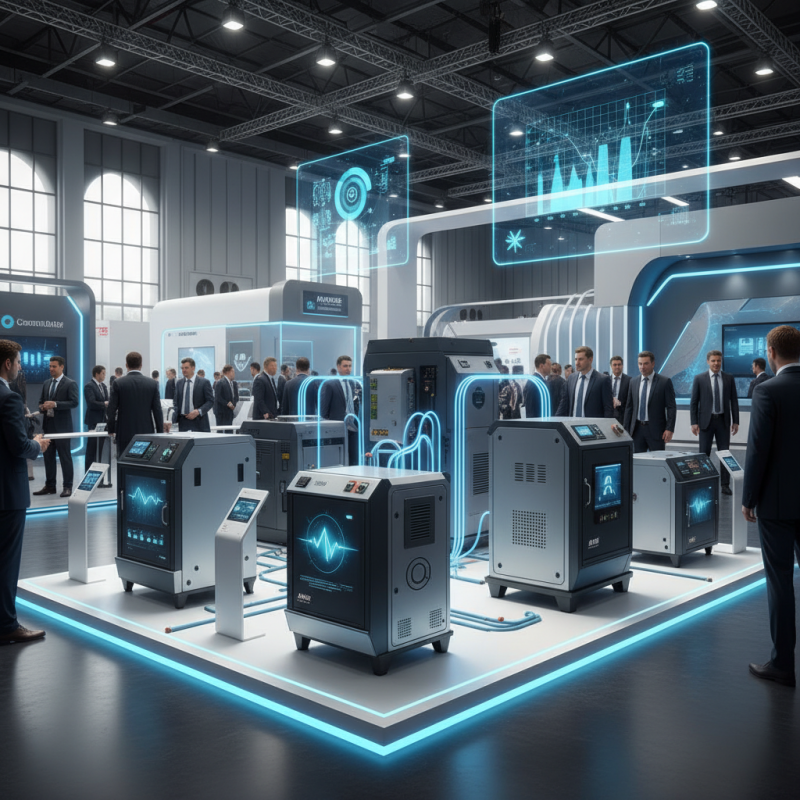
Notably, during the upcoming 139th Canton Fair in 2026, the focus on advanced manufacturing will showcase innovative AVR models. The integration of AI in this fair will enable buyers to quickly find suppliers meeting specific qualifications, such as ISO and CE certifications. This can significantly enhance sourcing efficiency, particularly within the vast exhibition space of 1.55 million square meters.
However, there are challenges. Many manufacturers still face hurdles in quality control and product reliability. As competition intensifies, ensuring compliance with international standards becomes increasingly critical. Stakeholders must adapt to these changes while striving for excellence in their AVR offerings. Navigating these complexities will define the success of companies in this sector.
Introduction to Automatic Voltage Regulators: Importance and Applications
Automatic voltage regulators (AVRs) play a crucial role in maintaining stable voltage levels in electrical systems. They are essential in various applications, including industrial settings, data centers, and residential areas. According to recent industry reports, the demand for AVRs in China is expected to grow steadily, with a market value projected to reach approximately $1.2 billion by 2025. This highlights their importance in promoting operational efficiency.
The primary function of AVRs is to ensure that the voltage remains within a specified range. This is vital because fluctuating voltage levels can damage equipment and lead to energy inefficiency. For instance, a 2019 study indicated that voltage instability could cause up to a 30% increase in energy costs for businesses. Such statistics emphasize the need for effective voltage regulation.
Despite their benefits, AVRs are not without limitations. Issues like temperature sensitivity and varying load conditions can affect performance. Many users may underestimate the importance of regular maintenance and calibration. This oversight can lead to reduced reliability and increased operational risks. Understanding these aspects is vital for anyone considering implementing an AVR system.
Key Features to Look for in Automatic Voltage Regulators in China
When selecting an automatic voltage regulator (AVR) in China, there are several important features to consider. The first is voltage stability. A good AVR should maintain a constant voltage output despite fluctuations in input voltage. This feature is crucial for protecting electrical devices. You want reliable performance, especially in areas with unstable power supply.
Another key factor is response time. How quickly the AVR can react to changes in voltage affects its efficiency. Ideally, the response time should be less than a second. This ensures your equipment remains protected from sudden voltage spikes or drops. Efficiency ratings are also important. Look for units that minimize energy loss during regulation.
Durability is often overlooked. An AVR should withstand harsh environmental conditions. Factors like temperature fluctuation and humidity can impact its lifespan. Additionally, ease of installation and maintenance matters. Some models are more complicated than others, which can be frustrating for users. Not all products offer clear guides.
Lastly, think about sizing. An AVR should match the load it supports. Oversizing leads to inefficiencies, while undersizing risks equipment damage. Balancing these features makes the process a bit tricky. In the end, careful evaluation is essential for making an informed choice.
Top Automatic Voltage Regulator Models in China
This chart represents the voltage regulation efficiency of various automatic voltage regulator models available in China. The models are compared based on their efficiency percentages, providing insight into their performance levels.
Top Automatic Voltage Regulator Models Based on Market Share in 2023
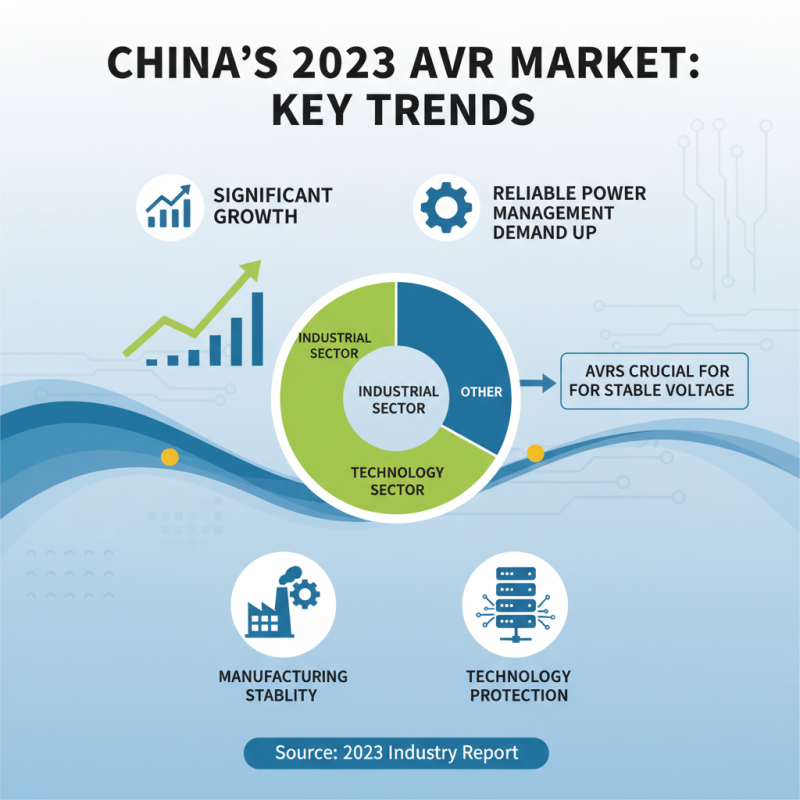
In 2023, the automatic voltage regulator (AVR) market in China has shown significant growth. The demand for reliable power management solutions is on the rise. A recent industry report indicates that AVRs play a critical role in maintaining stable voltage levels. This is crucial for various sectors, including manufacturing and technology.
Several AVR models dominate the market based on share. These models provide key benefits, such as improved energy efficiency and reduced downtime. Industry experts estimate that the market share for top models is around 40%. However, there are concerns about the durability and long-term performance of some options. Many users report mixed experiences regarding voltage stability.
Additionally, the rapid evolution of technology poses challenges for AVR manufacturers. Adapting to new standards and customer needs is essential. As features advance, some products fall short of expectations. Users often seek more effective solutions but may face limitations within current offerings. Industry analysts highlight the need for constant innovation to address these gaps.
Comparative Analysis of Performance Metrics in Leading Automatic Voltage Regulators
In the competitive world of automatic voltage regulators, performance metrics are critical for evaluation. When analyzing these devices, key attributes include voltage stability, response time, and efficiency. For instance, some models showcase exceptional voltage stability, maintaining output within a narrow range. However, others struggle under fluctuating loads, highlighting the need for improvement in design.
Response time is another significant factor. Many regulators react swiftly to changes, ensuring consistent power supply. Yet, a few models show delays, causing potential disruptions. This can be particularly detrimental in sensitive equipment applications. Efficiency also varies widely; while some regulators operate optimally, others waste energy. This discrepancy urges manufacturers to rethink their engineering strategies.
Moreover, it is important to consider the real-world conditions these devices face. Environmental factors, such as temperature and humidity, can affect performance. Not all models are designed to handle challenging conditions effectively. A robust automatic voltage regulator should perform consistently, regardless of its surroundings. Understanding these nuances can guide users in making informed choices when selecting a model.
Discover the Top Automatic Voltage Regulator Models in China
| Model |
Input Voltage Range (V) |
Output Voltage (V) |
Power Rating (kVA) |
Efficiency (%) |
Response Time (ms) |
Dimensions (mm) |
Weight (kg) |
| AVR-1000 |
220-240 |
220 |
1.0 |
96 |
10 |
300 x 200 x 150 |
10 |
| AVR-2000 |
220-250 |
220 |
2.0 |
95 |
8 |
350 x 220 x 160 |
15 |
| AVR-3000 |
210-240 |
230 |
3.0 |
97 |
7 |
400 x 240 x 170 |
20 |
| AVR-5000 |
220-260 |
220 |
5.0 |
94 |
6 |
450 x 250 x 180 |
25 |
Future Trends in Automatic Voltage Regulators: Innovations and Technology Advances
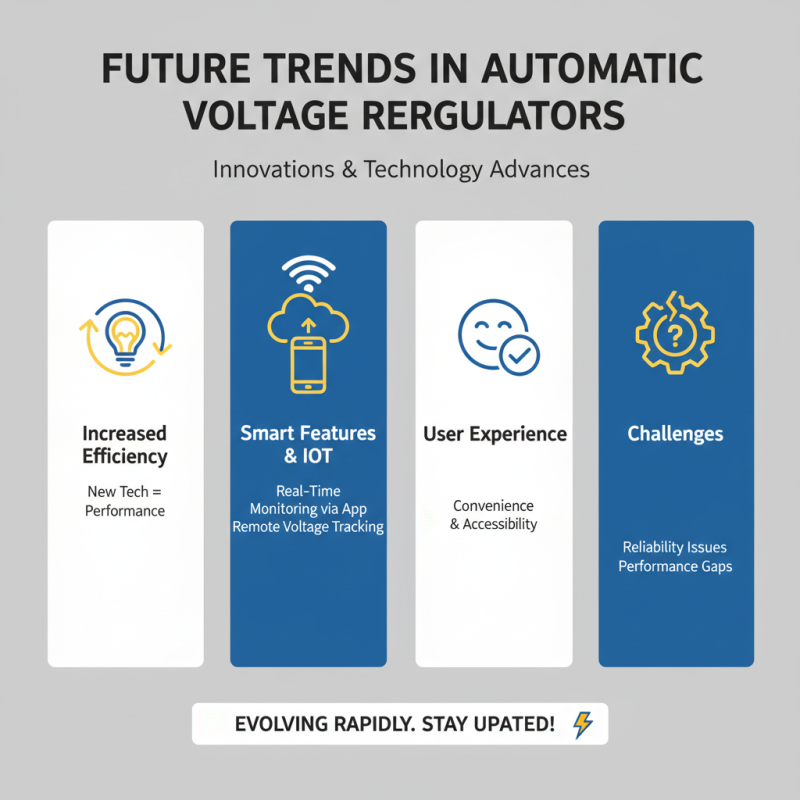
Automatic voltage regulators (AVRs) are evolving rapidly. New technologies are improving their efficiency and effectiveness. Smart features are playing a key role. Integrating IoT capabilities allows real-time monitoring. Users can track voltage levels from their smartphones. This convenience enhances user experience. However, some models still lack reliability. Not all innovations perform as expected.
Another trend is the use of renewable energy in AVRs. As solar and wind energy grow, AVRs must adapt. They need to manage fluctuations in power supply effectively. This can be challenging. The transition is not yet seamless. Inconsistent energy output can lead to instability.
Moreover, energy storage systems are getting smarter. They work with AVRs to balance supply and demand. This partnership has great potential. Yet, implementing these systems requires significant investment. Many companies are unsure if the benefits justify the costs. As this technology develops, more reflections on its practicality will emerge.

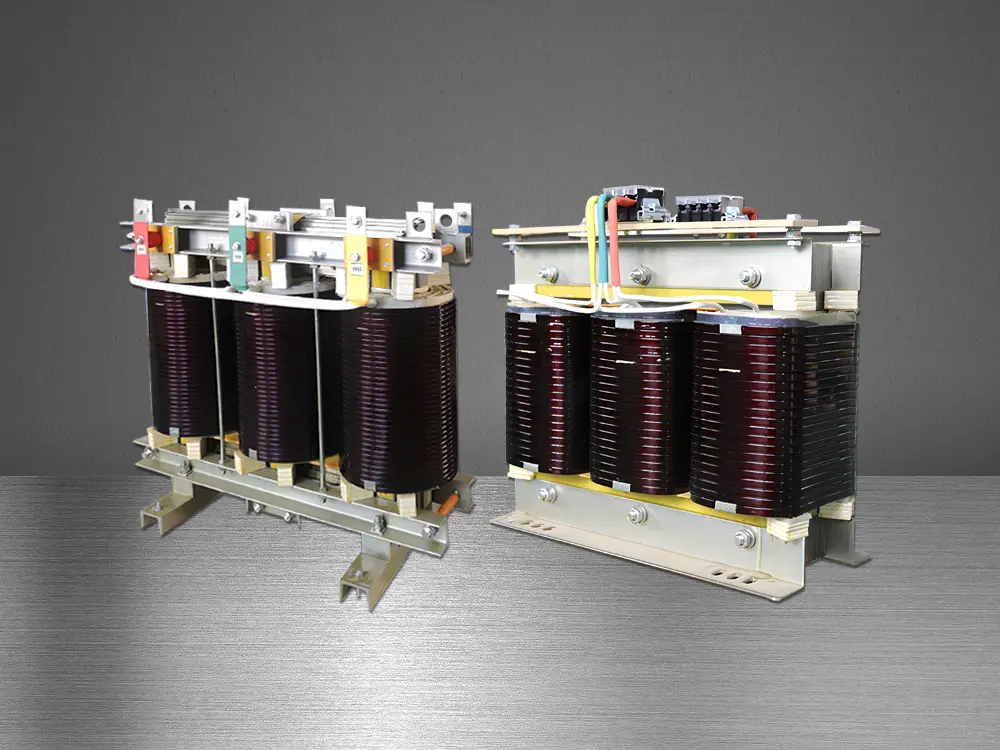 Three-Phase Isolation Transformer
 Control Transformer
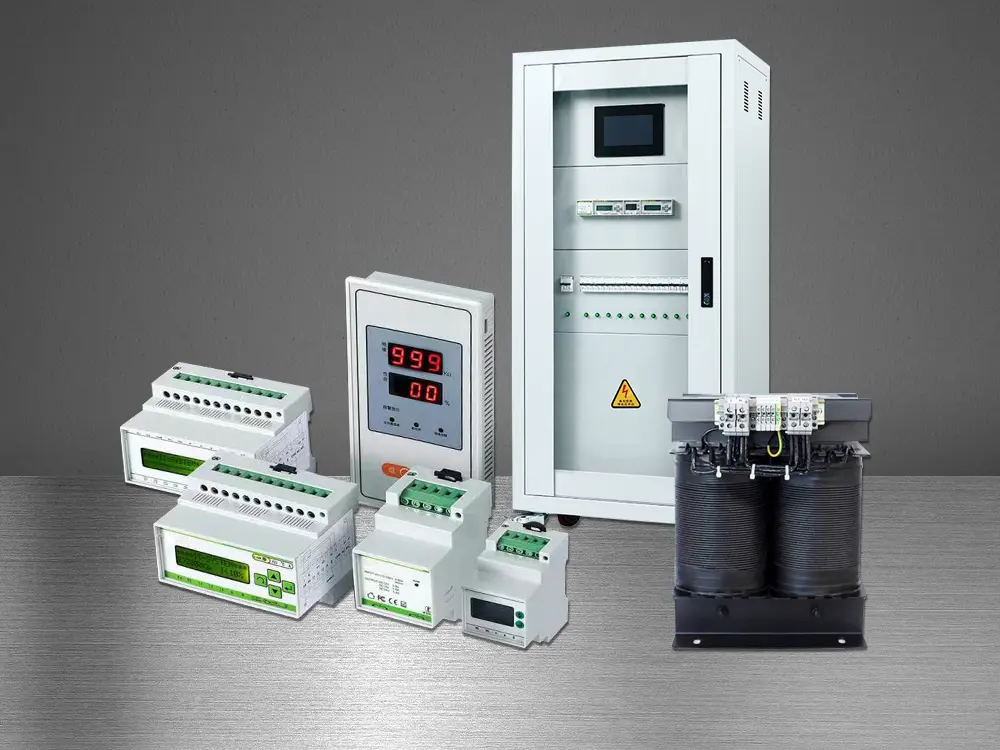 Medical IT Isolated Power System
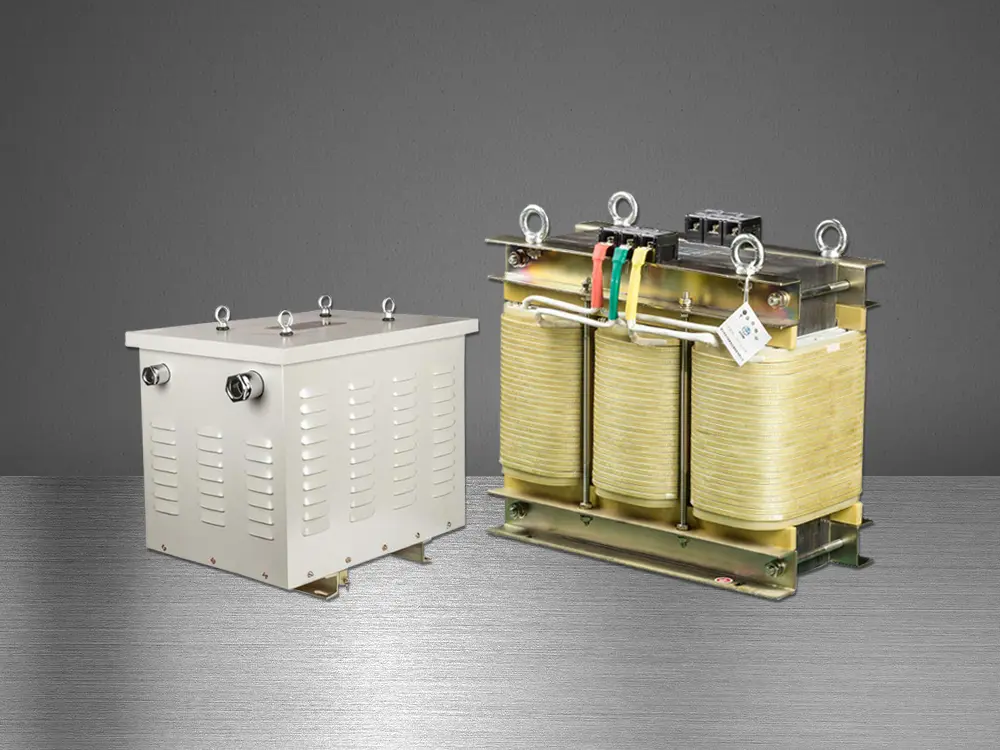 Marine Transformer
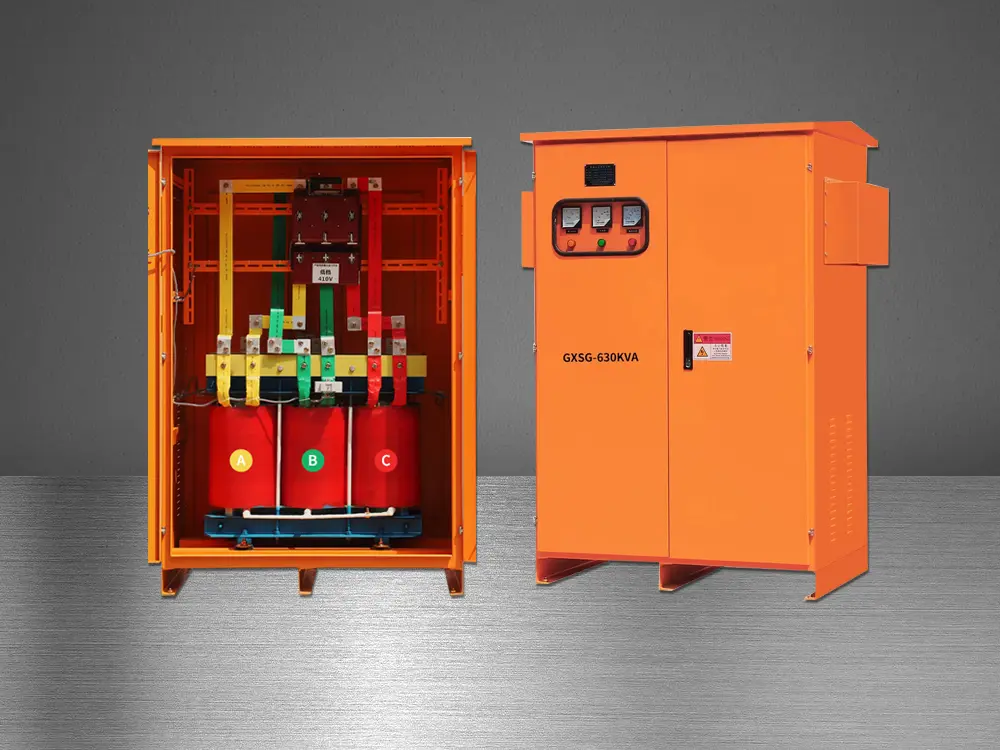 Tunnel Transformer
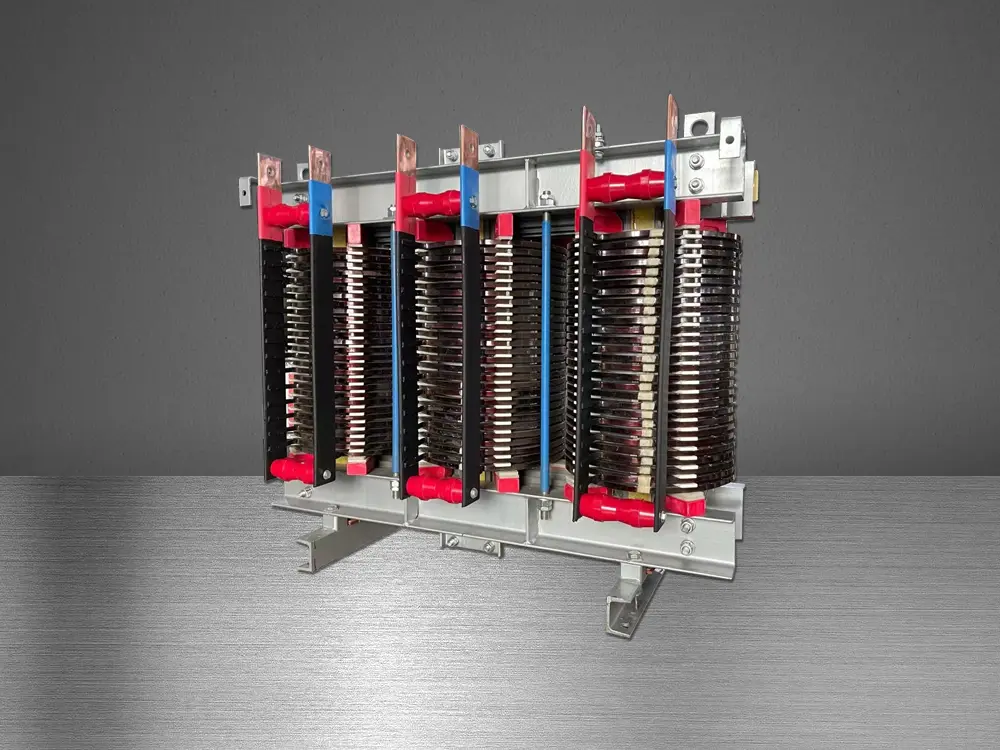 High Current Transformer
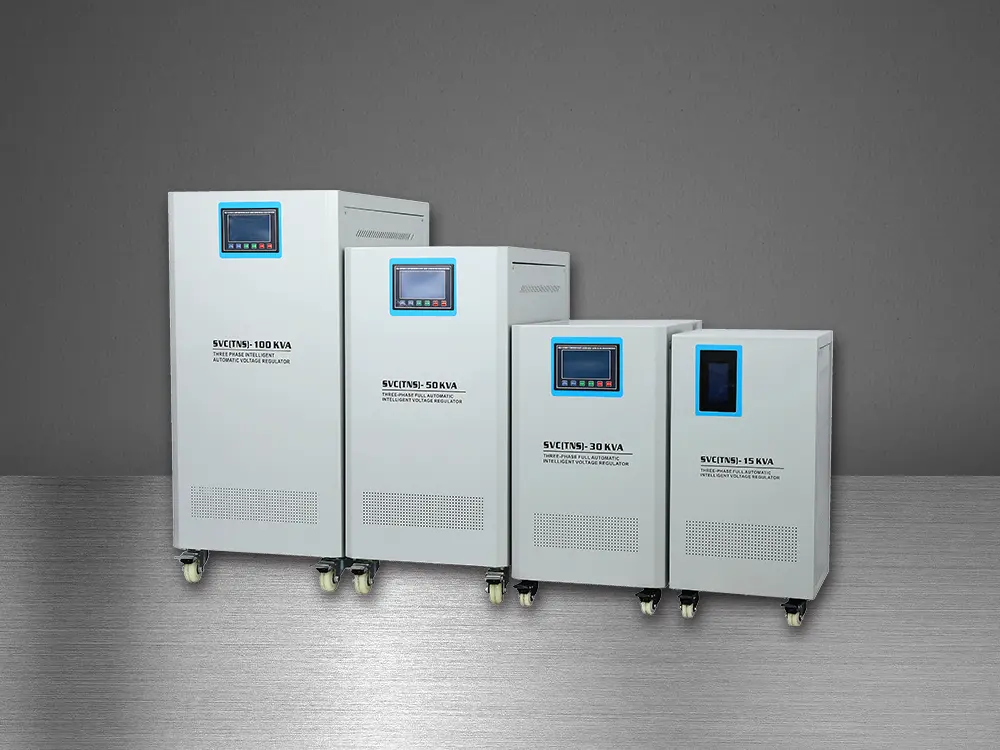 Automatic Voltage Regulator
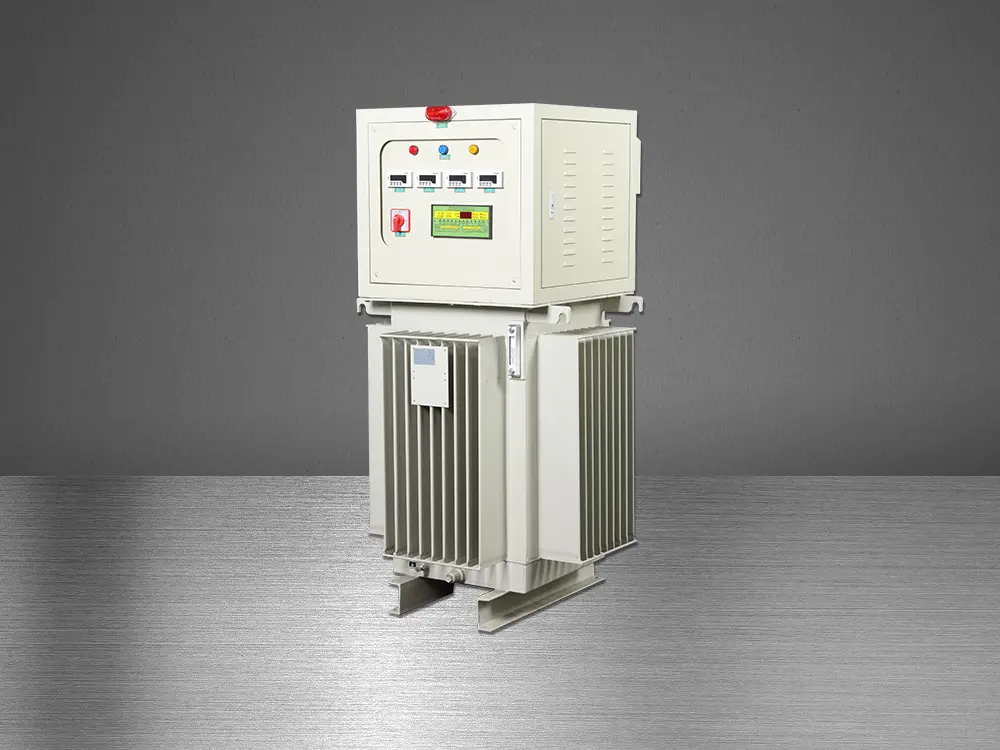 Oil Immersed Voltage Regulator