External AVR For Generator Tips to Optimize Performance and Reliability?
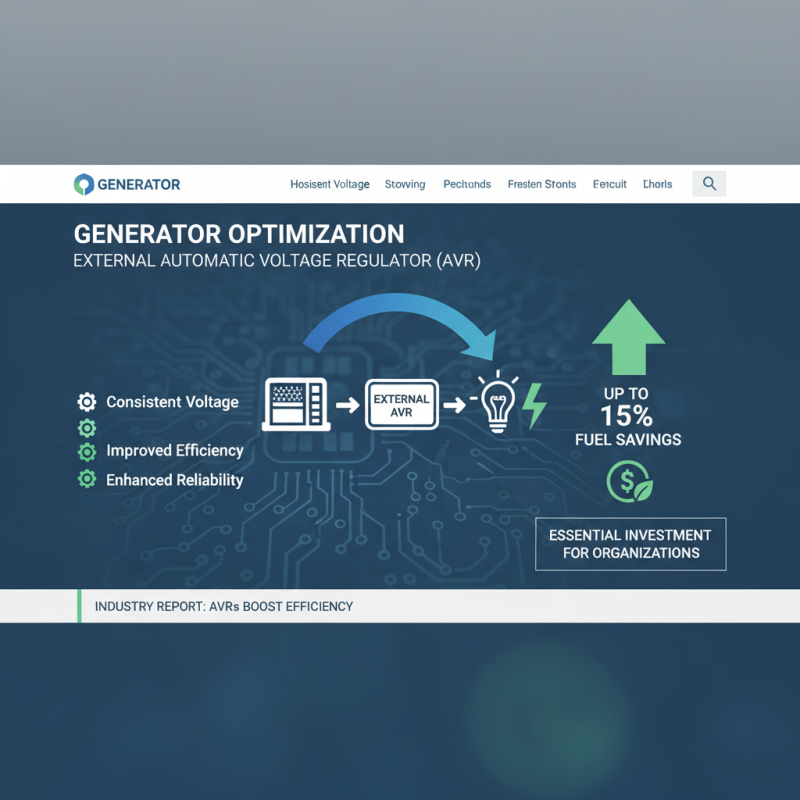
The performance and reliability of generators heavily depend on the effectiveness of their voltage regulation systems. External AVR for generator applications has gained popularity in recent years, particularly due to its ability to enhance regulation precision. According to a recent industry report, generators equipped with external AVRs can achieve up to 15% more efficiency compared to those with built-in systems alone. This improvement can translate into significant savings and reduced operational costs.
However, not all external AVR systems are created equal. Some may fail to deliver consistent performance under varying load conditions. This can lead to voltage fluctuations, which compromise equipment lifespan. A study found that poor voltage regulation can result in equipment damage, costing businesses approximately $1 million annually in downtime and repairs. Therefore, careful selection of an external AVR for generator is essential.
Additionally, installation practices play a crucial role in optimizing performance. Improper installation may negate the benefits of a high-quality external AVR. Regular maintenance and system checks are also vital. Users must remain vigilant and be open to feedback about their systems. Identifying areas of improvement can ultimately enhance reliability and efficiency of their generator setups.
Understanding the Role of External AVR in Generator Performance
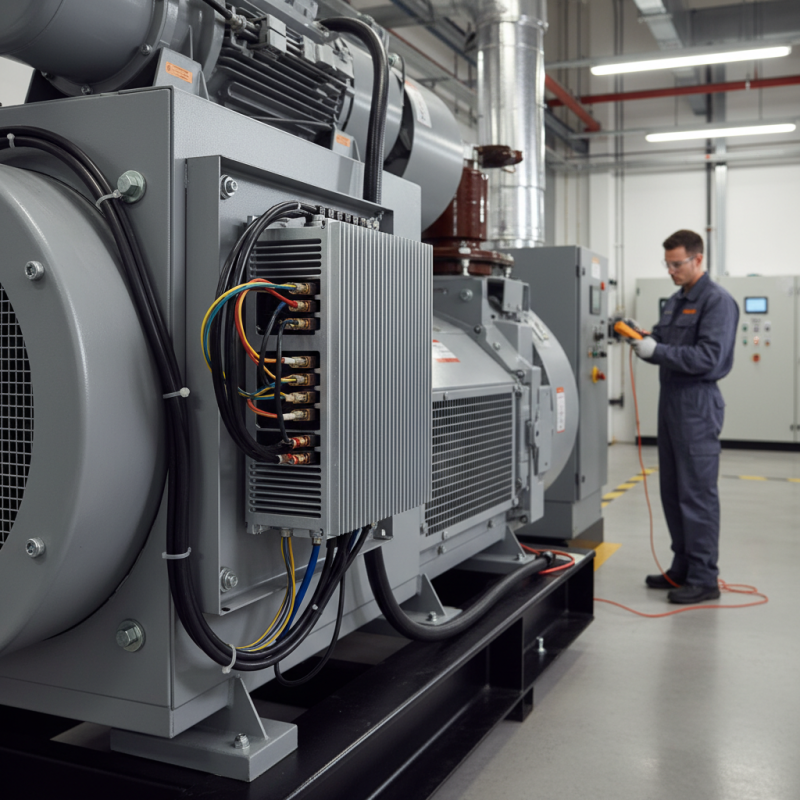
The role of an external Automatic Voltage Regulator (AVR) in generator performance is crucial. It regulates output voltage by continuously monitoring it. This constant adjustment ensures that the voltage remains stable, regardless of load changes. Generators without a suitable AVR may experience fluctuations. These can lead to equipment damage and operational inefficiencies.
An effective AVR can enhance reliability significantly. It provides protection against over-voltage and under-voltage conditions. However, user error often undermines this advantage. Improper configuration or maintenance can compromise performance. Users may overlook the need for regular checks, leading to avoidable failures.
Investing in an external AVR generally pays off. It boosts both performance and longevity of the generator. Nonetheless, users should remain vigilant and proactive. Relying solely on the AVR for performance can create complacency. Regular maintenance and attention to detail are equally important.
Key Features of External AVR for Optimal Generator Functionality
When it comes to optimizing generator performance, an external Automatic Voltage Regulator (AVR) plays a key role. These devices help maintain a consistent output voltage, which is crucial for the efficiency and reliability of generators. According to a recent industry report, properly configured AVRs can increase a generator's operational efficiency by up to 15%. This improvement can lead to significant fuel savings over time, making it an essential investment for many organizations.
Key features of an effective external AVR include voltage accuracy, response time, and load handling capacity. Voltage accuracy ensures that voltage fluctuates within acceptable limits during operation. Fast response times are also critical. An AVR should react to load changes promptly to prevent equipment damage. Furthermore, a well-designed AVR can handle sudden loads, protecting against voltage spikes. If these parameters aren't optimized, you might see reduced performance or even premature generator failure.
Monitoring and maintenance are also often overlooked. Regular checks on the AVR’s calibration can prevent issues. Many facilities neglect this, leading to costly downtime. Data shows that proactive maintenance can enhance generator lifespan by 20%. Thus, understanding and applying these features can significantly impact generator functionality and reliability.
Tips for Proper Installation of External AVR on Generators
When installing an external Automatic Voltage Regulator (AVR) on generators, attention to detail is crucial.
Beginners often overlook the importance of proper grounding. Ensure that all connections are secure and tested to prevent voltage fluctuations. A loose connection can cause instability. Faulty wiring or poor grounding may lead to severe performance issues.
Tip: Always double-check wiring diagrams before you start. Mistakes can happen, especially under pressure. If your generator has multiple circuits, label them for easy reference during installation. This reduces confusion and the chance of damaging sensitive components.
Placement is another key factor. The AVR should be installed in a well-ventilated area. Heat can compromise its performance. Avoid spots that trap dust or moisture. Working in a clean environment not only protects the equipment but also enhances longevity. Compromised components can lead to costly repairs down the line.
Tip: Keep a checklist handy. It's easy to skip steps when in a hurry. This practice ensures that you don’t forget critical aspects of the installation. Regular maintenance checks will also help you identify potential issues early.
Routine Maintenance Practices to Enhance AVR Reliability
Routine maintenance practices are crucial for enhancing the reliability of Automatic Voltage Regulators (AVRs) in generators. Industry reports indicate that around 30% of generator failures stem from inadequate AVR maintenance. Regular inspection can significantly reduce this risk. Check connections and wiring for signs of wear or corrosion. Loose cables can lead to voltage fluctuations, impacting performance.
Additionally, monitoring the AVR's operational parameters is vital. Studies show that over 50% of AVRs operated outside their optimal range can suffer from premature failure. Use diagnostic tools to track voltage stability and response times. Also, keep the AVR clean. Dust and debris can interfere with performance and cause overheating. A clean environment directly correlates with a longer operational lifespan.
Implementing a consistent maintenance schedule is essential. Over 40% of maintenance-related issues arise from neglect. At least once a month, perform detailed checks. Document any irregularities and address them promptly. The small effort in maintaining AVRs can prevent larger issues down the road. Regular care not only enhances reliability but also ensures that the generator operates at peak efficiency, saving costs in the long run.
Troubleshooting Common Issues with External AVR in Generators
Troubleshooting issues with external Automatic Voltage Regulators (AVR) in generators can be a daunting task. Many operators face challenges related to voltage stability. According to a report by the Electric Power Research Institute, nearly 30% of generator failures stem from voltage regulation issues. Identifying these problems early can prevent significant downtime and costly repairs.
Common issues include unstable voltage output and frequent fluctuations. These can arise from poor connections or faulty components. Sometimes, the AVR settings may not be optimized for specific load conditions. Adjusting the voltage sensing points can often help stabilize the output. Inadequate maintenance practices could also lead to a decline in performance. Ignoring routine checks can exacerbate problems, resulting in greater inefficiency.
Operators should also monitor environmental factors. Temperature and humidity can affect AVR performance. In extreme conditions, reliability may diminish. Regularly testing the system can reveal hidden faults before they escalate. Familiarizing oneself with these nuances is crucial. Recognizing the signs of wear and tear is important. This proactive approach can enhance overall reliability, ensuring optimal generator performance.

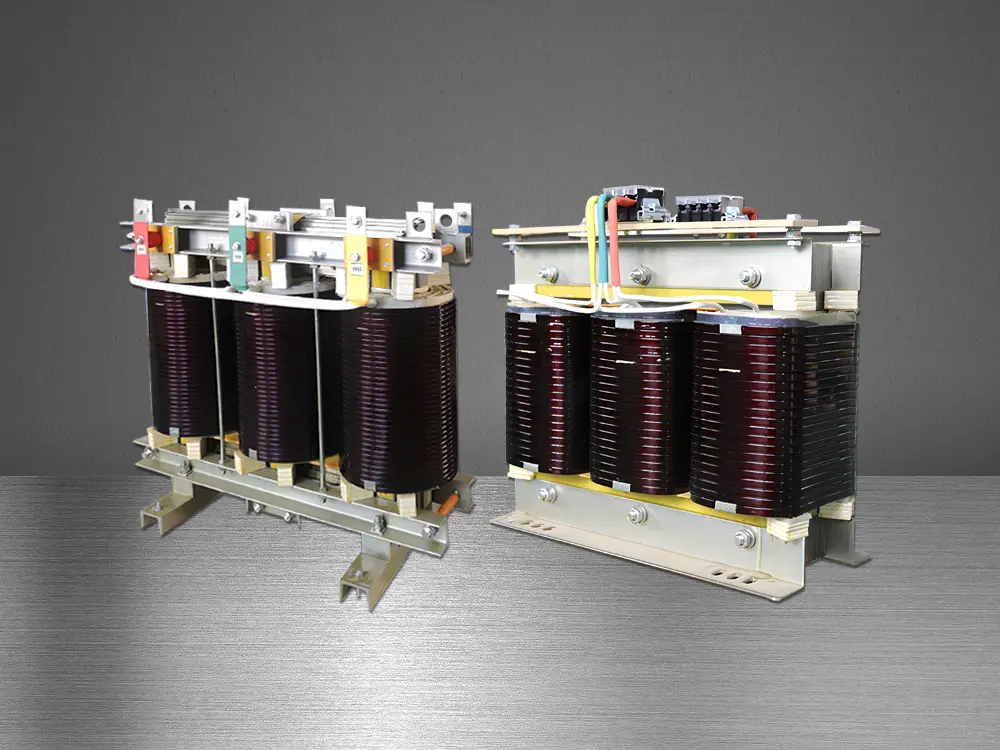 Three-Phase Isolation Transformer
 Control Transformer
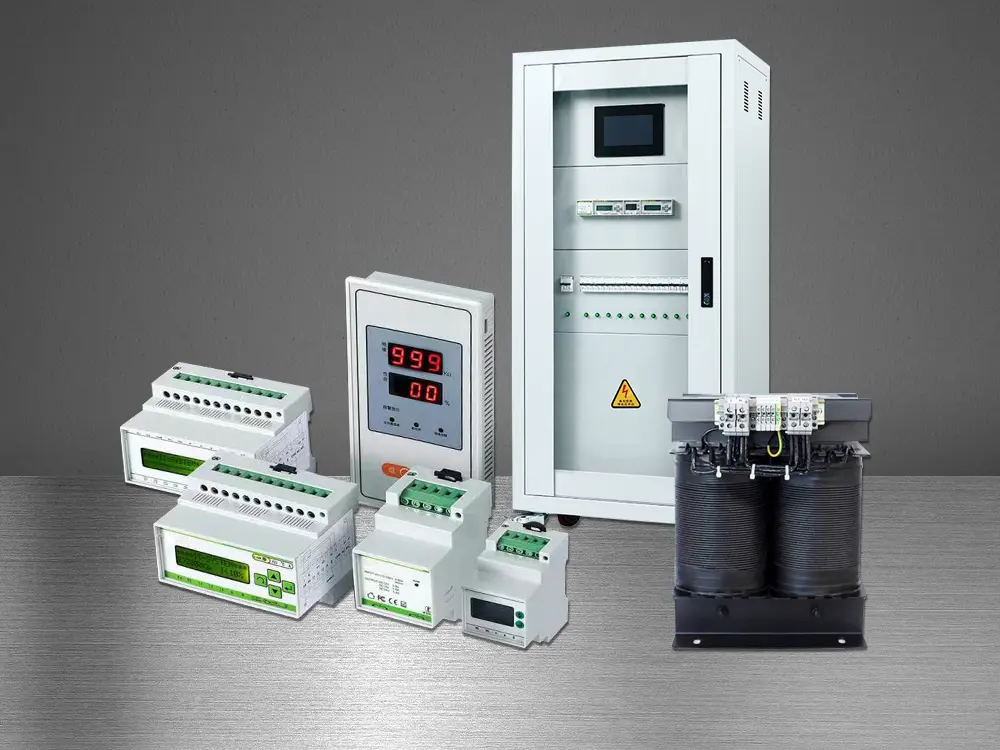 Medical IT Isolated Power System
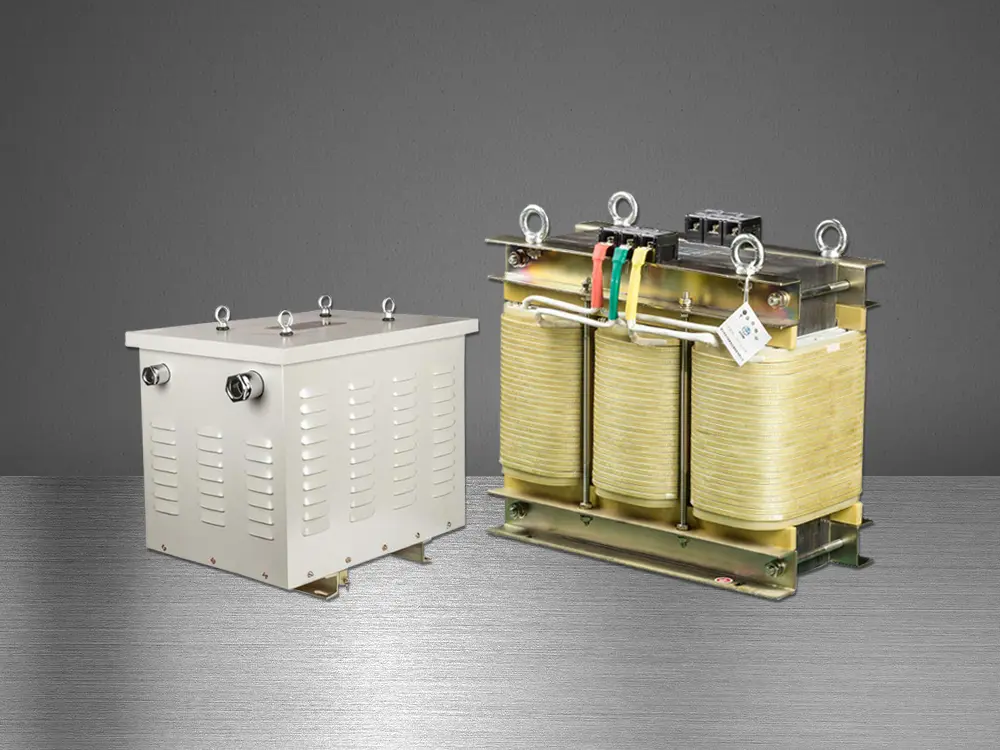 Marine Transformer
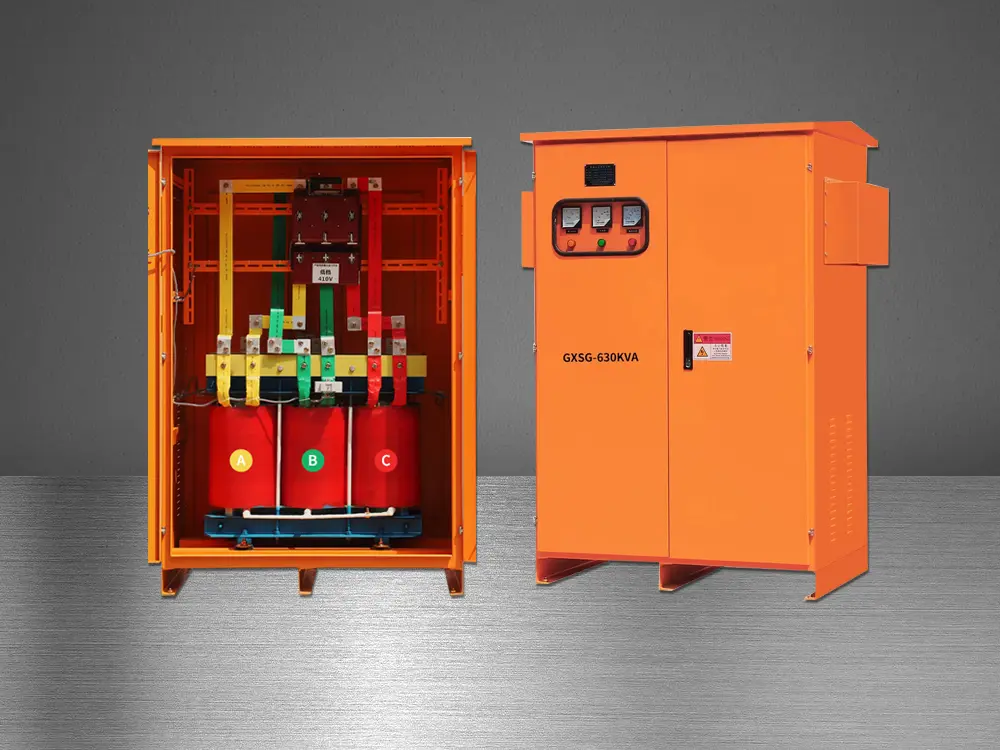 Tunnel Transformer
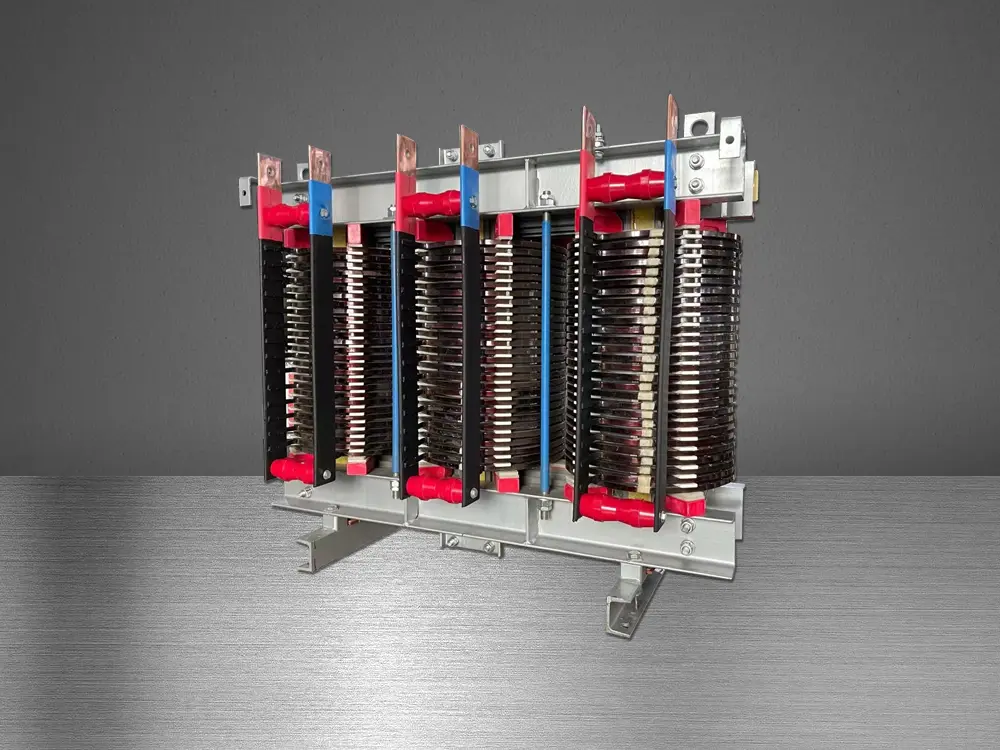 High Current Transformer
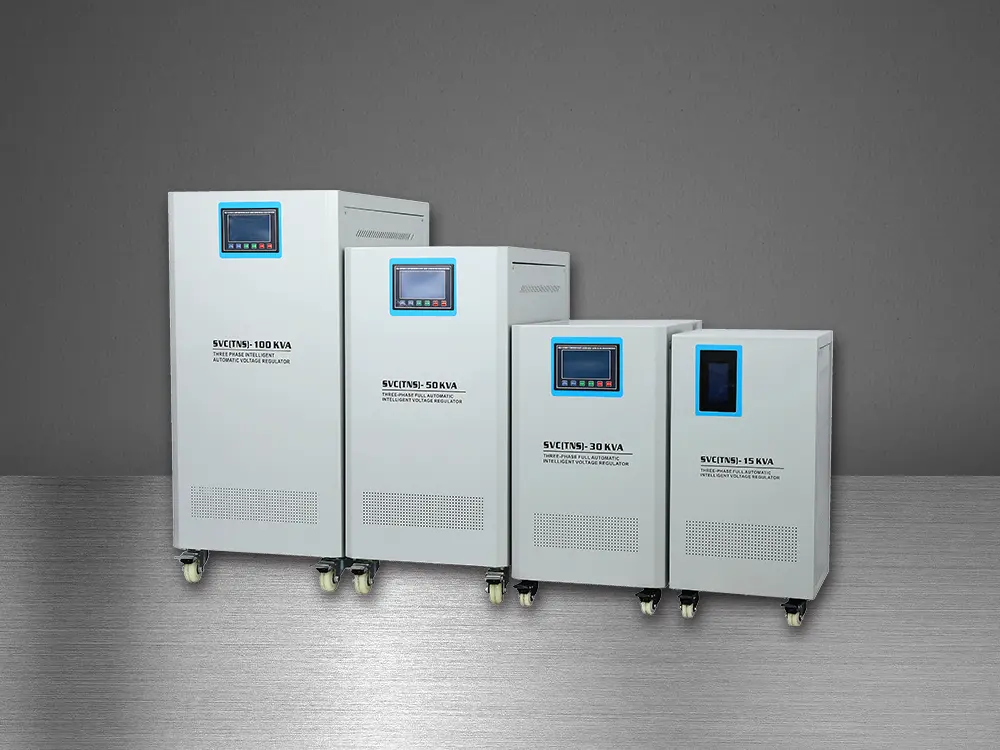 Automatic Voltage Regulator
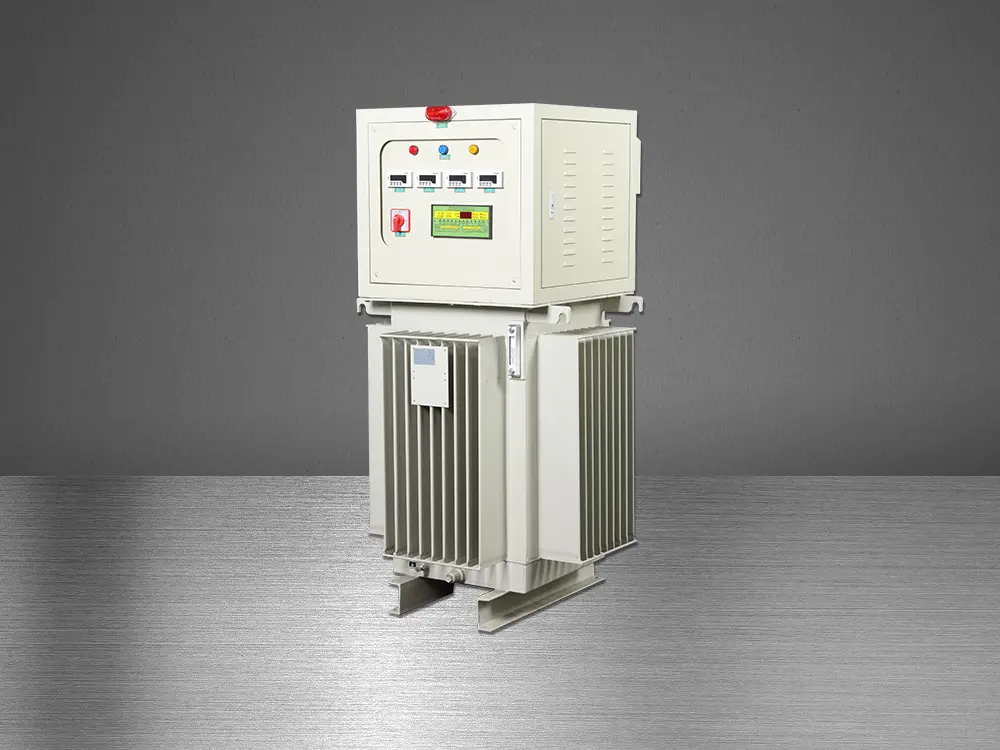 Oil Immersed Voltage Regulator