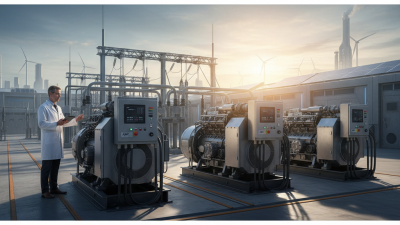
Top 5 Phases of Transformer Operation You Need to Know
Transformers play a crucial role in the electrical power system, serving as the backbone for efficient power transmission. Understanding the various "Phase Of Transformer" operations is essential for engineers and technicians alike. According to Dr. Emily Carter, a leading expert in power engineering, "Knowing the key phases of transformer operation allows for not only enhanced efficiency but also improved reliability in power systems."
In this article, we will explore the top five phases of transformer operation that every professional in the industry should be familiar with. These phases encompass critical aspects of transformer functionality, from its initial setup and operational performance to maintenance checks that ensure longevity and effectiveness. By examining these phases in detail, professionals can gain deeper insights into the intricate workings of transformers, ultimately leading to better system design and management. Understanding these phases is not just beneficial, but vital for anyone involved in the field of electrical engineering.
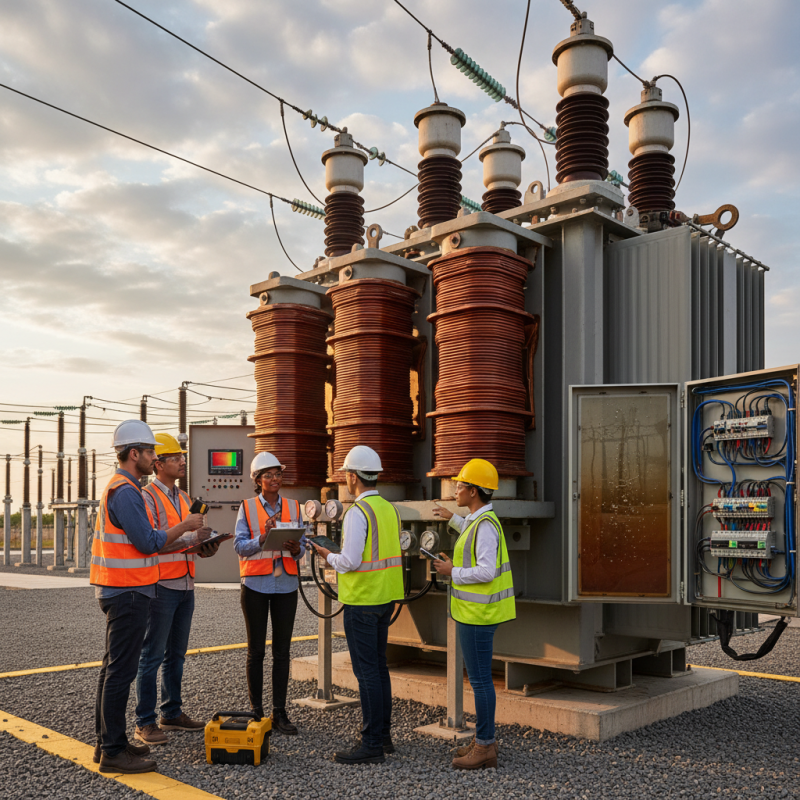
Understanding the Basics of Transformer Operation
Transformers play a crucial role in electrical power distribution by enabling the efficient transfer of energy across different voltage levels. Understanding the basics of transformer operation begins with grasping the core principle of electromagnetic induction. When alternating current flows through the primary coil, it generates a magnetic field that induces a voltage in the secondary coil. This fundamental process allows transformers to either step up or step down voltage levels, making them essential in both transmission and distribution networks.
The operation of transformers can be divided into several phases, each crucial to their functionality. Initially, during the energization phase, the primary voltage is applied, and the magnetic circuit is established. This is followed by the loading phase, where the transformer supplies power to the connected load, leading to a balanced distribution of voltage and current. Finally, during the idle phase, the transformer remains energized without any load, consuming minimal power and ensuring system stability. Understanding these operational phases is vital for engineers and technicians, ensuring efficient design, operation, and maintenance of transformer systems.
Phase 1: Power Supply and Input Voltage Regulation
In transformer operation, the first phase focuses on power supply and input voltage regulation, which is crucial for ensuring optimal performance and reliability. The primary role of this phase is to stabilize the voltage entering the transformer, ensuring that it operates within its designed specifications. According to a report by the International Electrotechnical Commission (IEC), voltage variations can significantly affect transformer efficiency, potentially leading to overheating or even failure. Maintaining a consistent input voltage helps mitigate these risks, ensuring the transformer can deliver optimal performance across various load conditions.
Effective input voltage regulation is achieved through various methods, including the use of automatic voltage regulators (AVRs) and advanced monitoring systems. A study conducted by the Institute of Electrical and Electronics Engineers (IEEE) indicates that transformers equipped with these technologies can experience up to a 20% increase in operational efficiency, which not only prolongs the lifespan of the equipment but also improves overall energy management. As the global demand for electricity continues to rise, maintaining strict voltage regulation standards will be essential for enhancing power grid reliability and preventing disruptions in service. This phase sets the foundation for subsequent operations, making it a critical component in the lifecycle of transformer management.
Phase 2: Electromagnetic Induction and Magnetic Field Creation
In the realm of electrical engineering, electromagnetic induction is a critical phase in transformer operation. During this phase, an alternating current (AC) flowing through the primary winding generates a magnetic field. This magnetic field then travels through the transformer's core, inducing a voltage in the secondary winding. The efficiency of this process depends on several factors, including the strength of the magnetic field and the design of the transformer. Understanding these principles is essential for anyone involved in the design or maintenance of electrical systems.
**Tips**: When working with transformers, always ensure that the core material is optimized for high magnetic permeability. This allows for more efficient magnetic field creation, minimizing energy losses during induction. Additionally, maintaining proper insulation around the windings is vital to prevent any loss of induced voltage.
Moreover, the phenomenon of magnetic field creation not only enhances the transformer’s efficiency but also plays a crucial role in its stability. A well-designed magnetic circuit helps in reducing losses due to eddy currents and hysteresis. Thus, choosing appropriate core designs and materials can significantly impact the overall performance of the transformer.
**Tips**: Regularly check the transformer's core for wear and tear, as deterioration can lead to malfunctions and decreased efficiency. Utilizing advanced materials like amorphous steel can further enhance the magnetic properties, resulting in better energy conservation and transformer longevity.
Top 5 Phases of Transformer Operation - Phase 2: Electromagnetic Induction and Magnetic Field Creation
| Phase |
Description |
Key Concepts |
Applications |
| 1. Magnetic Field Generation |
Creating a magnetic field through the flow of electric current. |
Ampere's Law, Right-Hand Rule |
Transformers, Electric Motors |
| 2. Electromagnetic Induction |
Process by which a changing magnetic field induces an electric current. |
Faraday's Law, Lenz's Law |
Power Generation, Induction Heating |
| 3. Transformer Action |
Transfer of energy between circuits through mutual induction. |
Turns Ratio, Energy Conservation |
Voltage Regulation, Electrical Distribution |
| 4. Efficiency Considerations |
Understanding losses during energy transfer and ways to minimize them. |
Copper Loss, Iron Loss |
Optimizing Transformer Design |
| 5. Applications in Technology |
Utilization of transformers in various electrical systems and devices. |
AC Power Systems, Electrical Isolation |
Grid Distribution, Signal Processing |
Phase 3: Energy Transfer and Voltage Transformation Process
In the third phase of transformer operation, Energy Transfer and Voltage Transformation, the core principles of electromagnetic induction come into play. When an alternating current flows through the primary winding of the transformer, it generates a varying magnetic field that encapsulates the core. This magnetic field is essential, as it connects the primary and secondary windings without any physical electrical connection, allowing energy to transfer effectively between the two.
As the magnetic field fluctuates, it induces a voltage in the secondary winding. The amount of voltage induced depends on the turns ratio between the primary and secondary coils. If the secondary winding has more turns than the primary, the transformer acts as a step-up device, increasing voltage for transmission over long distances. Conversely, if the secondary has fewer turns, it functions as a step-down transformer, reducing voltage for safe use in local circuits. This energy transformation is critical in power distribution systems, ensuring that electricity can be transmitted efficiently and safely to its final destination.
Phase 4: Output Voltage Regulation and Load Management
Output voltage regulation and load management are critical aspects of transformer operation, ensuring that electrical systems function smoothly and efficiently. During this phase, transformers adjust their output voltage to maintain a consistent level despite variations in load demand. This regulation is essential for preventing damage to connected equipment, as excessive voltage can lead to overheating and failure. Transformers use feedback systems to monitor output and make rapid adjustments, keeping the voltage within safe operating limits.
Tip: Regular maintenance and testing of transformers can enhance their voltage regulation capabilities. Implementing a schedule for checking connections and insulation resistance can help identify potential issues before they escalate, ensuring reliable operation.
Load management is equally important in this context. It involves distributing the electrical load across various transformers or phases to prevent overloading. By managing loads effectively, operators can enhance the lifespan of transformers and improve overall system efficiency. This proactive approach minimizes the risk of outages and ensures that power delivery remains steady.
Tip: Consider using advanced monitoring systems to track load patterns. This data can help operators make informed decisions on load distribution, optimizing the overall performance of the electrical system.
Conclusion
The article "Top 5 Phases of Transformer Operation You Need to Know" outlines the essential phases involved in transformer functionality. The first phase focuses on the power supply and input voltage regulation, which is crucial for ensuring a stable operation. In the second phase, electromagnetic induction and magnetic field creation are explored, detailing how these principles enable energy transfer within the transformer.
The third phase delves into the energy transfer and voltage transformation process, highlighting how transformers modify voltage levels for various applications. Following that, the fourth phase addresses output voltage regulation and load management, which are vital for maintaining efficiency under varying load conditions. Finally, the fifth phase emphasizes the importance of maintenance practices for optimal transformer performance, ensuring longevity and reliability. Understanding each phase of transformer operation is key to effectively leveraging transformers in electrical systems.

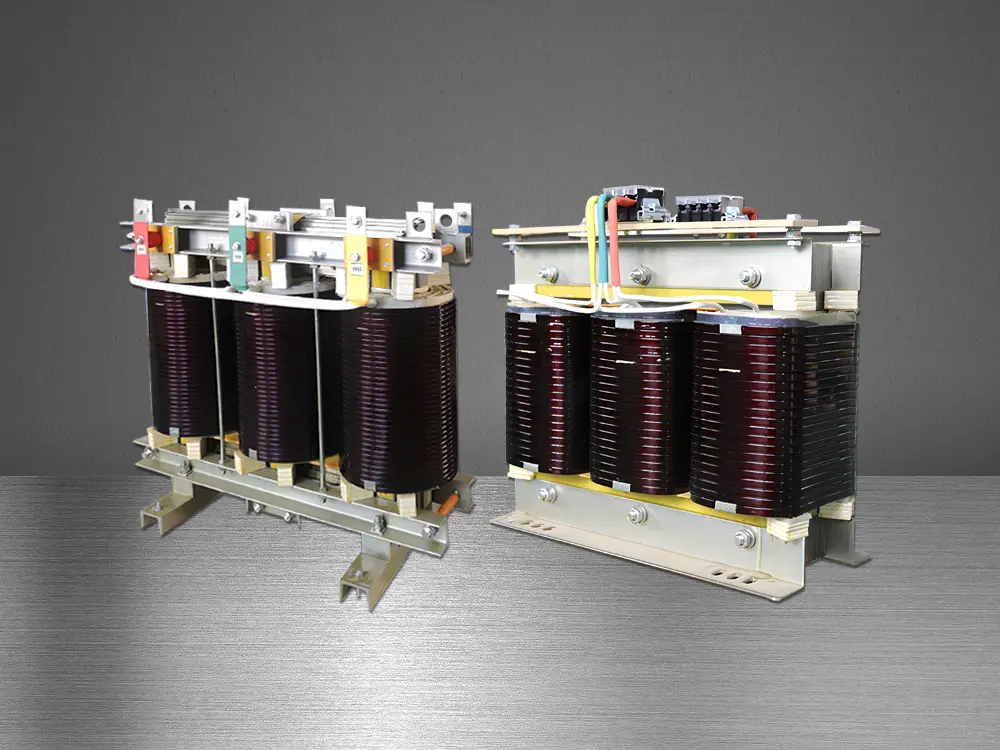 Three-Phase Isolation Transformer
 Control Transformer
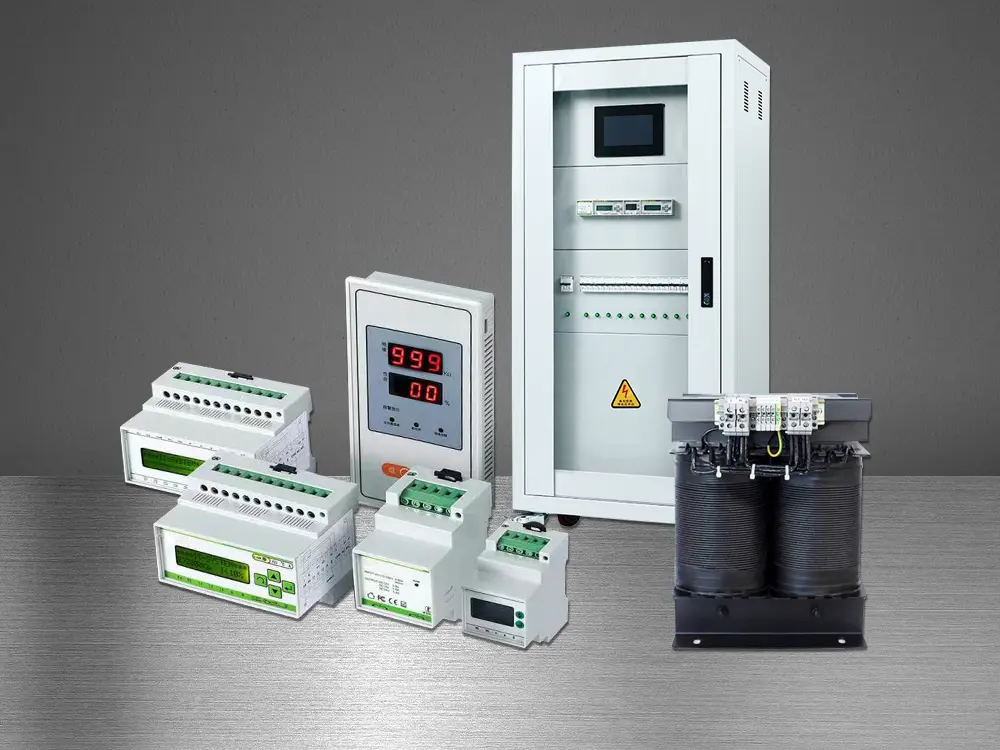 Medical IT Isolated Power System
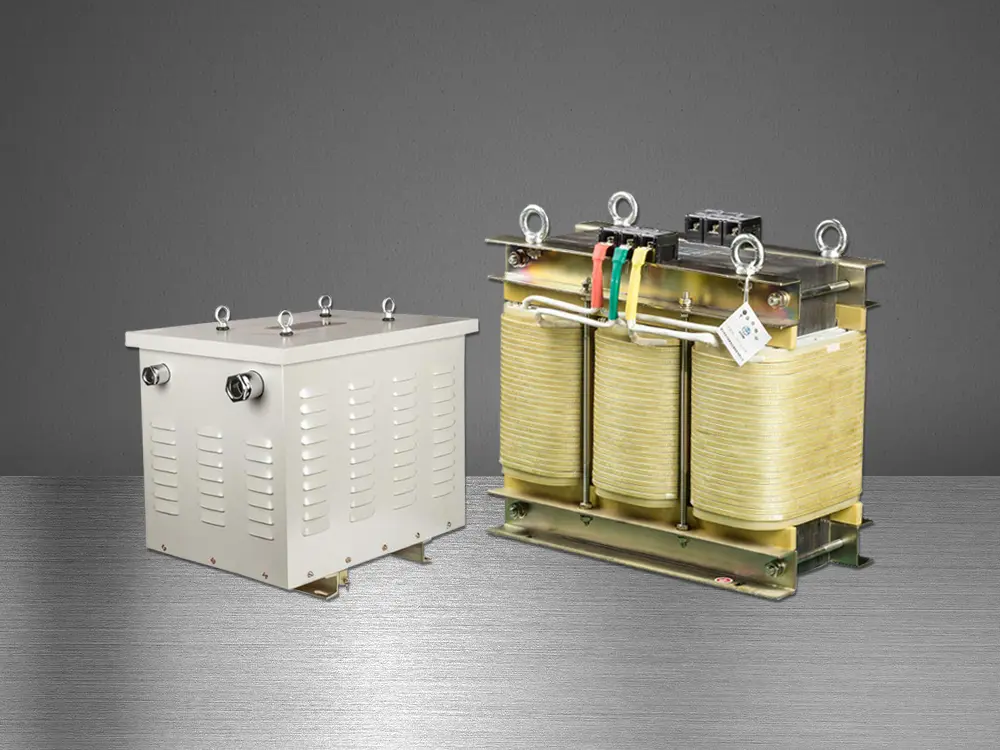 Marine Transformer
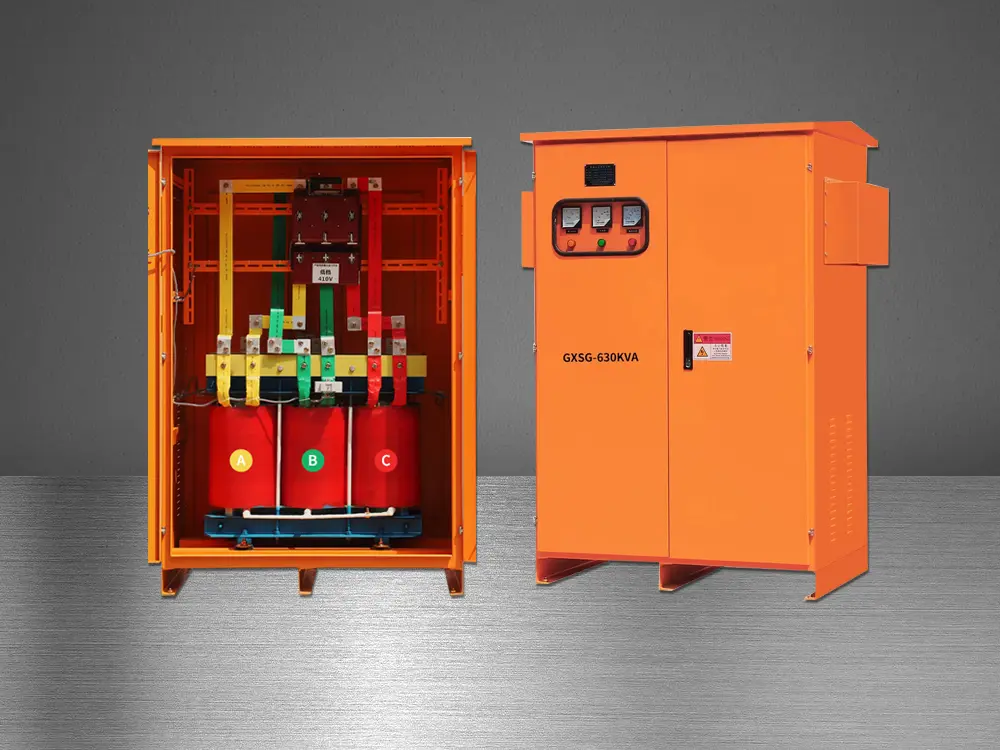 Tunnel Transformer
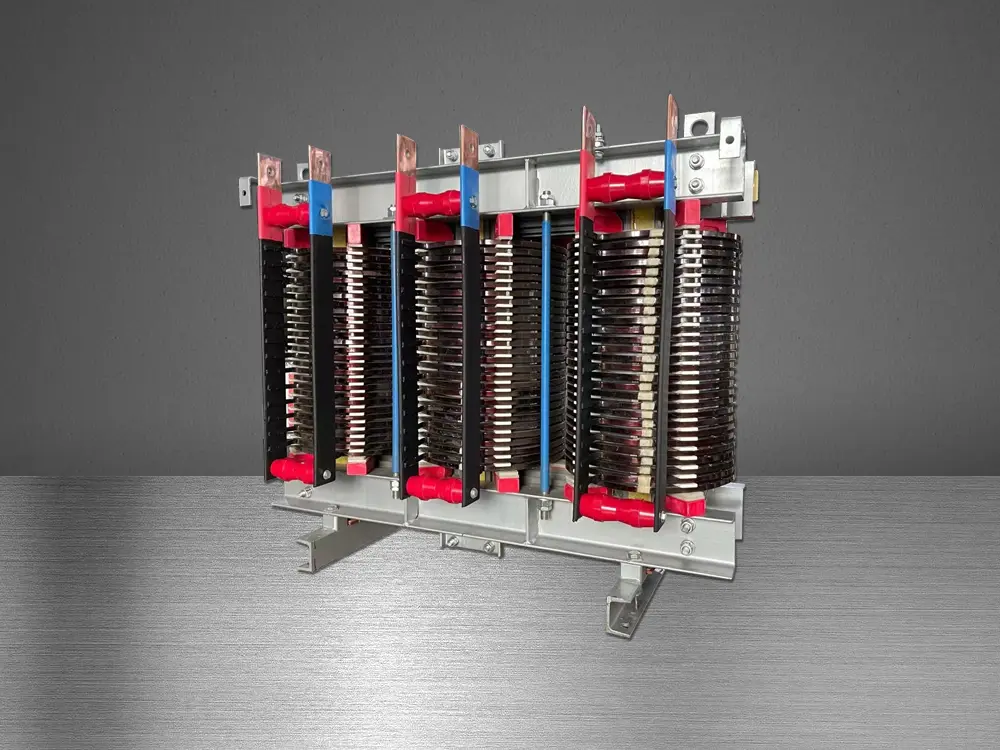 High Current Transformer
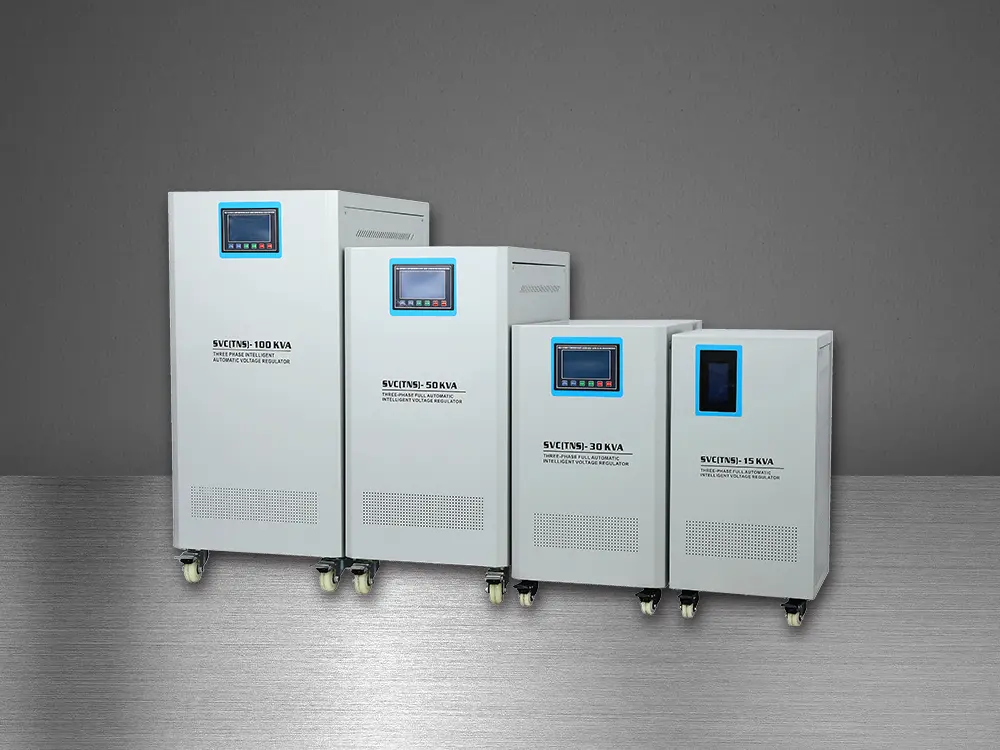 Automatic Voltage Regulator
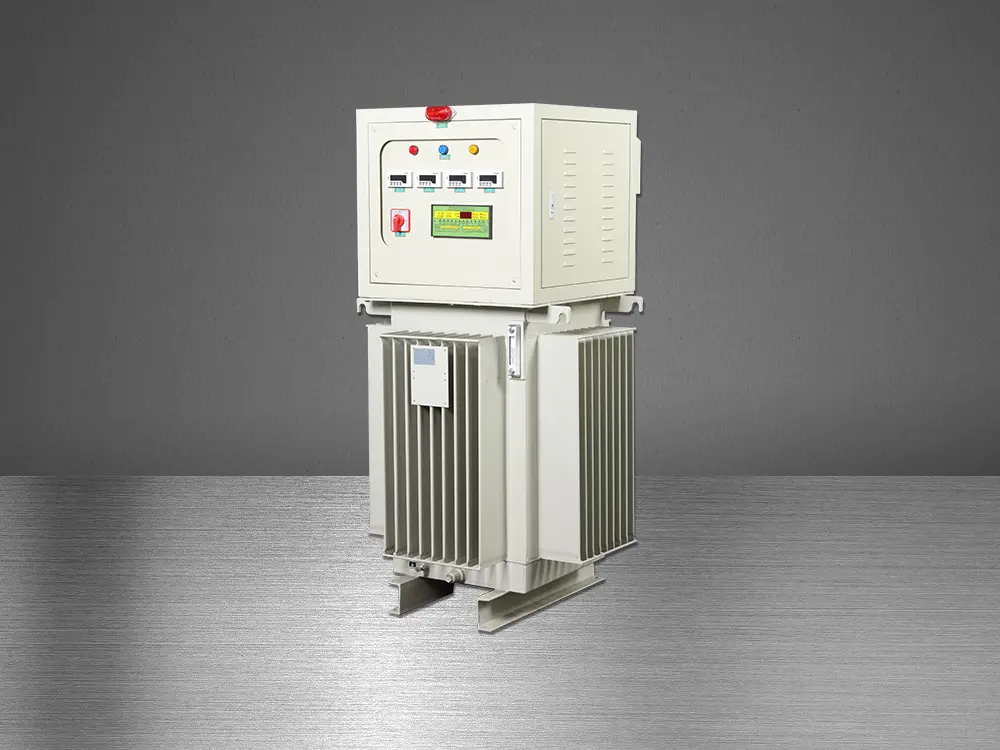 Oil Immersed Voltage Regulator