How to Optimize Medical Isolated Power Systems for Safety?
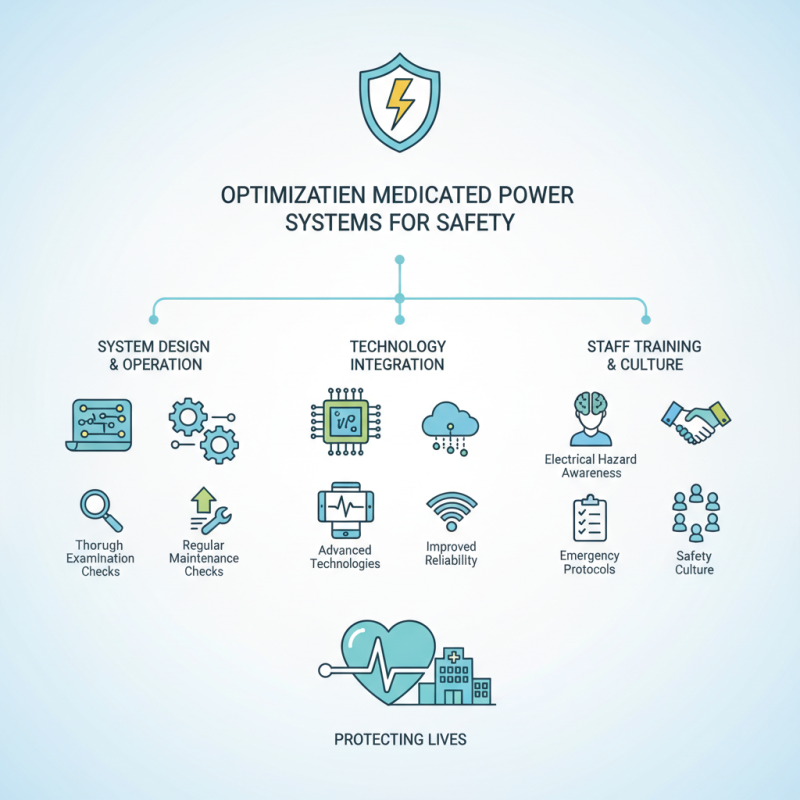
In the complex world of healthcare, ensuring safety is paramount. The Medical Isolated Power System (MIPS) plays a crucial role in safeguarding patients and staff. It prevents electrical shocks, making it essential for medical facilities. However, many systems may not meet current safety standards. Enhancing these systems requires a thorough examination of their design and operation.
Understanding the nuances of MIPS is vital for healthcare professionals. Regular maintenance checks and system upgrades are often overlooked. These oversights can lead to failures during critical moments. A robust MIPS ensures uninterrupted services, particularly in emergency situations. Additionally, integrating advanced technologies can improve system reliability.
Healthcare facilities must prioritize training staff in MIPS operation. Lack of knowledge about potential electrical hazards can result in accidents. This training should cover practical scenarios and emergency protocols. Emphasizing safety culture is necessary for mitigating risks. Ultimately, optimizing the Medical Isolated Power System is not just about compliance; it is about protecting lives.
Understanding Medical Isolated Power Systems and Their Importance
Medical Isolated Power Systems (MIPS) are crucial in healthcare settings. They provide electrical isolation while minimizing shock hazards. A well-designed MIPS enhances patient safety and protects sensitive equipment. According to the National Fire Protection Association (NFPA), electrical failures cause 13% of fires in healthcare facilities. This statistic underscores the importance of robust power systems.
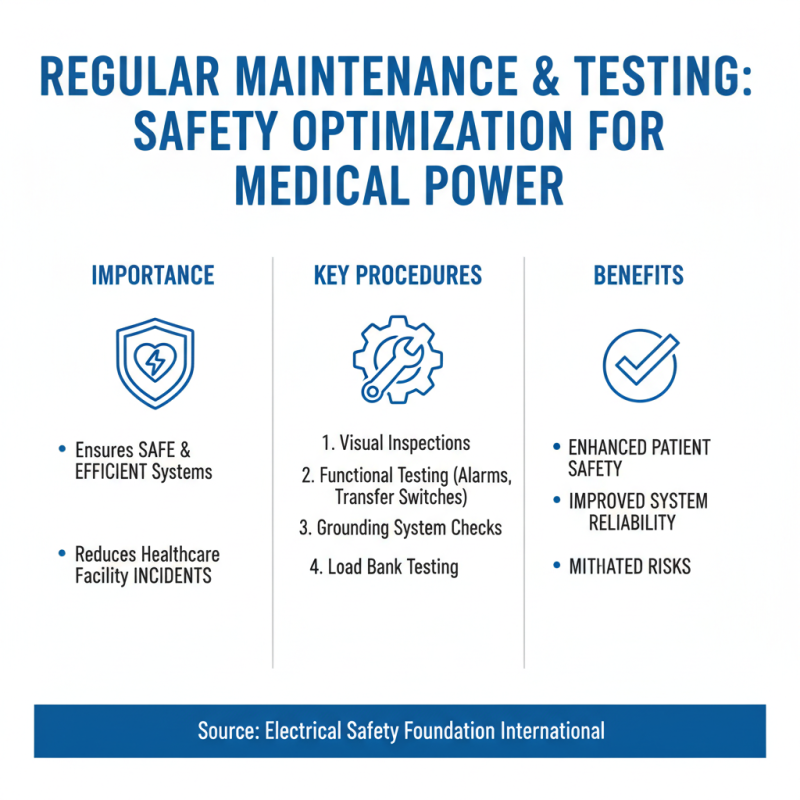
Patients often rely on medical devices that require continuous power. In 2020, a report indicated that about 31% of medical device failures were linked to power issues. An optimized MIPS can significantly reduce such failures. Routine inspections and testing are vital. Yet, many facilities overlook these practices, exposing themselves to risks.
Effective training for staff on MIPS operation is often lacking. Research shows that improper use accounts for nearly 30% of incident reports in healthcare. It's essential to prioritize staff education. Additionally, integrating newer technologies could enhance existing systems. The medical field continually evolves. However, complacency can lead to serious safety oversights. Regular reviews and updates are necessary to maintain high safety standards.
How to Optimize Medical Isolated Power Systems for Safety?
| Feature |
Importance |
Best Practices |
Compliance Standards |
| Isolation Transformer |
Reduces the risk of electrical shocks to patients |
Regular testing and maintenance |
IEC 60601, NEC |
| Ground Fault Detection |
Ensures safety by detecting faults quickly |
Implement advanced monitoring systems |
NFPA 99 |
| Regular Training |
Empowers staff to respond effectively to power issues |
Conduct biannual safety drills |
CMS Regulations |
| Load Monitoring |
Prevents overload situations |
Utilize sensors for real-time monitoring |
IEEE Standards |
| Patient Safety Protocols |
Prioritizes patient safety in healthcare environments |
Develop and review protocols regularly |
ISO 13485 |
Key Safety Standards and Regulations for Isolated Power Systems
Isolated power systems play a key role in ensuring safety in medical environments. Adhering to safety standards is crucial. The NFPA 99 standard outlines essential guidelines for healthcare facilities. It stipulates that electrical systems must minimize shock risks to patients and staff. Compliance with such standards helps maintain a safe environment in critical care areas.
Moreover, the IEC 60364-7-710 standard emphasizes the importance of isolation in medical locations. This includes requirements for daily testing of insulation resistance. Medical facilities should conduct inspections and documentation regularly. According to a 2021 industry report, 30% of healthcare providers fail to maintain required insulation levels. This raises concerns about patient safety and operational efficiency.
Training staff on these regulations is vital. Many professionals lack comprehensive knowledge of isolated power systems. Regular training sessions can bridge this gap, ensuring that staff understands compliance requirements. Awareness can significantly enhance safety protocols. However, existing strategies often overlook practical, real-world challenges faced by healthcare teams. Continuous assessment and adaptation of these safety measures are necessary.
Best Practices for Designing and Installing Isolated Power Systems
Designing and installing isolated power systems involves critical practices for patient safety and equipment reliability. A recent report indicates that up to 90% of healthcare facilities face challenges with electrical safety. Key consideration should be given to ensuring proper grounding practices. Without effective grounding, electrical faults can lead to hazardous situations. Inadequate systems increase risks of electrical shock, which are among the leading causes of patient harm in clinical settings.
Installation should prioritize user-friendly interfaces. Clear labeling and easy access to power systems enhance operational efficiency and reduce potential errors during emergencies. Comprehensive training for staff on isolated power system operation is vital. Studies show that facilities investing in staff education see a 40% decrease in electrical-related incidents. Regular inspections and maintenance are essential. Failure to conduct routine checks may lead to unexpected failures, making it imperative to establish a scheduled maintenance protocol.
Furthermore, monitoring technology can offer real-time data about system performance. These insights help facilities address potential issues before they become critical. Many organizations neglect to update or replace aging systems, increasing the likelihood of failures. It’s essential to consider advancing technologies while also reflecting on past mistakes. By doing so, healthcare facilities can enhance both safety and efficiency in their isolated power systems.
Safety Performance of Medical Isolated Power Systems
This chart illustrates the performance metrics of various safety parameters in Medical Isolated Power Systems. The scores reflect the effectiveness of voltage levels, current flow management, isolation resistance, ground fault detection, and system maintenance practices to ensure safety in medical environments.
Training Personnel on Safety Protocols in Medical Isolated Power Systems
Training personnel on safety protocols in medical isolated power systems is crucial for enhancing patient and staff safety. According to the Institute of Electrical and Electronics Engineers (IEEE), improper training leads to increased incidents in healthcare facilities. A study showed that 73% of electrical failures were linked to human error. Proper training can significantly reduce this risk.
Effective training should focus on real-life scenarios. For instance, staff should practice identifying and addressing potential hazards related to power systems. Regular drills can prepare personnel to react swiftly during emergencies. The National Fire Protection Association (NFPA) suggests that routine training can improve response times by up to 50%. Yet, many facilities overlook these drills, creating gaps in readiness.
Moreover, incorporating feedback from frontline staff is essential. Engaging personnel in developing training content can highlight areas needing more focus. Often, staff can provide insights on what challenges they face daily. Adapting training accordingly can bridge those gaps. Continuous evaluation of training effectiveness is necessary, as failing to do so may perpetuate unsafe practices.

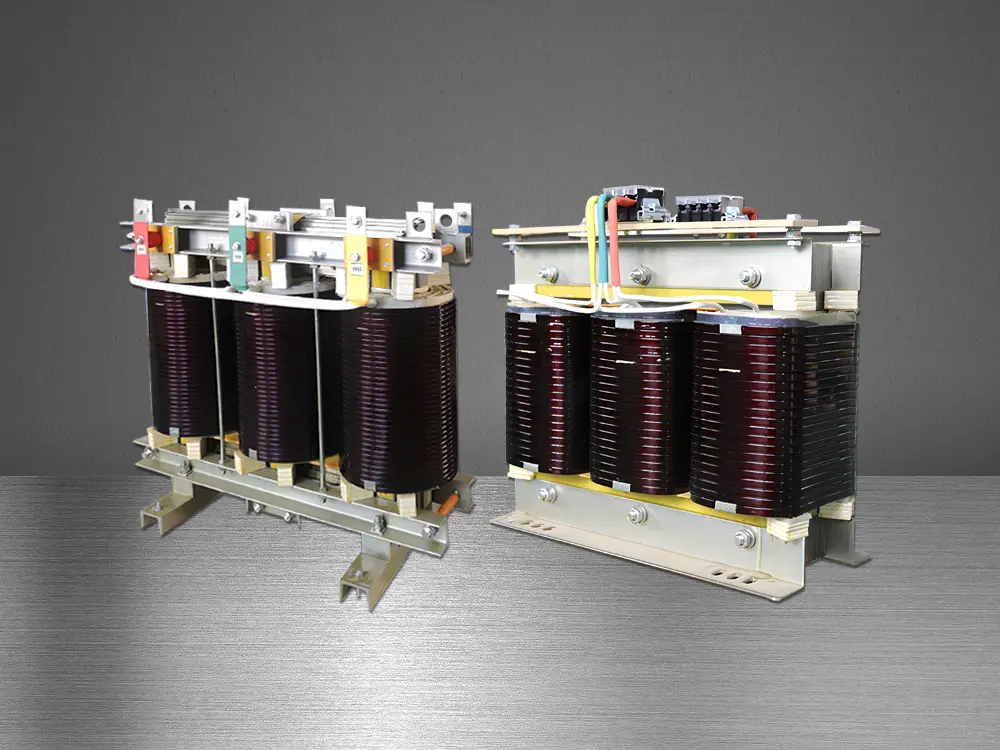 Three-Phase Isolation Transformer
 Control Transformer
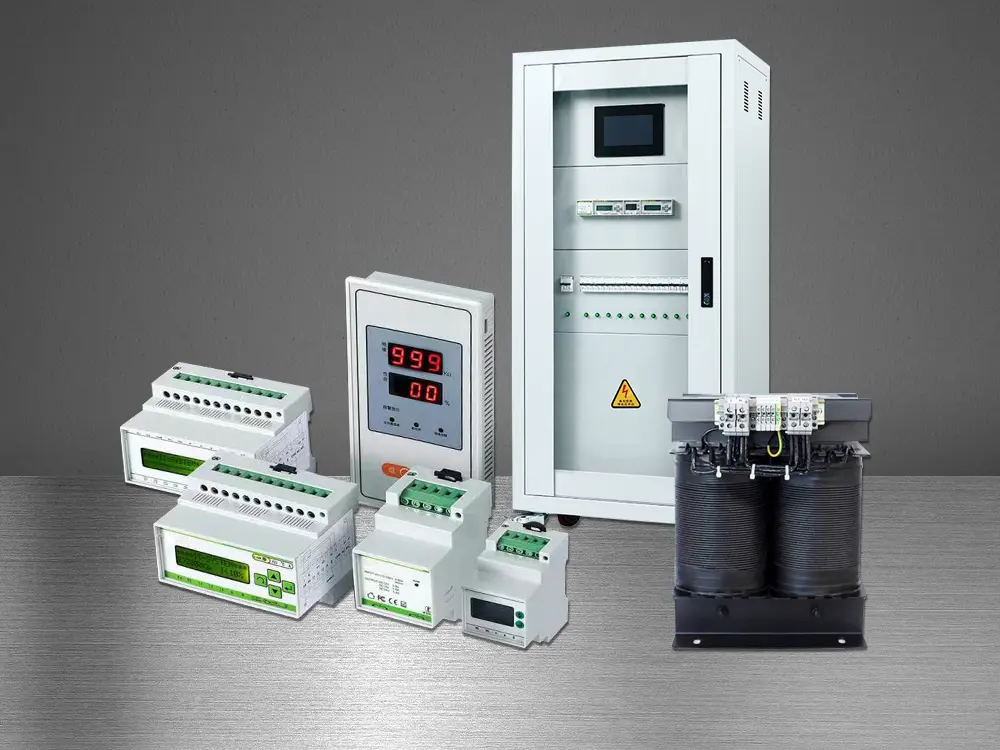 Medical IT Isolated Power System
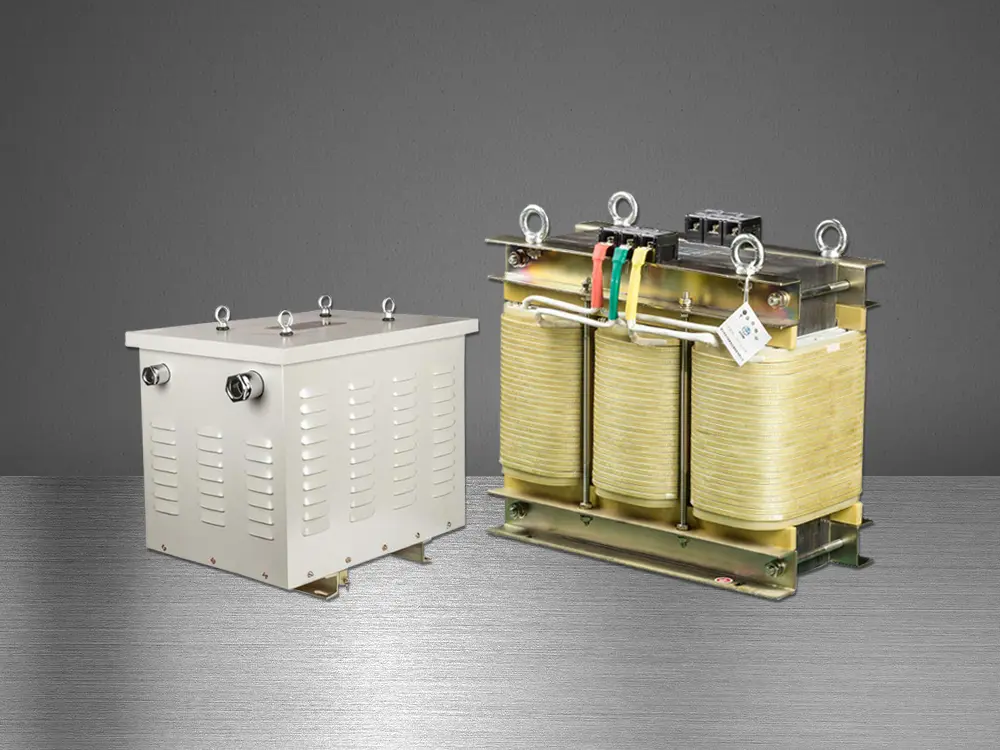 Marine Transformer
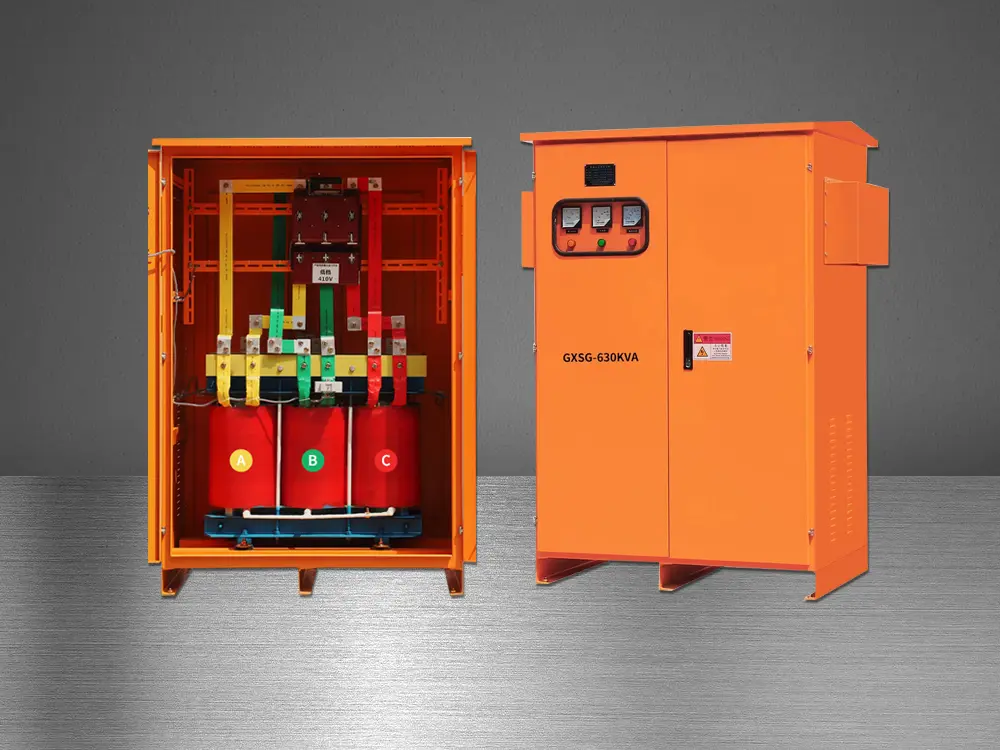 Tunnel Transformer
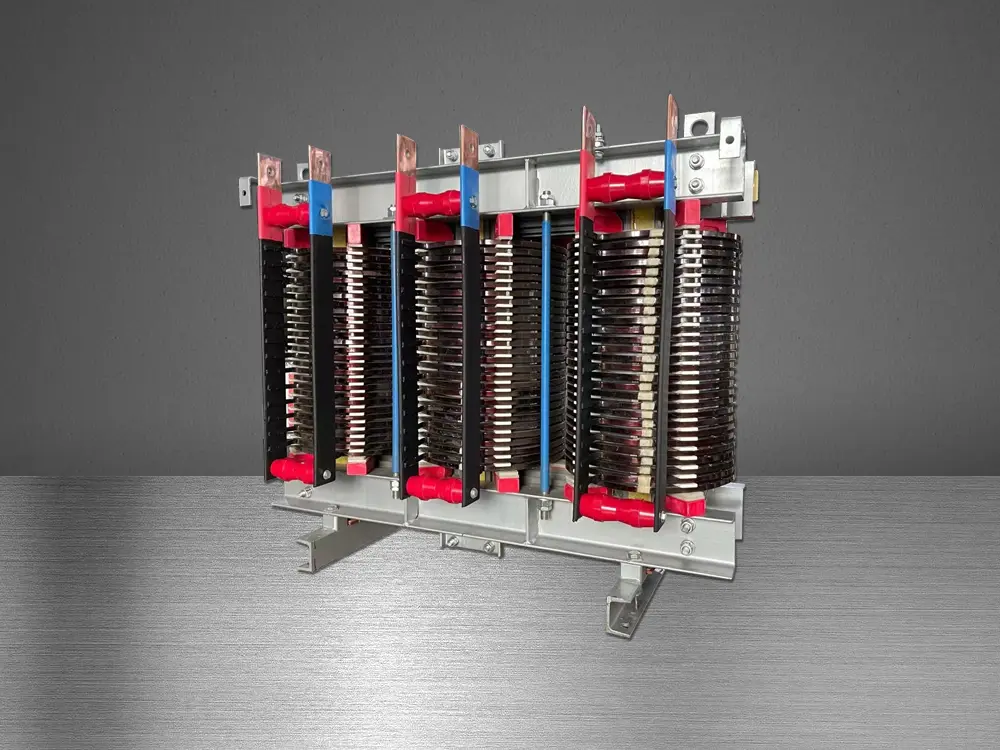 High Current Transformer
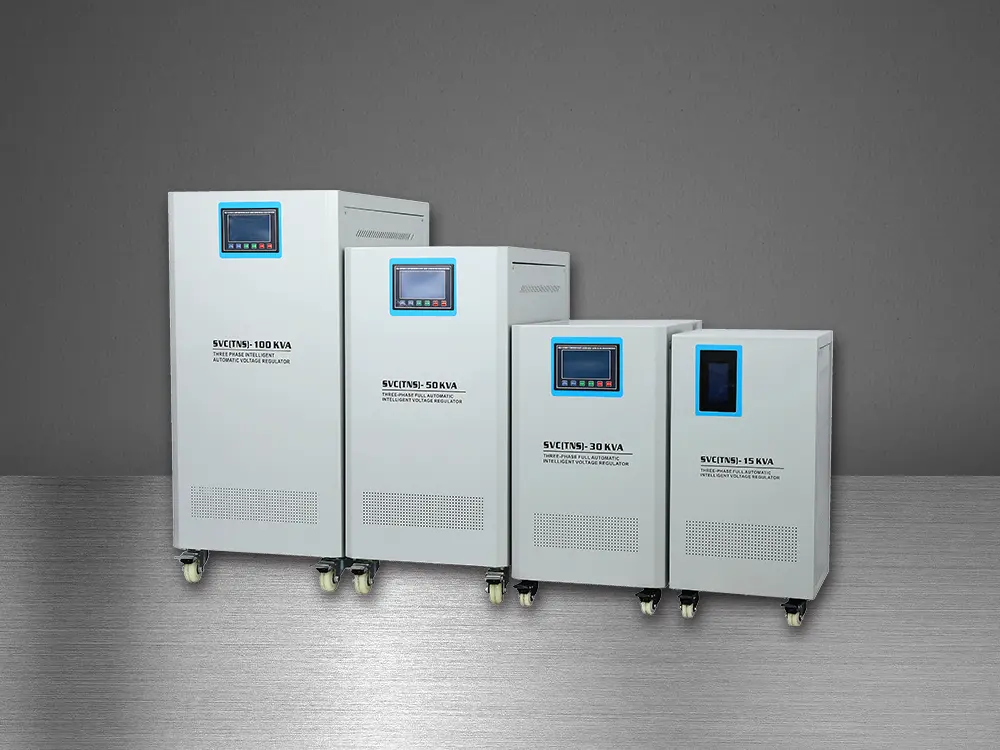 Automatic Voltage Regulator
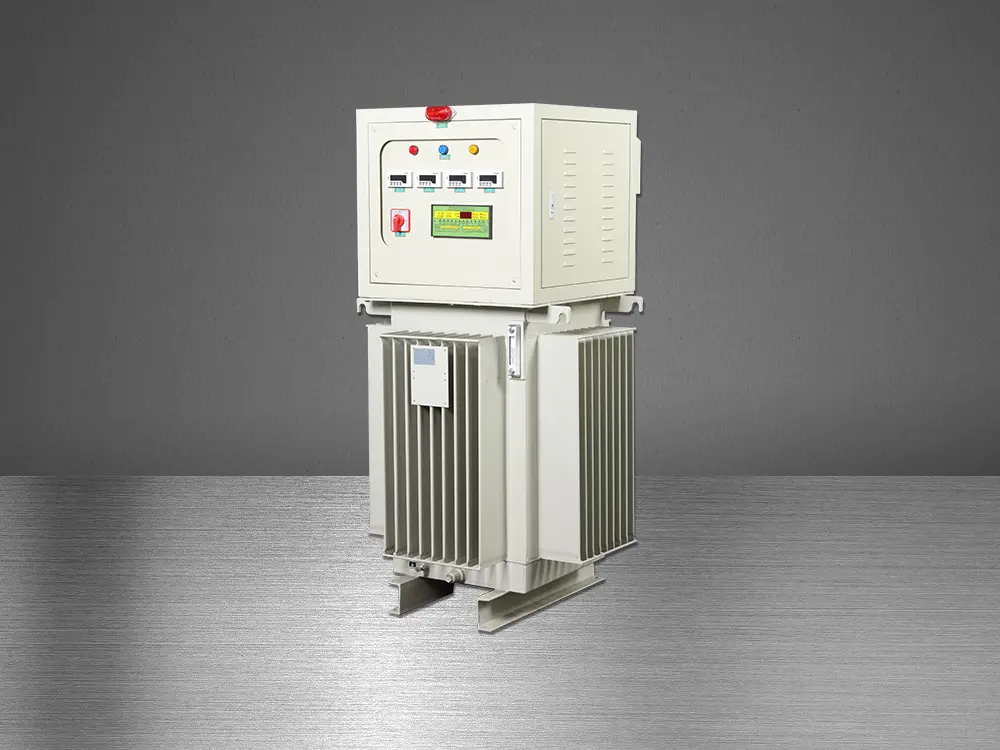 Oil Immersed Voltage Regulator