What is an Isolated Voltage Monitor and How Does it Work?
Understanding an Isolated Voltage Monitor is crucial for many industries. This device plays a vital role in ensuring safety and reliability in electrical systems. An Isolated Voltage Monitor helps to prevent accidental contact with high voltage. This is particularly important in medical equipment and industrial applications.
The operation of an Isolated Voltage Monitor involves measuring voltage levels without creating direct electrical connections. This isolation is essential for protecting sensitive components and reducing noise interference. Users often appreciate how these monitors enhance system reliability. However, some may overlook the need for regular maintenance and calibration.
While the technology behind Isolated Voltage Monitors is sophisticated, it isn’t infallible. Users must ensure their devices are functioning correctly. Relying solely on technology can lead to complacency. Continuous learning and proper usage are essential for maximizing the effectiveness of these monitors. Understanding their limitations promotes better safety practices.
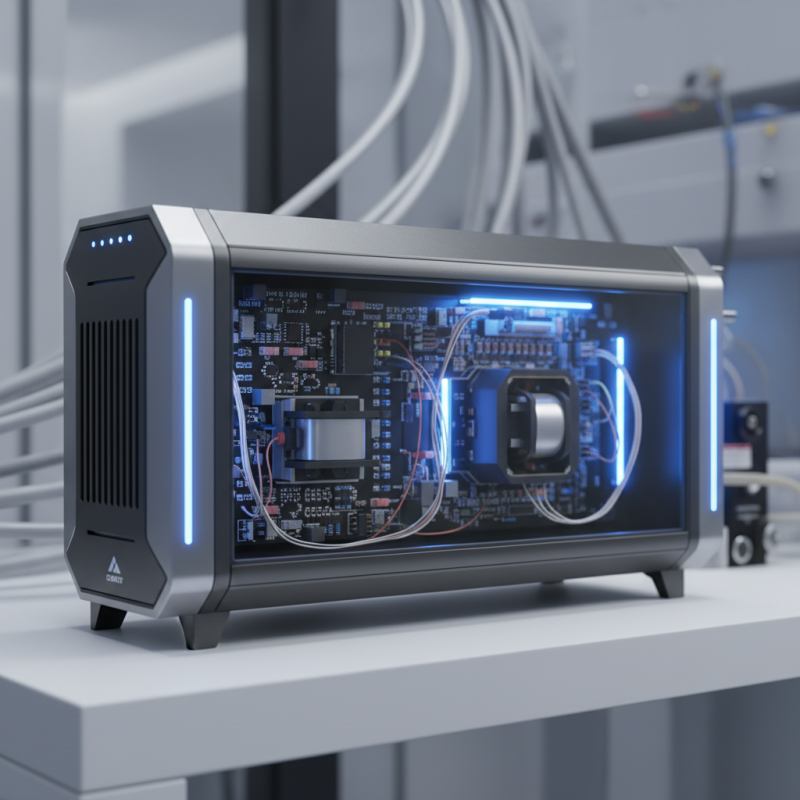
What is an Isolated Voltage Monitor?
An isolated voltage monitor is a critical device used in various electrical applications. It measures voltage levels while ensuring that there is no direct electrical connection between the measuring instrument and the system being monitored. This feature enhances safety and reduces the risk of electrical shocks.
The functionality of an isolated voltage monitor revolves around its ability to provide real-time data without compromising the integrity of the electrical system. It employs isolation barriers, such as transformers or opto-isolators. These components separate the monitoring circuitry from the high-voltage areas. This separation is crucial in industrial settings where equipment operates at different voltage levels.
Practical applications include battery management systems and renewable energy setups. Users can monitor voltage levels from a distance. However, not all devices achieve the same level of accuracy. There can be room for error in readings, which may lead to misguided conclusions if not considered. Observing an isolated voltage monitor offers insights into system health, yet critical thinking is needed to interpret the data appropriately.
Key Components of Isolated Voltage Monitors
Isolated voltage monitors are essential in various industries, especially in electrical engineering. Understanding their key components is crucial for effective implementation. These monitors typically include a sensing element, signal isolator, and display unit. The sensing element detects voltage levels, providing real-time monitoring. According to the IEEE, real-time voltage monitoring can improve fault detection by up to 40%.
The signal isolator ensures that measurements are accurate. It protects sensitive components from high voltage, preventing damage. Important ratings include isolation voltage and response time. Reports by the International Electrotechnical Commission indicate that effective isolation reduces equipment failure rates by 30%.
Display units provide user-friendly interfaces. They often feature alarms for abnormal conditions, enhancing safety. Despite these benefits, some systems may struggle with consistent accuracy. Regular calibration is vital to maintain reliability. Ultimately, understanding these components aids in selecting the right monitor and enhancing operational efficiency.
How Do Isolated Voltage Monitors Function?
Isolated voltage monitors are essential tools in various industrial applications, ensuring system reliability and safety. These devices measure voltage levels without direct electrical connections to the circuits they monitor. This isolation protects both the measuring equipment and personnel from potential high-voltage hazards.
The functioning of an isolated voltage monitor involves several key components. First, a sensor detects the voltage across the monitored circuit. This sensor sends the signal to an isolator. The isolator separates the sensor from the monitored voltage, providing safety during measurements. According to a report by the International Electrotechnical Commission, isolated voltage monitors can reduce the risk of electrical shock by up to 70%. This reliability is crucial for plant operators and maintenance personnel.
While isolated voltage monitors provide significant benefits, they are not without challenges. Calibration remains vital to ensure accuracy. Reports show that up to 15% of monitoring setups fail due to improper calibration. Furthermore, environmental factors like temperature and humidity can affect readings. Thus, regular maintenance and reassessment are necessary for optimal performance.
Applications of Isolated Voltage Monitors in Industry
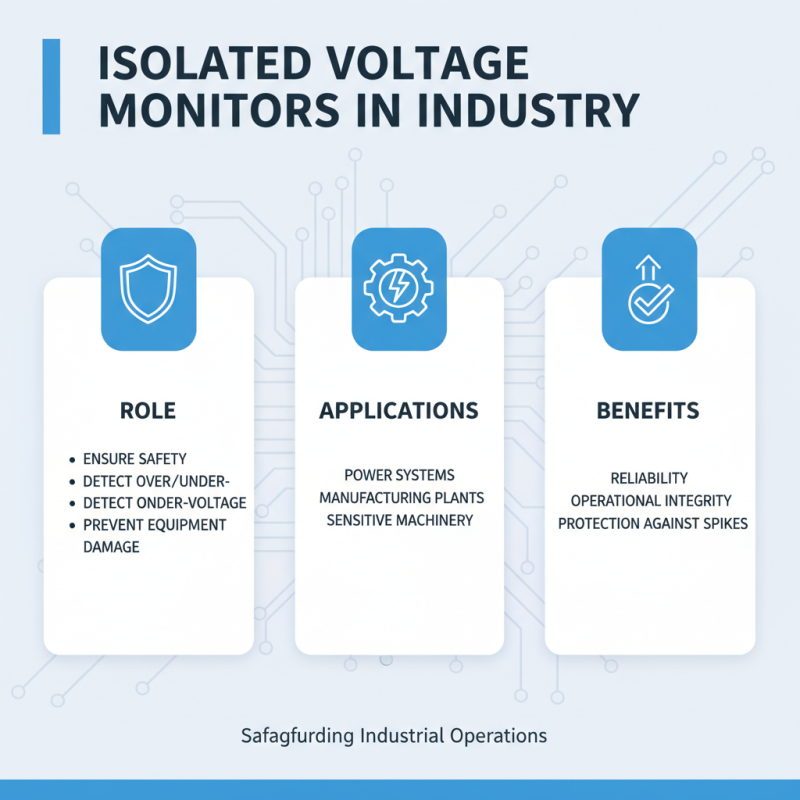
Isolated voltage monitors play a crucial role in various industrial applications. These devices ensure safety by detecting over- or under-voltage conditions. They are widely used in power systems, where reliable voltage monitoring can prevent equipment damage. For instance, in manufacturing plants, these monitors help maintain operational integrity. An unexpected voltage spike can damage sensitive machinery. Isolated voltage monitors provide an essential safeguard.
In renewable energy sectors, these monitors become even more vital. Solar panels and wind turbines require precise voltage management. Voltage variations can lead to energy loss and system failures. Using isolated voltage monitors helps improve energy efficiency. They ensure that the voltage remains within safe limits. The data collected can inform maintenance schedules and operational decisions.
While the benefits are clear, the technology is not perfect. There can be challenges in integrating these monitors with older systems. Additionally, false alarms may occur, leading to unnecessary downtime. This can result in prolonged troubleshooting. Despite these issues, the value of reliable voltage monitoring cannot be understated. It is crucial for industries relying on continuous power supply and operational efficiency.
Benefits and Limitations of Using Isolated Voltage Monitors
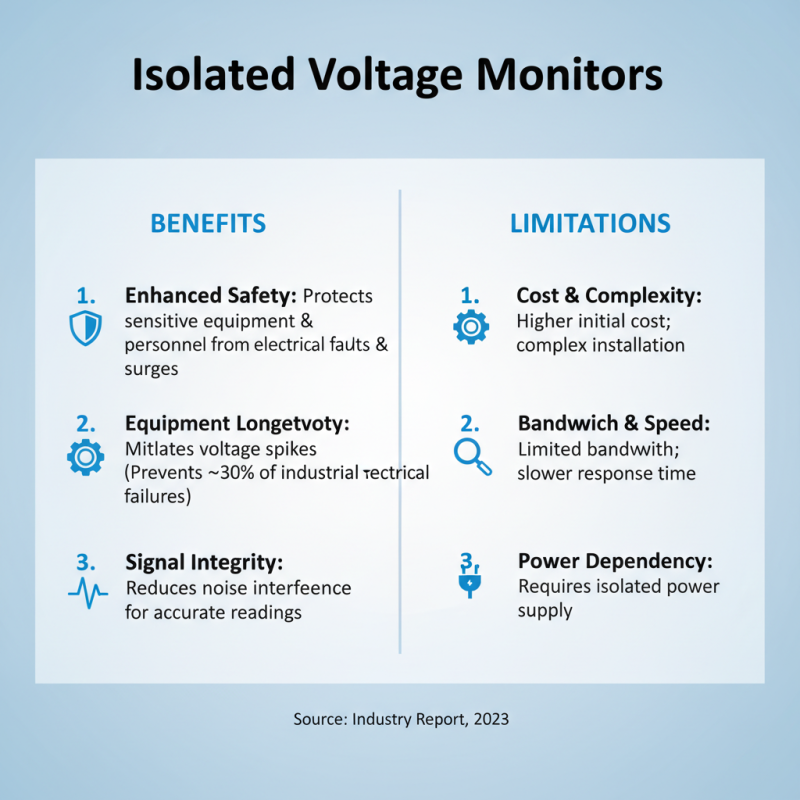
Isolated voltage monitors are crucial in many electrical applications. They offer significant advantages, but there are also limitations to consider. One of the main benefits is safety. By isolating the monitored circuit, these devices protect sensitive equipment from electrical faults. According to a recent industry report, up to 30% of electrical failures in industrial settings can be attributed to voltage spikes. Isolated voltage monitors help mitigate these risks effectively.
However, there are limitations. The accuracy of isolated voltage monitors can vary based on the design and implementation. Some models may introduce a slight delay in communication, leading to latency in response times. Additionally, they often require regular calibration to maintain efficiency. The same industry report indicates that devices that are not properly maintained can experience a drop in reliability by as much as 15%. This underscores the necessity of proper maintenance practices.
In choosing to implement isolated voltage monitors, one must weigh the benefits against the drawbacks. Decisions should be based on understanding the specific requirements of each application. Regular evaluations and upgrades can help ensure that the advantages outweigh the limitations.

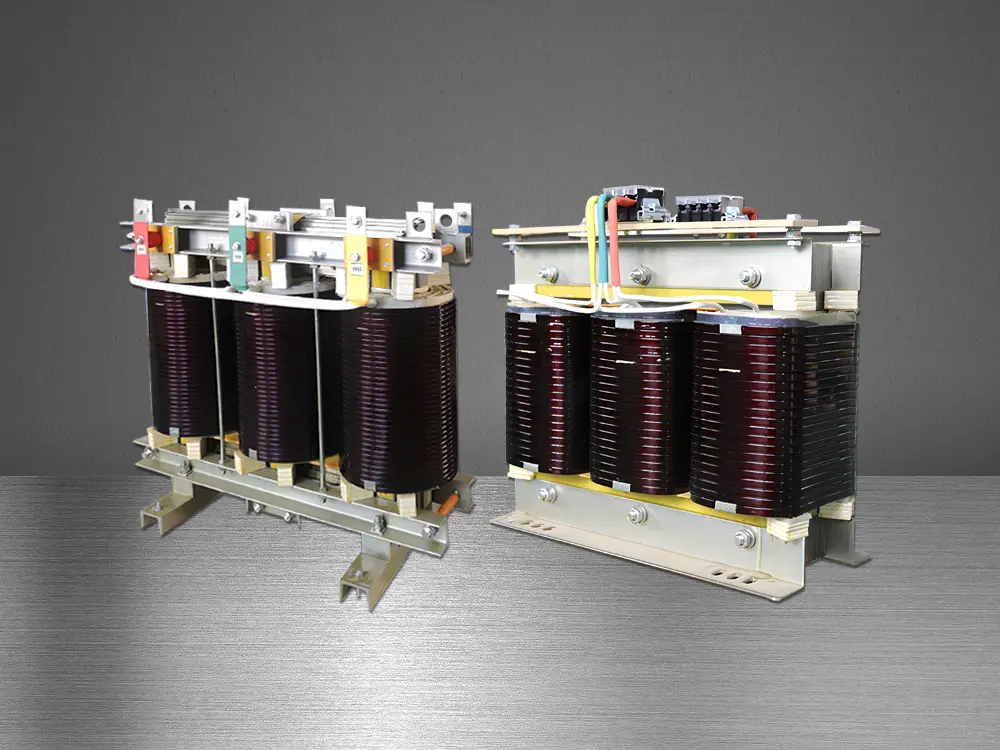 Three-Phase Isolation Transformer
 Control Transformer
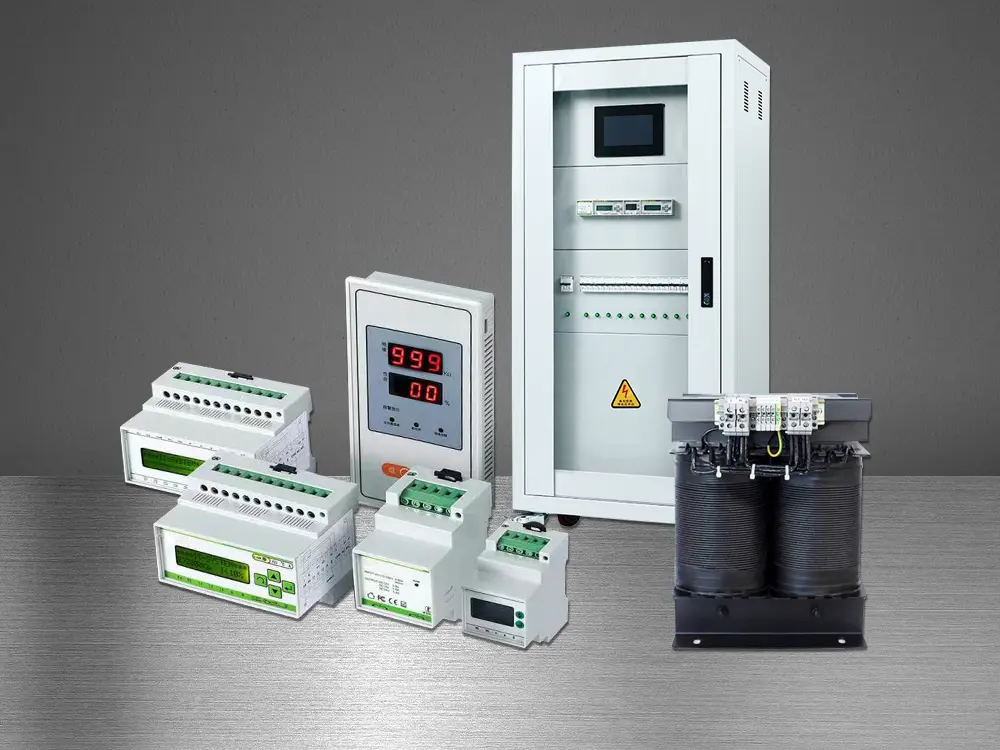 Medical IT Isolated Power System
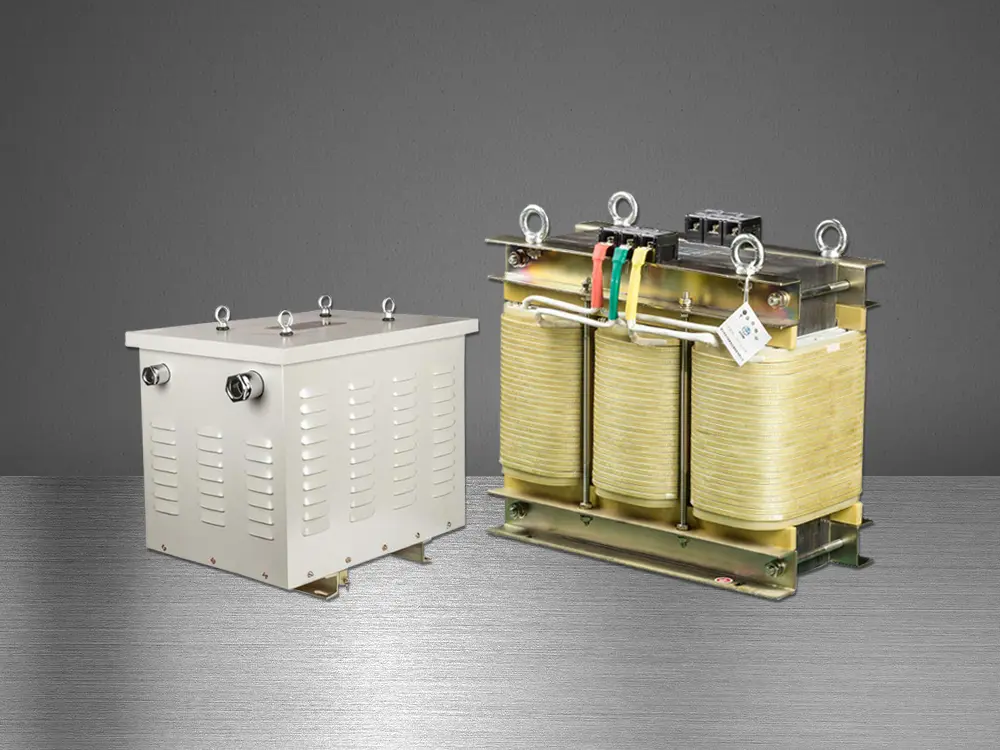 Marine Transformer
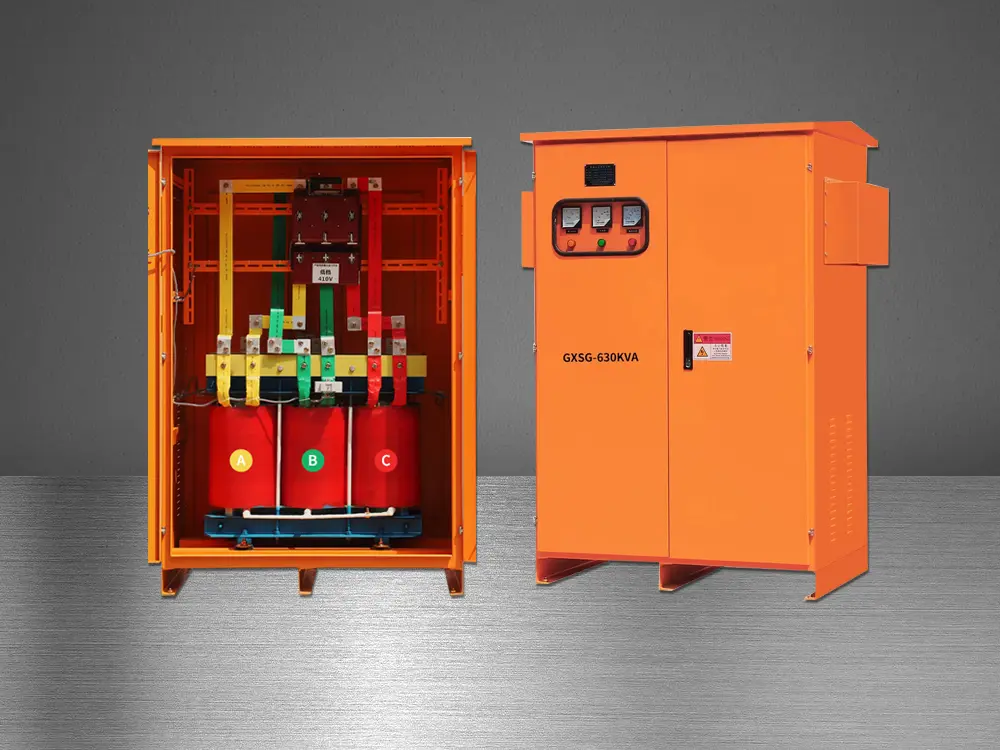 Tunnel Transformer
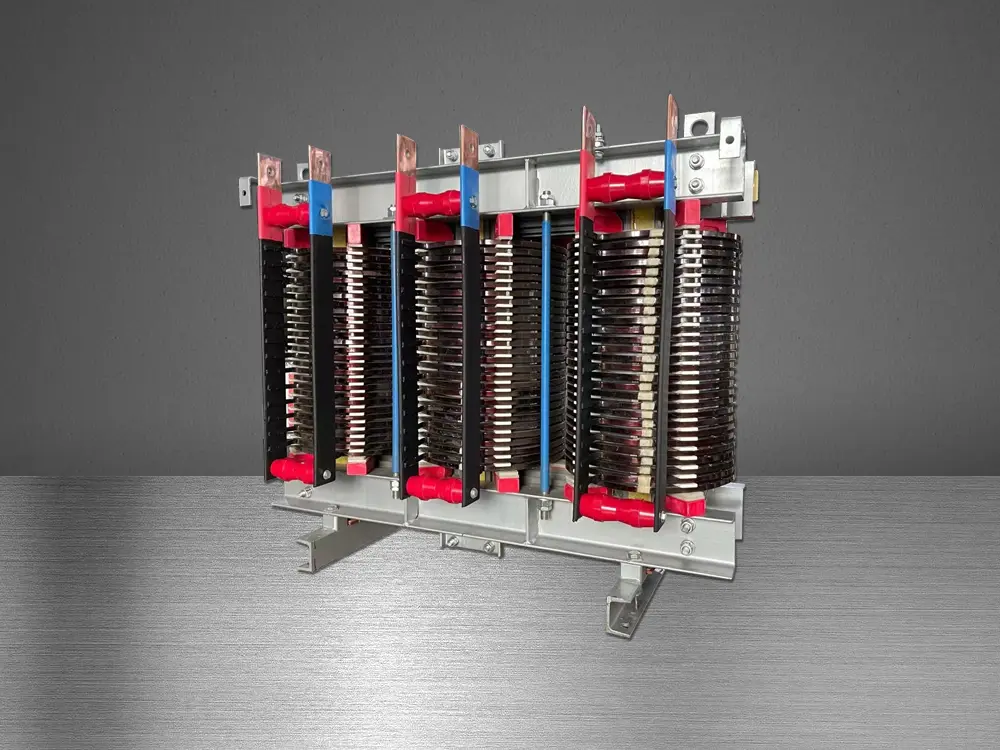 High Current Transformer
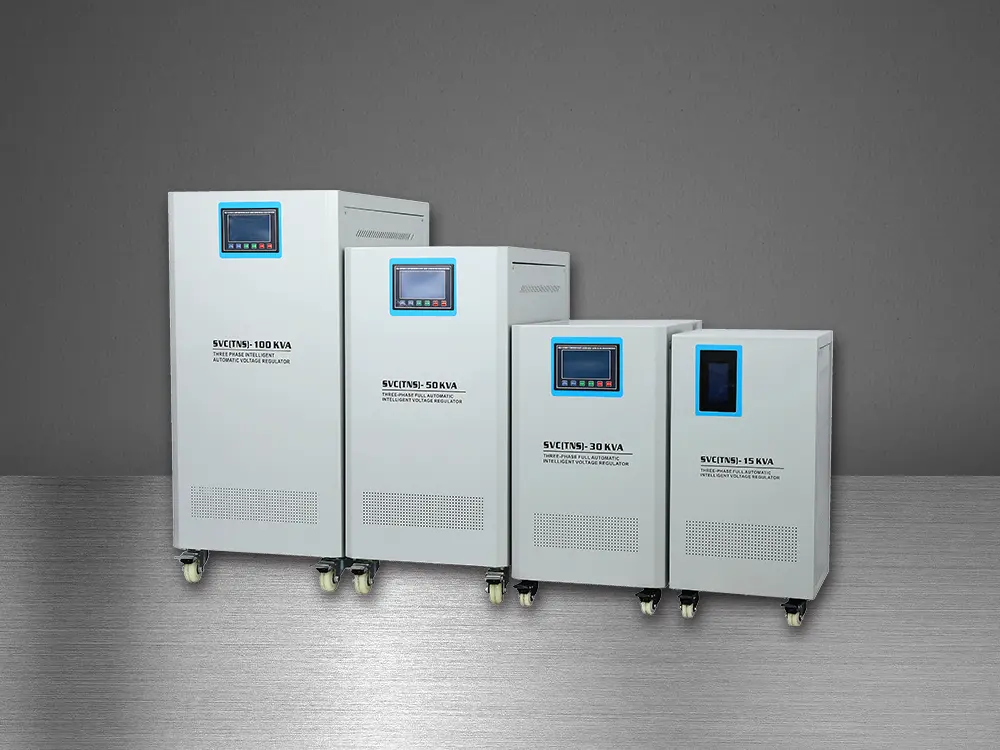 Automatic Voltage Regulator
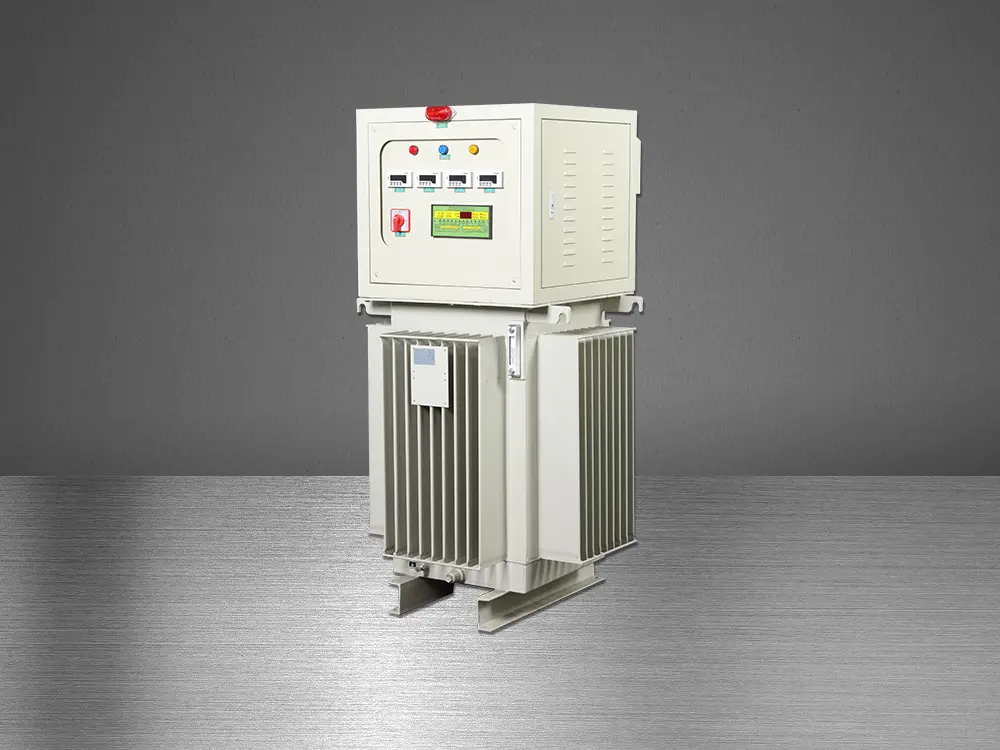 Oil Immersed Voltage Regulator