What is an Industrial Voltage Regulator and How Does It Work?
Industrial Voltage Regulators play a crucial role in maintaining stable electrical supply across various industries. According to a recent report by Research and Markets, the market for industrial voltage regulators is projected to reach $3 billion by 2025. This highlights the increasing demand for reliable voltage control to enhance operational efficiency.
Expertise in this field is invaluable. Dr. Andrew Parker, a leading figure in electrical engineering, emphasizes, "Maintaining voltage stability is essential for optimal performance in industrial applications." This statement underscores the vital importance of Industrial Voltage Regulators in ensuring operational integrity.
However, the industry faces challenges, such as adapting to rapidly changing technology and environmental regulations. As industries evolve, the criteria for voltage regulation also become more stringent. Balancing performance and sustainability is a complex task requiring ongoing reflection and innovation. Understanding these dynamics is key for professionals dedicated to advancing this critical sector.

Definition and Purpose of Industrial Voltage Regulators
Industrial voltage regulators are essential devices that stabilize the voltage levels in electrical systems. They ensure that machinery receives consistent power, preventing potential damage from voltage fluctuations. According to the International Electrotechnical Commission (IEC), voltage variations can lead to equipment malfunction, reduced efficiency, and increased operational costs. Thus, voltage regulators play a crucial role in maintaining the reliability of industrial operations.
The primary purpose of industrial voltage regulators is to protect sensitive equipment. They automatically adjust the output voltage to keep it within a specified range, typically ±5% of the nominal value. This stabilization helps avoid damage from overvoltage conditions, which can reduce the lifespan of machines significantly. In fact, studies have shown that regulating voltage effectively can extend equipment life by up to 30%.
Tips: Regular maintenance of voltage regulators is crucial to ensure their optimal functioning. A scheduled inspection can identify issues early and prevent costly downtime. Additionally, consider implementing backup systems to mitigate risks of power loss. Adopting these practices can enhance operational resilience while we navigate the increasingly complex demands of industrial environments.
Types of Industrial Voltage Regulators and Their Applications
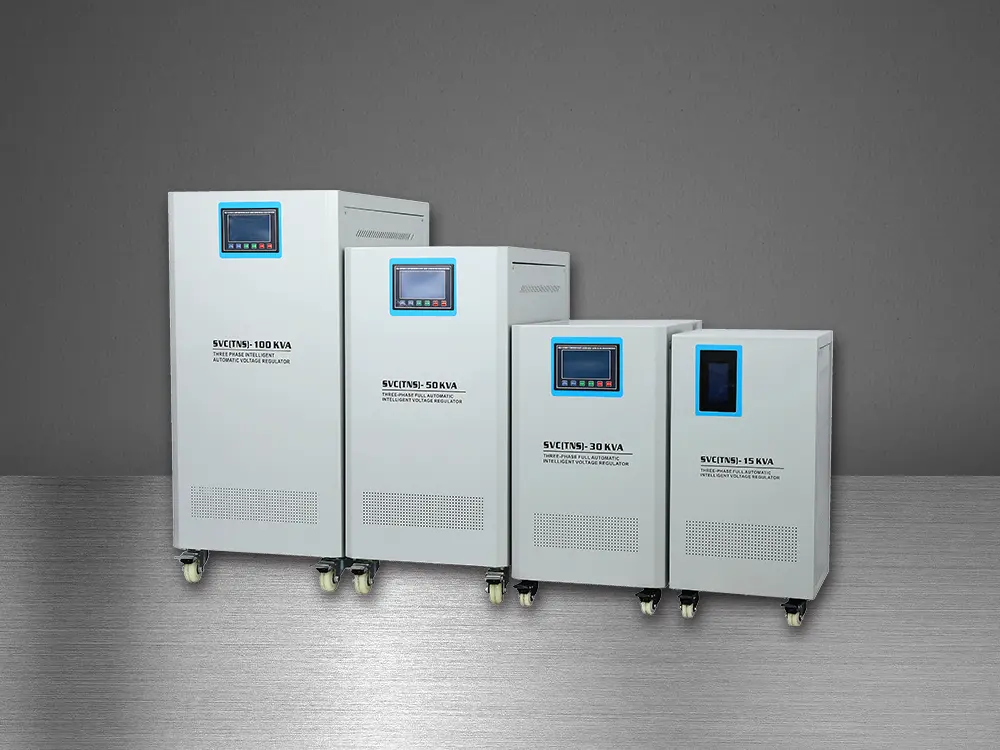
Industrial voltage regulators are essential components in maintaining the stability of electrical systems. They come in various types, each suited for specific applications. The main types include automatic voltage regulators (AVRs), rotary voltage regulators, and static voltage regulators. AVRs boast fast response times and are widely used in manufacturing facilities that require consistent voltage levels.
In recent reports, the demand for industrial voltage regulators has grown significantly, with a projected increase of 6.5% annually through 2027. This growth is driven by the expanding industrial sector. The need for uninterrupted power supply in data centers and manufacturing plants highlights their importance. Rotary regulators offer reliable performance, particularly in heavy machinery and large motor operations, where load variations are common.
Static voltage regulators, on the other hand, are increasingly used in sensitive electronic applications. They provide precise voltage control and have a quick response to fluctuations. Nonetheless, the installation of these regulators can be complex. Issues may arise from improper configurations, leading to system inefficiencies. It's crucial to ensure the right type of regulator is selected based on specific power requirements and operational conditions.
What is an Industrial Voltage Regulator and How Does It Work? - Types of Industrial Voltage Regulators and Their Applications
| Type of Voltage Regulator |
Working Principle |
Common Applications |
| Linear Voltage Regulator |
Uses a resistive voltage divider and a feedback mechanism to maintain a steady output voltage. |
Power supplies for small electronic devices, communication equipment. |
| Switching Voltage Regulator |
Converts input voltage to a desired output voltage using a high-frequency switch and an inductor. |
Computer power supplies, electric vehicle charging, battery management systems. |
| Servo Voltage Regulator |
Controls the output voltage based on feedback from the load using a servomechanism. |
Industrial machinery, automation systems. |
| Automatic Voltage Regulator (AVR) |
Monitors the output voltage and adjusts it automatically to maintain a constant level despite load changes. |
Generators, uninterruptible power supplies (UPS). |
| Digital Voltage Regulator |
Employs digital control techniques for precise voltage regulation, often using microcontrollers. |
Advanced computing systems, high-performance digital signal processing. |
How Industrial Voltage Regulators Function: Key Components Explained
Industrial voltage regulators play a critical role in maintaining stable voltage levels in various applications. These devices mitigate voltage fluctuations caused by heavy machinery and variable loads, ensuring that sensitive equipment operates correctly. A well-functioning voltage regulator can prevent damage to devices and enhance operational efficiency.
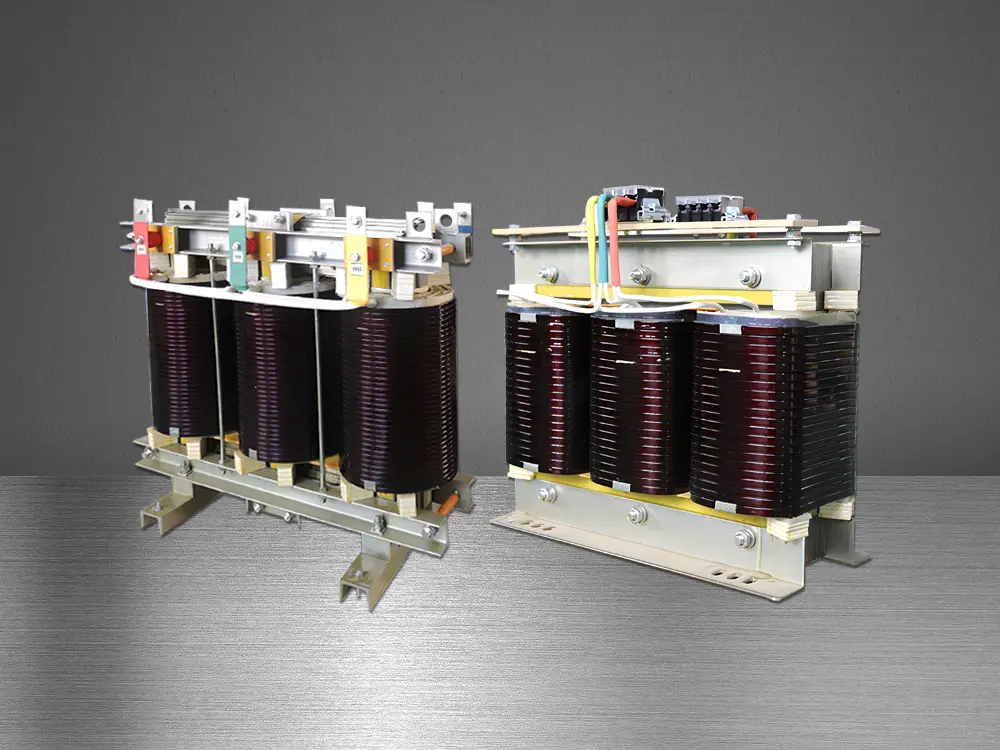
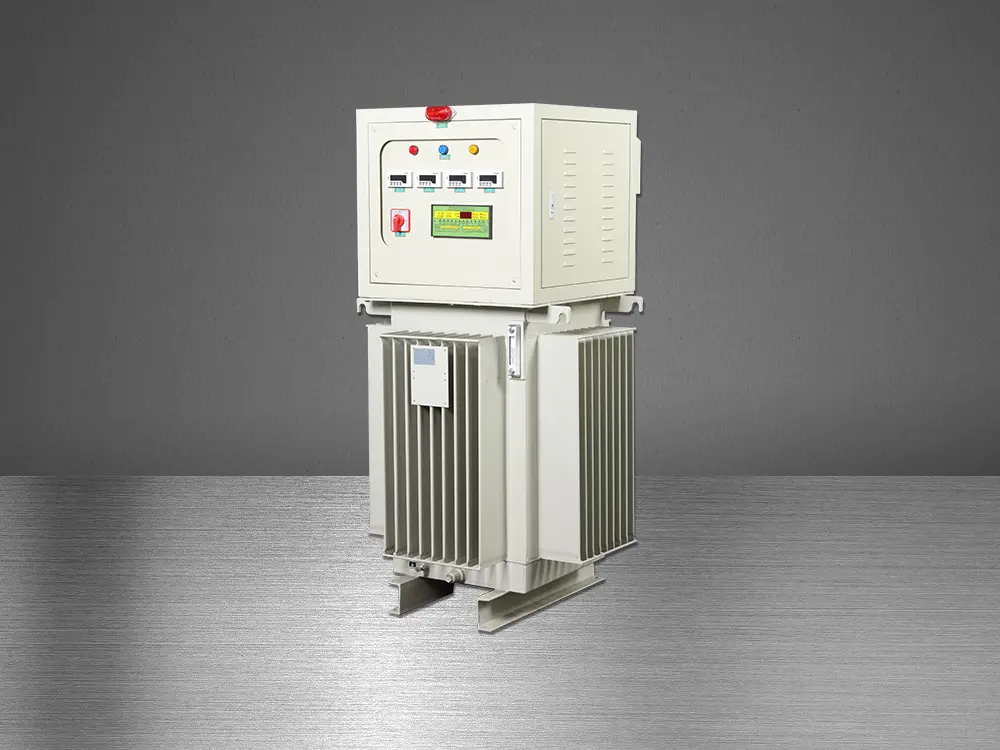
Key components of industrial voltage regulators include transformers, control circuits, and feedback mechanisms. Transformers adjust the input voltage to a standard level. Control circuits make real-time decisions based on voltage readings. They're responsible for signaling when corrections need to be made. Feedback loops help maintain stability by continuously monitoring output levels. If voltage drops or rises beyond set parameters, these components react swiftly to rectify the situation.
Understanding these elements is essential for effective application. Not all systems need the same level of regulation. Oversizing a regulator could lead to inefficiencies and increased costs. Engineers must consider the specific requirements of their equipment. A mismatch can lead to performance issues and unexpected downtime. Therefore, selecting an appropriate regulator requires both knowledge and careful assessment.
Industrial Voltage Regulator Performance Overview
This chart illustrates the performance metrics of an industrial voltage regulator, including input and output voltage levels, voltage stability percentage, and load regulation percentage. The data represents typical values to highlight how voltage regulators ensure consistent performance in industrial settings.
Factors Influencing the Performance of Voltage Regulators
Voltage regulators play a crucial role in maintaining stable electrical systems. Several factors significantly influence their performance. These include the load characteristics, input voltage variations, and temperature. Each element can affect how well a regulator performs under different conditions.
Load characteristics are particularly important. If loads fluctuate too often, regulators can struggle to keep output voltage steady. This instability may lead to inefficiencies in machinery and devices. Input voltage variations can create challenges as well. A regulator might not compensate adequately if the input voltage swings widely.
Temperature also impacts the performance of voltage regulators. High temperatures can cause components to degrade, affecting efficiency. It's vital to monitor the operating environment carefully.
Tips: Maintain a consistent load to enhance voltage stability. Ensure that the ambient temperature remains within recommended limits for optimal performance. Regularly check connections and components for wear and tear. Keeping these factors in mind can lead to more reliable operations.
Maintenance and Troubleshooting of Industrial Voltage Regulators
Industrial voltage regulators play a crucial role in maintaining stable voltage levels in various applications. However, maintenance and troubleshooting are essential for their reliable operation. Regular inspections can identify issues before they become major problems.
One common issue is overheating. This can result from dust accumulation or poor ventilation. Ensure cooling fans are functioning and that vents are clear. Inspecting the wiring and connections for corrosion can also prevent power fluctuations.
Another area of concern is voltage drift. This can lead to equipment malfunction. Periodic testing with a multimeter can help detect anomalies. Users should document voltage readings over time. This practice aids in identifying trends that indicate potential failures. Addressing these problems promptly can save time and money.

 Three-Phase Isolation Transformer
 Control Transformer
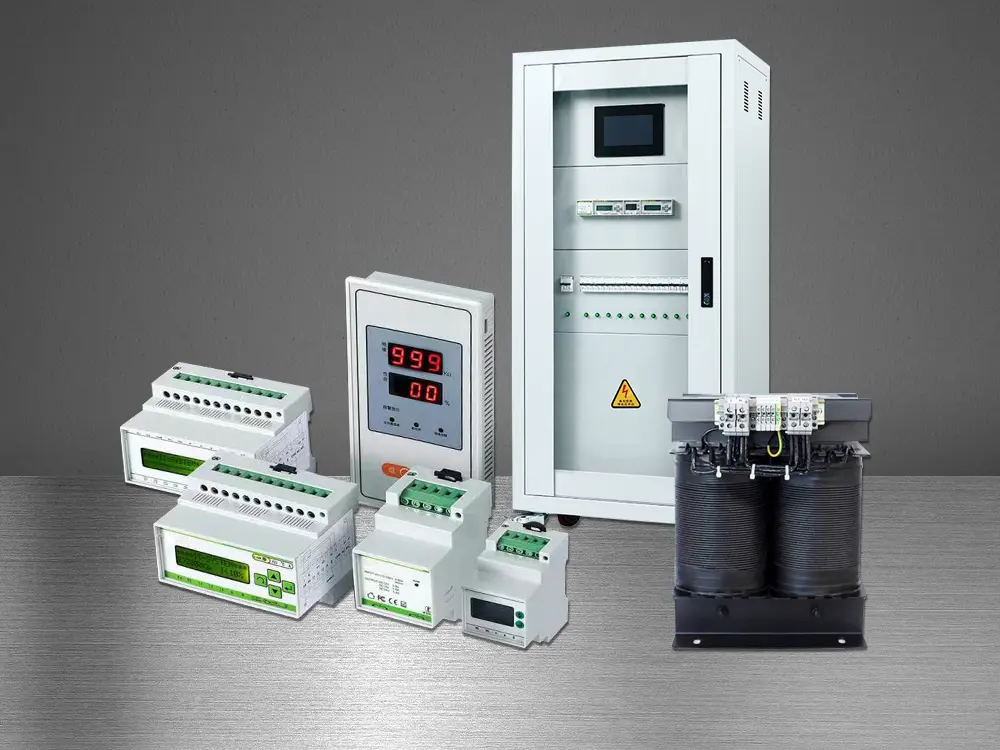 Medical IT Isolated Power System
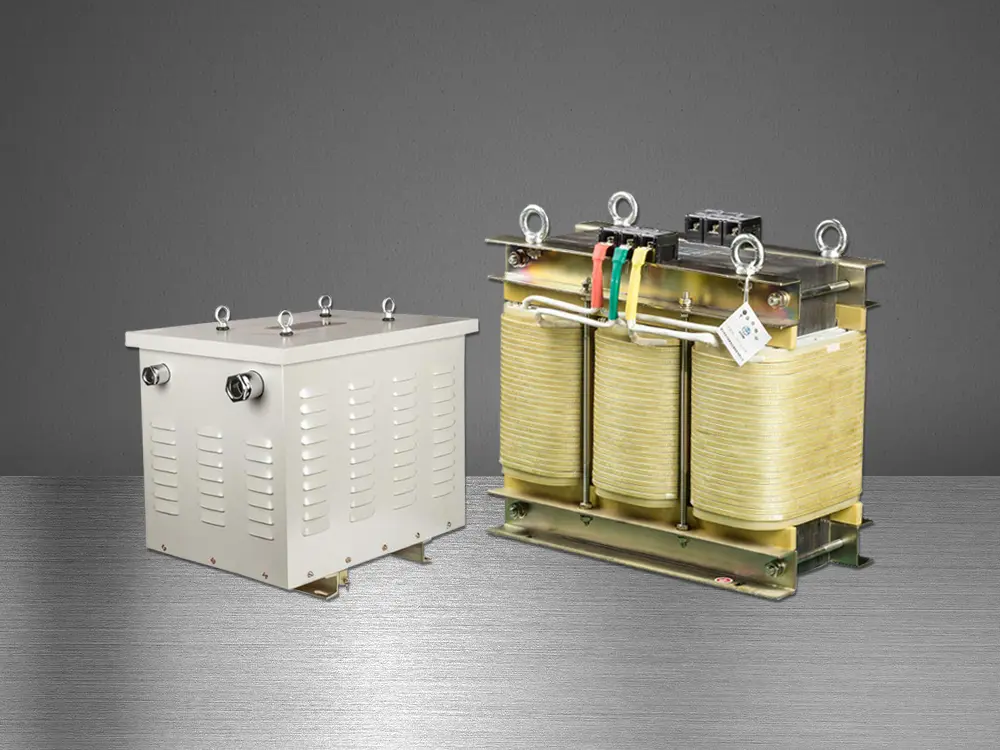 Marine Transformer
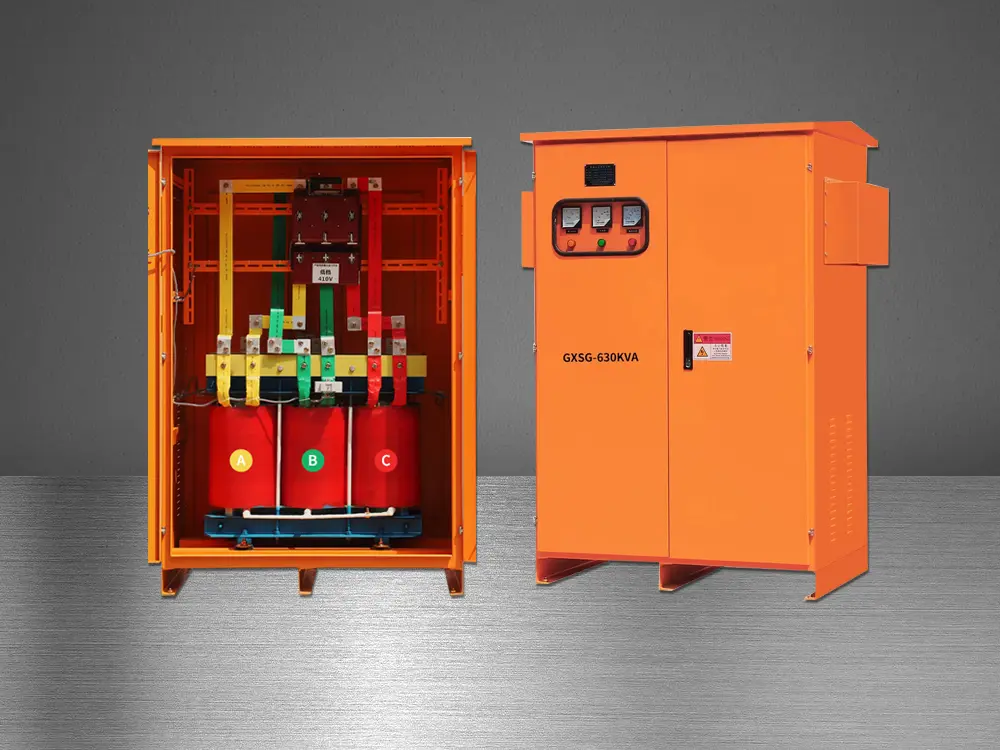 Tunnel Transformer
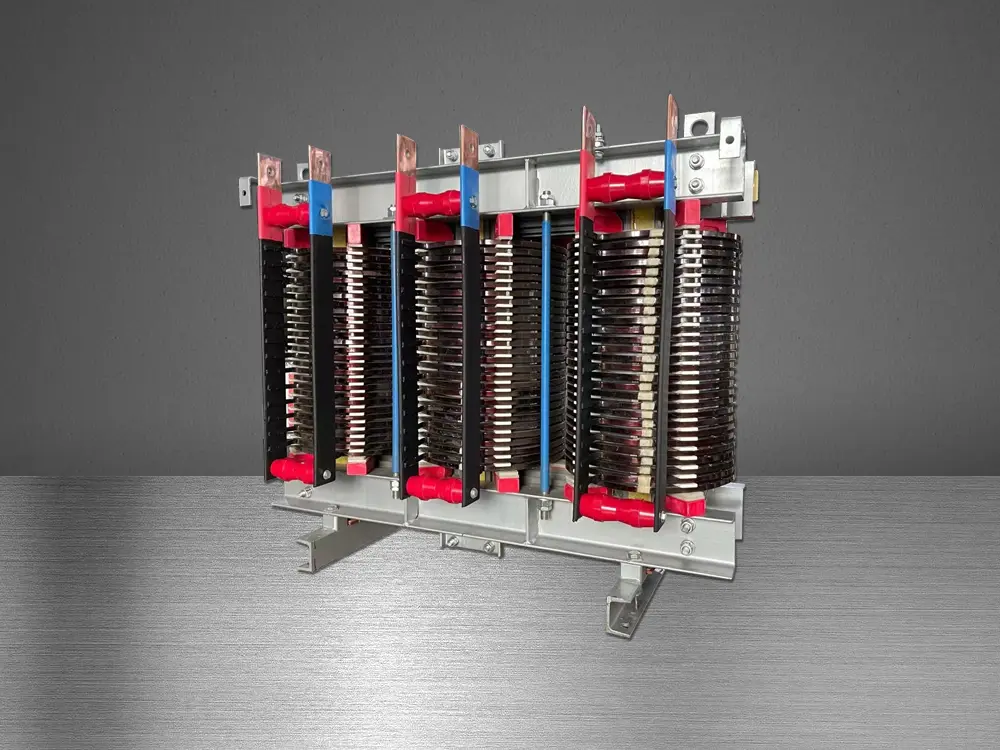 High Current Transformer
 Automatic Voltage Regulator
 Oil Immersed Voltage Regulator