Why Do We Need High Voltage Current Transformers in Power Systems?
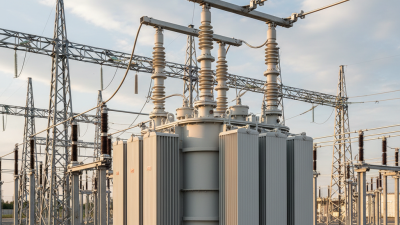
High Voltage Current Transformers (HVCTs) play a critical role in modern power systems. These devices ensure precise measurement and monitoring of electrical currents in high voltage applications. According to a recent report by the International Energy Agency, the demand for efficient energy transport is rising. It is projected that the global market for HVCTs will grow by 20% over the next five years.
Experts emphasize the significance of HVCTs. Dr. Lisa Wang, a leading authority in power system technologies, states, "High Voltage Current Transformers are essential for reliable grid management and safety." Without them, we risk inaccurate readings and potential failures. For instance, in a fault detection scenario, HVCTs provide essential data for quick response, minimizing downtime.
However, the integration of HVCTs is not without challenges. Issues such as calibration, maintenance, and cost-effectiveness often arise. These factors can complicate the implementation process. Understanding their importance prompts reflection on how we can advance the technology. Continuous improvement and investment in HVCTs are vital for a sustainable energy future.
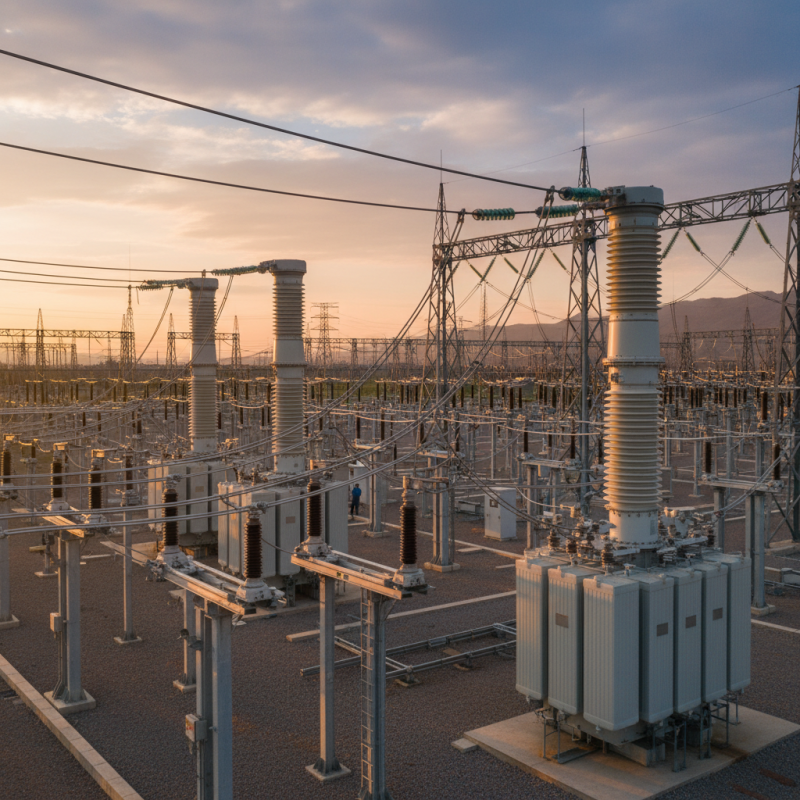
Understanding the Basics of High Voltage Current Transformers
High voltage current transformers (HVCTs) play a crucial role in power systems. They measure high currents in transmission lines safely. By transforming high current levels into manageable outputs, HVCTs ensure accurate monitoring and protection. This aids in maintaining system integrity.
Tips: Always check the calibration of your HVCTs regularly. A small error can lead to big issues.
Understanding their basics is essential for engineers. HVCTs operate on the principle of electromagnetic induction. They often use a core material for magnetic stability. This enhances efficiency and accuracy, making them integral to modern power systems. Without proper functioning, the entire grid could be at risk.
Tips: Consider environmental factors when installing HVCTs. Temperature and humidity can affect their performance. Awareness can prevent unexpected failures.
It's vital to recognize the limitations of HVCTs. They may not capture transient spikes accurately. This could lead to misinterpretations of data. Regular testing and maintenance can help mitigate potential drawbacks in your power system’s performance.
Why Do We Need High Voltage Current Transformers in Power Systems? - Understanding the Basics of High Voltage Current Transformers
| Parameter |
Description |
Importance |
| Rated Current |
The maximum current the transformer can handle without exceeding its temperature limits. |
Ensures accurate measurement and protection of power systems. |
| Voltage Rating |
The maximum voltage that the transformer can safely operate under. |
Prevents insulation breakdown and ensures reliability. |
| Accuracy Class |
Indicates the measurement precision of the transformer. |
Essential for billing and operational efficiency in power systems. |
| Burden |
The load connected to the secondary side of the transformer. |
Affects the transformer's performance and accuracy. |
| Cooling Method |
Method used to dissipate heat generated within the transformer. |
Influences the transformer's longevity and reliability. |
| Frequency |
Operating frequency of the power system, typically 50 Hz or 60 Hz. |
Affects the transformer design and performance characteristics. |
The Role of High Voltage Current Transformers in Power Systems
High voltage current transformers (HVCTs) play a crucial role in power systems. They are essential for measuring electrical currents in high voltage transmission lines. HVCTs ensure accurate monitoring and control, which is vital for system stability. By transforming high currents into lower, manageable levels, they facilitate measurement without risking damage to equipment.
When it comes to deployment, it's important to consider installation challenges. Space constraints may hinder their placement. Proper calibration is necessary for accurate readings. Any oversight can lead to issues in system efficiency. Avoiding these pitfalls requires careful planning and execution.
Tips: Regular maintenance checks can prevent failures. Inspect connections and insulation for wear. Training operators on handling HVCTs effectively can enhance safety. Understanding the limits of these devices is key. Exceeding specifications may lead to inaccurate data. Always stay informed about developments in technology.
Key Benefits of Utilizing High Voltage Current Transformers
High voltage current transformers (HVCTs) play a crucial role in power systems. They help in measuring large currents with a high degree of accuracy. This is vital for ensuring that the electrical systems operate efficiently and safely. By transforming high currents into lower, manageable values, HVCTs protect sensitive instruments. This makes them essential in substations and other critical areas.
One of the key benefits of using HVCTs is their ability to enhance safety. They isolate the measuring instruments from high voltage lines. This isolation reduces the risk of electrical shock. Furthermore, HVCTs can contribute to energy efficiency. They allow for real-time monitoring of power consumption. Operators can respond quickly to any anomalies that arise.
Despite their advantages, challenges exist. Proper calibration is necessary to maintain their accuracy. Misalignment can lead to measurement errors. Additionally, degradation over time may impact their performance. Regular checks and maintenance are required. Continuous improvement and innovation in design can help address these issues. Embracing these aspects will strengthen the overall reliability of power systems.
Challenges and Considerations in High Voltage Current Transformer Usage
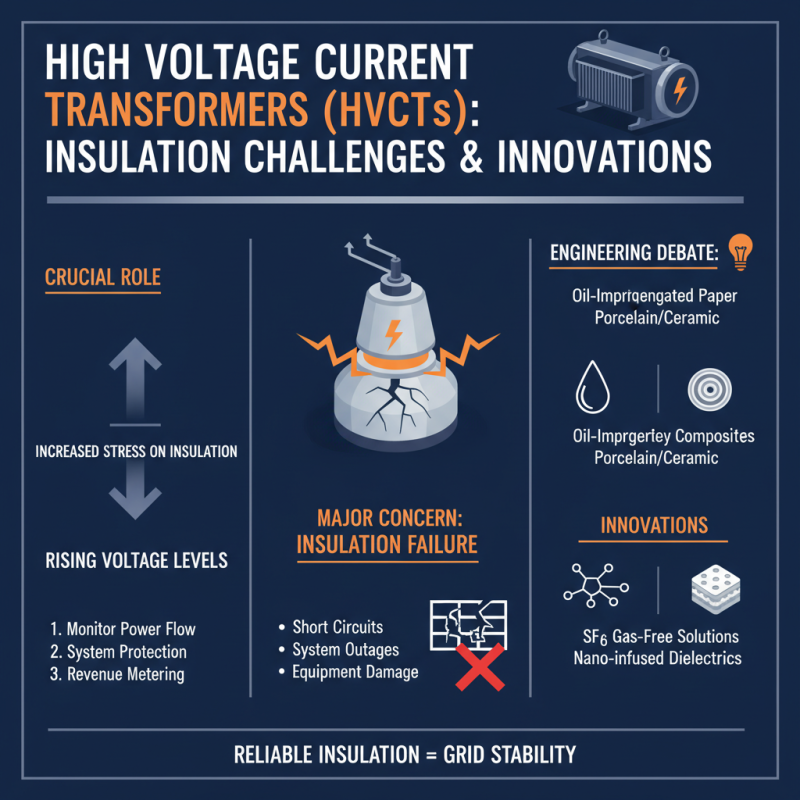
High voltage current transformers (HVCTs) play a crucial role in power systems. However, their usage comes with unique challenges. One major concern is insulation. As voltage levels rise, so does the demand for reliable insulation materials. Failure in insulation can lead to short circuits and system outages. Engineers often debate the best materials, as innovations are constantly emerging.
Another consideration is accuracy. High voltage environments can affect measurement precision. Calibration becomes vital to ensure that transformers provide accurate readings. Any error in measurement could lead to significant operational issues. Calibration must be regularly reviewed, as it is easy to overlook in routine maintenance schedules.
Moreover, the physical size of HVCTs presents logistical challenges. These devices can be bulky, making installation in compact areas difficult. This often requires careful planning. Accessibility for maintenance is also a concern; if HVCTs are hard to reach, it may complicate repair efforts. These issues prompt reflection on designs and deployment strategies in power systems.
Future Trends in High Voltage Current Transformer Technology
High voltage current transformers (HVCTs) are essential in power systems. They measure current in high-voltage lines and help monitor system stability. As technology evolves, HVCTs are undergoing significant advancements. The demand for more efficient and reliable energy distribution drives this change.
A report from the International Energy Agency predicts a 30% increase in renewable energy over the next decade. This change necessitates more accurate current measurement. Smart grids will leverage advanced HVCT technology to improve energy management. New designs focus on reducing size and weight, making installation easier. Advanced materials are enhancing the performance of these transformers, increasing their lifespan.
However, hurdles remain. Many HVCTs still face issues with electromagnetic interference. This problem can distort measurements and affect system reliability. There's a clear need for ongoing research to minimize these effects. Future HVCTs should prioritize compatibility with digital monitoring systems. The ideal HVCT will combine precision measurement with robust data integration capabilities. This is vital as power systems become more complex.
Electricity Demand vs. High Voltage Current Transformer Technology
This chart illustrates the increasing electricity demand and the corresponding installation of high voltage current transformers over the years from 2018 to 2023. The trend signifies the growing reliance on advanced transformer technology to manage higher electricity loads efficiently.

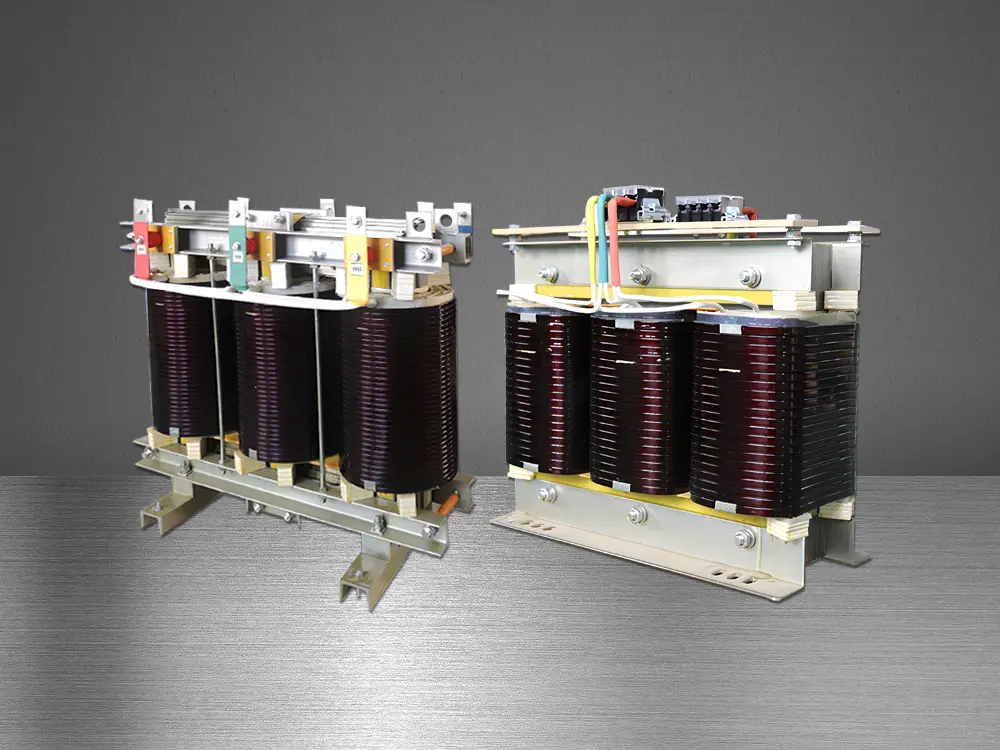 Three-Phase Isolation Transformer
 Control Transformer
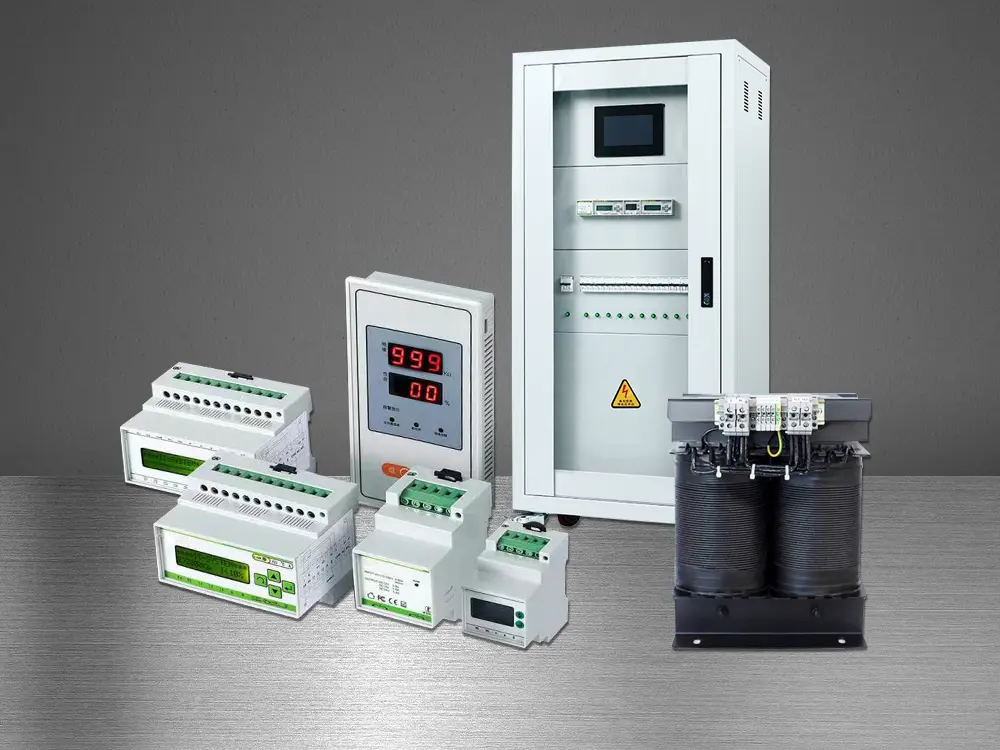 Medical IT Isolated Power System
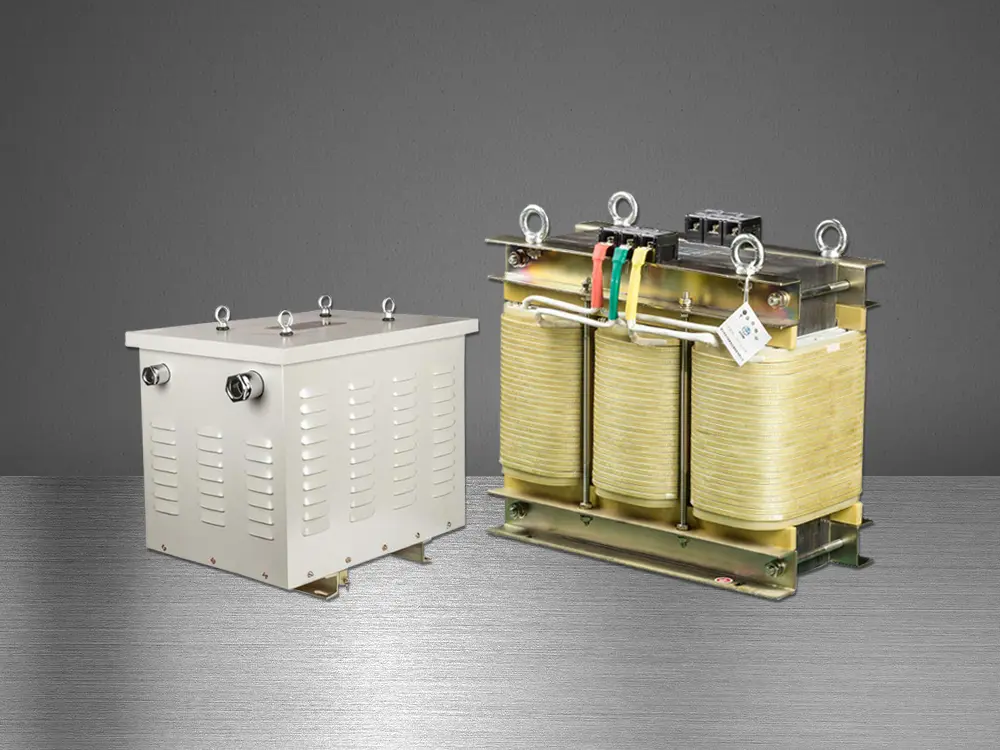 Marine Transformer
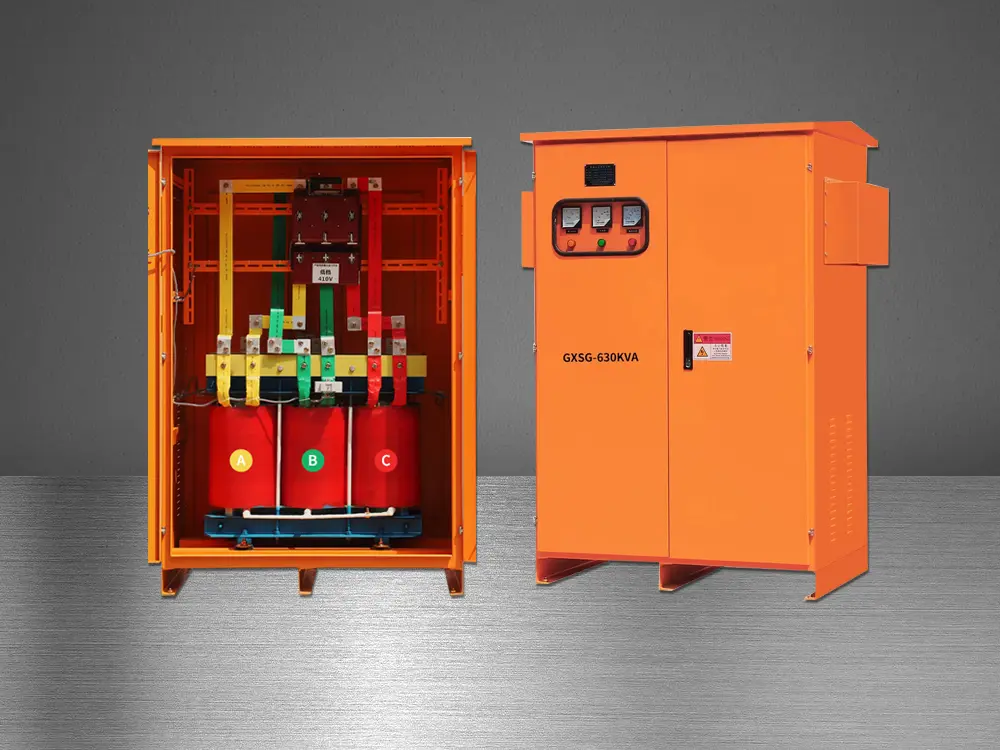 Tunnel Transformer
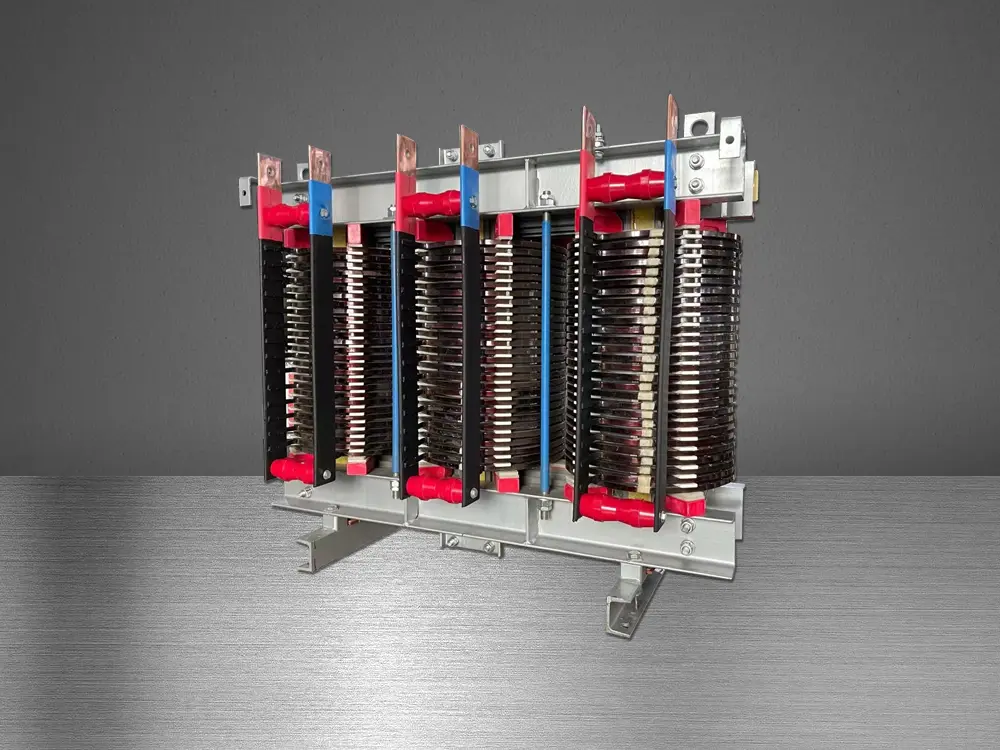 High Current Transformer
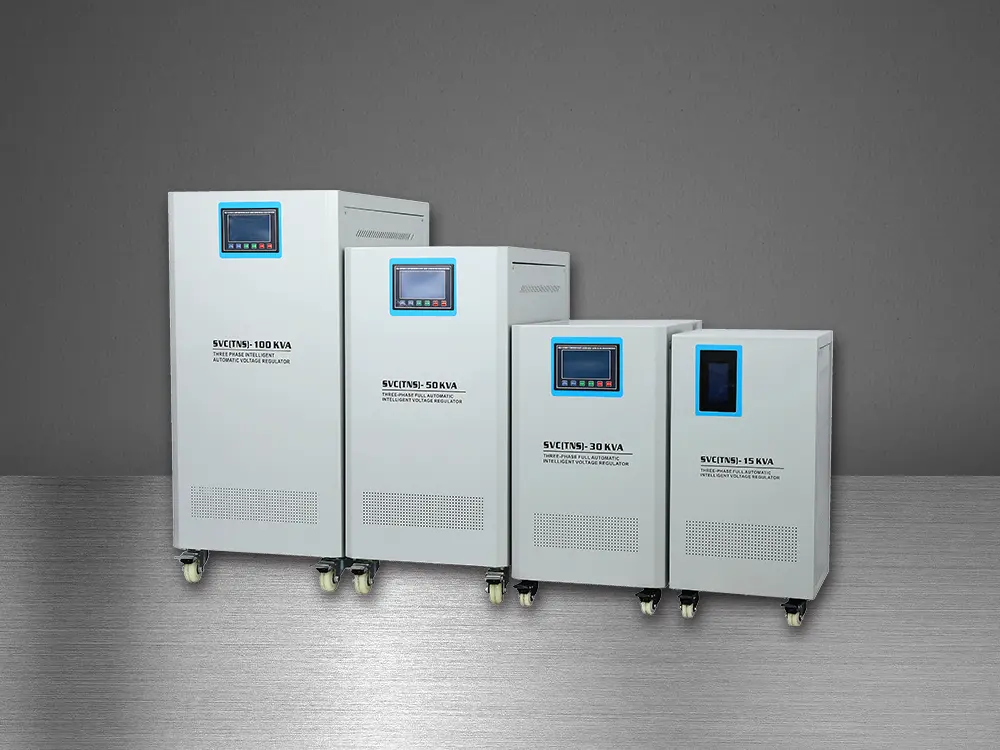 Automatic Voltage Regulator
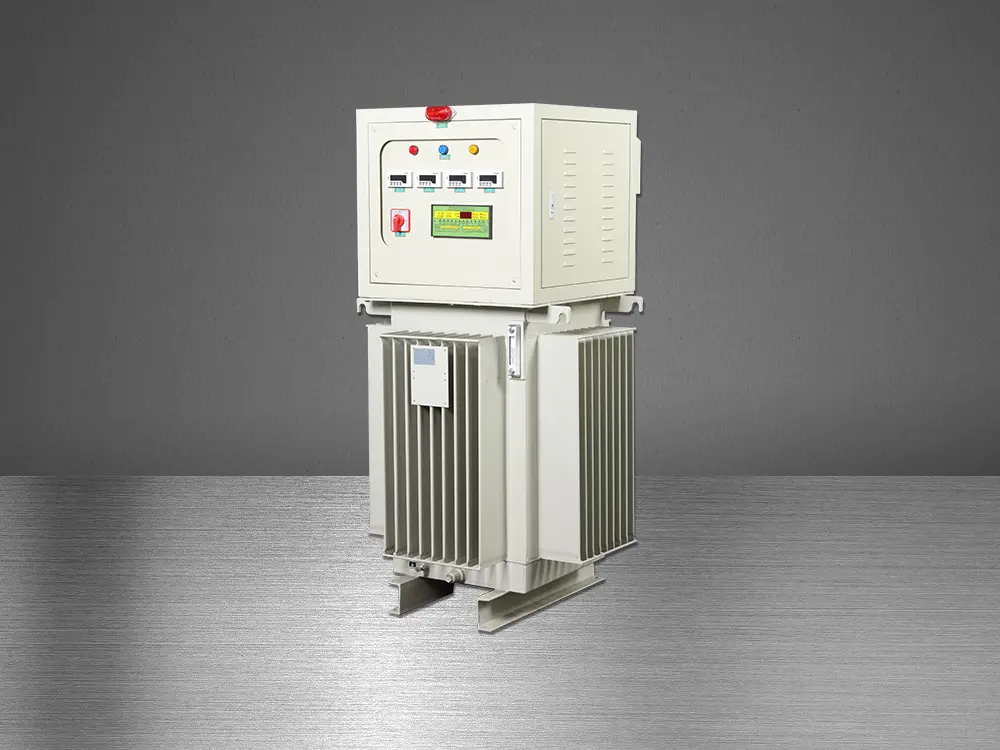 Oil Immersed Voltage Regulator