10 Essential Tips for Choosing a Universal Automatic Voltage Stabilizer?
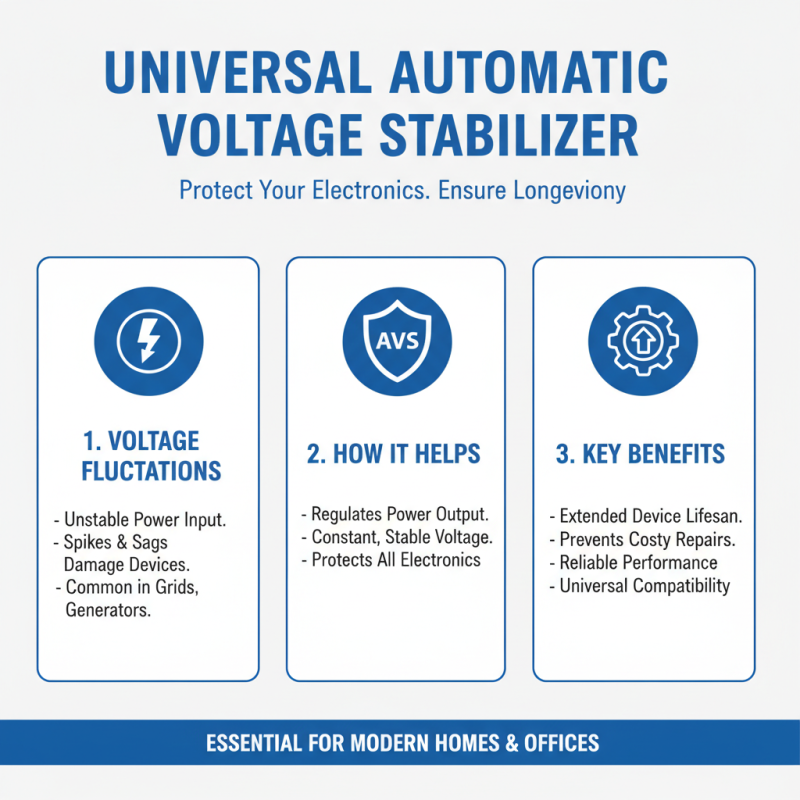
When selecting a Universal Automatic Voltage Stabilizer, understanding its importance is crucial. Dr. James Peterson, an expert in power electronics, emphasizes, “The right stabilizer makes a difference in equipment longevity.” This highlights how a Universal Automatic Voltage Stabilizer protects sensitive devices from voltage fluctuations, ensuring consistent performance.
Many people overlook key factors when choosing one. It's not just about brand or price. Consider the load capacity and response time. A stabilizer that fails to react quickly can cause irreparable damage. Evaluate your requirements carefully; this decision can impact your equipment significantly.
Additionally, some buyers are swayed by flashy features that offer little practical benefit. Simplicity can be more effective. Investigate warranties and customer support, as these reflect reliability. A poorly chosen Universal Automatic Voltage Stabilizer can lead to expensive repairs or replacements. Thus, making an informed choice is essential.

Understanding the Importance of a Universal Automatic Voltage Stabilizer
Understanding the Importance of a Universal Automatic Voltage Stabilizer
A universal automatic voltage stabilizer is essential for protecting electronic devices. Inconsistent voltage levels can cause significant damage. According to industry reports, nearly 30% of electrical equipment failures stem from voltage fluctuations. These stabilizers regulate voltage, ensuring the safe operation of your appliances.
When choosing a stabilizer, consider the total load. It’s important to calculate the wattage of all devices connected. Too often, users underestimate their power needs. This can lead to overload, causing the stabilizer to fail.
Reliability is critical. Read reviews and manufacturer specifications. Many stabilizers come with features like surge protection. These features can enhance safety, but not all stabilizers offer them. Look for units with an automatic cut-off feature. It’s a valuable addition that prevents damage during extreme fluctuations.
In terms of efficiency, consider energy ratings. A higher rating often means lower energy costs over time. Check if the stabilizer meets international standards. This can be an indicator of quality. Remember, not all stabilizers are designed for heavy usage. Some may struggle under high loads, leading to potential risks.
Key Features to Consider When Choosing a Voltage Stabilizer
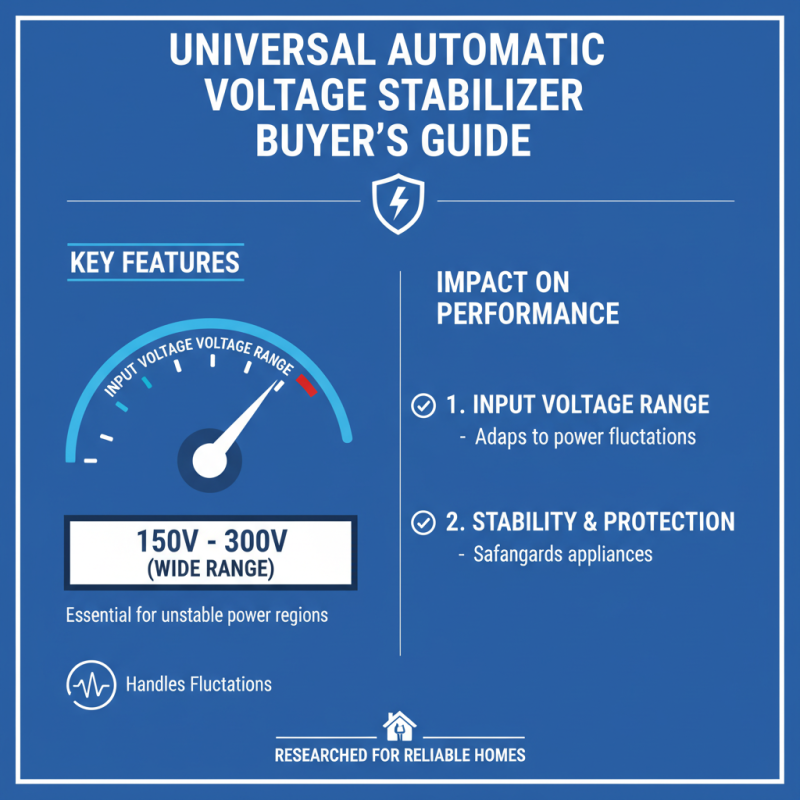
When choosing a universal automatic voltage stabilizer, consider key features that impact performance. The first aspect is input voltage range. A stabilizer should handle the fluctuations in your area. Research shows that homes in regions with unstable power supply require devices with a broad input voltage range of at least 150V to 300V.
Think about output voltage stability as well. Effective models maintain output within a narrow margin, ideally around ±1%. This precision protects sensitive electronics. Many users overlook this feature, risking damage to valuable appliances.
Tip: Look for models with multiple output options. Some stabilizers offer both single-phase and three-phase outputs. This versatility makes them suitable for various applications.
Another important factor is response time. A quick response, ideally under 10 milliseconds, ensures consistent voltage output. Stability is critical during power surges or dropouts. Installing a stabilizer with slower response can lead to operational issues down the line. Remember, not all devices perform the same. User reviews frequently highlight poor performance under high demand.
Examine features like surge protection and overload capacity. These add layers of security for your equipment. Ignoring these could compromise your investments in appliances and machinery. Prioritize these key features to make a sound choice.
Assessing the Power Rating for Your Voltage Stabilizer Needs
When selecting a universal automatic voltage stabilizer, assessing the power rating is a crucial step. The power rating, measured in kilovolt-amperes (kVA), determines how much load the stabilizer can handle. According to industry reports, selecting a stabilizer with a rating too low can lead to equipment damage. A general rule is to choose a stabilizer that exceeds your total appliance load by at least 20%. This ensures stability during peak usage times.
One essential tip is to calculate your devices' collective wattage. For example, if you have essential appliances that total 3000 watts, a stabilizer with a rating of at least 3.6 kVA would be ideal. This calculation includes overhead for efficiency and operational surges. Sometimes, users overlook this calculation, resulting in poor voltage regulation.
Moreover, consider your future needs. If you plan to add more devices, it’s wise to buy a stabilizer with a higher capacity now. Underestimating needs might lead to frequent replacements. Remember, it’s not just about current usage but also potential growth. Buying a stabilizer can be a significant investment, and you want to avoid being underprepared.
10 Essential Tips for Choosing a Universal Automatic Voltage Stabilizer
| Tip |
Details |
| 1. Determine Your Power Needs |
Calculate the total wattage of all devices to stabilize voltage effectively. |
| 2. Consider the Voltage Range |
Choose a stabilizer that accommodates your local voltage levels. |
| 3. Look for High Efficiency |
Select models with high efficiency ratings to lower energy costs. |
| 4. Check Response Time |
A faster response time ensures better protection for your devices. |
| 5. Assess Build Quality |
Opt for stabilizers made with durable materials for longevity. |
| 6. Evaluate Features |
Additional features like surge protection can enhance safety. |
| 7. Check Warranty Terms |
A good warranty offers peace of mind and coverage for defects. |
| 8. Research Reviews |
Look for user reviews to gauge reliability and performance. |
| 9. Analyze Size and Portability |
Consider the size, especially if you need to move it frequently. |
| 10. Consult Professionals |
Professional advice can help match the best stabilizer to your needs. |
Evaluating Brand Reputation and Customer Reviews
When selecting a universal automatic voltage stabilizer, evaluating brand reputation is crucial. Large brands often have years of experience and established trust. However, it's essential to not solely rely on recognition. Some lesser-known brands can offer reliable products with unique features. Look for feedback from customers who have used these stabilizers in real-world situations.
Customer reviews provide valuable insights. Positive reviews often highlight durability and performance. Users frequently mention their experiences with voltage fluctuations. However, negative reviews are equally important. They can reveal potential issues and design flaws. Some customers may express concerns about customer service or product reliability. It’s necessary to read both sides to get a balanced view.
Spending time on this research can save you from costly mistakes. Make sure to check multiple sources for reviews. Look for detailed comments rather than vague statements. Pictures or videos in reviews can add authenticity. Trust your instincts after gathering this information. Sometimes, an unknown brand with great reviews may serve you better than a famous name with mixed feedback.
Installation and Maintenance Tips for Optimal Performance
Installing a universal automatic voltage stabilizer can seem daunting. Start by choosing a location close to the power source. Ensure the area is dry and well-ventilated. Avoid places where moisture can accumulate. This prevents potential damage and enhances performance. Securely mount the stabilizer to minimize vibrations. If the unit shakes, it can lead to internal damage over time.
Regular maintenance is crucial for optimal performance. Check connections and clean any dust buildup. Dust can cause overheating and reduce efficiency. Schedule inspections every six months. If you notice unusual sounds, investigate immediately. Ignoring these signs could lead to bigger problems down the line. Always consult the manual for specific maintenance guidelines. Remember, a proactive approach leads to better performance and longevity.

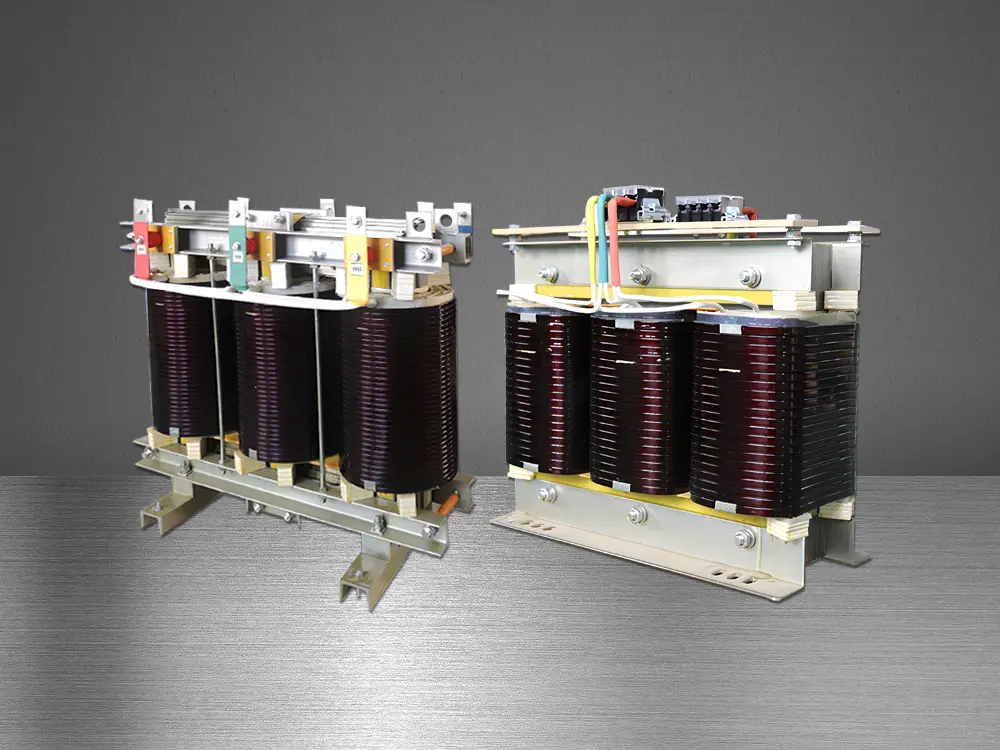 Three-Phase Isolation Transformer
 Control Transformer
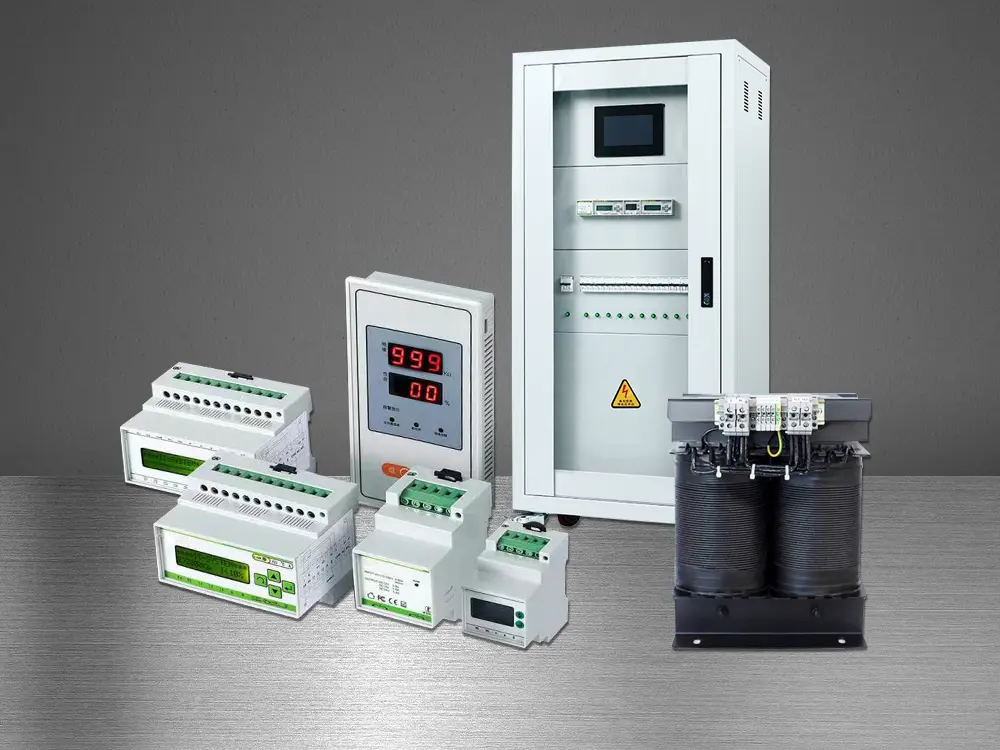 Medical IT Isolated Power System
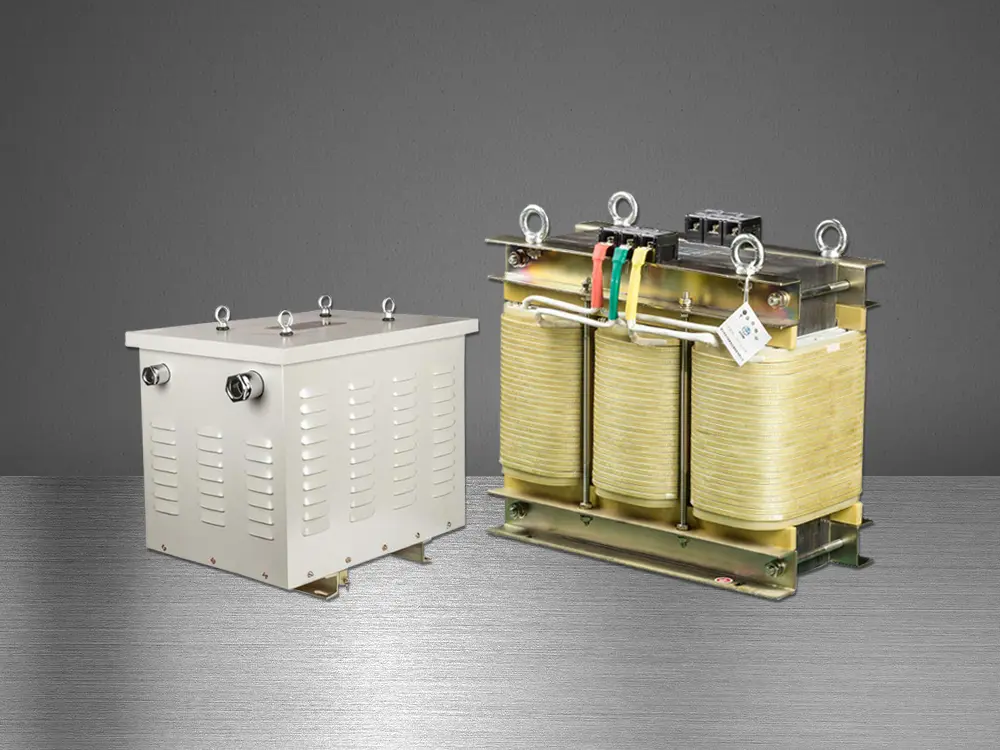 Marine Transformer
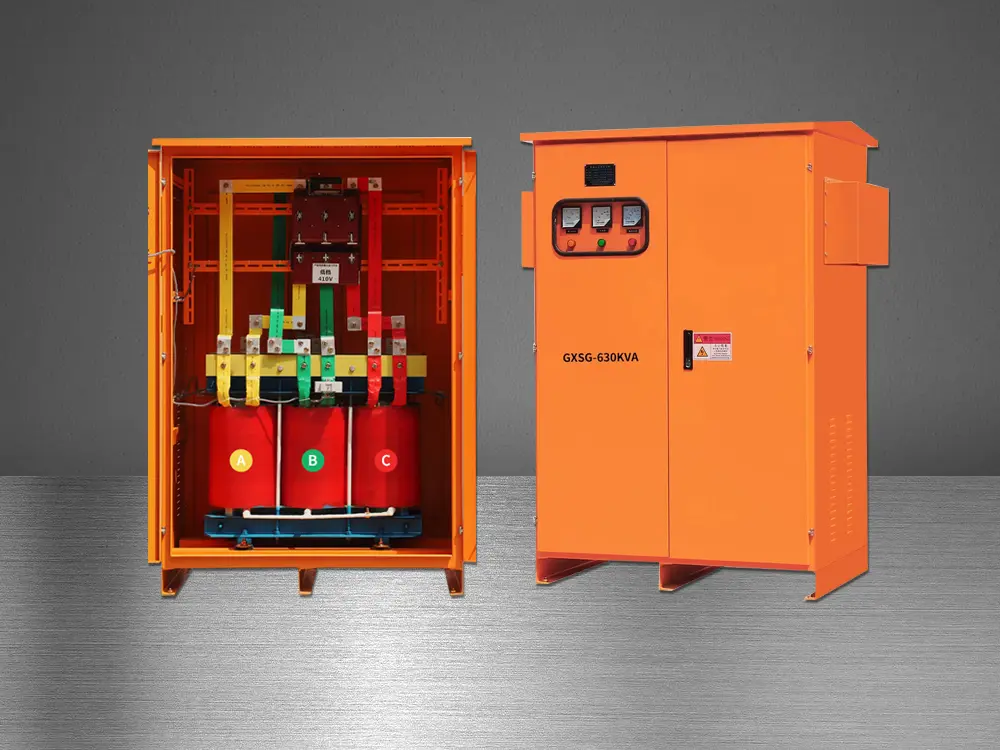 Tunnel Transformer
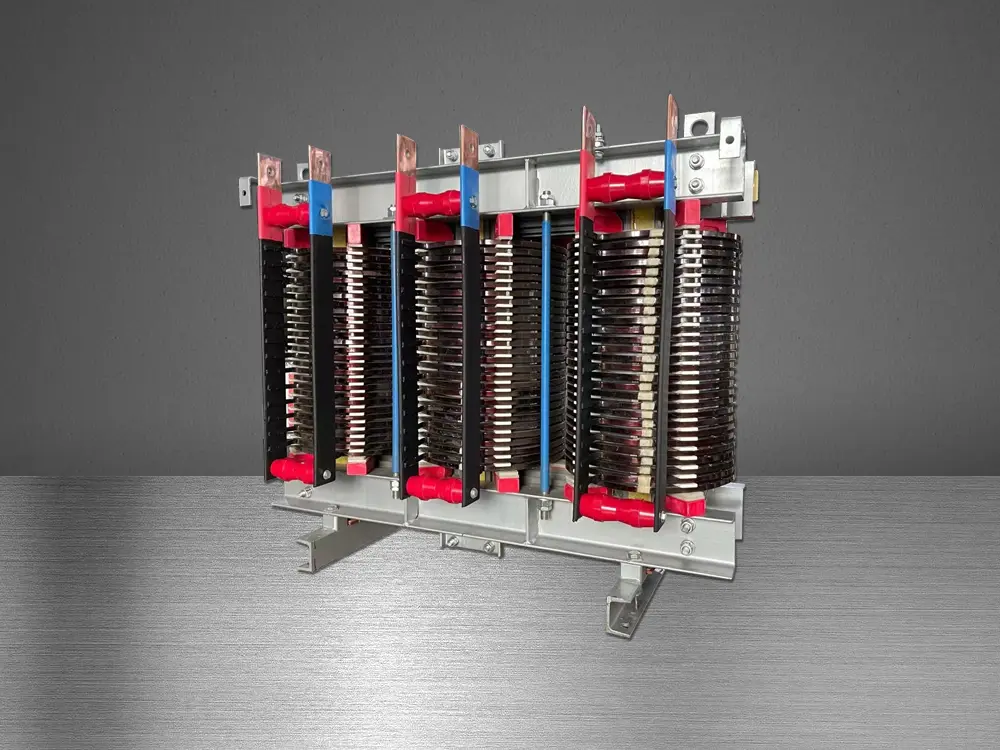 High Current Transformer
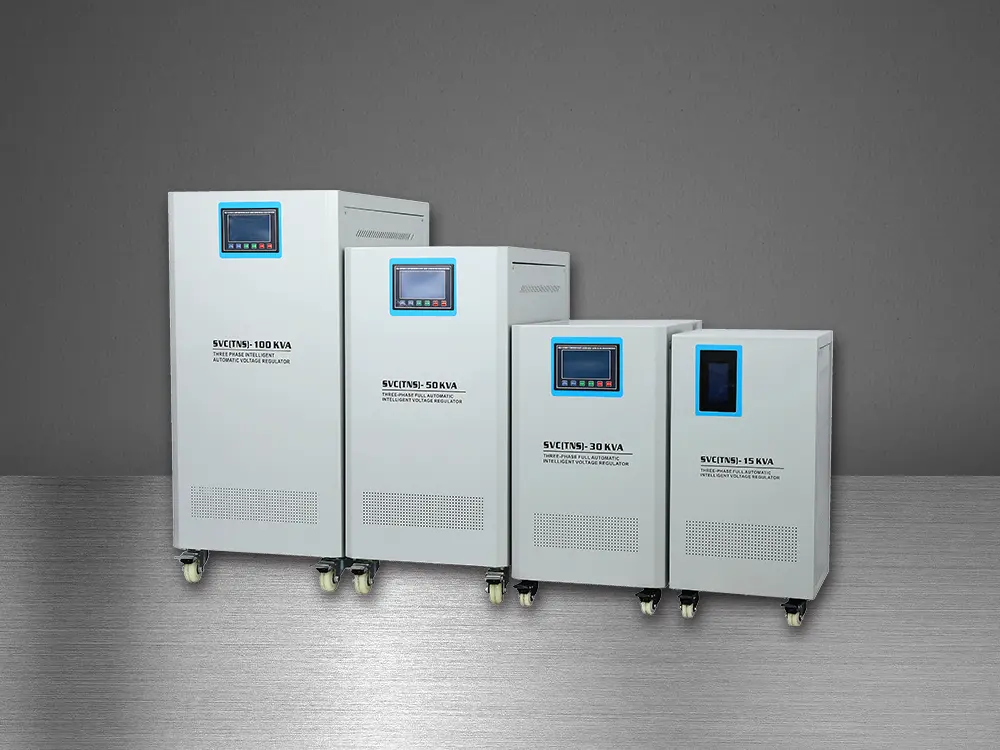 Automatic Voltage Regulator
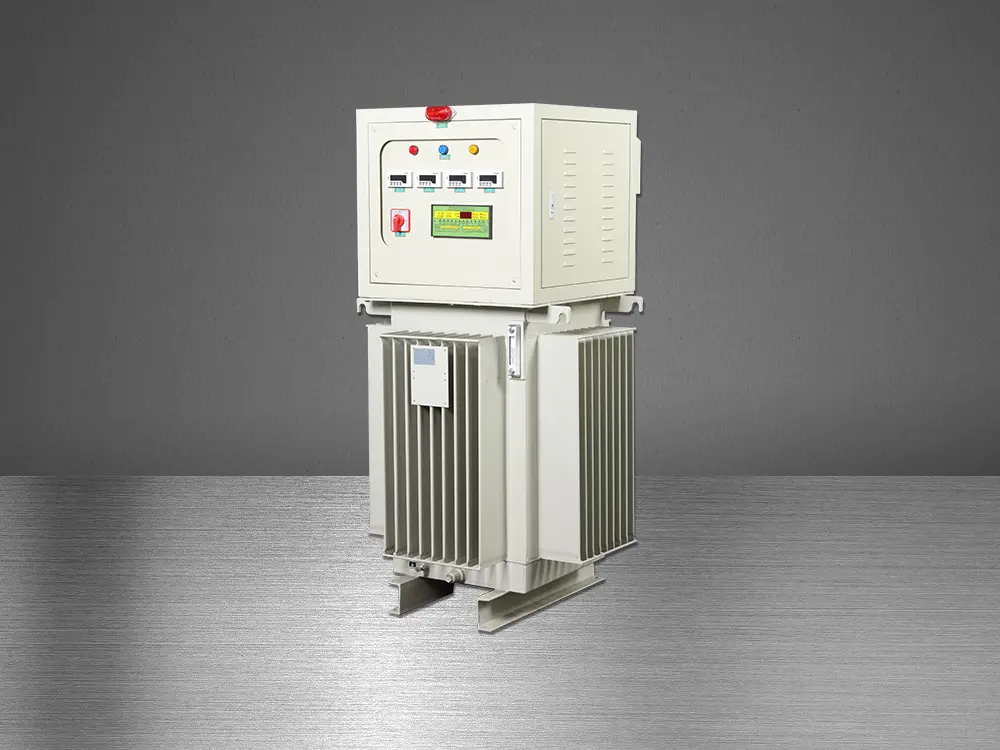 Oil Immersed Voltage Regulator