10 Essential Tips for Choosing the Right High Current Transformer?
Choosing the right High Current Transformer (HCT) is crucial for both efficiency and safety in electrical systems. According to a 2022 industry report by Market Research Future, the global demand for HCTs is expected to see a compound annual growth rate (CAGR) of 6.2% through 2027. This increase underscores the importance of correctly selecting transformers that can handle high currents without compromising performance.
When evaluating options, it is vital to consider voltage ratings, current capacity, and thermal characteristics. A study from the International Electrotechnical Commission highlights that inadequate transformer selection can lead to significant energy losses. These can reach up to 15%, impacting operational costs. Many professionals overlook these factors, leading to potential risks like overheating or equipment damage.
Additionally, the interplay between design and materials plays a significant role in the efficiency of HCTs. Experts suggest that materials with higher thermal conductivity can improve performance. However, not all HCTs are created equal. Some may require recalibration or additional maintenance, which can be burdensome. Reflecting on these intricate details is essential to making a well-informed decision.

Understanding High Current Transformers and Their Applications
High current transformers (HCTs) play a crucial role in electrical systems. They are essential for monitoring and protecting equipment. HCTs convert high currents to manageable levels. This allows for safe measurements and control. Understanding their applications helps in making informed choices.
These transformers are widely used in power generation and distribution. They can be found in substations, industrial sites, and even renewable energy systems. However, selecting the right HCT is not always straightforward. Various factors must be considered. For instance, accuracy, burden rating, and temperature range are vital. Each application may have different requirements.
Installation and maintenance are also challenging. Sometimes, users overlook heat dissipation when installing transformers. This can lead to reduced performance. Additionally, undervalued wiring can cause issues. It is essential to double-check all connections. Ensuring compatibility with existing systems is equally important. It helps prevent future complications.
10 Essential Tips for Choosing the Right High Current Transformer
| Tip Number |
Tip Description |
Considerations |
| 1 |
Understand the Application |
Determine the specific requirements for your project. |
| 2 |
Current Rating |
Select a rating suitable for peak currents. |
| 3 |
Accuracy Class |
Choose based on the required precision for measurements. |
| 4 |
Burden Rating |
Ensure compatibility with the connected load. |
| 5 |
Temperature Range |
Check environmental standards and limits. |
| 6 |
Insulation Type |
Evaluate insulation materials according to your needs. |
| 7 |
Core Material |
Choose between ferrite or iron cores based on efficiency. |
| 8 |
Mounting Style |
Select based on installation space and requirements. |
| 9 |
Certification Standards |
Verify compliance with relevant industry standards. |
| 10 |
Warranty and Support |
Look for products with a solid warranty and technical support. |
Key Factors to Consider When Selecting a High Current Transformer
Selecting a high current transformer requires careful consideration. Start with the current rating. Ensure the transformer can handle the expected load without overheating. Assess the voltage levels as well. High voltage can lead to insulation breakdown if not accounted for.
Look into accuracy. Calibration is crucial for reliable measurements. A transformer with poor accuracy can lead to significant errors in readings. Consider the environmental conditions, too. Outdoor installations may need additional protection against the elements.
Also, think about size and weight. A bulky transformer can be difficult to install and maintain. Check the available space. Often, we overlook simple installation issues. Lastly, don't forget about after-sales support. Quality guidance can save time and prevent costly mistakes.
Evaluating Transformer Specifications: Voltage, Current, and Power Ratings
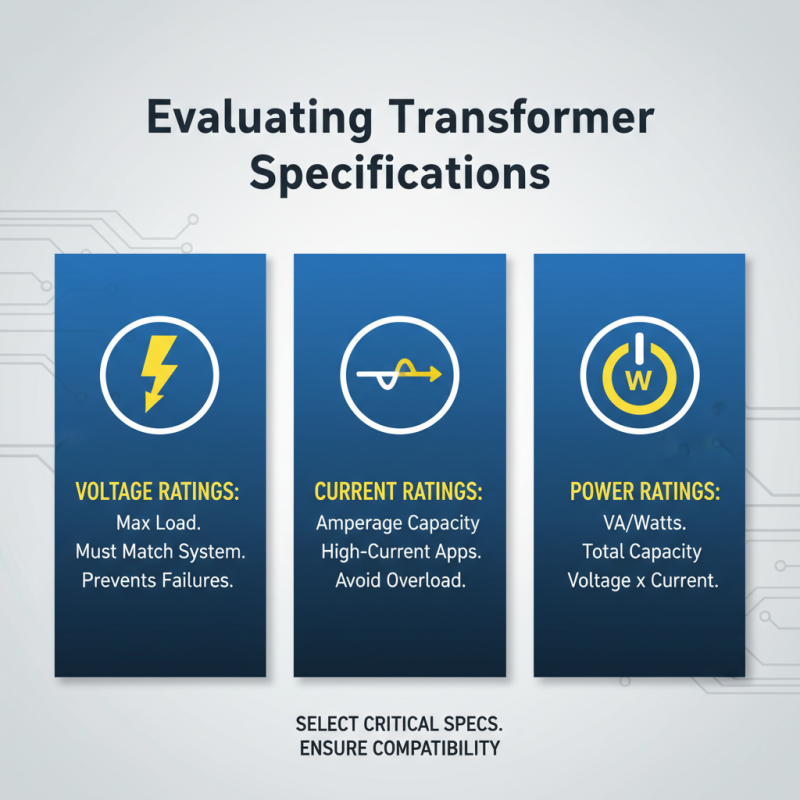
When selecting a high current transformer, evaluating specifications is crucial. Voltage ratings indicate the maximum load the transformer can handle. Ensure that the transformer fits your system’s voltage requirements. Miscalculating here can result in failures.
Current ratings follow closely behind. They determine how much current the transformer can safely carry. Look for the rated capacity, measured in amperes. Underestimating this can lead to overheating, or worse, damage.
Power ratings are equally significant. They provide insight into the transformer's overall performance. This is often expressed in volt-amperes. Ensure you don’t overlook these figures. They might not seem important, but they affect system efficiency. A mismatch can hinder functionality. Be careful. Be diligent.
Assessing Environmental Conditions and Installation Requirements
When selecting a high current transformer, environmental conditions play a crucial role. Factors such as temperature, humidity, and pollution level can significantly impact transformer performance and longevity. For example, a report from the International Electrotechnical Commission (IEC) notes that moisture can considerably reduce insulation resistance, potentially leading to failures.
Installation requirements also must be considered. It is vital to assess available space for installation. Many facilities underestimate the clearance needed for maintenance access. The National Electrical Manufacturers Association (NEMA) highlights that transformers should have ample room for diagnostics and repairs. Without sufficient space, unplanned downtime may occur, affecting productivity.
Additionally, environmental regulations should guide your decision. Local codes may dictate certain operational thresholds that your transformer must meet. Ignoring these regulations might lead to compliance issues. Ultimately, balancing these environmental and installation factors helps ensure the selected transformer meets performance needs while adhering to safety standards.
Current Transformer Selection: Key Environmental Factors

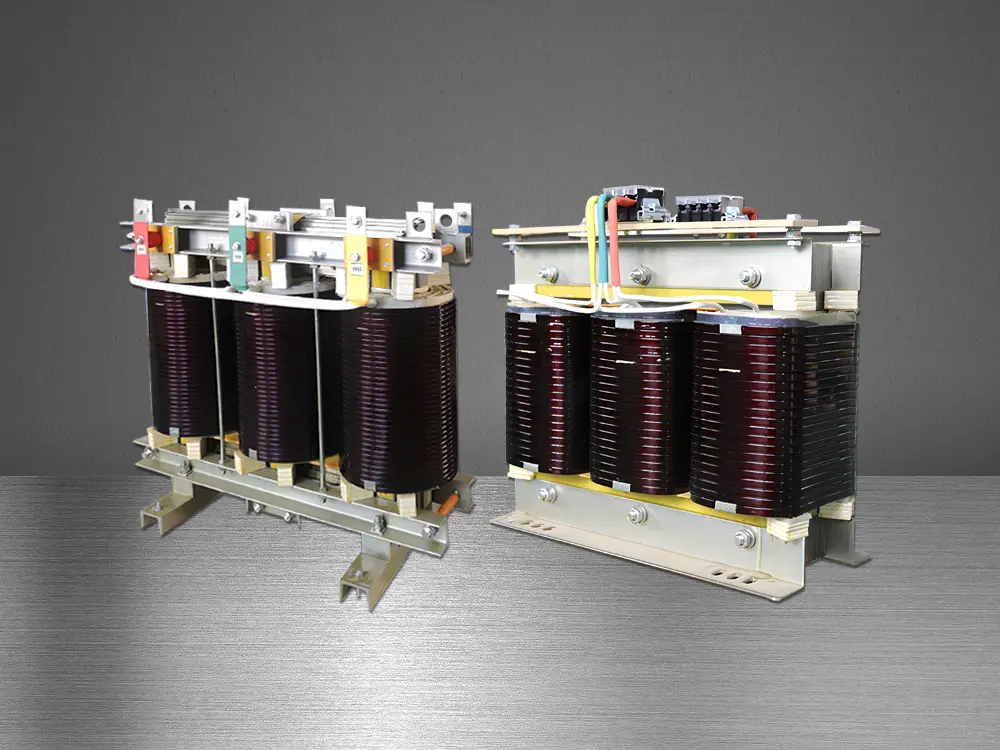 Three-Phase Isolation Transformer
 Control Transformer
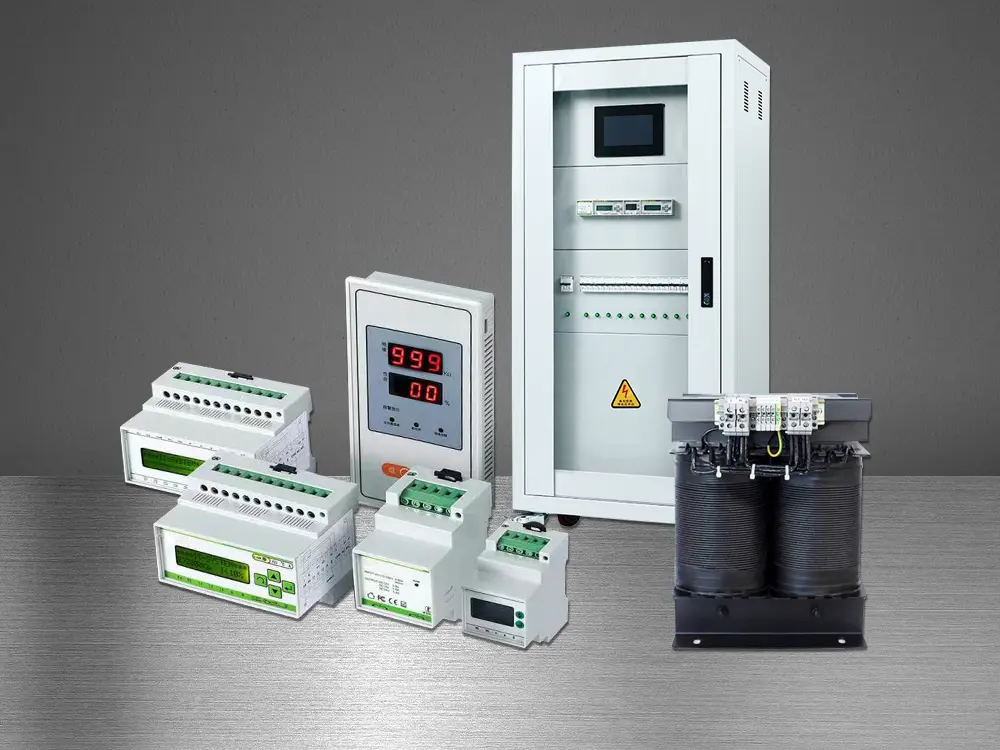 Medical IT Isolated Power System
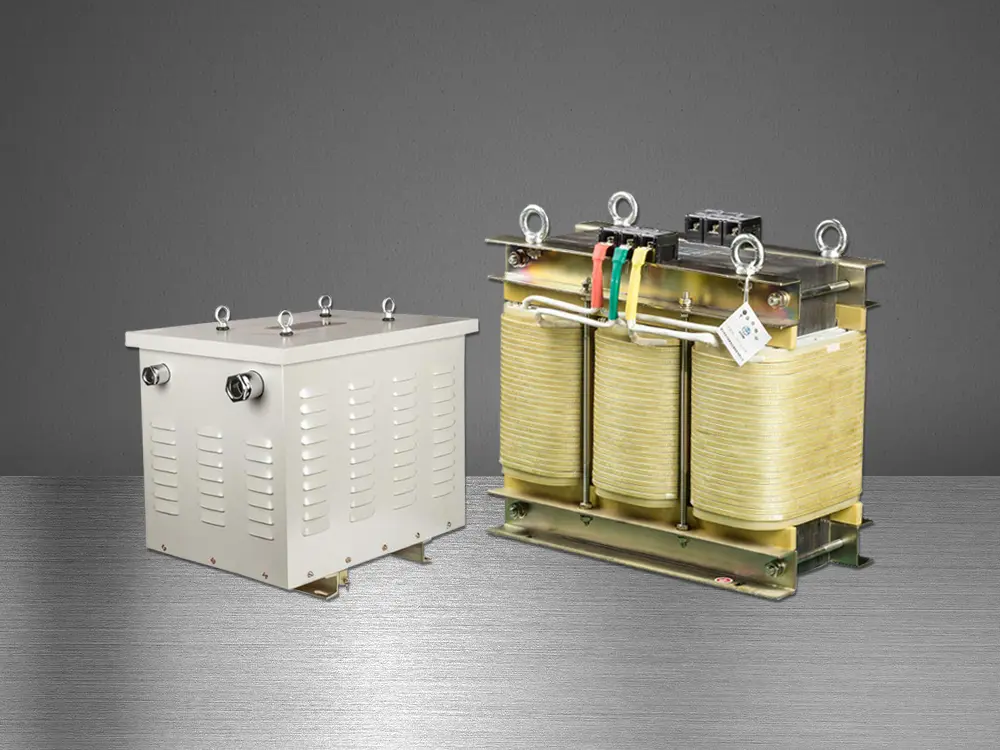 Marine Transformer
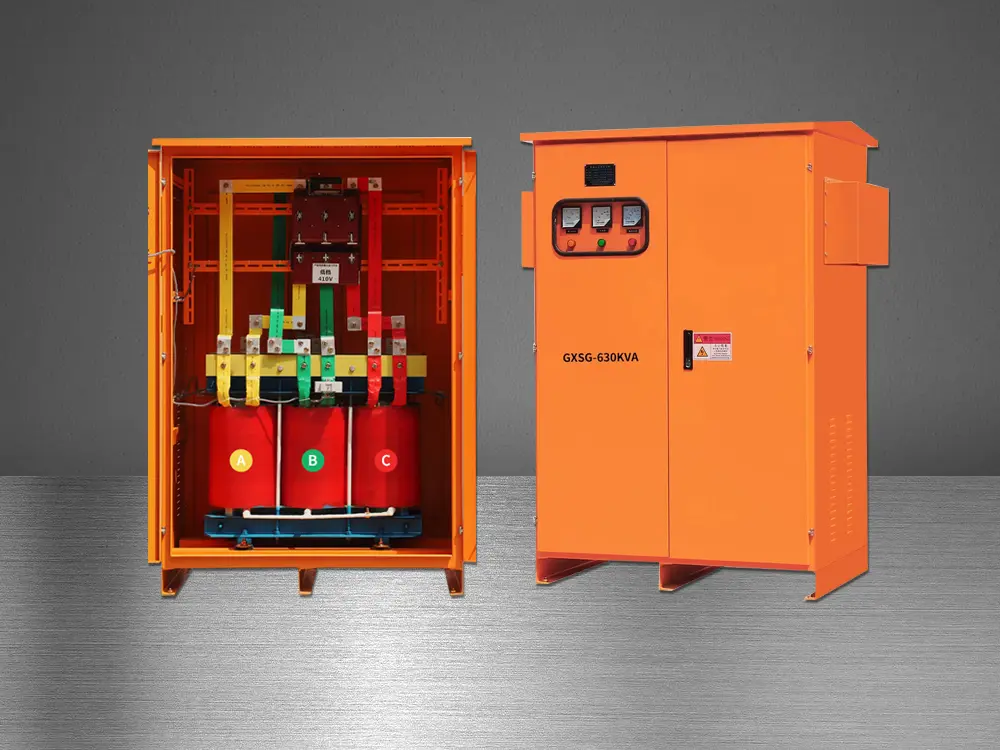 Tunnel Transformer
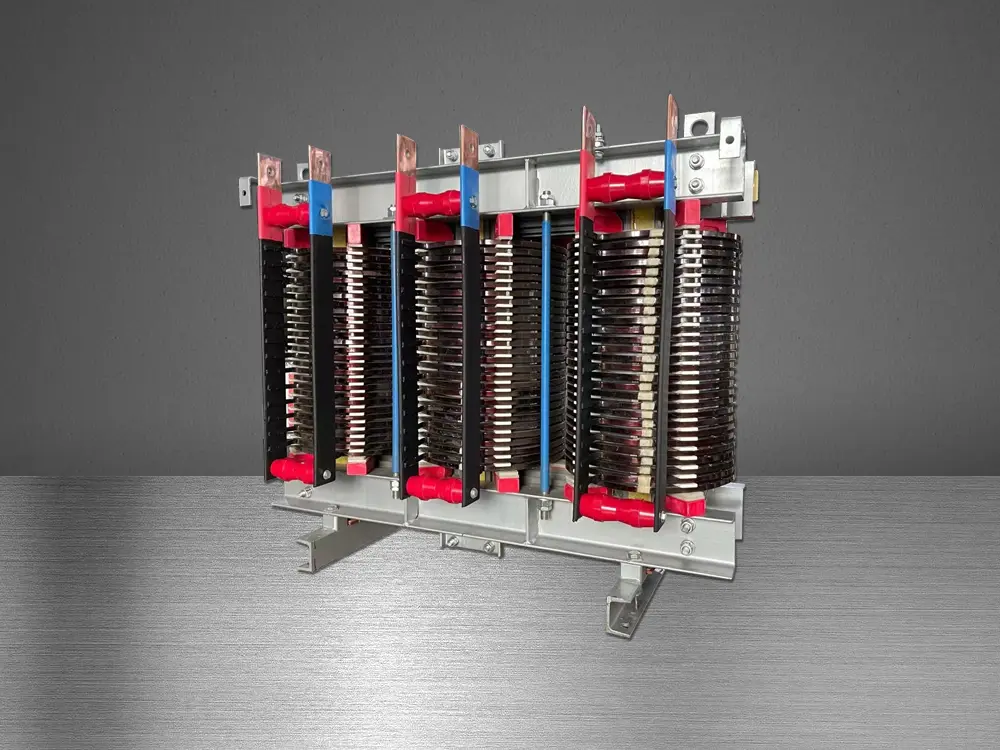 High Current Transformer
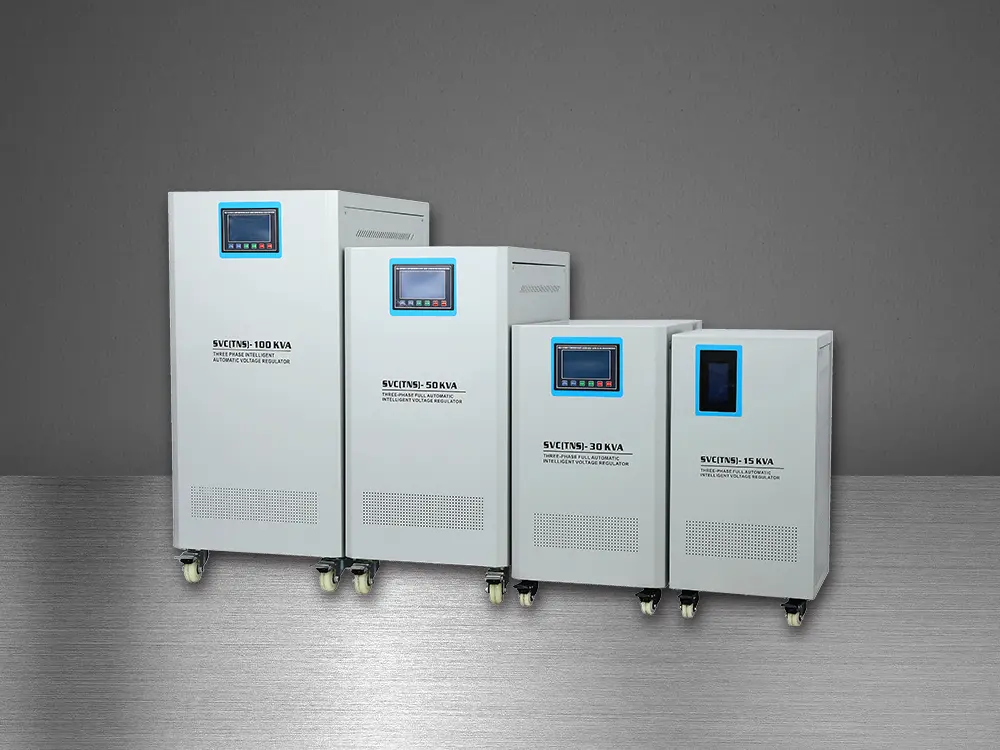 Automatic Voltage Regulator
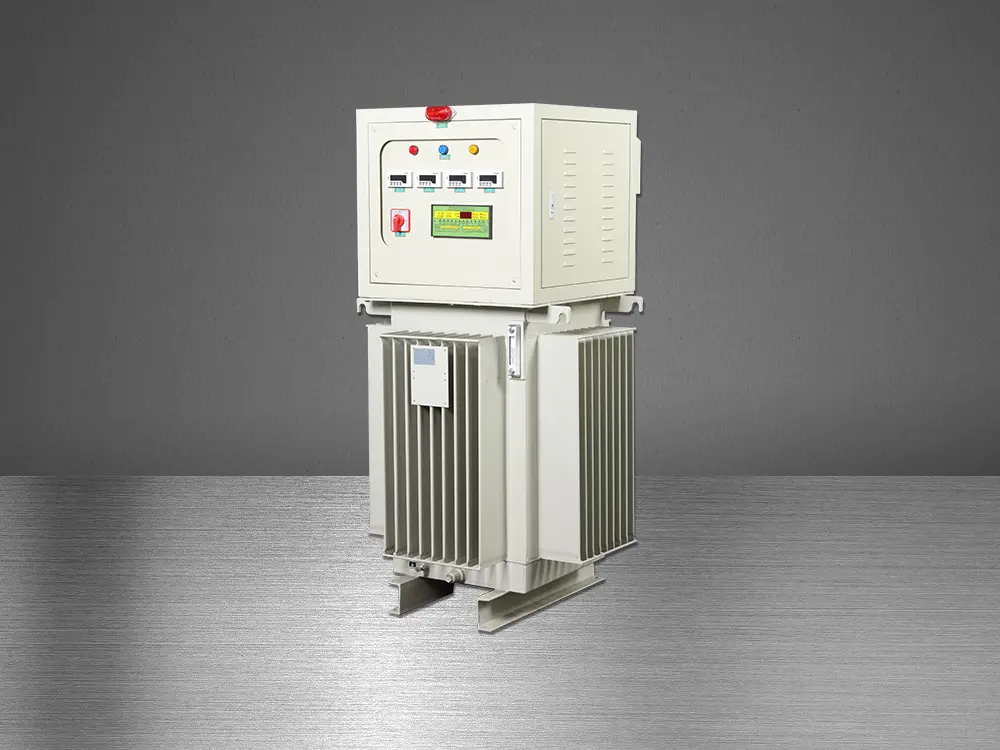 Oil Immersed Voltage Regulator