10 Essential Tips for Choosing an Automatic Voltage Regulator for Your Needs?
Choosing the right Automatic Voltage Regulator (AVR) is crucial for maintaining electrical system stability. According to a report by MarketsandMarkets, the AVR market is expected to reach $5.5 billion by 2025, reflecting its growing importance. An AVR protects sensitive equipment from voltage fluctuations. These fluctuations can cause significant damage if not managed properly.
In practice, selecting an appropriate AVR requires a nuanced understanding of your specific needs. For example, industrial applications often demand robust models capable of handling higher loads. Meanwhile, residential users may benefit from smaller, more compact devices. The diverse range of AVRs on the market can be overwhelming. It’s essential to consider factors such as load capacity and response time.
Furthermore, navigating through various brands and specifications can lead to confusion. Some AVRs come with advanced features, while others may offer basic functions only. Buyers often overlook these differences, leading to regrettable purchases. Assessing your requirements meticulously will ensure you choose the ideal Automatic Voltage Regulator that meets your needs effectively.

Understanding the Role of Automatic Voltage Regulators in Electrical Systems
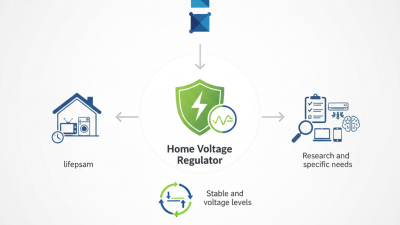
Understanding the role of Automatic Voltage Regulators (AVRs) in electrical systems is crucial for maintaining the health of your equipment. AVRs help stabilize voltage levels, protecting devices from fluctuations. They ensure that electrical systems operate safely and efficiently. In industrial settings, an AVR can prevent costly downtime and equipment damage.
When choosing an AVR, consider load requirements. Different applications have varying power needs. An unsuitable AVR might lead to underperformance or failure. It's essential to match the regulator with your specific requirements. Also, think about installation and maintenance. Poorly installed AVRs can result in inefficiencies.
Look for a device with good response time. This ensures voltage is regulated quickly under fluctuating conditions. A slow response can cause shocks to your equipment. Lastly, don't overlook the importance of warranty and support. A reliable warranty offers peace of mind. The right AVR protects your investment, but neglecting its role can lead to long-term issues.
Identifying Your Power Needs: Key Considerations for Voltage Regulation
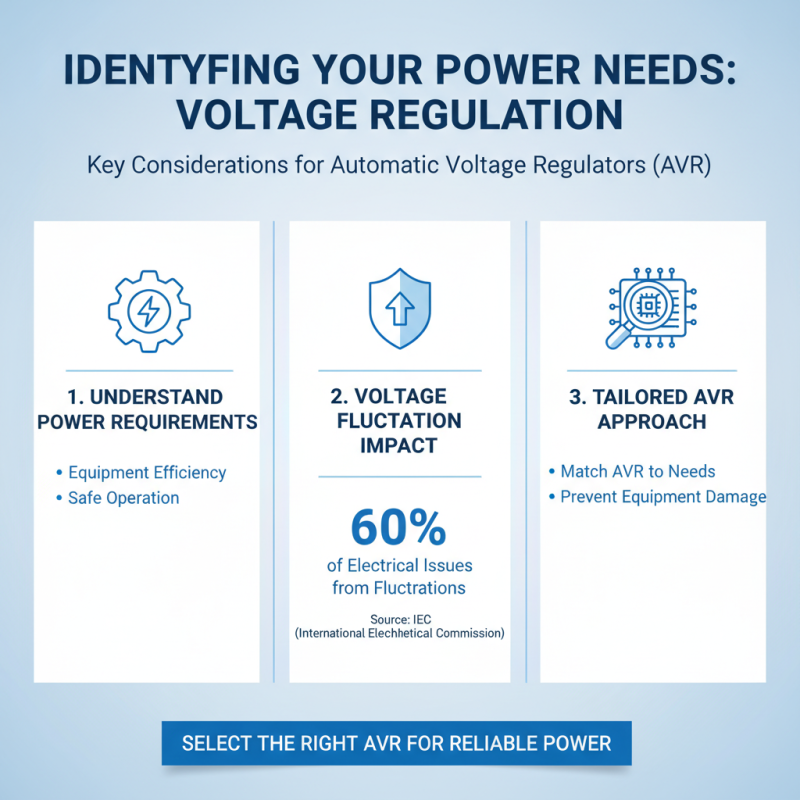
When selecting an automatic voltage regulator (AVR), understanding your power requirements is paramount. Voltage regulation ensures that equipment operates efficiently and safely. According to the International Electrotechnical Commission, around 60% of electrical issues arise from voltage fluctuations. This statistic emphasizes the importance of a tailored approach to choosing an AVR.
Start by assessing the total load capacity of your devices. Determine the wattage of each device, especially during peak usage. For example, if you're powering multiple computers and machinery, calculate their combined wattage. A common mistake is underestimating the total load, which can lead to equipment damage or failure. Reports suggest that around 30% of businesses experience power-related failures due to improper capacity planning.
Consider future expansion. If your operations might increase, factor in additional capacity. A system that barely meets current needs may not suffice later. Moreover, think about the environment. High humidity or extreme temperatures can influence device performance. Data indicates that AVRs operating in unfavorable conditions may fail up to 40% faster. Being aware of these nuances will help ensure reliable voltage regulation tailored to your specific needs.
Evaluating Different Types of Automatic Voltage Regulators Available
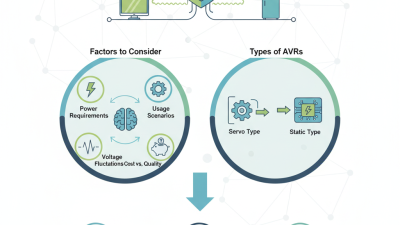
When evaluating different types of automatic voltage regulators (AVRs), understanding their features and applications is essential. Various AVRs are designed to handle specific voltage-related tasks, from small home setups to larger industrial needs. For instance, servo-controlled AVRs provide real-time adjustments, while static AVRs offer faster responses but can be limited by their capacity.
Selecting the right type depends on your particular requirements. Consider factors like load size, efficiency, and environmental conditions. A small facility may benefit from a compact, simple AVR, while a manufacturing plant might need a more complex system with advanced monitoring features. Power fluctuations can occur without warning, making it crucial to reflect on how these systems align with your needs.
Some AVRs have built-in surge protection, which can be a vital feature for sensitive equipment. However, not all models are created equal, and doing thorough research is key. Be mindful that over-specifying your AVR can lead to unnecessary costs, while under-specifying can result in equipment damage. Balancing cost and functionality requires careful thought and understanding your operational environment.
Key Features to Look for When Selecting a Voltage Regulator
Choosing an automatic voltage regulator can be daunting. Focus on key features that matter for your specific needs. Start with input voltage range. Ensure it matches your electrical supply. An incompatible range can lead to equipment damage.
Look for stability and response time. Quick adjustments in voltage fluctuations protect sensitive devices.
Check for overload protection too. This feature prevents damage during excess voltage. If the regulator lacks this, it may not safeguard your equipment effectively. Additionally, consider the form factor. Some units are bulky, while others are compact. Select one that fits your available space.
Last, review user feedback. Real experiences reveal potential flaws. A product might seem ideal but could have hidden issues. Research is essential. Pay attention to warranties offered. A good warranty reflects confidence in the product's reliability. Avoid rushed decisions; take necessary time to reflect.
Assessing Installation Requirements and Maintenance for Your Voltage Regulator
When assessing installation requirements for an automatic voltage regulator (AVR), consider your space and environment. Proper placement is crucial. Make sure there's adequate ventilation. AVR units can generate heat, especially during peak loads. Locate them away from direct sunlight and moisture. Also, check the mounting options available. Wall-mounted units can save space but require secure installation.
Maintenance is equally important for the longevity of your AVR. Regular inspections can help identify potential issues early. Look for signs of wear or damage. Dust buildup can impede performance, so schedule routine cleaning. Ensure all connections are tight and secure. Some users overlook the significance of a well-calibrated AVR. Calibration affects voltage stability and efficiency. Keep an eye on performance indicators. If you notice fluctuations, it may be time for recalibration or professional help.
Many people underestimate the complexities of choosing an AVR. Take the time to understand your specific power requirements. Each setup is unique, and there’s no one-size-fits-all solution. Reflect on your current and future power needs. This foresight can prevent complications down the line.
10 Essential Tips for Choosing an Automatic Voltage Regulator for Your Needs
| Tip Number |
Tip Description |
Considerations |
| 1 |
Determine Power Requirements |
Calculate total watts needed for your devices. |
| 2 |
Evaluate Voltage Fluctuations |
Assess historical data on power supply stability. |
| 3 |
Select the Right Type |
Choose between automatic and manual types based on usage. |
| 4 |
Check for Overload Capacity |
Ensure the regulator can handle unexpected loads. |
| 5 |
Consider Efficiency Ratings |
Look for models with high efficiency to save energy. |
| 6 |
Assess Installation Environment |
Ensure the model is suitable for indoor or outdoor use. |
| 7 |
Look for User-Friendly Features |
Check for digital displays and alarms for user convenience. |
| 8 |
Evaluate Warranty and Support |
Consider the manufacturer's warranty and technical support options. |
| 9 |
Research Maintenance Needs |
Determine frequency and type of maintenance required. |
| 10 |
Read User Reviews |
Gather insights from current users on performance and reliability. |

 Three-Phase Isolation Transformer
 Control Transformer
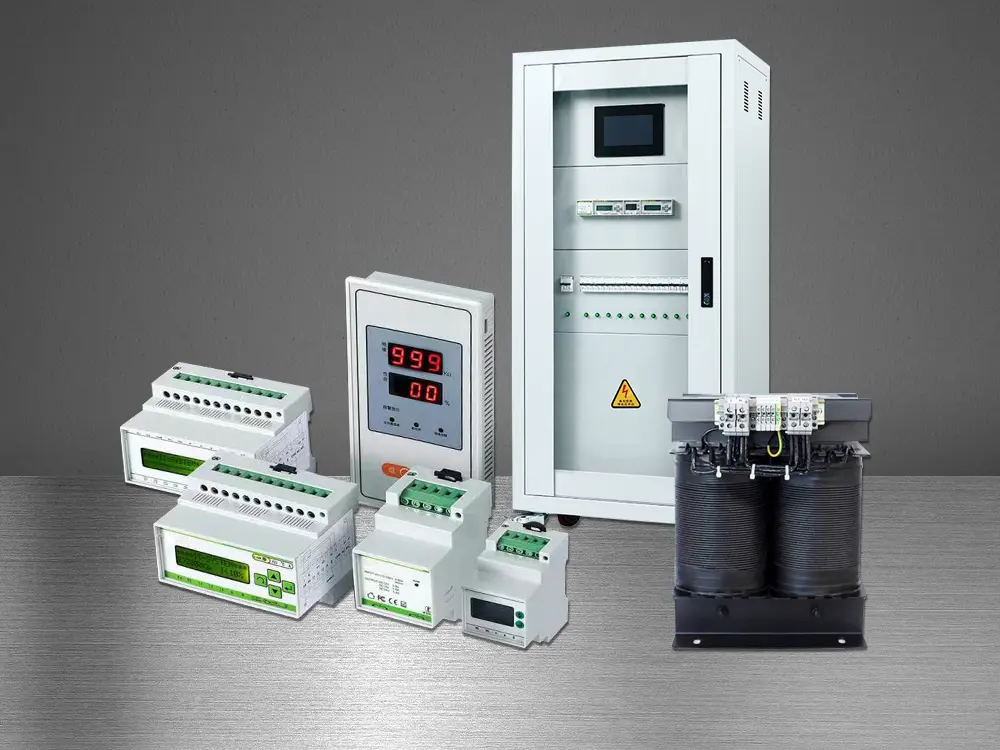 Medical IT Isolated Power System
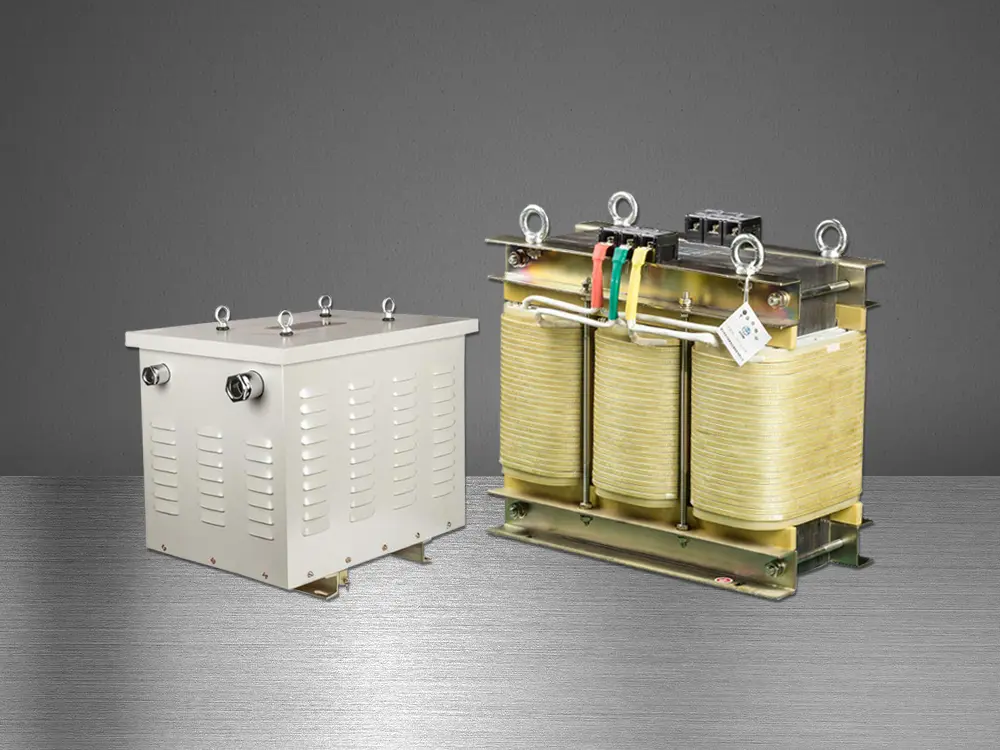 Marine Transformer
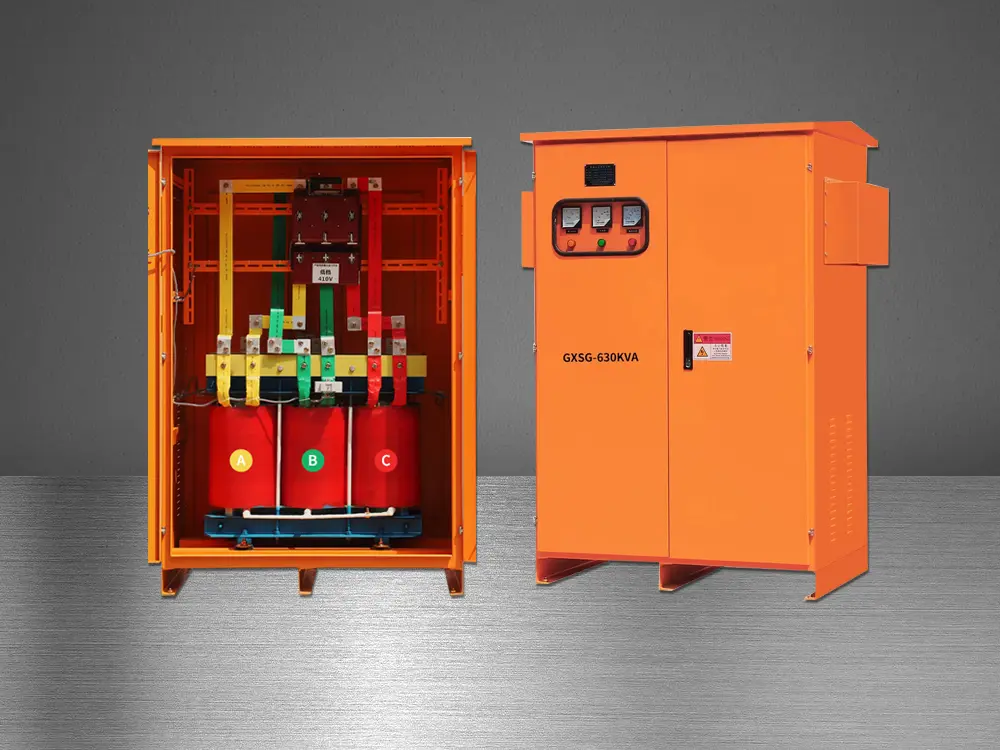 Tunnel Transformer
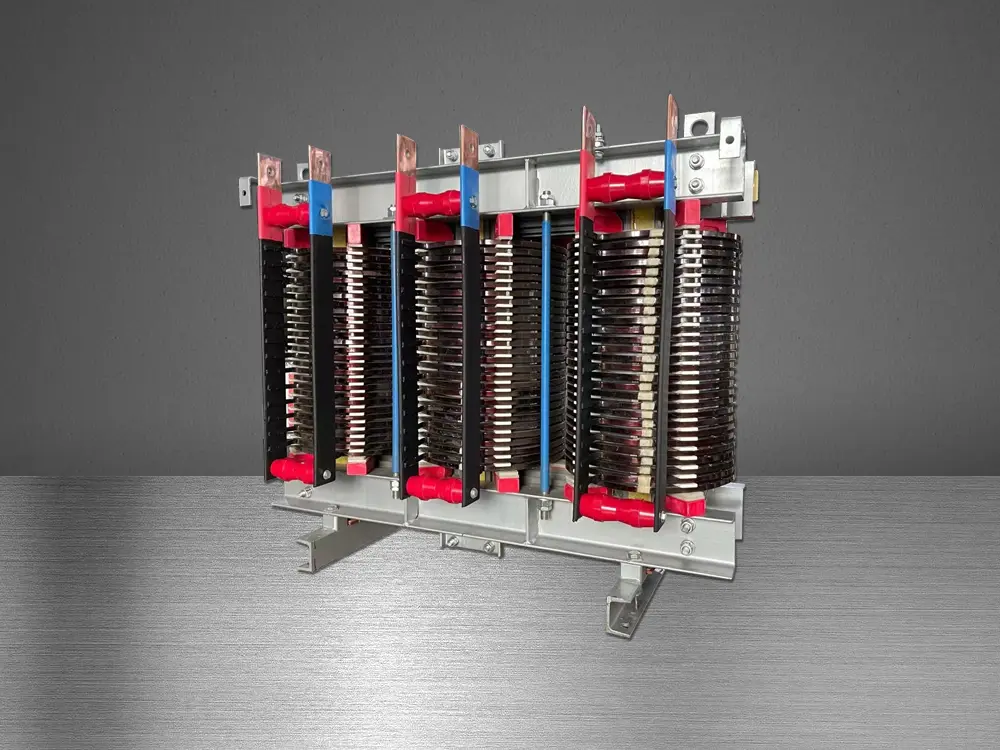 High Current Transformer
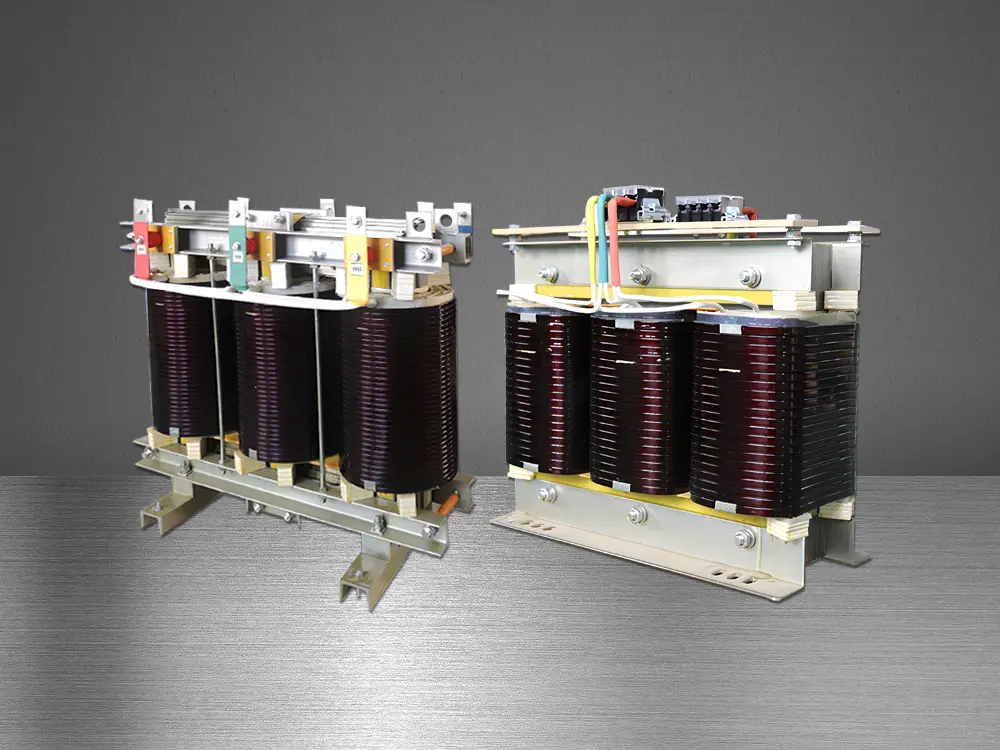
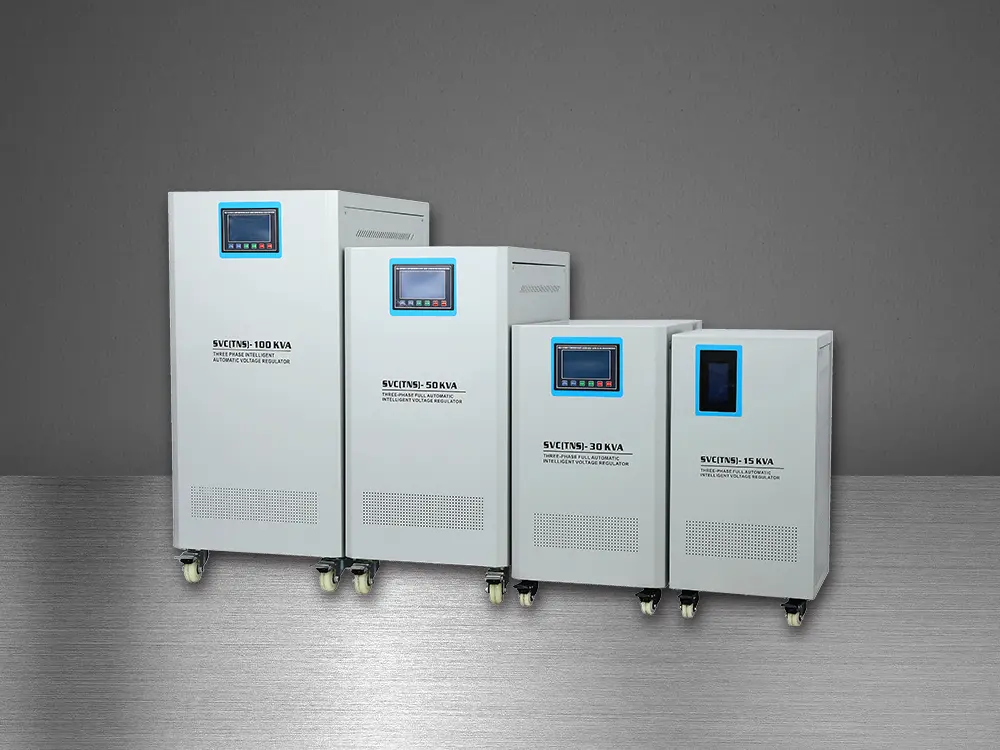 Automatic Voltage Regulator
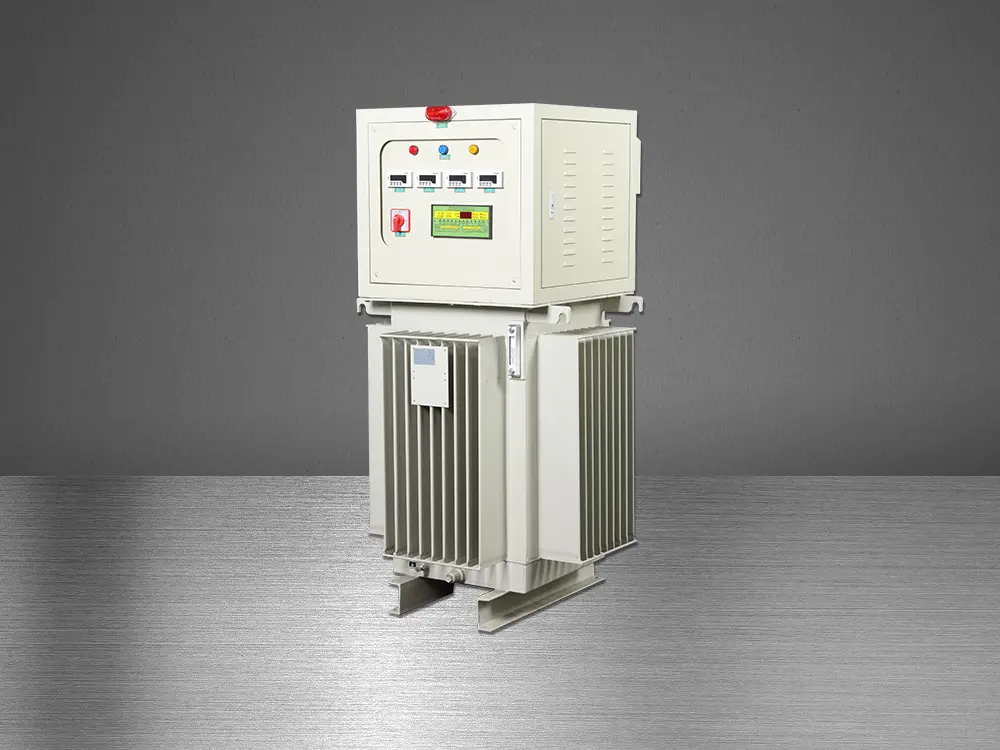 Oil Immersed Voltage Regulator