How to Choose the Right High Current Transformer for Your Applications?
Selecting the right High Current Transformer for specific applications can be challenging. A thorough understanding of your needs is essential. High current transformers are vital in various electrical systems. They help ensure efficiency and safety in power distribution.
When choosing a high current transformer, consider factors like load requirements, voltage ratings, and environmental conditions. Each application may demand different specifications. For example, manufacturing facilities may need robust transformers to handle heavy machinery. However, this can complicate selection.
Additionally, quality standards play a key role. Transformers that meet ISO or CE certifications tend to offer better reliability. But not all suppliers provide clear information about their certifications. Make sure to research thoroughly and seek out verified vendors. This approach will prevent oversights and improve your chances of finding the best fit for your application.
Understanding High Current Transformers and Their Importance
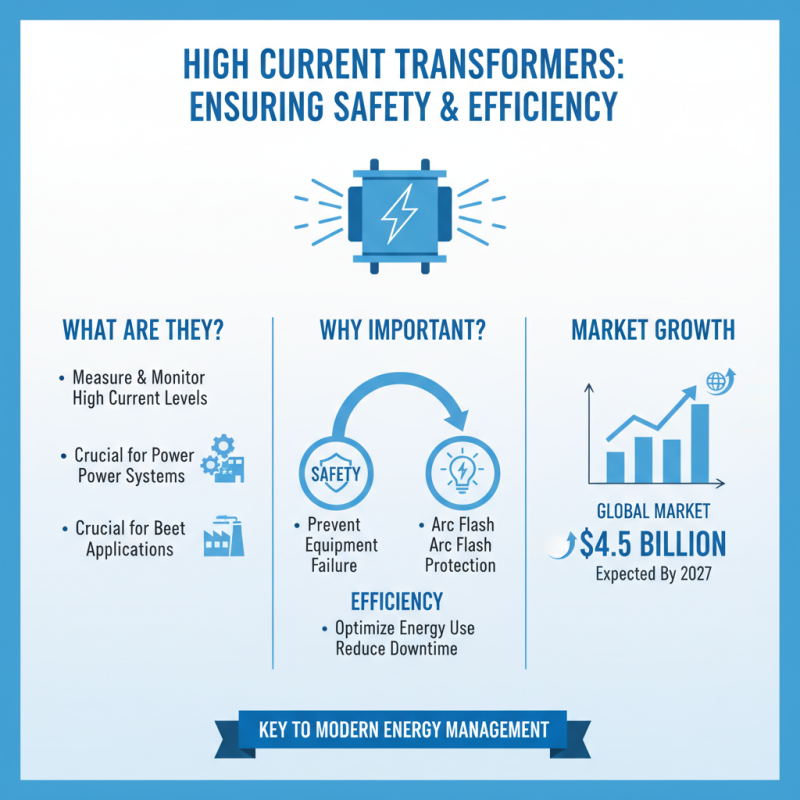
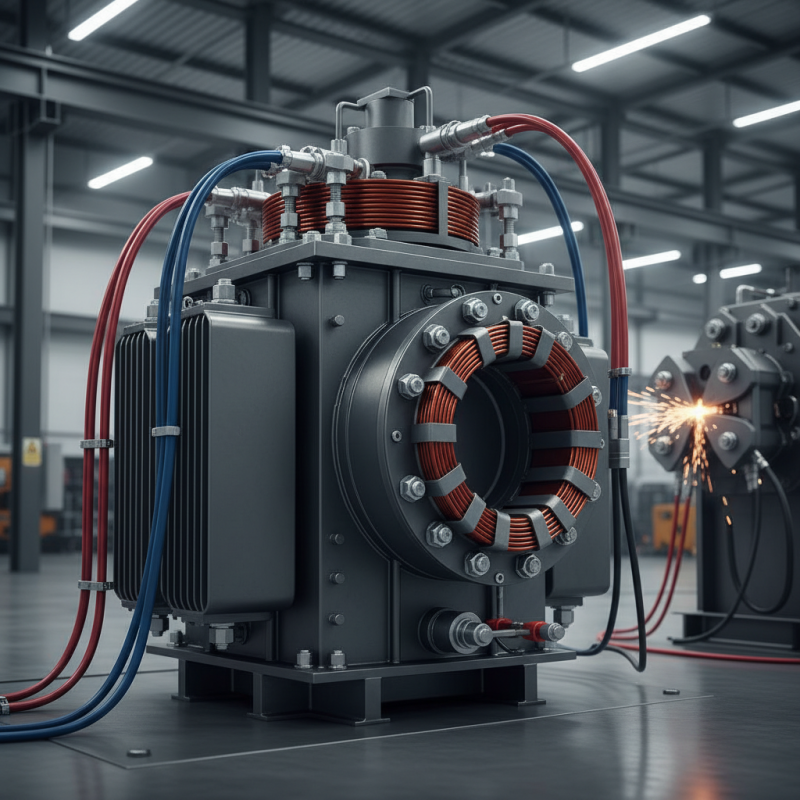
High current transformers (HCTs) play a crucial role in various industrial applications. They are essential for measuring and monitoring high current levels in power systems. This helps ensure safety and efficiency. According to industry data, the global market for HCTs is expected to reach $4.5 billion by 2027. This signifies their growing importance in energy management.
HCTs have unique characteristics that set them apart from standard transformers. They typically feature a structured design that accommodates high current levels without compromising accuracy. However, choosing the right HCT requires careful consideration of several factors. The transformation ratio is one critical aspect. A mismatch can lead to inaccurate readings and potential safety hazards.
Tips: Ensure the selected transformer meets your specific application needs. Consider the current rating, size, and installation environment. Moreover, understand the limitations of your chosen model. Some HCTs may struggle in extreme temperatures or humidity.
Understanding the importance of HCTs helps refine your selection process. Evaluate the technical specifications and operational requirements. Gaps in knowledge can lead to costly mistakes. It's essential to reflect on past experiences and learn from them, ensuring optimum performance in future applications.
Key Factors to Consider When Selecting a High Current Transformer
Choosing the right high current transformer involves various considerations. First, assess the application's current capacity needs. Evaluate how much current the transformer will be required to handle. This ensures that the transformer does not operate beyond its limits.
Next, consider the voltage rating. The transformer should match the system voltage. Mismatched voltage can lead to inefficiencies. Pay attention to the transformer's frequency specifications as well. It should align with your operating frequency.
Remember the installation environment. High humidity or extreme temperatures may affect performance. Sometimes, engineers overlook environmental factors. It’s crucial to think about insulation and protection measures. Also, check the physical size and weight. Some designs may not fit well into existing setups. Balancing performance and practicality is key in this choice.
Types of High Current Transformers and Their Applications
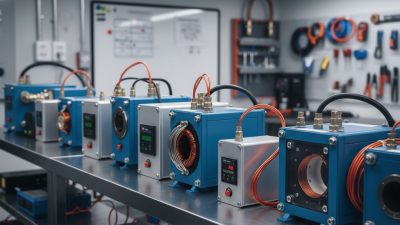
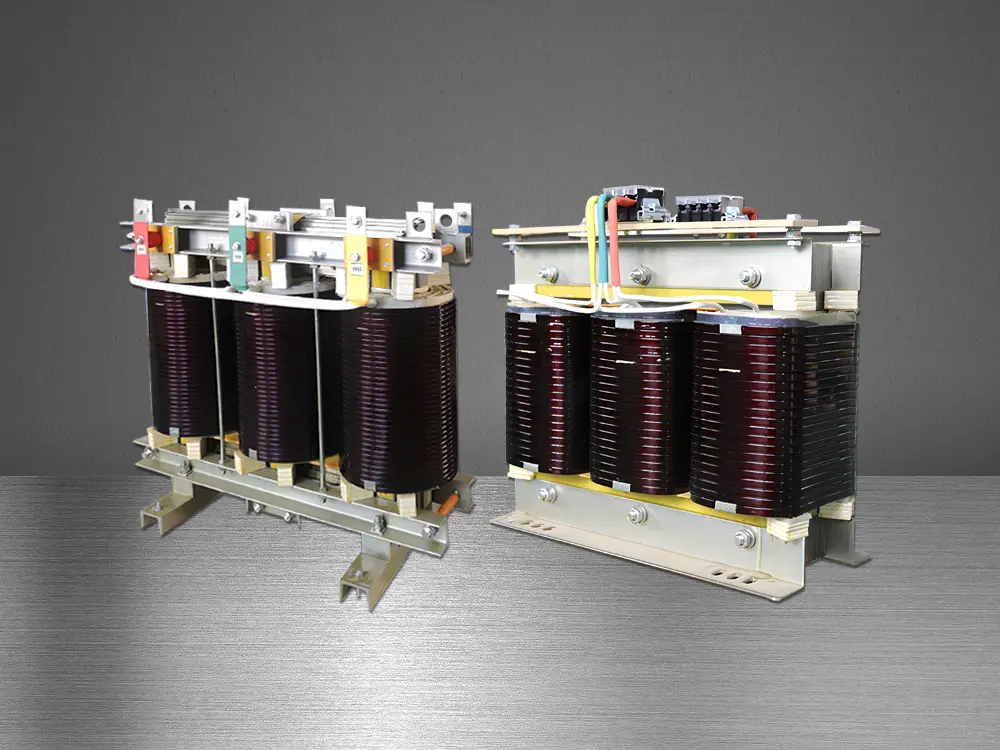
When selecting a high current transformer, understanding the types available is crucial. There are several types, including current transformers, isolation transformers, and multi-ratio transformers. Each serves a specific purpose. Current transformers provide accurate measurement and monitoring of electrical flow. Isolation transformers help in safeguarding sensitive equipment from surges. Multi-ratio transformers offer versatility for different voltage levels in one device.
According to a recent industry report, the global high current transformer market is expected to reach $3 billion by 2025. The increasing demand for energy management systems drives this growth. In industrial sectors, such as manufacturing and power generation, high current transformers are essential for efficient operations. However, many users overlook the appropriate specifications. Choosing a transformer based solely on price can lead to performance issues.
It’s also important to consider installation conditions. Not all environments are suitable for every transformer type. If a transformer operates in extreme temperatures or humidity, it might fail prematurely. Many users do not account for these factors. Understanding the implications of choosing the wrong type can save time and costs in repairs. Proper research and analysis are key steps in making an informed decision.
High Current Transformer Types and Their Applications
Evaluating Specifications: Current Rating, Voltage, and Frequency
When selecting a high current transformer, evaluating specifications is crucial. Current rating is the first important specification to consider. It determines how much current the transformer can handle. If the current rating is too low, overheating can occur. This can damage the transformer and other connected devices. On the other hand, a rating that is excessively high may lead to unnecessary costs and bulkiness.
Voltage is another key factor. You must ensure that the voltage level matches your application. Mismatched voltage can lead to severe issues like insulation failure. Lastly, frequency plays an essential role in performance. Transformers are designed for specific frequency ranges. Operating outside these ranges can lead to inefficient performance or even malfunction.
Remember that it's easy to overlook these specifications. Sometimes, people choose based on appearance or price alone. This can lead to short-term savings but long-term issues. Accurate evaluations require careful thought and sometimes prototyping. Even small discrepancies in specifications can have significant impacts. Consider the operating environment, too. It affects not only performance but also the transformer's lifespan.
Installation and Maintenance Tips for High Current Transformers
When dealing with high current transformers, installation and maintenance are crucial for optimal performance. Ensuring proper installation can greatly affect the lifespan and reliability of these transformers. According to industry standards, improper setup can reduce efficiency by up to 20%. Clear communication among the installation team is essential.
**Tip**: Always double-check connections. Loose wiring can lead to overheating. This can damage both the transformer and connected equipment. Additionally, label all connections during installation. This simple step saves time during future maintenance.
Once installed, regular maintenance is vital. Routine inspections help identify wear and tear. They should include checking insulation resistance and thermal imaging of connections. Reports show that proactive maintenance can extend the service life by 30%. Monitoring environmental conditions is also important. Ensure the area is dry and well-ventilated to prevent moisture accumulation.
**Tip**: Schedule semi-annual assessments. This is often overlooked but is key to long-term functionality. Ignoring these procedures can lead to unexpected failures. Emphasizing consistent maintenance practices creates a safer working environment. Make it a priority to stay informed about best practices and industry developments to ensure ongoing reliability.
How to Choose the Right High Current Transformer for Your Applications? - Installation and Maintenance Tips for High Current Transformers
| Parameter |
Description |
Recommended Value |
| Rated Current |
The nominal current that the transformer is designed to handle. |
1000 A - 5000 A |
| Accuracy Class |
Indicates the measurement precision of the transformer. |
Class 0.2 to Class 1 |
| Frequency |
The operating frequency for which the transformer is designed. |
50 Hz / 60 Hz |
| Insulation Level |
The highest voltage the insulation can withstand. |
24 kV - 36 kV |
| Temperature Rating |
The maximum temperature the transformer can operate at without failure. |
-10°C to +40°C |
| Installation Type |
The method of installation (e.g., indoor, outdoor). |
Indoor/Outdoor |
| Maintenance Requirements |
Frequency of maintenance checks and inspections needed. |
Annually |

 Three-Phase Isolation Transformer
 Control Transformer
 Medical IT Isolated Power System
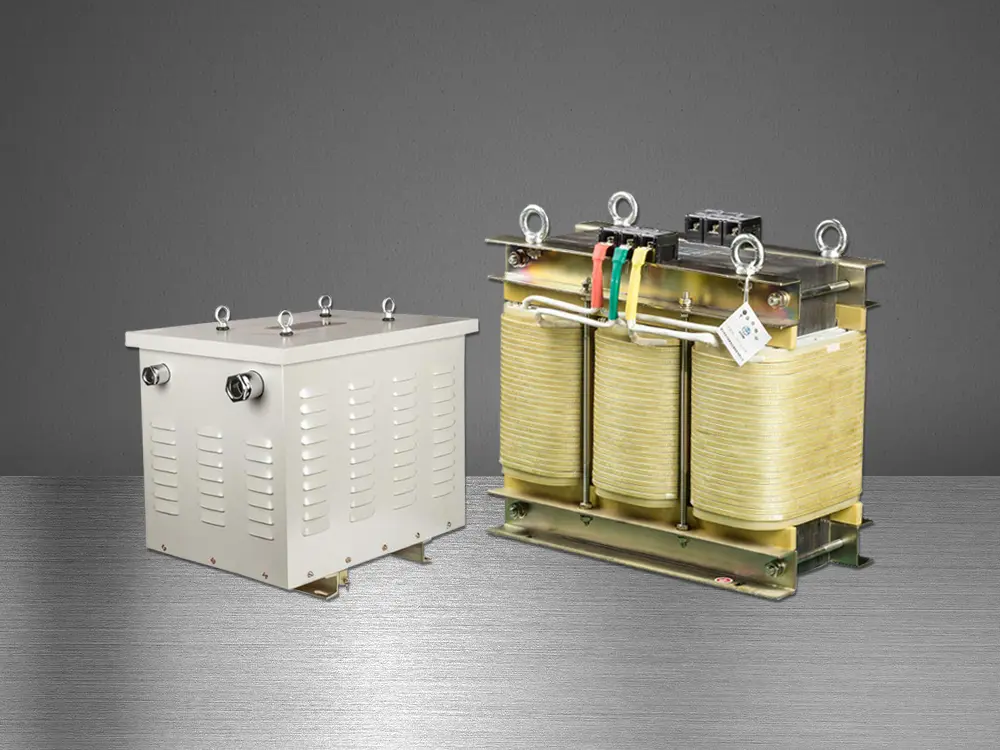 Marine Transformer
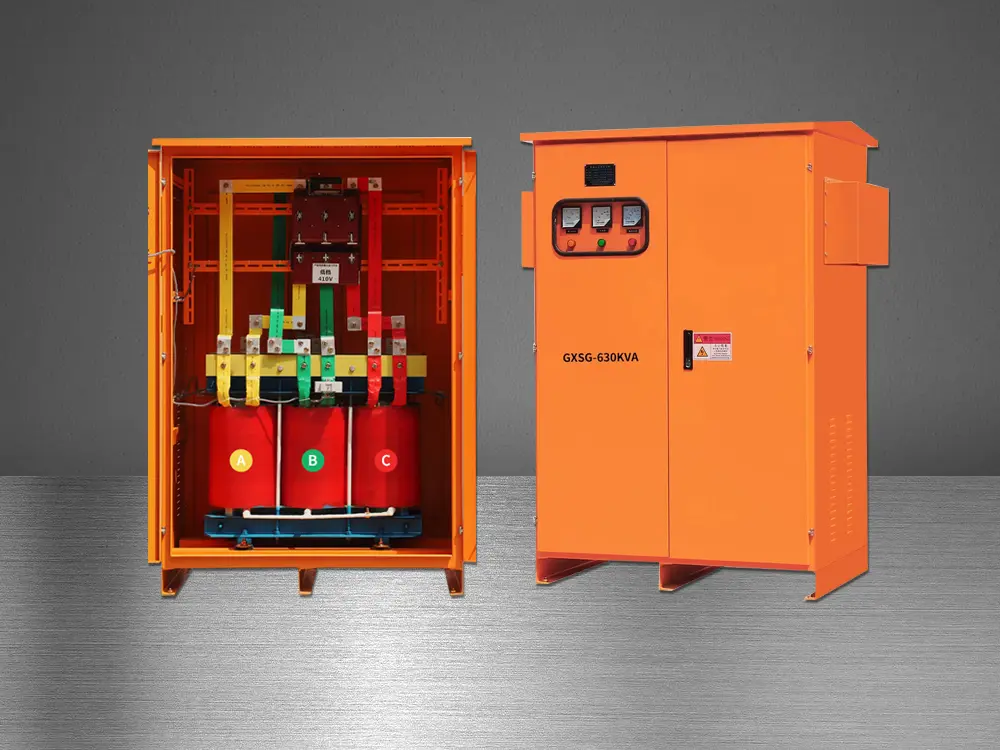 Tunnel Transformer
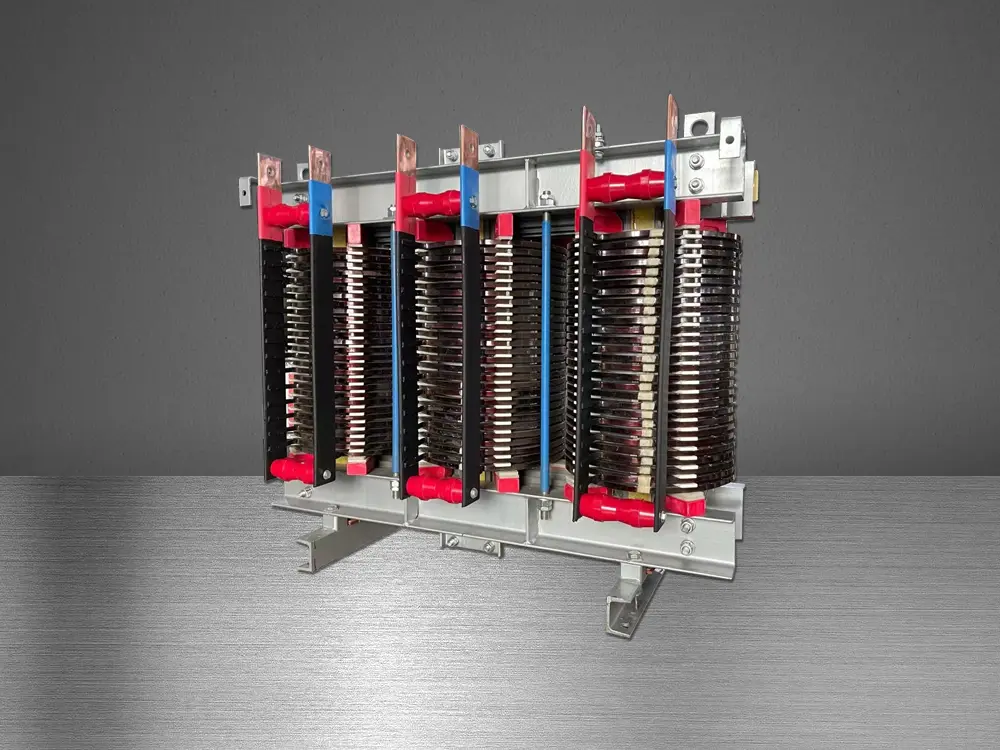 High Current Transformer
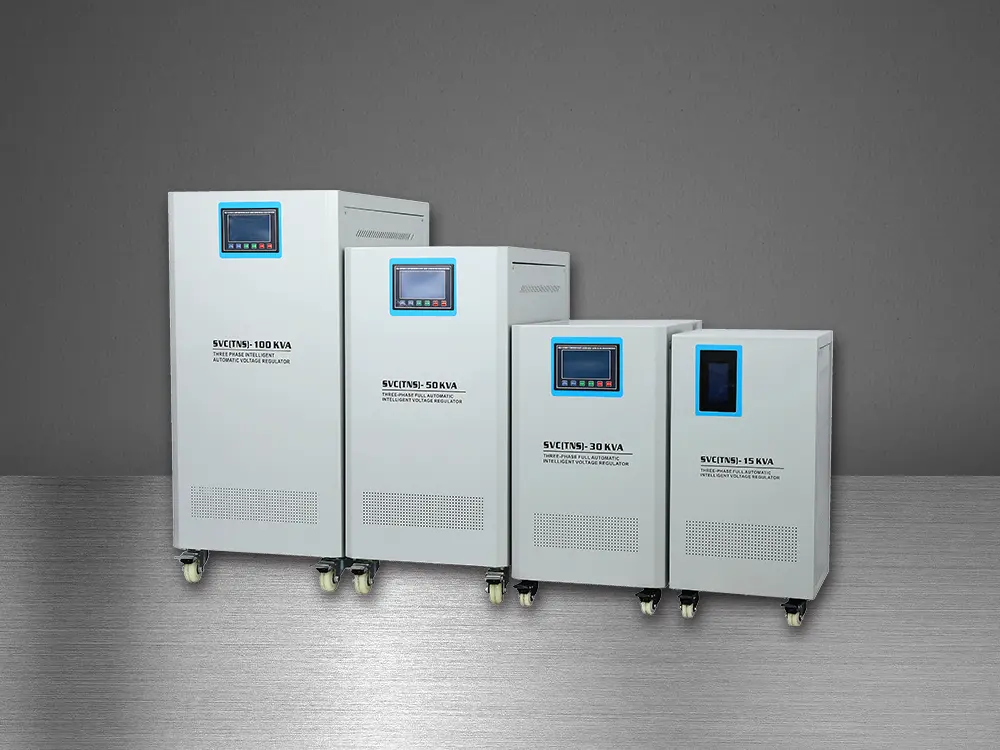 Automatic Voltage Regulator
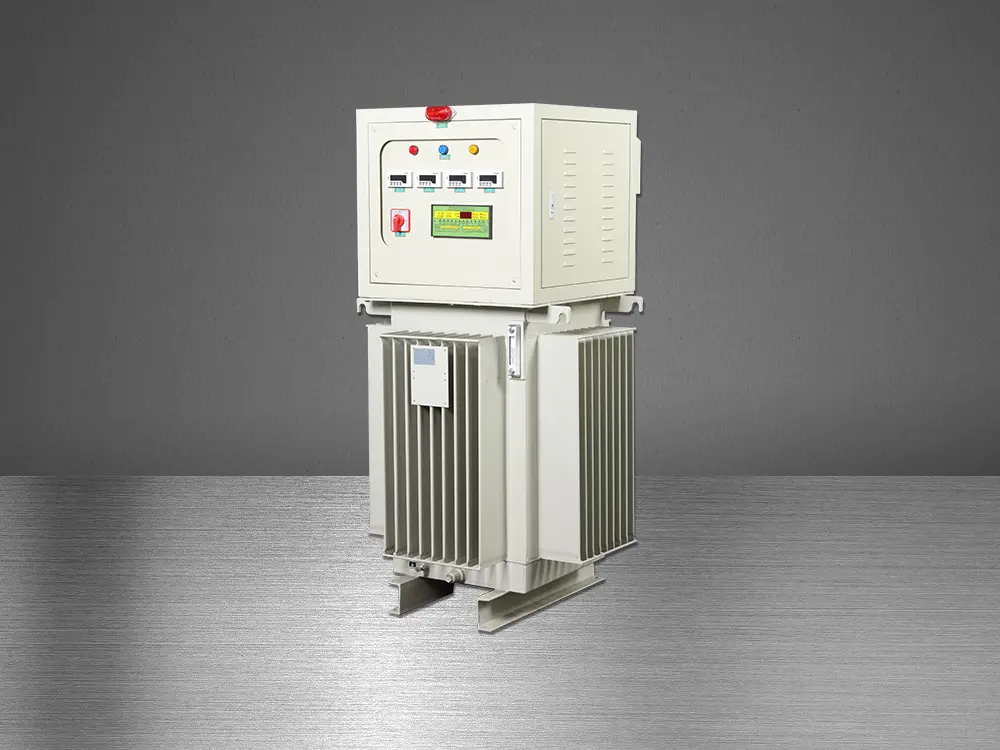 Oil Immersed Voltage Regulator