How to Choose the Best Power Supply Isolation Transformer?
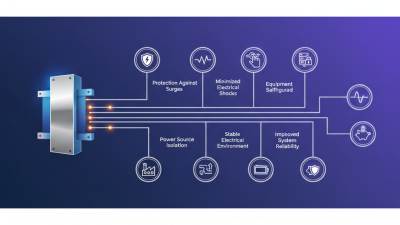
Selecting the right Power Supply Isolation Transformer is crucial for various applications. This device enhances electrical safety, protects equipment, and improves performance. According to a recent industry report, improper selection can lead to inefficiencies costing companies up to 20% in maintenance and downtime.
Understanding the specifications of a Power Supply Isolation Transformer is essential. Factors like voltage rating, power capacity, and frequency response significantly influence its effectiveness. Furthermore, a study by the Electric Power Research Institute indicates that proper isolation can reduce electrical noise by up to 95%. However, not all transformers are created equal.
Analyzing your specific needs is critical. Consider factors like load type and environmental conditions. Many users overlook these details, resulting in suboptimal performance. The right choice can significantly enhance operational reliability. Conversely, errors can lead to expensive consequences. A thorough evaluation of requirements and options is vital for making an informed decision.
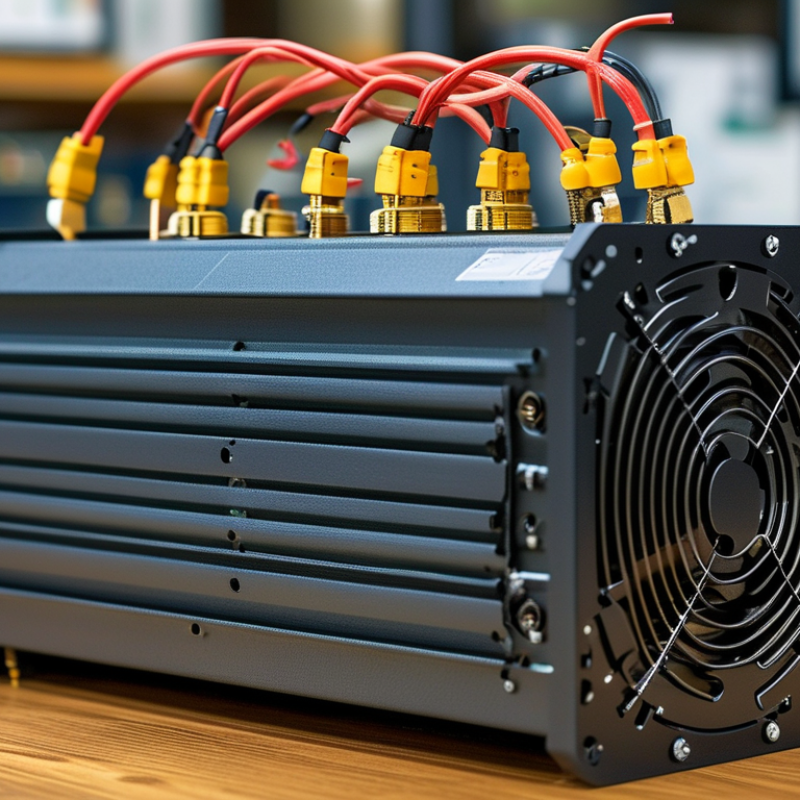
Understanding Power Supply Isolation Transformers
When considering power supply isolation transformers, understanding their functionality is key. These devices separate electrical circuits, ensuring safety and reducing noise. They help in preventing ground loops, which can cause performance issues in sensitive equipment. A study by IEEE highlighted that using isolation transformers could improve equipment life by over 30%. This is crucial in industries requiring high reliability.
The choice of isolation transformers often revolves around parameters such as power rating, efficiency, and application type. For example, a transformer with higher efficiency minimizes energy loss, which is vital in a manufacturing setting. According to the Department of Energy, inefficient systems can result in losses of up to 15% in energy costs. Precise calculations can aid in selecting the right transformer, yet even professionals sometimes overlook load requirements, leading to potential system failures.
Another aspect to consider is the transformer’s ability to handle harmonic distortion. This is crucial because excessive harmonics can degrade power quality. Industry reports suggest that 21% of manufacturing facilities face issues due to harmonic distortions. Hence, selecting transformers that offer superior filtering can be a game-changer. However, it is imperative to remember that over-specifying can lead to increased costs without proportional benefits. Balancing between performance and efficiency is essential.
Key Features to Consider in Isolation Transformers
When selecting an isolation transformer, several key features are crucial. First, consider the power rating. This determines the maximum load the transformer can handle safely. It's essential to choose a transformer with a rating that exceeds your equipment's demands. Underestimating this can lead to overheating and potential damage.
Next, look at voltage compatibility. The transformer should match the voltage requirements of your devices. Mismatched voltages can result in inefficiency or equipment failure. Don't overlook the phase type of your system, whether it's single-phase or three-phase. This choice impacts performance and efficiency.
Additionally, pay attention to the isolation level. True isolation transformers provide a higher degree of protection against electrical noise and faults. This is vital for sensitive equipment. Lastly, the physical size and cooling mechanisms also matter. A transformer that is too large for your space can be impractical. Ensure it has adequate ventilation to maintain optimal performance.
Power Supply Isolation Transformer Features Comparison
Determining Voltage and Power Requirements
When selecting a power supply isolation transformer, understanding voltage and power requirements is crucial. The voltage rating must match your equipment needs. Common household voltages are 120V or 240V, while industrial setups often require higher voltages. According to the National Electrical Manufacturers Association (NEMA), nearly 60% of electrical failures result from incorrect voltage supply.
Power rating also plays a significant role in your choice. It is advisable to select a transformer that can handle a load exceeding your actual demand by about 20%. This buffer can accommodate equipment inrush currents and lower the risk of overheating. According to IEEE standards, power supply reliability correlates directly with transformer capacity.
Tips: Always calculate the total wattage of your devices. This helps in choosing a transformer that won’t be under strain. Regularly assess your load requirements as equipment changes. Failing to do so can lead to inefficient operation or equipment failure. Monitoring your usage patterns can provide insights into necessary adjustments.
Evaluating Quality and Standards in Isolation Transformers
When evaluating the quality of power supply isolation transformers, it is essential to consider the standards they meet. Quality assurance starts with certifications. Compliance with national and international standards ensures reliability. Look for transformers that adhere to IEC or UL guidelines. These certifications reflect a system's safety and performance.
Another key aspect is the materials used in construction. High-quality copper windings reduce loss and enhance efficiency. Core materials affect the transformer's magnetic properties. Opt for units with materials that minimize energy loss. It’s not just about performance; longevity also matters. Consider warranties that reflect manufacturer confidence.
Yet, many buyers overlook these details. Rushing through the selection process can lead to subpar choices. A detailed analysis takes time, but it pays off. Think about the long-term benefits of a robust transformer. Investing in a reliable isolation transformer protects your equipment and enhances overall performance. A well-informed choice can prevent future headaches and operational issues.
How to Choose the Best Power Supply Isolation Transformer? - Evaluating Quality and Standards in Isolation Transformers
| Dimension |
Description |
Importance |
Standard Value |
| Power Rating |
The maximum power output of the transformer, usually measured in kVA. |
Critical for ensuring sufficient power delivery to connected devices. |
1 kVA to 100 kVA |
| Input Voltage |
The voltage level that the transformer accepts as input. |
Necessary for compatibility with power sources. |
110V, 220V, 400V |
| Isolation Level |
The degree of separation between input and output circuits. |
Essential for safety and protection against electrical faults. |
3000V to 4000V |
| Efficiency |
The ratio of output power to input power. |
Higher efficiency reduces energy loss and operating costs. |
≥ 95% |
| Temperature Rating |
Maximum ambient temperature for operation. |
Important for reliability and lifespan of the transformer. |
-10°C to +40°C |
Installation and Maintenance Tips for Optimal Performance
When installing a power supply isolation transformer, proper setup is crucial for performance. Ensure the unit is placed in a well-ventilated area. This prevents overheating and extends its lifespan. Keep cables organized to avoid physical damage. Verify all connections are tight, which helps prevent electrical faults. Regular checks can identify issues early.
Maintenance of the transformer is vital for optimal function. Schedule routine inspections to check for signs of wear. Look for any discoloration in the insulation or loose connections. Clean the transformer casing with a damp cloth to remove dust and debris. This simple step can enhance its operational efficiency. Remember, if something feels off during operation, it’s worth a second look.
Staying aware of the transformer's performance is just as important. Monitor the input and output voltage levels regularly. Sudden fluctuations may indicate underlying issues. It’s easy to overlook these nuances, yet they play a significant role. Developing a maintenance log can help track performance changes over time. Small inconsistencies can lead to bigger problems down the line.

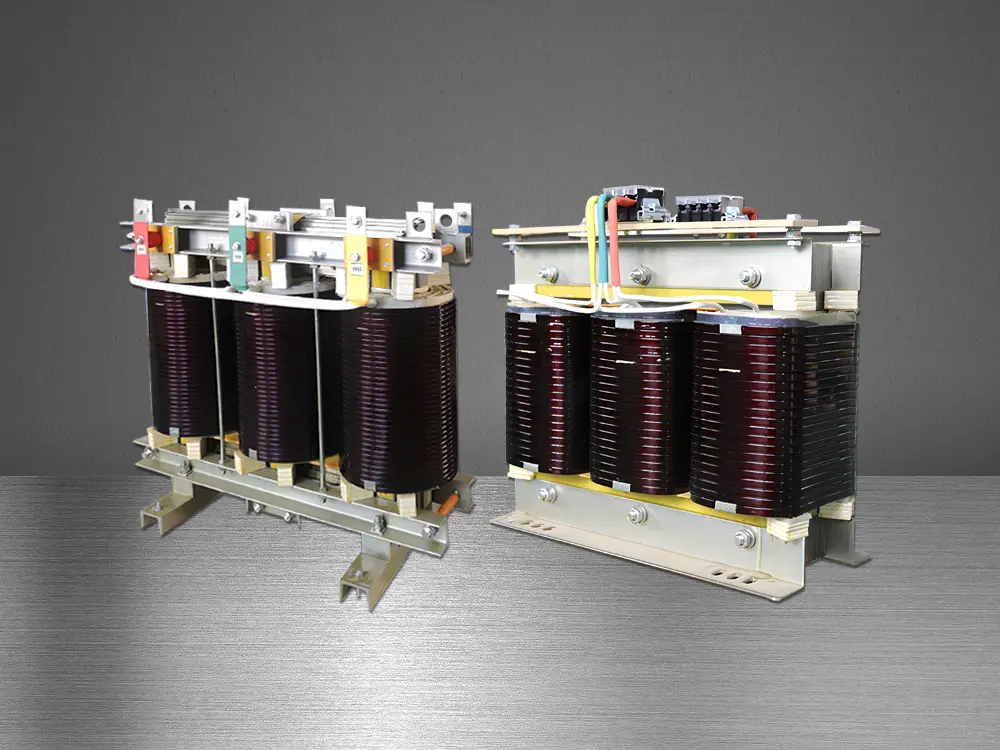 Three-Phase Isolation Transformer
 Control Transformer
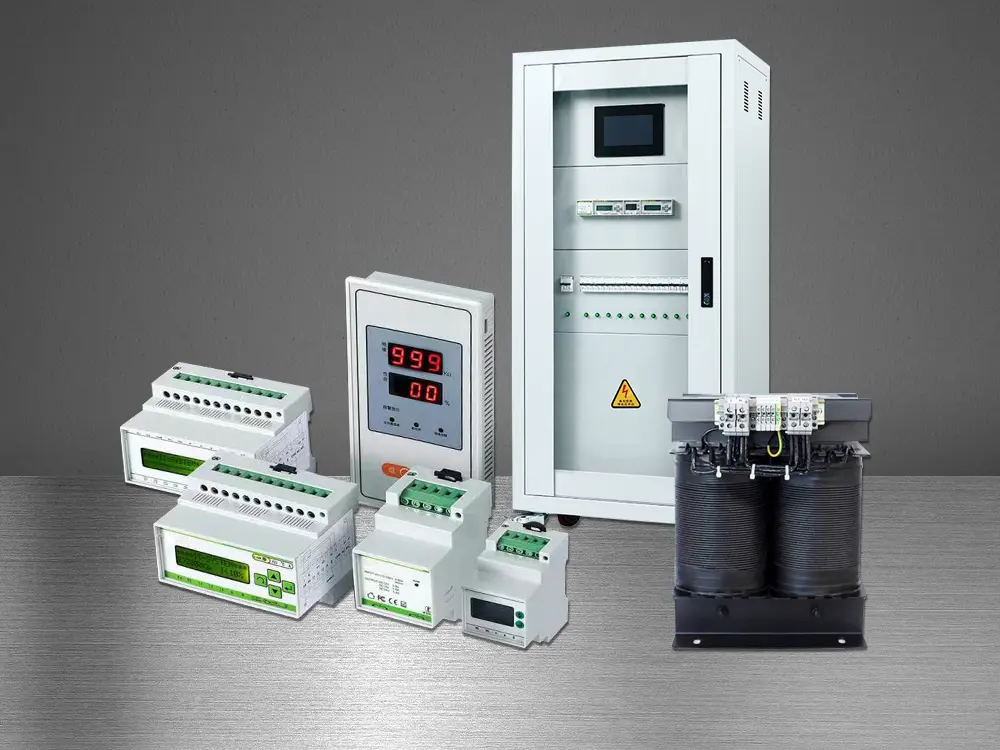 Medical IT Isolated Power System
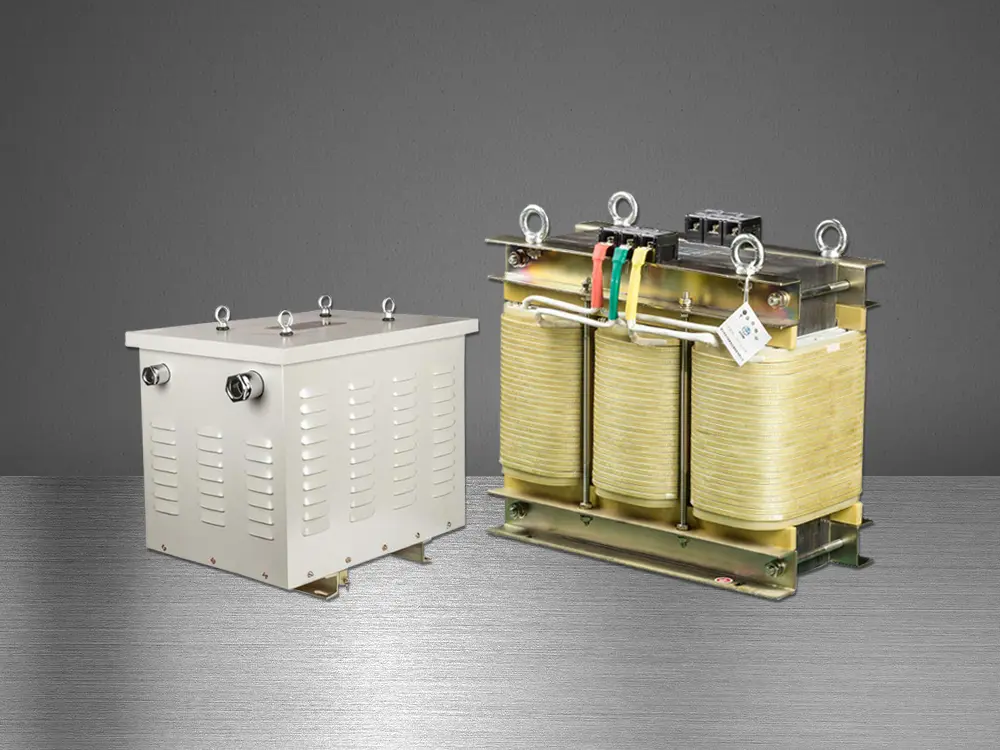 Marine Transformer
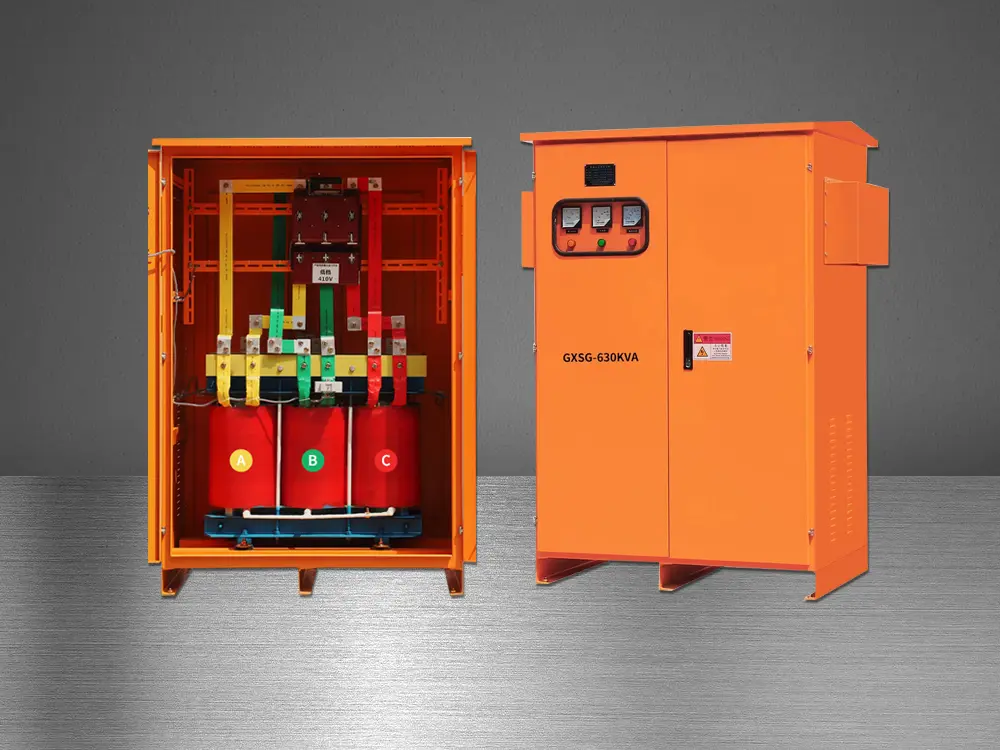 Tunnel Transformer
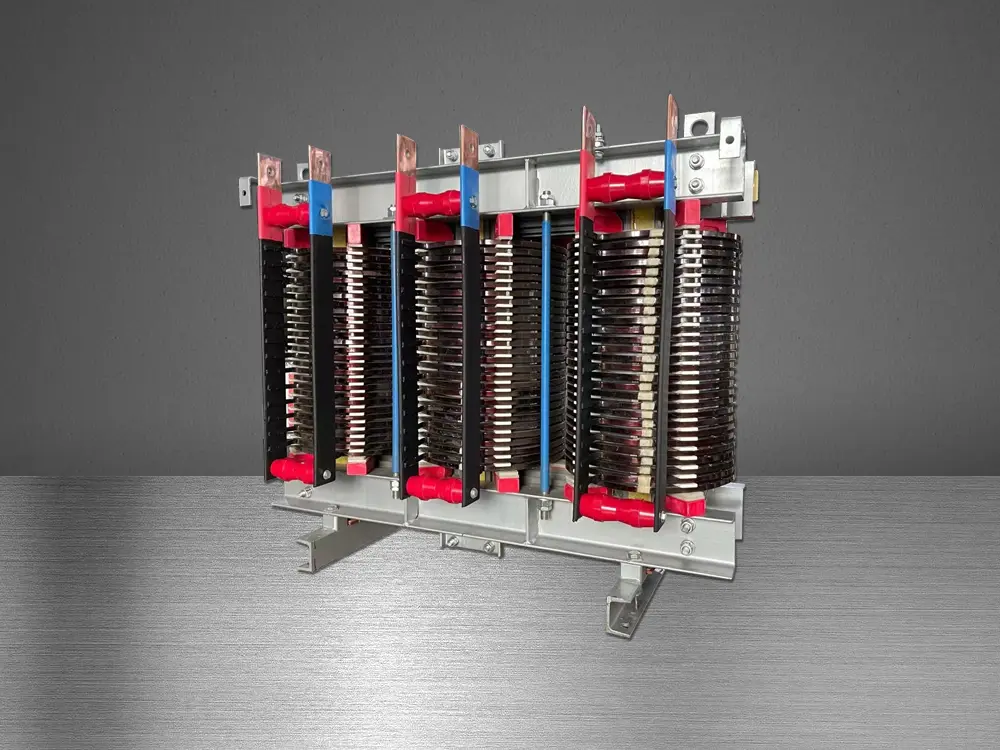 High Current Transformer
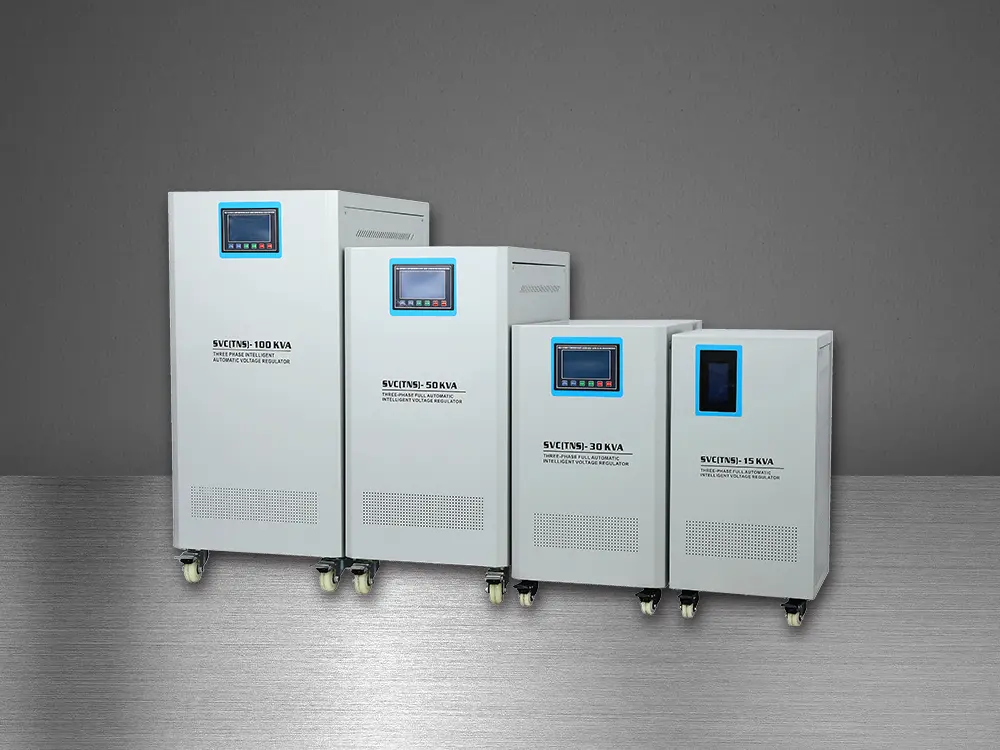 Automatic Voltage Regulator
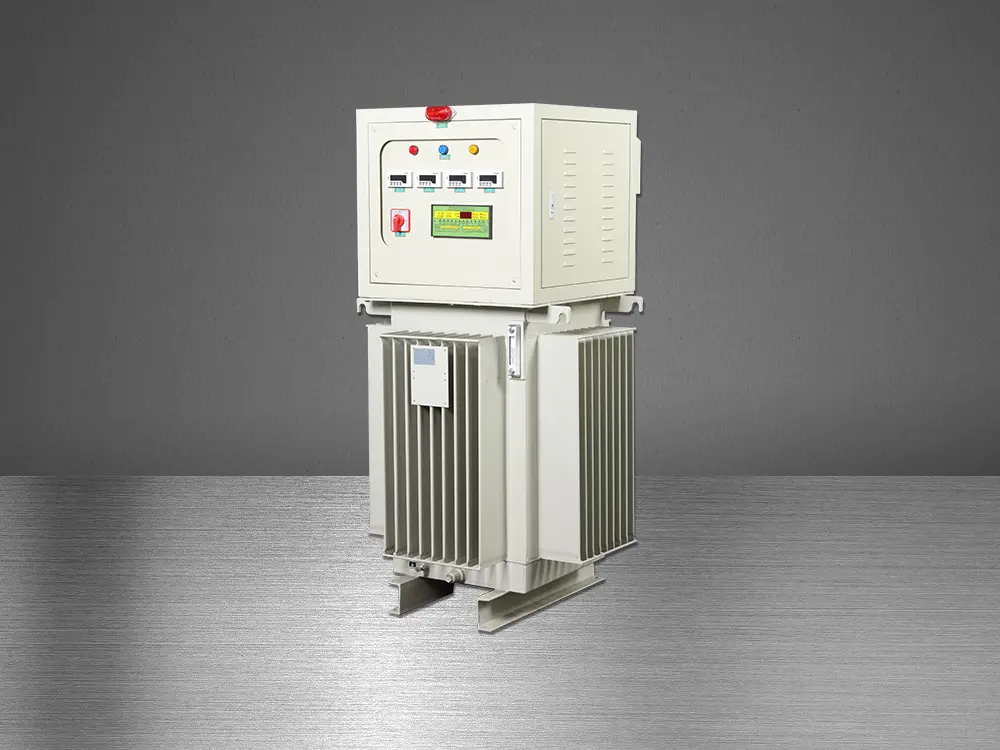 Oil Immersed Voltage Regulator