How to Choose the Best Portable Voltage Regulator for Your Needs?
Choosing the right portable voltage regulator can be challenging. With so many options, finding the perfect fit for your needs is essential. Renowned expert in electrical engineering, Dr. Emma Wilson, emphasizes, "Not all portable voltage regulators are created equal."
When selecting a portable voltage regulator, consider your specific power requirements. Different devices require different voltages. It’s crucial to match the regulator to the load. Many users overlook this aspect, leading to inefficiencies. Moreover, portability should not compromise functionality.
Users often find themselves torn between size and power. A compact model may seem appealing but could lack the necessary output for high-demand applications. Reflecting on these details can prevent costly mistakes. Ultimately, your choice should combine reliability and practicality, ensuring your devices receive the correct voltage in any situation.
Understanding Voltage Regulators and Their Importance
Voltage regulators are crucial for ensuring steady power supply. They protect devices from voltage fluctuations. Such fluctuations can harm sensitive electronics. They can cause data loss or permanent damage. Without a reliable voltage regulator, risks increase significantly.
Choosing the right model requires understanding your needs. Consider the voltage and current requirements of your devices. Some regulators might not handle surges effectively. This can lead to unexpected failures. Look for features like overload protection and compact design. These elements are important for long-term use.
Portable voltage regulators should be easy to use. You want something lightweight and reliable. However, not all models provide clear instructions. This can create frustration for users. Test the regulator before relying on it for critical tasks. Pay attention to how well it maintains stability. If it consistently underperforms, reassess your choice. Understanding these nuances will enhance your experience.
Key Features to Consider When Choosing a Portable Voltage Regulator
Choosing the right portable voltage regulator is crucial to ensure equipment safety. When evaluating options, consider the voltage range. Many devices require a specific input voltage to function effectively. Finding a regulator that meets this need is essential. According to industry reports, about 30% of equipment damage stems from voltage fluctuations.
Another key feature is the power capacity. It’s vital to select a regulator that can handle the wattage of your devices. Exceeding the capacity may cause performance issues. Reports indicate that improper power management can reduce device lifespan by up to 40%.
Tips: Always check the regulator's specifications. Make sure it aligns with your devices. Look for built-in surge protection for added safety. If your devices are sensitive, consider one with low dropout voltage. Experiment with different models if unsure, as results can vary in real-world scenarios. Remember, not every regulator will fit your unique needs perfectly.
Types of Portable Voltage Regulators and Their Applications
When selecting a portable voltage regulator, understanding the different types available is essential. There are mainly three categories: linear, switch-mode, and ferroresonant regulators. Linear regulators provide stable voltage with low noise, making them ideal for sensitive equipment. However, they may not be efficient in dealing with large voltage drops. Switch-mode regulators are more efficient and can handle higher loads, but they may introduce noise, which could affect some devices. Ferroresonant regulators work well in areas with fluctuating voltage, offering a buffer against spikes.
Tips for choosing a voltage regulator include assessing your power requirements. Consider the voltage ranges your devices need. If you have a variety of equipment, ensure the regulator can accommodate each one. Check the input voltage as well, since a mismatch can result in poor performance.
Choosing a portable voltage regulator proves challenging. Users often overlook the importance of weight and size. A bulky unit may not fit well in a travel bag. Always consider the environment where you’ll use the device. Will you be outdoors or in a workshop? This can significantly affect your choice of voltage regulator. Be cautious; what works for one situation may not suit another.
How to Choose the Best Portable Voltage Regulator for Your Needs? - Types of Portable Voltage Regulators and Their Applications
| Type of Voltage Regulator |
Input Voltage Range |
Output Voltage |
Power Rating |
Typical Applications |
| Linear Voltage Regulator |
10V - 30V |
5V |
1A |
Small electronic devices, hobby projects |
| Switching Voltage Regulator |
12V - 24V |
5V, 12V |
2A |
Laptops, cordless tools |
| Automatic Voltage Regulator (AVR) |
220V ± 20% |
220V |
5kVA |
Generators, industrial equipment |
| Portable Inverter |
12V |
110V AC |
300W |
Camping, outdoor electronics |
| Buck Converter |
5V - 30V |
3.3V, 5V |
3A |
Microcontrollers, battery-powered devices |
Assessing Power Requirements for Your Devices
When selecting a portable voltage regulator, consider the power requirements of your devices carefully. Most devices have specific voltage and wattage ratings. For example, a standard laptop typically requires 60 to 90 watts to operate efficiently. Understanding these specifications helps you choose a regulator that meets your needs.
Tips: Always check the watts before purchase. This can save you from potential damage.
Additionally, assess how many devices you'll run simultaneously. A small, lightweight regulator might suffice for charging a single phone. However, if you’re powering multiple devices, you may need something with higher capacity. Industry data indicates that overloading a regulator can lead to overheating and reduced lifespan.
Tips: Consider a regulator with surge protection features. This can prevent costly repairs or replacements.
Power demand fluctuates. Therefore, plan for the future. With new devices constantly being introduced, you might upgrade soon. Choose a regulator that has some excess capacity beyond your current needs. This foresight can provide better reliability over time.
Power Requirements Assessment for Portable Voltage Regulators

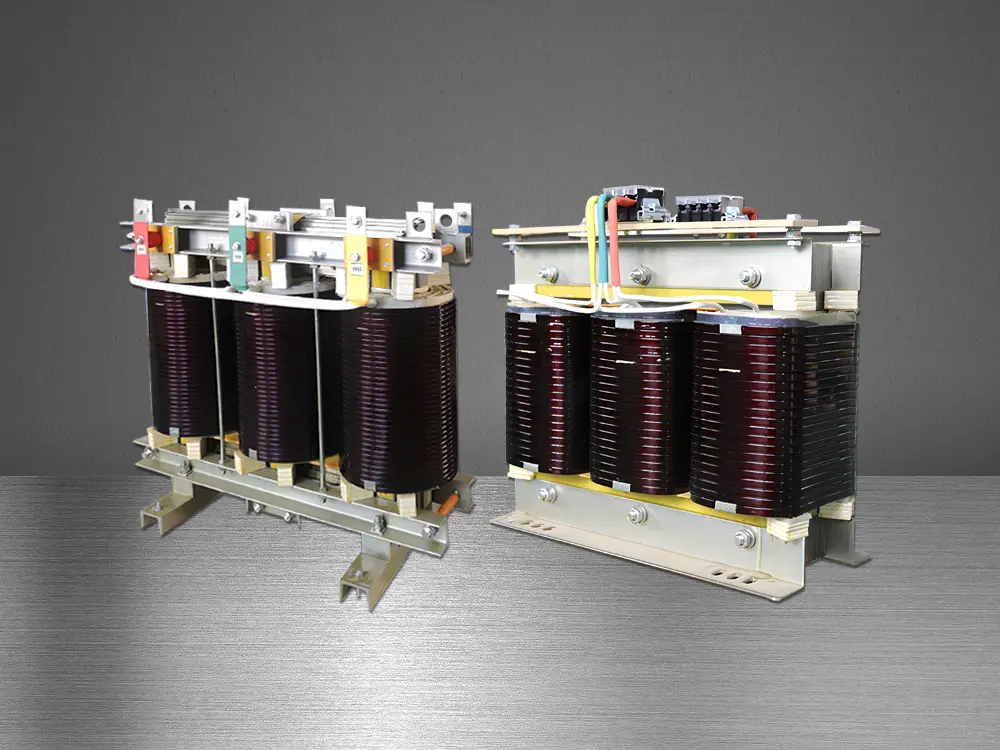 Three-Phase Isolation Transformer
 Control Transformer
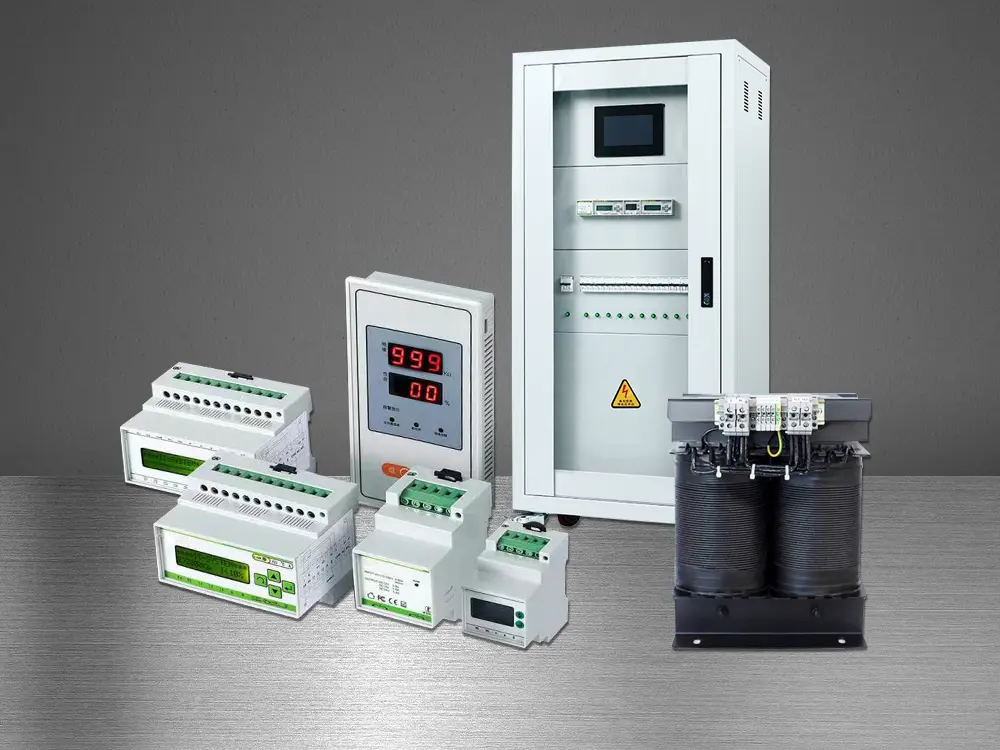 Medical IT Isolated Power System
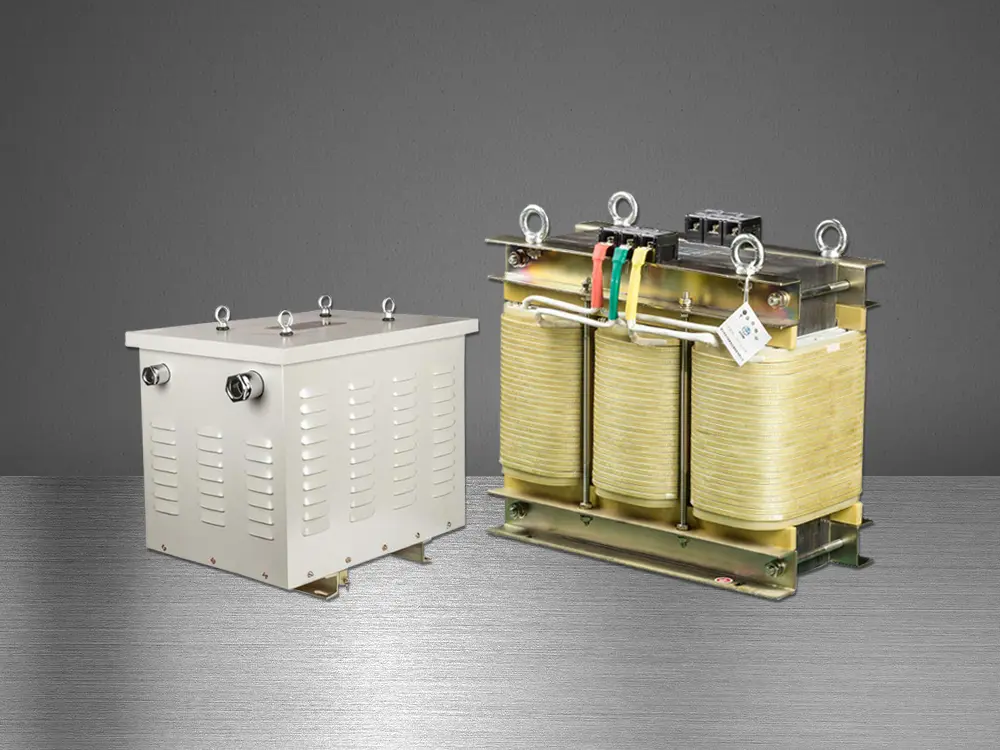 Marine Transformer
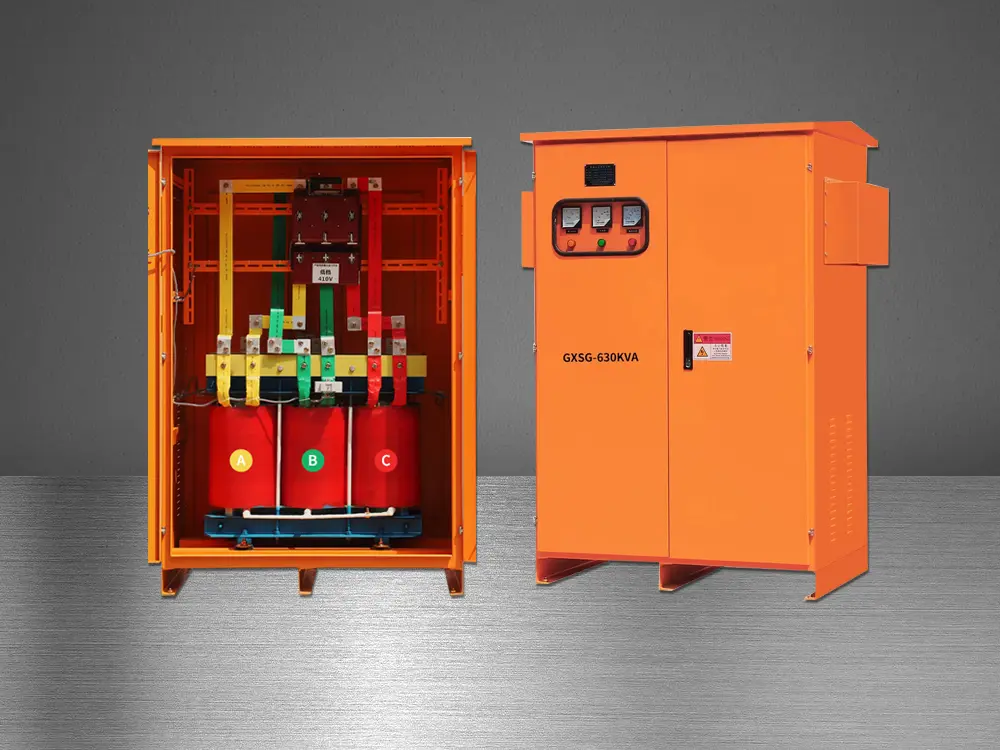 Tunnel Transformer
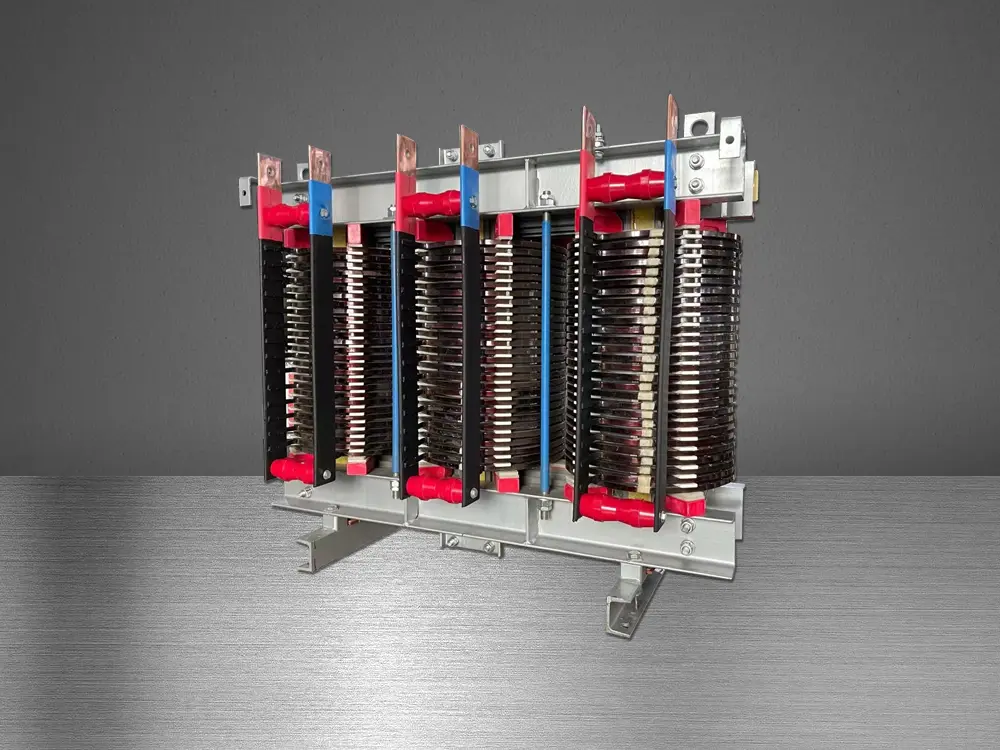 High Current Transformer
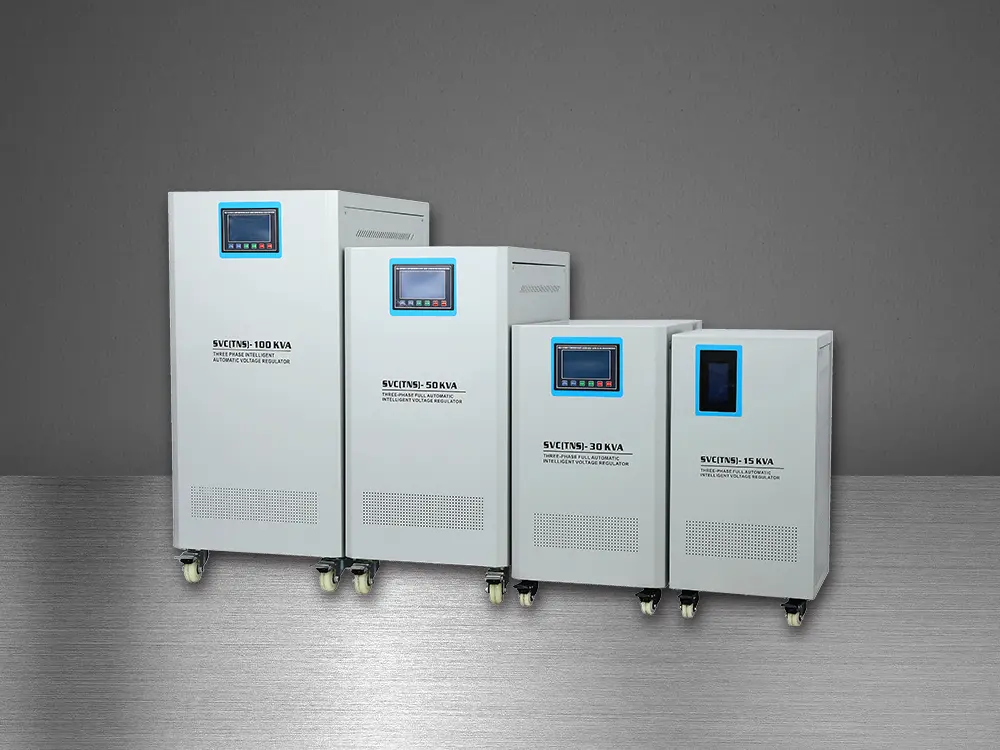 Automatic Voltage Regulator
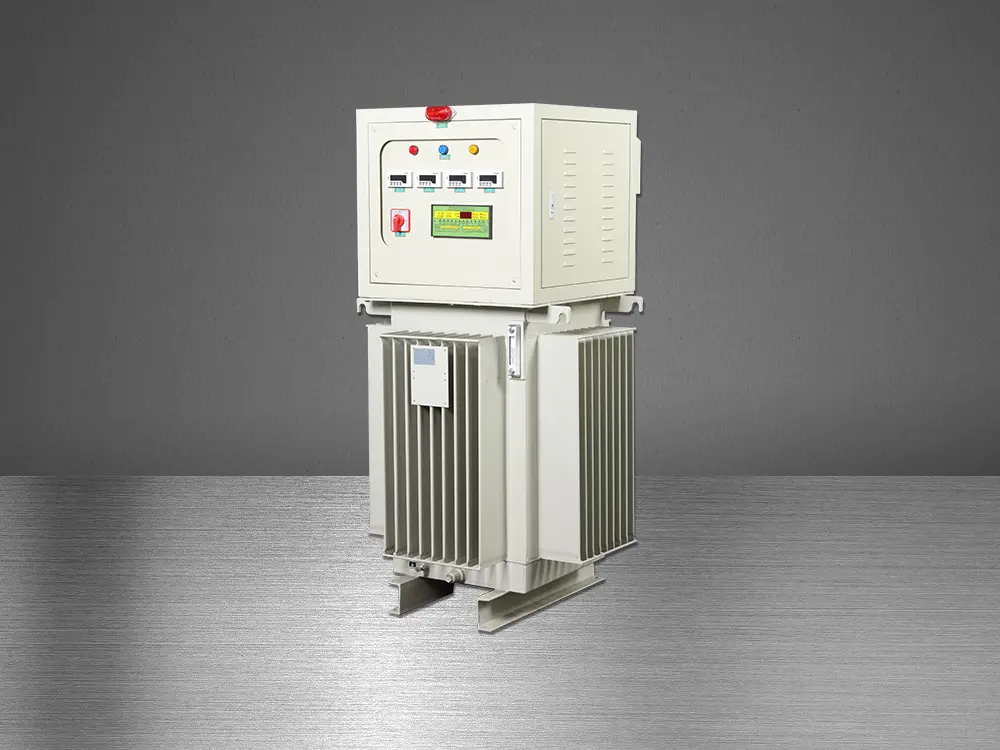 Oil Immersed Voltage Regulator