Top 10 Benefits of Using Automatic Voltage Regulators for Buyers
In today’s world, the stability of electrical power is crucial for both businesses and homes. Many face issues with fluctuating voltages, leading to damaging consequences. An Automatic Voltage Regulator (AVR) can be a game changer. This device maintains consistent voltage levels, providing a safeguard against unpredictable conditions.
Investing in an AVR may seem straightforward. Yet, buyers often overlook its profound impact. The benefits extend beyond simple voltage regulation. From enhancing the lifespan of appliances to reducing energy costs, an AVR offers substantial returns on investment. Additionally, it improves overall energy efficiency, making it an attractive option for conscious customers.
However, potential buyers must navigate the complexities of selecting the right AVR. Not every model fits every need. Reflecting on the specific requirements of your electrical system is key. Understanding the capacities and features of different regulators can be overwhelming. It requires careful consideration and research. This guide highlights the top ten benefits of using an Automatic Voltage Regulator, helping buyers make informed decisions.

Understanding Automatic Voltage Regulators and Their Functionality
Automatic Voltage Regulators (AVRs) are essential for maintaining stable electrical power. They automatically adjust voltage levels, ensuring a consistent power supply. The primary function of these devices is to protect electrical equipment from voltage fluctuations. This stability is especially crucial in industries where sensitive electronics operate continuously.
AVRs work by monitoring voltage levels in real-time. When fluctuations occur, they respond almost instantly. This ability reduces the risk of
damage to valuable equipment. Without proper regulation, appliances may overheat or malfunction. Many appreciate the peace of mind that comes with reliable voltage management. It's critical for businesses that rely on uninterrupted power.
However, AVRs are not infallible. Issues can arise, such as response delays or equipment compatibility problems. Users may find themselves puzzled if their AVR fails to correct a voltage spike. Understanding these limitations is important.
Knowledgeable users should periodically check device functionality to ensure optimal performance. Keeping maintenance records can also help identify patterns in AVR effectiveness.
Enhancing Equipment Longevity with Voltage Regulation Technologies
Automatic Voltage Regulators (AVRs)
play a critical role in enhancing the longevity of electrical equipment. These devices maintain stable voltage levels, protecting equipment from voltage fluctuations.
Inconsistent voltage can cause wear and tear on sensitive components, leading to premature failure.
For example, motors and computers thrive in stable voltage conditions. An AVR ensures that these machines operate optimally over time.
Investing in an AVR involves considering both short-term and long-term benefits. Equipment can operate more efficiently, reducing energy costs.
However, many users overlook potential losses due to unregulated voltage conditions.
Over time, frequent damage can lead to costly repairs or replacements. Understanding the importance of voltage regulation can encourage buyers to seek reliable solutions that extend the lifespan of their equipment.
While AVRs offer significant advantages, not all users leverage them effectively. Some may install them but fail to maintain or calibrate regularly.
This oversight can diminish their protective capabilities. Proper installation and routine checks are essential.
A well-functioning AVR will save money and contribute to a more sustainable operational environment.
Boosting Energy Efficiency Through Automatic Voltage Regulation
Automatic voltage regulators (AVRs) play a crucial role in optimizing energy efficiency. They ensure that electrical appliances receive a consistent voltage. This regulation minimizes energy waste, enabling devices to operate at their highest performance levels. With reduced voltage fluctuations, the lifespan of appliances tends to increase, leading to cost savings over time.
Incorporating AVRs into systems can reduce electricity bills. Appliances work better without the stress of uneven voltage. This can sometimes lead users to expect flawless operation. However, AVRs aren’t a magical solution. Proper installation and regular maintenance are vital to achieve the best results.
Energy efficiency boosts also contribute positively to environmental sustainability. By reducing energy waste, AVRs help lower carbon footprints. While AVRs can enhance productivity, they require an upfront investment. Reflecting on their long-term benefits versus initial costs is essential for informed decision-making. Every piece of equipment deserves the best operating conditions to thrive.
Top 10 Benefits of Using Automatic Voltage Regulators for Buyers - Boosting Energy Efficiency Through Automatic Voltage Regulation
| Benefit |
Description |
Energy Savings (%) |
Impact on Equipment |
| Improved Equipment Longevity |
Regulates voltage to minimize stress on electronic devices. |
15% |
Reduces wear and tear, prolongs lifespan. |
| Energy Efficiency |
Optimizes power usage, reducing overall energy expenses. |
20% |
Less energy wasted during voltage fluctuations. |
| Voltage Stability |
Provides stable voltage output regardless of input variations. |
N/A |
Ensures safe operation of sensitive equipment. |
| Reduced Downtime |
Minimizes interruptions caused by electrical issues. |
25% |
Increases productivity and efficiency. |
| Cost-effectiveness |
Reduces maintenance costs associated with repairs. |
10% |
More budget-friendly in the long run. |
| Enhanced Safety |
Protects against electrical surges and spikes. |
N/A |
Promotes a safer working environment. |
| Environmental Impact |
Contributes to reduced carbon footprint through efficiency. |
5% |
Supports sustainability efforts. |
| Regulatory Compliance |
Helps businesses meet electrical standards and regulations. |
N/A |
Reduces risk of penalties from non-compliance. |
| User-Friendly Operation |
Often equipped with straightforward controls and displays. |
N/A |
Easy to monitor and manage. |
Minimizing Downtime with Reliable Voltage Stability Solutions
Automatic Voltage Regulators (AVRs) play a critical role in maintaining voltage stability. They ensure that industrial equipment runs smoothly. This technology minimizes downtime caused by voltage fluctuations. In a recent study, nearly 80% of businesses reported operational interruptions due to unstable voltage levels.
Installing AVRs can significantly reduce these interruptions. Data suggests that companies using AVRs can improve operational efficiency by 25%. This improvement stems from reduced wear and tear on machinery. Moreover, consistent voltage levels lead to less frequent repairs and lower maintenance costs. It's essential for businesses to assess their power quality regularly.
However, not all AVRs are created equal. Some may underperform, leading to unforeseen expenses. Regular audits of AVR systems are crucial. Monitoring their efficiency can reveal lingering issues needing attention. Properly calibrated AVRs can safeguard your investment and reduce costs over time. Ultimately, achieving reliable voltage stability is not just about installation; it involves continuous evaluation and adjustment.
Top 10 Benefits of Using Automatic Voltage Regulators
Cost Savings and Financial Benefits of Using Voltage Regulators
Automatic voltage regulators (AVRs) play a crucial role in maintaining electrical systems' stability. Many businesses are unaware of how these devices can enhance financial outcomes. Proper voltage regulation can prevent equipment malfunction. This not only saves repair costs but extends the lifespan of machinery. Research indicates that companies using AVRs report up to 30% fewer equipment failures.
Energy efficiency is another critical area where AVRs shine. According to the U.S. Department of Energy, voltage fluctuations can lead to energy wastage, sometimes exceeding 10%. By stabilizing voltage, AVRs can reduce energy consumption significantly. Over time, this translates into notable cost savings on electricity bills. Some studies suggest a reduction in energy costs by approximately 15% annually for businesses equipped with AVRs.
Installation of AVRs may involve upfront costs. Yet, businesses often overlook the long-term benefits that arise from their use. Financial analysis shows that the return on investment (ROI) for installing AVRs can reach over 200%. While every system is unique, many organizations find that the operational efficiency gained justifies initial expenses. Investing in AVRs can lead to notable savings, improved performance, and a more stable financial outlook for companies.

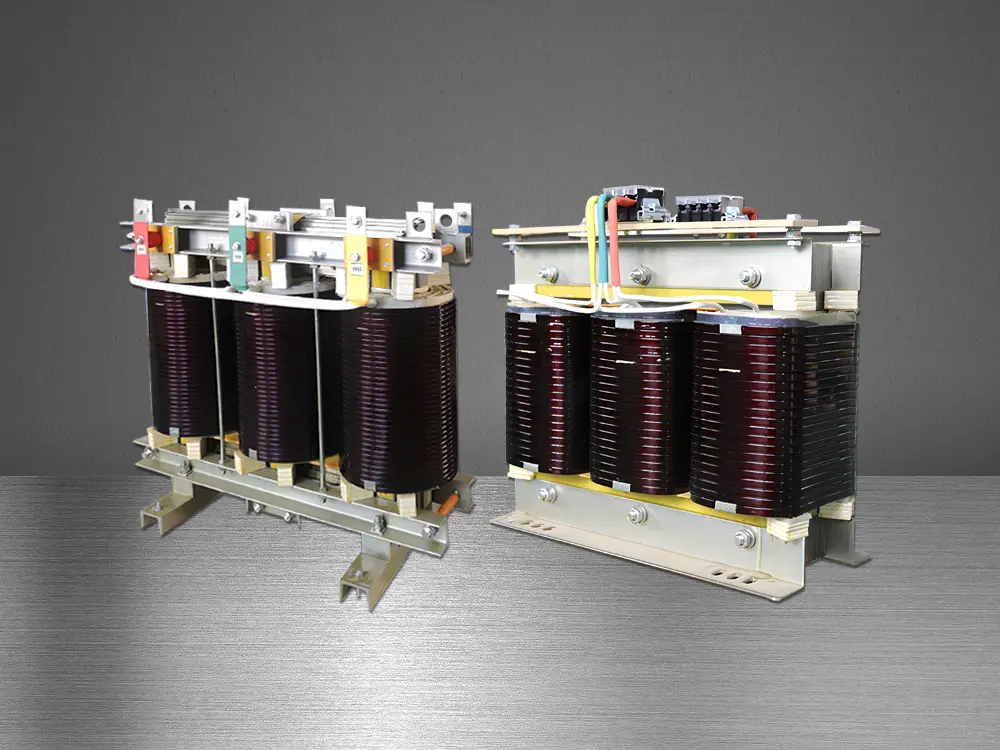 Three-Phase Isolation Transformer
 Control Transformer
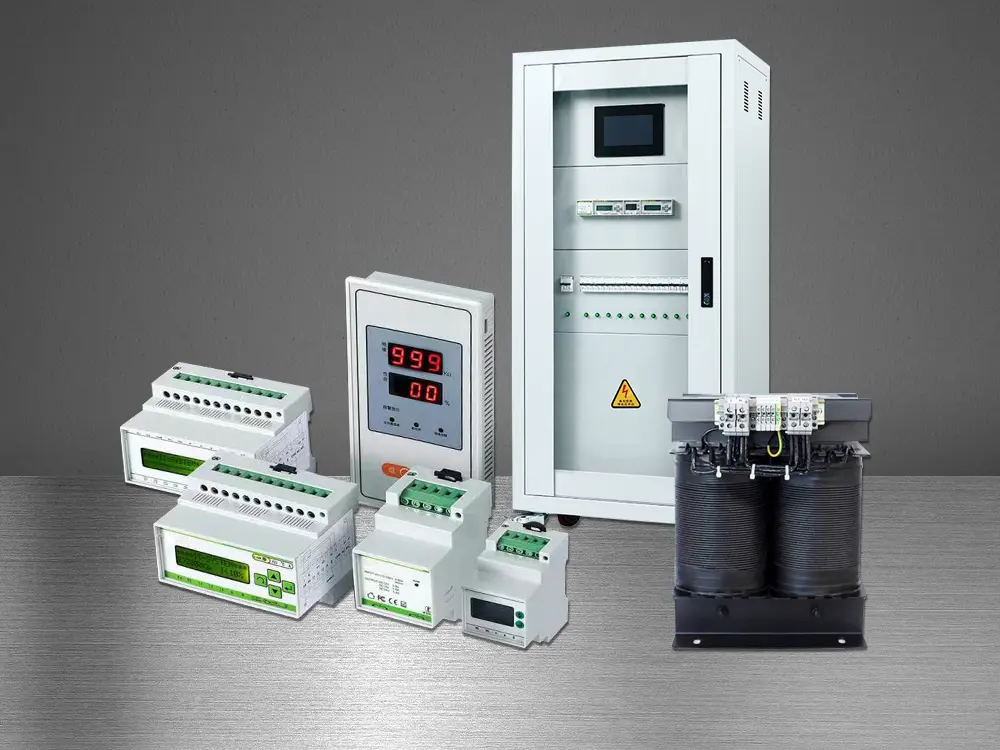 Medical IT Isolated Power System
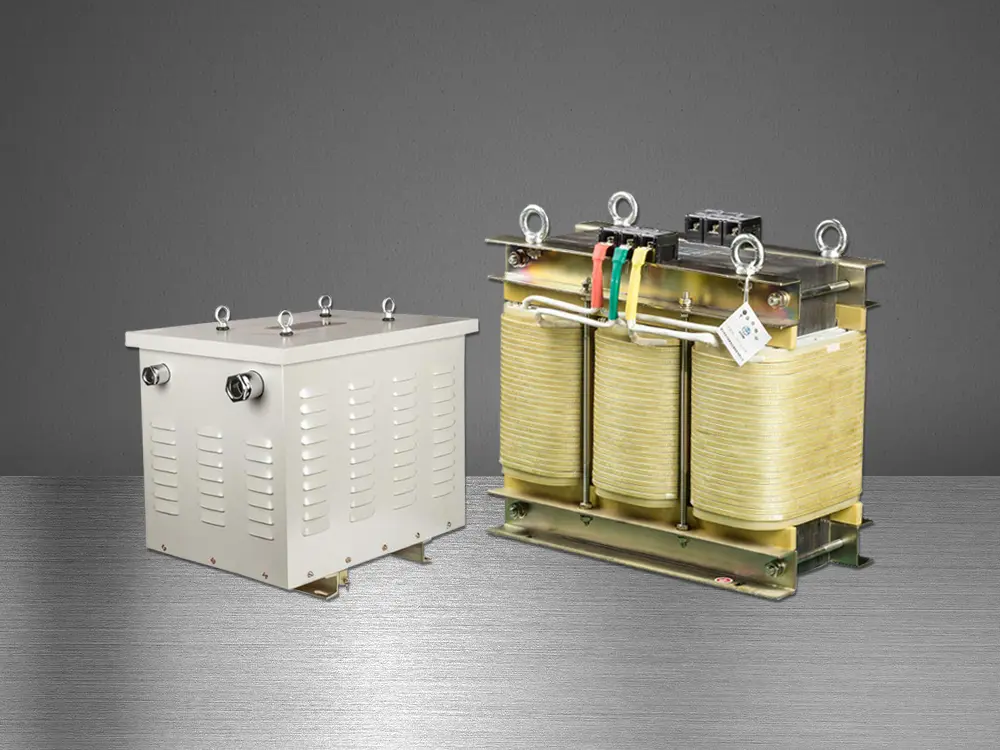 Marine Transformer
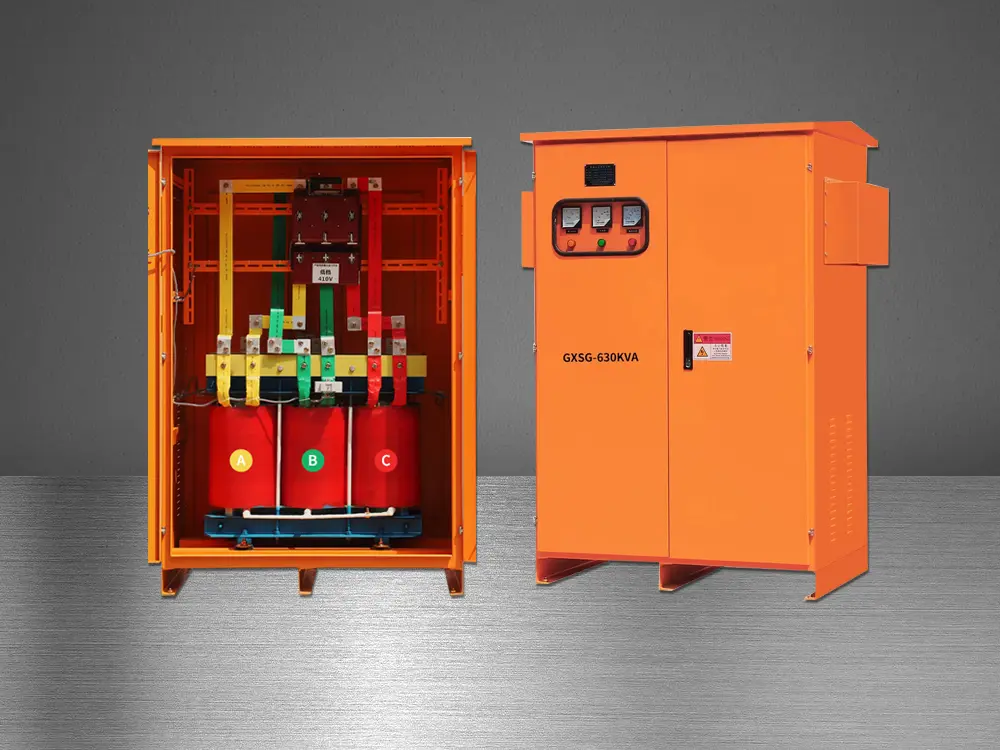 Tunnel Transformer
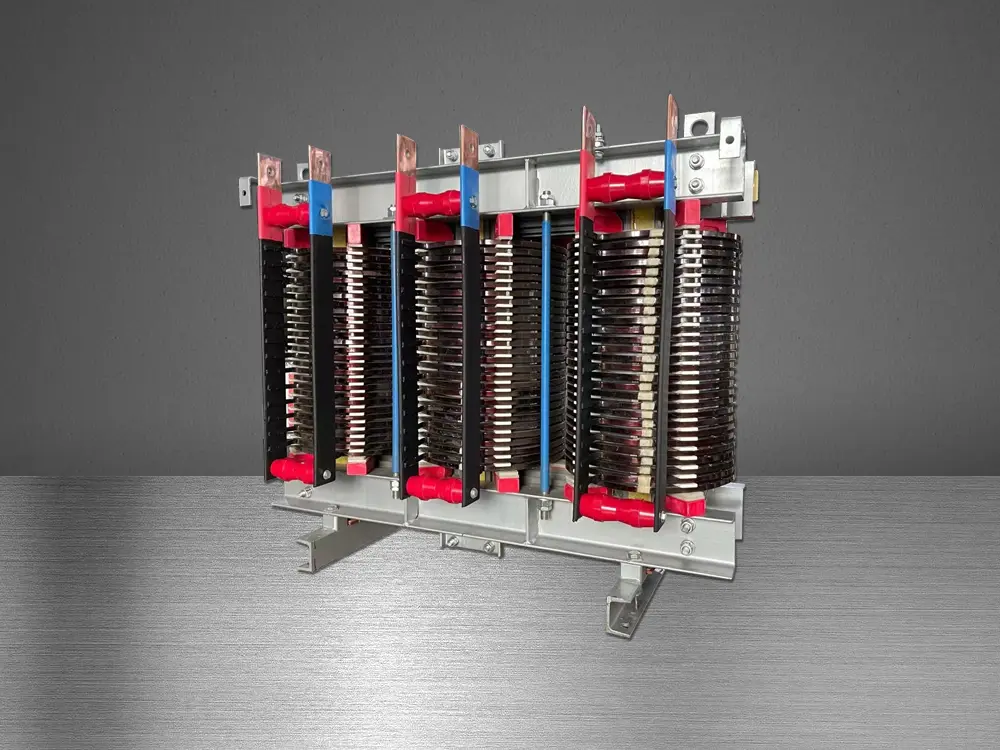 High Current Transformer
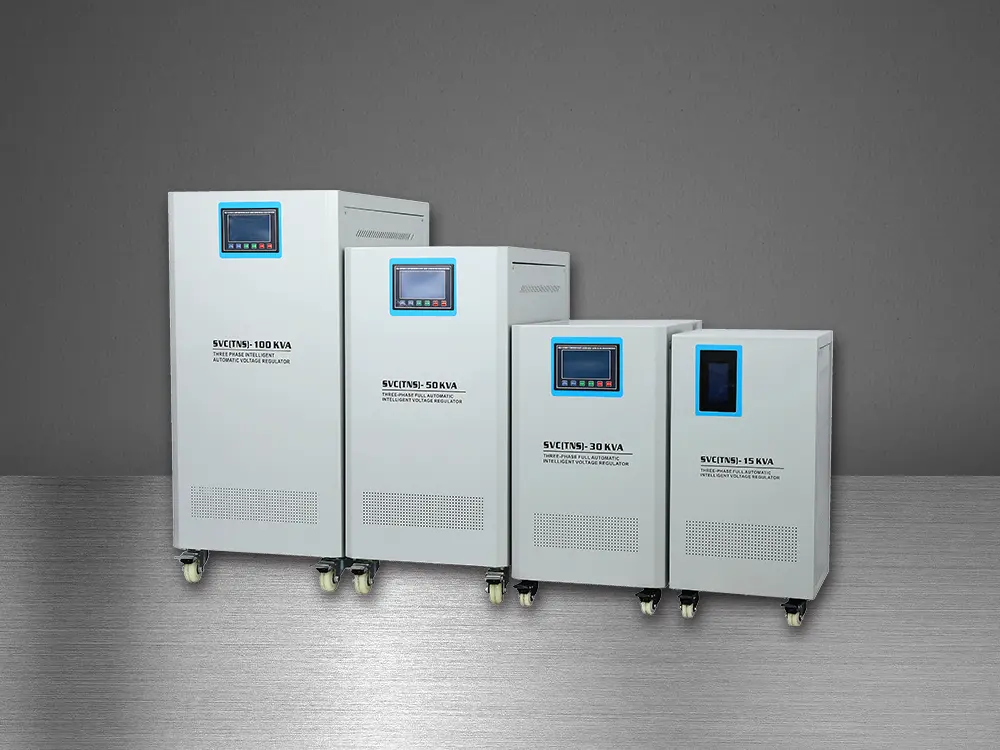 Automatic Voltage Regulator
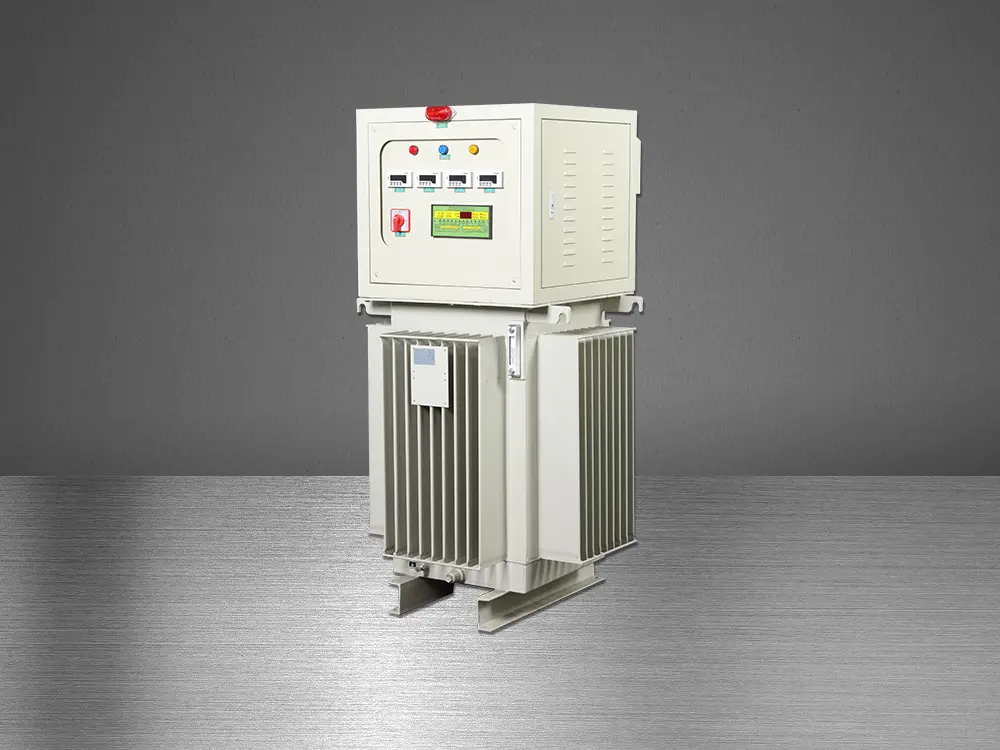 Oil Immersed Voltage Regulator