Top 10 Benefits of Power Supply Isolation Transformers for Your Systems?
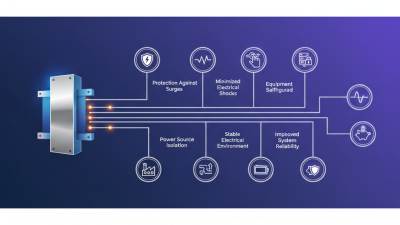
In today's rapidly evolving technological landscape, the role of the Power Supply Isolation Transformer is paramount. These transformers play a critical role in enhancing system reliability and protecting sensitive equipment. By providing isolation, they reduce the risk of electrical interference and ensure stable operation.
The benefits of Power Supply Isolation Transformers go beyond mere functionality. They help mitigate electrical noise, which is vital in precision environments like medical and telecommunications systems. Additionally, their capacity to protect against voltage spikes can prevent costly equipment damage. Users often notice improvements in overall performance and safety.
However, while the advantages are clear, some may overlook the importance of correct installation and maintenance. A poorly implemented Power Supply Isolation Transformer can lead to unexpected issues. It's essential to consider both the benefits and challenges to maximize effectiveness in any system.
Understanding Power Supply Isolation Transformers: An Overview
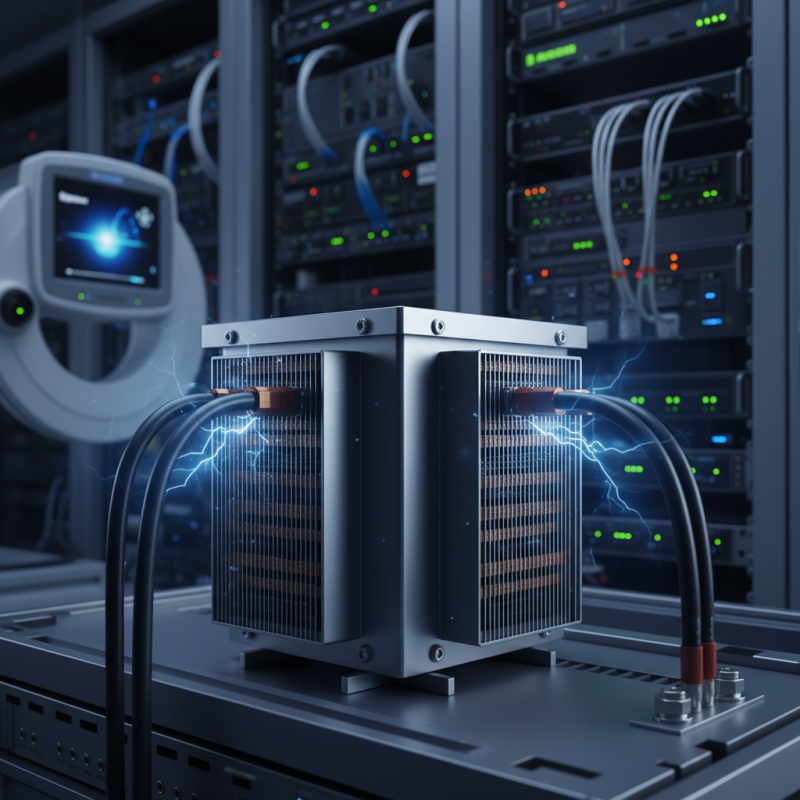
Power supply isolation transformers serve a crucial role in enhancing the performance of electrical systems. These transformers separate the input and output circuits, ensuring that any disturbances on one side do not affect the other. This isolation minimizes noise and interference, leading to cleaner power and improved reliability for sensitive equipment. A well-designed isolation transformer can significantly reduce the risk of damage from surges or electrical faults.
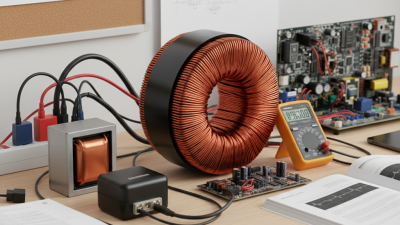
Understanding the technical aspects is vital. Isolation transformers help in voltage regulation. They maintain consistent voltage levels, which is critical for equipment longevity. These transformers often feature shielded designs that enhance performance. This further protects electronic devices from electromagnetic interference. Users sometimes overlook the importance of proper grounding. A grounding approach can be vital in maintaining safety and reliability.
Using these transformers can lead to improved efficiency, yet some systems may not be optimal for isolation. Compatibility with existing infrastructure should be assessed. In certain scenarios, installation could be complex and require expert guidance. Users might face challenges in selecting the right specifications, leading to potential inefficiencies. Balancing costs with advantages is essential for decision making.
Key Benefits of Electrical Isolation in Sensitive Equipment
Electrical isolation is crucial for sensitive equipment. Power supply isolation transformers provide a barrier between input and output, minimizing noise and interference. This is especially vital in environments with electromagnetic interference (EMI). According to a report by the IEEE, up to 15% of equipment failures in sensitive systems are attributed to electrical noise.
Isolation transformers also enhance safety. They reduce the risk of electrical shock by isolating the user from high-voltage circuits. Data from the National Institute for Occupational Safety and Health indicate that electrical injuries account for 10% of all workplace accidents. Isolated systems can effectively cut this statistic in many industries.
Moreover, these transformers can improve equipment lifespan. By reducing voltage spikes and fluctuations, they help maintain optimal operating conditions. The Electronics Industries Alliance reports that consistent voltage levels can extend the life of electronic components by up to 25%. This is vital for reducing long-term operational costs and minimizing downtime for sensitive equipment.
Top 10 Benefits of Power Supply Isolation Transformers
Enhancing Safety: Risk Reduction and Protection Mechanisms
Power supply isolation transformers play a crucial role in enhancing safety within electrical systems. They provide critical risk reduction measures that protect both equipment and personnel. According to a report by the Institute of Electrical and Electronics Engineers (IEEE), proper isolation can dramatically decrease electrical hazards. These transformers help to separate the electrical circuit, minimizing the potential for short circuits or catastrophic failures.
Isolation transformers also reduce noise from electrical interference. This noise can lead to malfunctions in sensitive equipment. By mitigating these disturbances, systems can operate with greater reliability. Data from the National Fire Protection Association (NFPA) indicates that electrical failures account for approximately 30% of industrial fires. Implementing isolation transformers can lower these risks, safeguarding both people and property.
While the benefits of isolation transformers are significant, challenges remain. Not all systems require them, and improper installation could introduce new risks. Regular maintenance is crucial; neglecting this can lead to performance issues. Addressing these flaws requires ongoing evaluation and expertise. Organizations must weigh the necessity and efficacy of such systems against potential drawbacks.
Improving Power Quality: Reduction of Noise and Voltage Fluctuations
Power supply isolation transformers play a critical role in enhancing power quality by minimizing noise and voltage fluctuations. These transformers electrically separate the input power source from sensitive equipment, effectively blocking high-frequency noise. This separation is crucial in environments with heavy machinery or electronic devices that generate interference. For example, in medical or testing equipment, clean power prevents false readings and prolongs device life. Noise reduction means less risk of data corruption, improving overall system reliability.
Voltage fluctuations can cause serious damage or interruptions to delicate systems. Isolation transformers smooth out these irregularities by providing a stable output voltage. This stability helps protect microprocessors and communication devices, which react poorly to sudden voltage shifts. However, isolation transformers are not a perfect solution. They add weight and cost and may require space that is not always available. These issues prompt engineers to carefully balance their use with other power conditioning methods.
Despite these drawbacks, the improved power quality isolation transformers provide is a significant asset. They contribute to safer operations and reduce downtime caused by electrical disturbances. From my experience, early testing of system compatibility can reveal whether an isolation transformer will deliver the expected benefits. This step is often overlooked, leading to underwhelming results or unexpected challenges in implementation.
Top 10 Benefits of Power Supply Isolation Transformers for Your Systems
| Benefit |
Description |
| Improved Power Quality |
Reduces electrical noise and voltage fluctuations that can affect sensitive equipment. |
| Equipment Longevity |
Extends the life of equipment by minimizing stress caused by electrical disturbances. |
| Enhanced Safety |
Isolates the electrical supply, reducing the risk of electric shock hazards. |
| Reduced Electromagnetic Interference (EMI) |
Minimizes EMI, which can disrupt the function of adjacent electronics. |
| Better Load Distribution |
Helps distribute power evenly, improving system efficiency. |
| Lower Maintenance Costs |
Reduces wear and tear on machinery, leading to fewer maintenance issues. |
| Flexibility in Managing Loads |
Allows for diverse load requirements without risking system stability. |
| Compliance with Standards |
Helps achieve compliance with electrical safety and quality standards. |
| Increased System Reliability |
Offers a more stable power supply, enhancing overall system reliability. |
| Noise Reduction |
Significantly reduces noise levels in power delivery, benefiting audio and video equipment. |
Long-Term Cost Savings: Maintenance and Operational Efficiency Enhancements
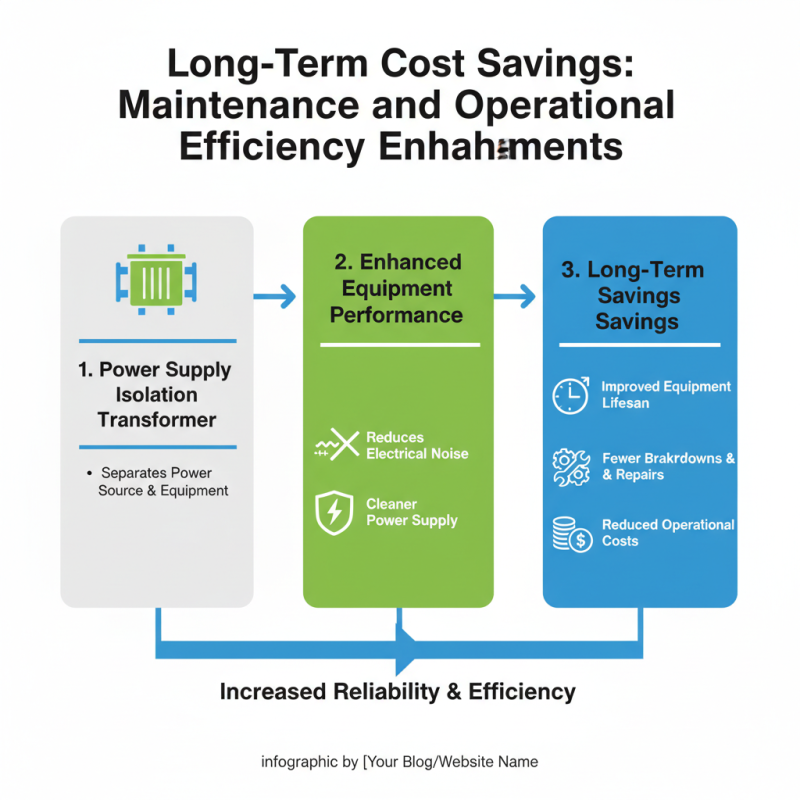
Power supply isolation transformers provide essential benefits that enhance maintenance and operational efficiency. Their design allows for separation between the power source and the equipment, reducing the risk of electrical noise and disturbances. This leads to a cleaner power supply that can greatly improve equipment lifespan. Over time, this results in fewer breakdowns and repairs, ultimately saving costs.
Long-term savings become apparent through reduced maintenance intervals. When equipment operates in a stable electrical environment, wear and tear diminishes. This means fewer parts need replacement, leading to lower operational expenses. Yet, some facilities overlook the initial investment. They focus on upfront costs instead of long-term savings, missing out on the benefits of reliable isolation.
Investing in these transformers is not a one-size-fits-all solution. Some companies face challenges during installation. Incorrect sizing or placement may lead to inefficiencies. Therefore, thorough assessment and planning are crucial. This requires an understanding of specific system needs and equipment requirements.

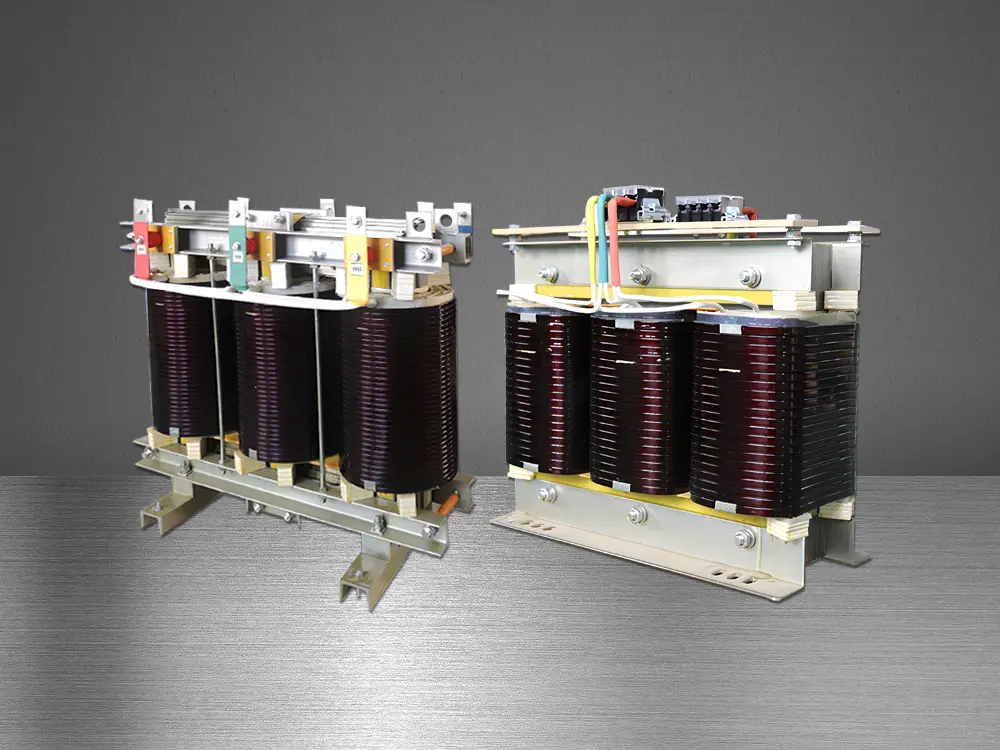 Three-Phase Isolation Transformer
 Control Transformer
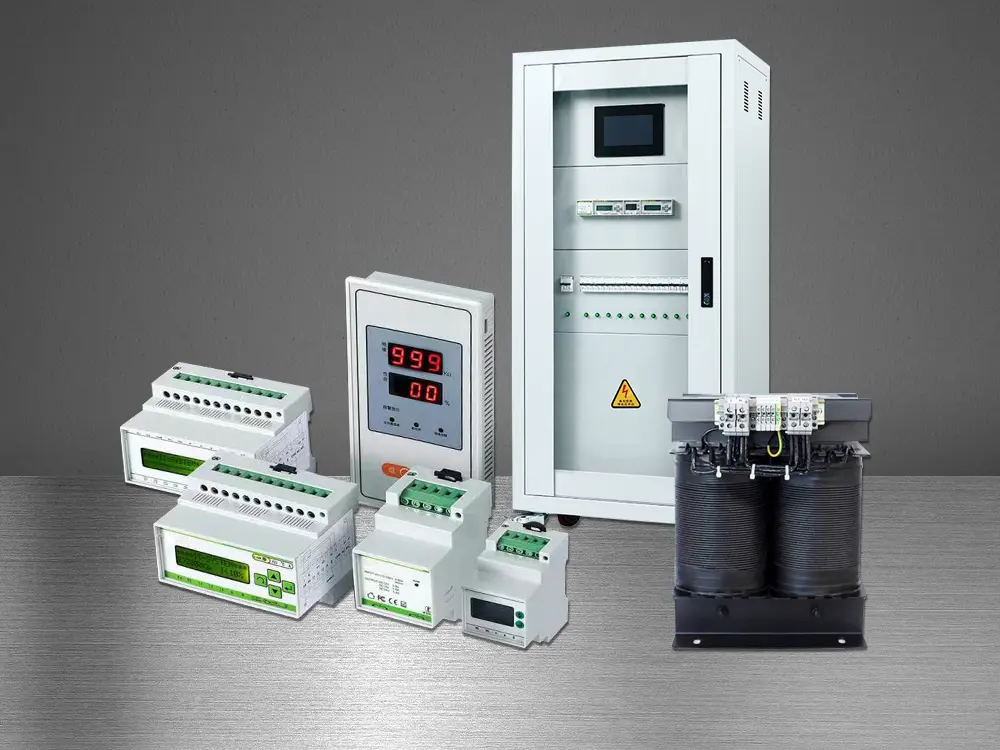 Medical IT Isolated Power System
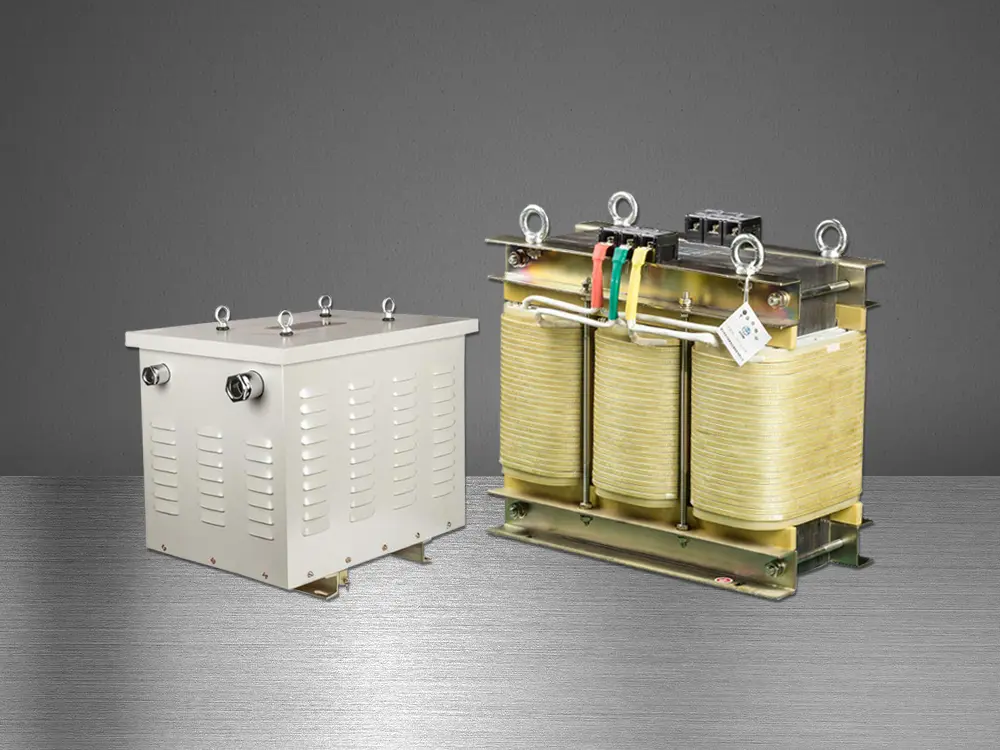 Marine Transformer
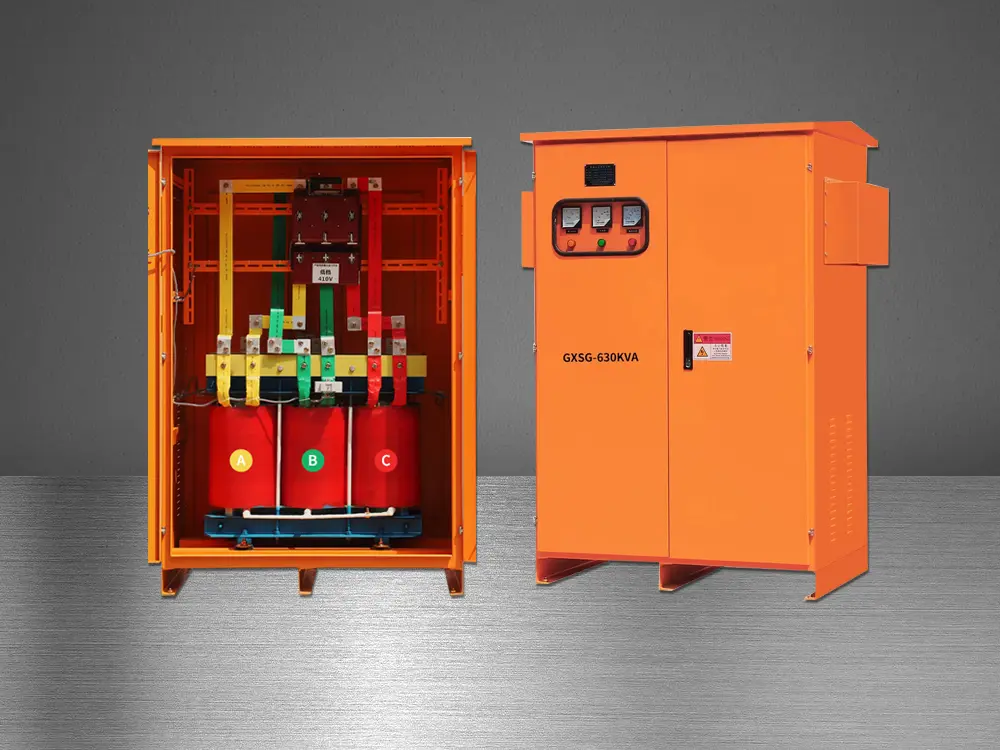 Tunnel Transformer
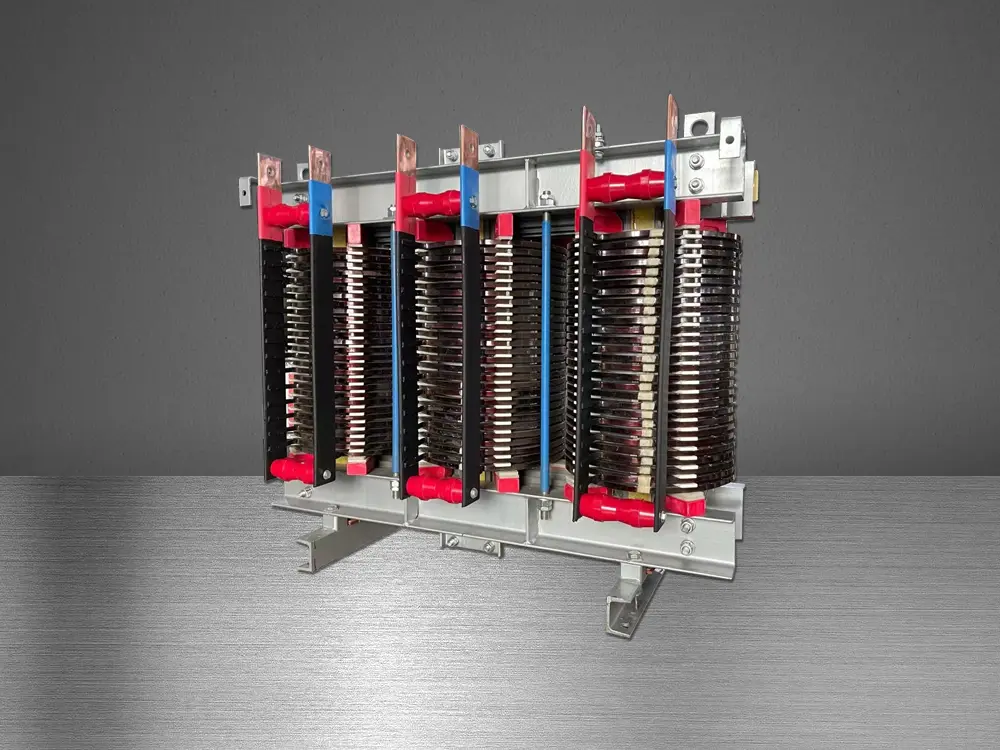 High Current Transformer
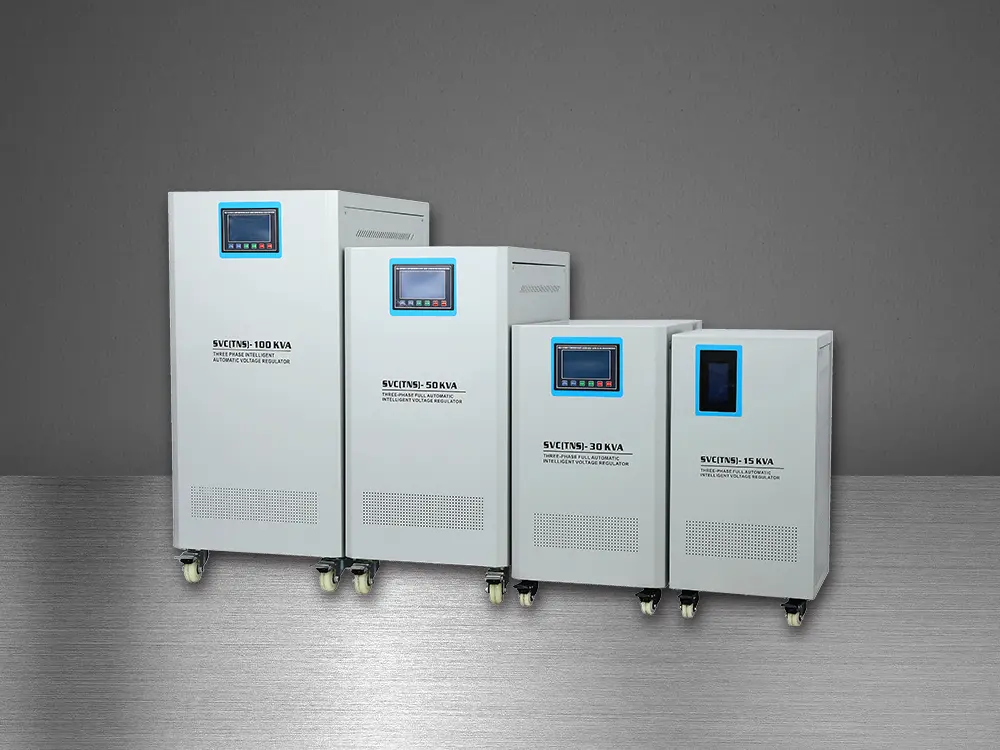 Automatic Voltage Regulator
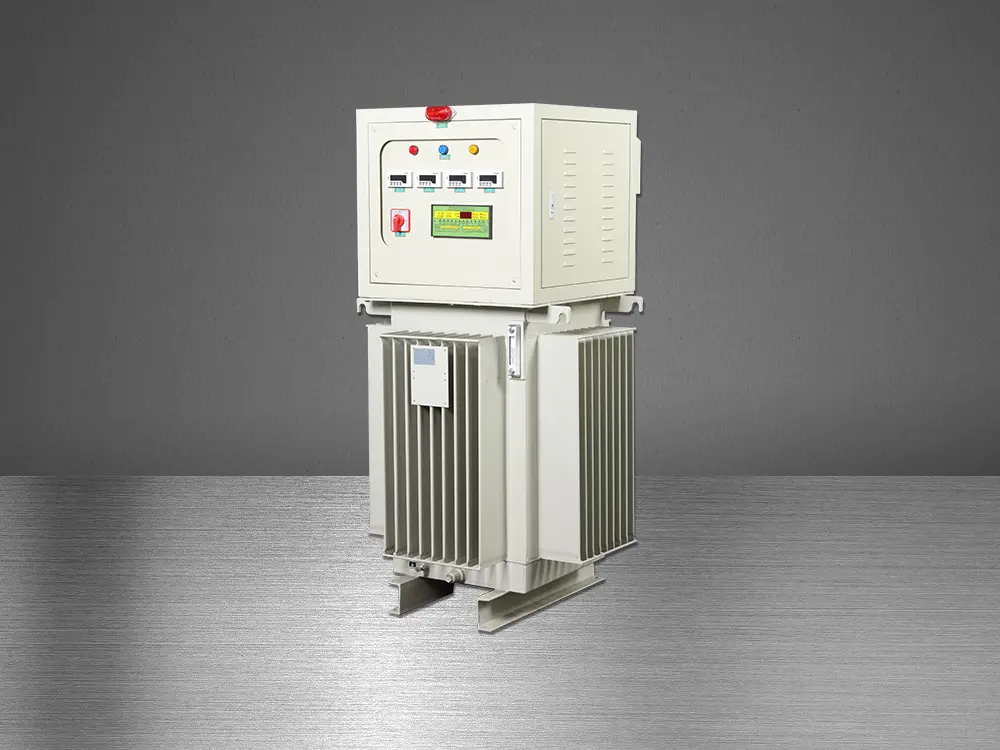 Oil Immersed Voltage Regulator