Understanding the Benefits of Automatic Step Up Stabilizer Technologies?
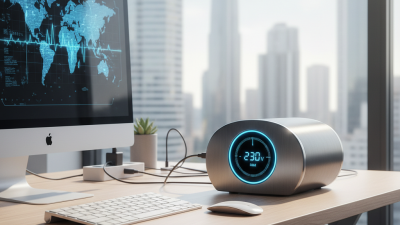
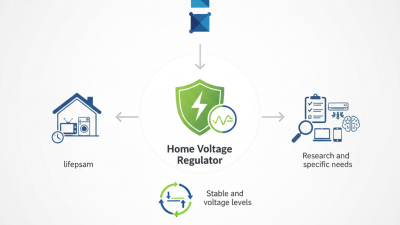
In today's fast-paced world, power stability is crucial for various applications. The Automatic Step Up Stabilizer is an innovative solution designed to enhance voltage stability in electrical systems. These devices automatically adjust voltage levels, ensuring a consistent supply of power.
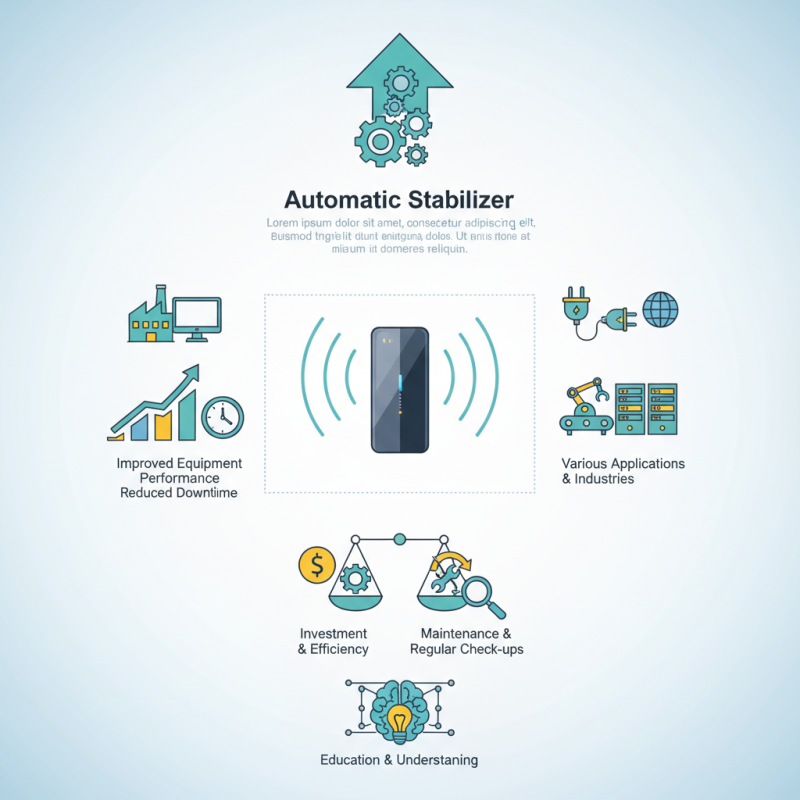
This technology offers many benefits, including improved equipment performance and reduced downtime. For businesses dependent on stable energy, the Automatic Step Up Stabilizer can be a game-changer. Many industries need reliable voltage regulation for their operations. Yet, some users may overlook the importance of routine maintenance and proper usage.
Investing in an Automatic Step Up Stabilizer can enhance operational efficiency. However, users must also understand the potential risks. Relying solely on automation without regular check-ups may lead to unforeseen issues. Emphasizing comprehensive education around this technology is vital for realizing its full potential.
Understanding Automatic Step Up Stabilizer Technologies Overview
Automatic step-up stabilizer technologies are transforming the energy management landscape. These systems enhance voltage stability in electrical networks, making them critical for industrial applications. A report from the International Energy Agency indicates that voltage quality directly affects equipment efficiency and longevity.
Implementing these technologies can lead to significant operational savings. According to a study by the U.S. Department of Energy, facilities using stabilizers reported up to a 20% increase in energy efficiency. This improvement reduces the risk of equipment failure and operational downtime.
While these benefits are compelling, there are challenges in integration and maintenance. Facilities may face initial costs that deter adoption. Also, staff must be trained to manage new technology. These factors can complicate decisions about whether to invest. Understanding these nuances is essential for effective implementation.
Key Features of Automatic Step Up Stabilizers in Electrical Systems
Automatic step up stabilizers play a crucial role in modern electrical systems. They help manage voltage fluctuations effectively. This technology ensures that devices receive stable power, reducing risks of damage. Enhanced performance often leads to increased equipment lifespan. These stabilizers elevate voltage levels when needed, ensuring optimal operation.
Key features include real-time monitoring and automatic adjustments. This responsive capability allows for seamless operation during voltage changes. Additionally, the design typically prioritizes energy efficiency. Users can expect lower operational costs as a result. However, some systems may not adapt well to rapid fluctuations. This limitation requires periodic checks to confirm reliability.
Monitoring sensors enhance the overall function, providing data insights. Despite their advantages, not every user may understand the technology. Technical complexities can lead to misuse if not properly addressed. Educating users on proper maintenance is essential. Addressing user concerns and misunderstandings can bolster trust in these systems.
Benefits of Using Automatic Step Up Stabilizers for Power Quality
Automatic step up stabilizers are essential for maintaining power quality. They efficiently increase voltage levels, ensuring a stable power supply. Fluctuations in voltage can lead to equipment damage and increased operational costs. Stabilizers bridge this gap by providing a consistent voltage output.
Using these devices can minimize downtime in various applications. For industries that rely on sensitive machinery, voltage instability poses significant risks. An automatic step up stabilizer acts quickly to counteract dips in voltage. This rapid response helps maintain productivity and operational effectiveness. Additionally, a smooth supply protects equipment longevity.
While the technology offers various advantages, it is crucial to assess installation requirements and maintenance needs. Not every environment may benefit equally from these systems. Learning from past implementations can provide insights on optimizing performance and addressing potential challenges. Assessing the specific power needs allows for informed decisions. The right approach can enhance reliability and efficiency in power management.
Industry Standards and Compliance for Stabilizer Technologies
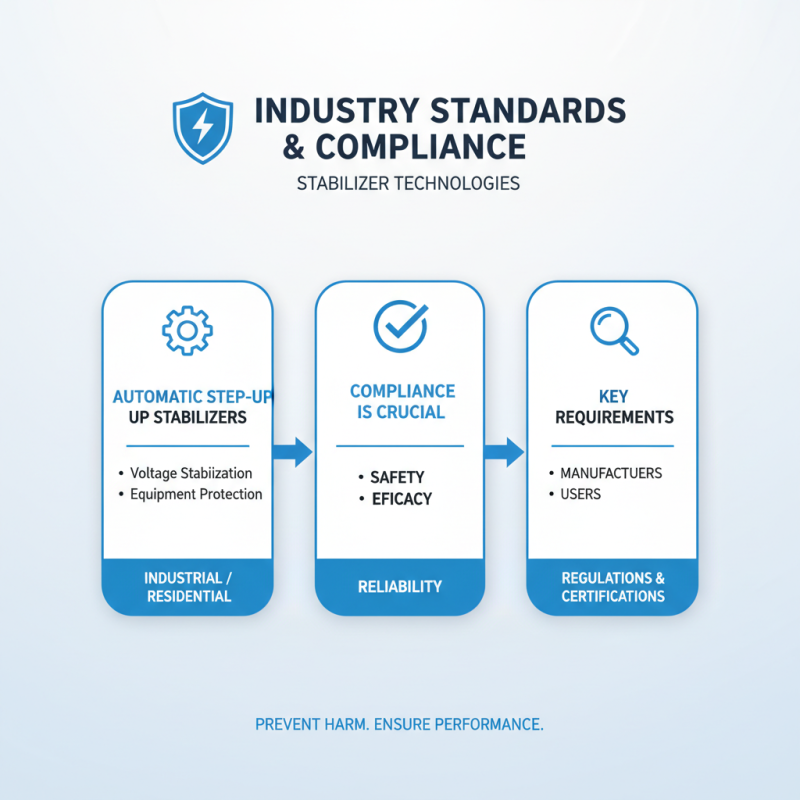
Automatic step-up stabilizer technologies are becoming increasingly vital in various industries. Compliance with industry standards is essential for ensuring safety and efficacy. These technologies help stabilize voltage levels, preventing fluctuations that can harm equipment. Understanding these requirements is crucial for manufacturers and users alike.
In many regions, stabilizer technologies must meet specific safety regulatory standards. These include tests for durability and operational efficiency. Without adherence to these standards, users risk equipment damage or failures. It's a complex landscape, and many firms struggle with compliance issues. Regular audits can help identify gaps in adherence.
Tips: Always verify the compliance documents provided by suppliers. Regular training on industry standards can enhance your team’s knowledge. Consider investing in technology that facilitates automatic adjustments, enhancing reliability. Strive for continuous improvement in your stabilization processes; the costs of non-compliance can be significant.
Case Studies: Real-World Applications and Performance Metrics
Automatic step-up stabilizer technologies have proven crucial in various fields. Case studies highlight their effectiveness in improving system performance and stability. In the renewable energy sector, these technologies have been instrumental. For instance, wind farms have adopted step-up stabilizers to enhance energy conversion efficiency. This can lead to reduced operational costs and increased energy output.
In industrial applications, step-up stabilizers play a role in power quality improvement. Factories have reported significant reductions in downtime due to fluctuations in power supply. These stabilizers help maintain a consistent voltage level, ensuring machines operate smoothly. A manufacturing plant observed a 30% increase in productivity after implementing this technology.
Tips: When considering a step-up stabilizer, assess your current energy needs. Analyze existing power fluctuations in your systems. Collaborate with experts who can provide tailored solutions. Small adjustments in installation can lead to big improvements. Always monitor performance metrics to understand real-world impacts better.
Understanding the Benefits of Automatic Step Up Stabilizer Technologies
| Application Area |
Performance Metric |
Stabilizer Type |
Efficiency Improvement (%) |
Cost Reduction (%) |
| Transportation |
Load Stability |
Hydraulic Stabilizers |
15 |
10 |
| Construction |
Site Safety |
Electromechanical Stabilizers |
20 |
8 |
| Aerospace |
Flight Stability |
Active Stabilizers |
25 |
5 |
| Marine |
Wave Resistance |
Passive Stabilizers |
18 |
7 |

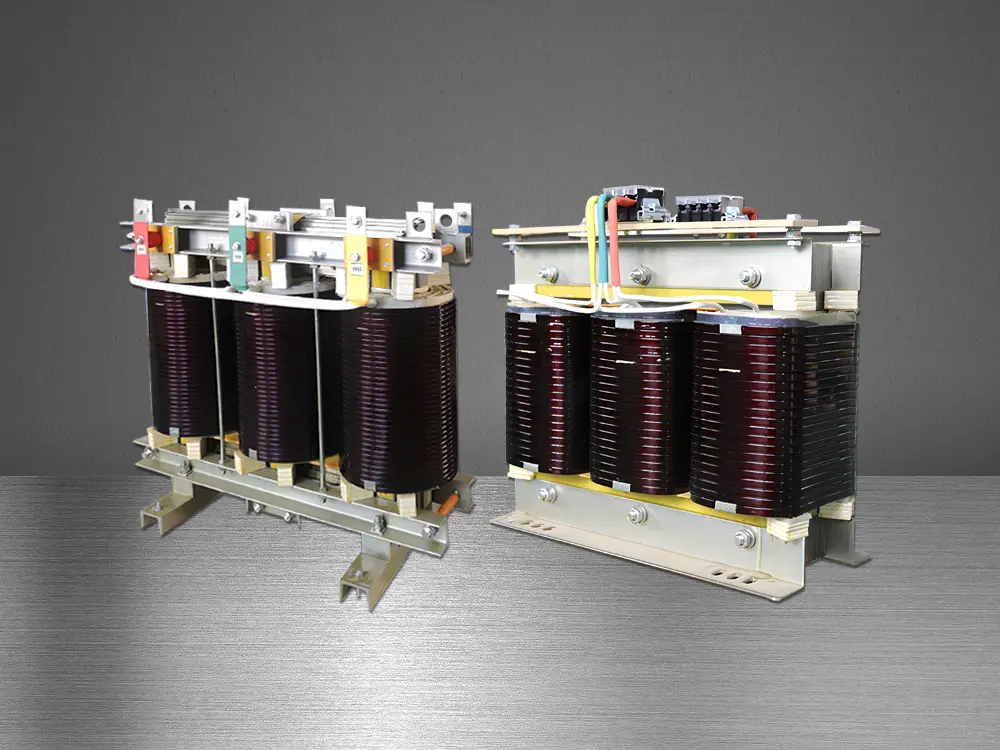 Three-Phase Isolation Transformer
 Control Transformer
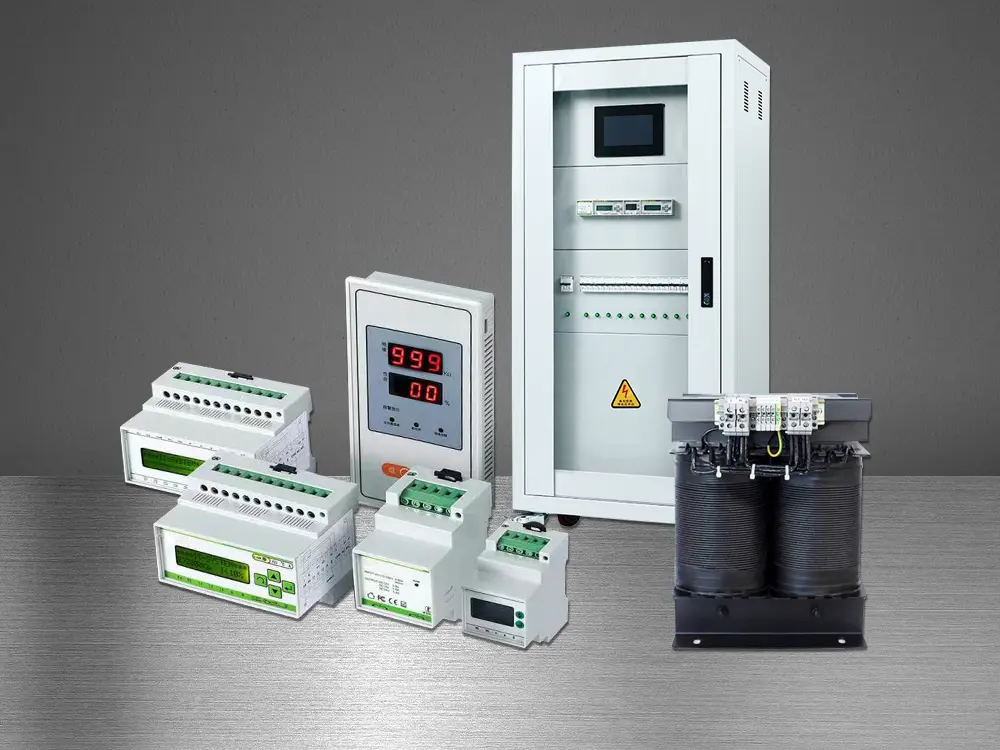 Medical IT Isolated Power System
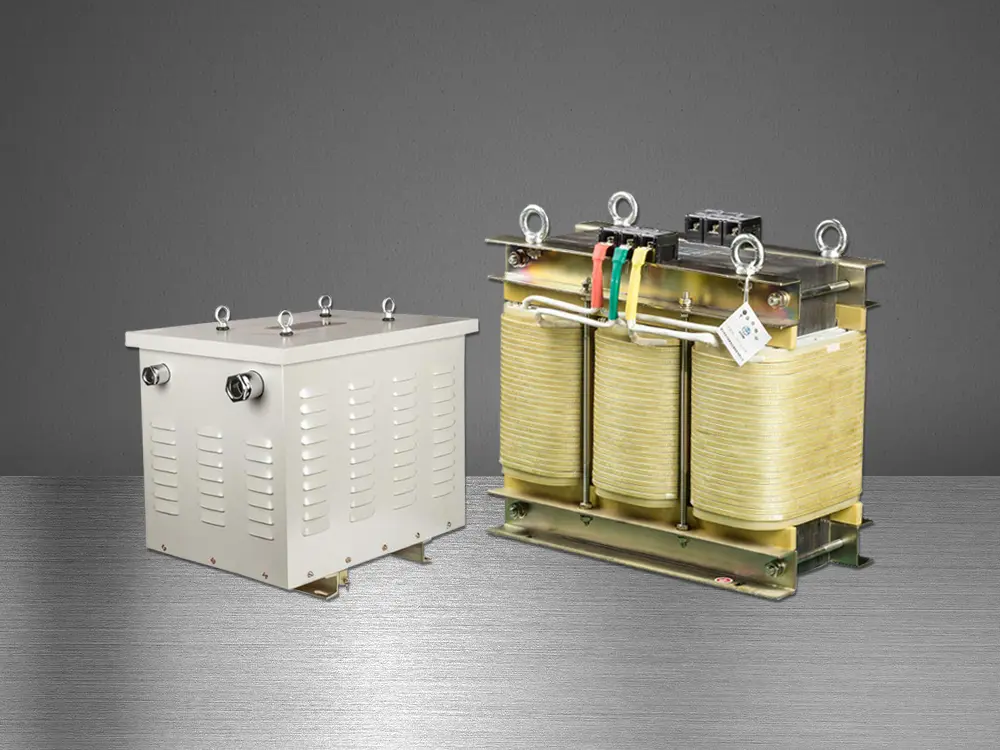 Marine Transformer
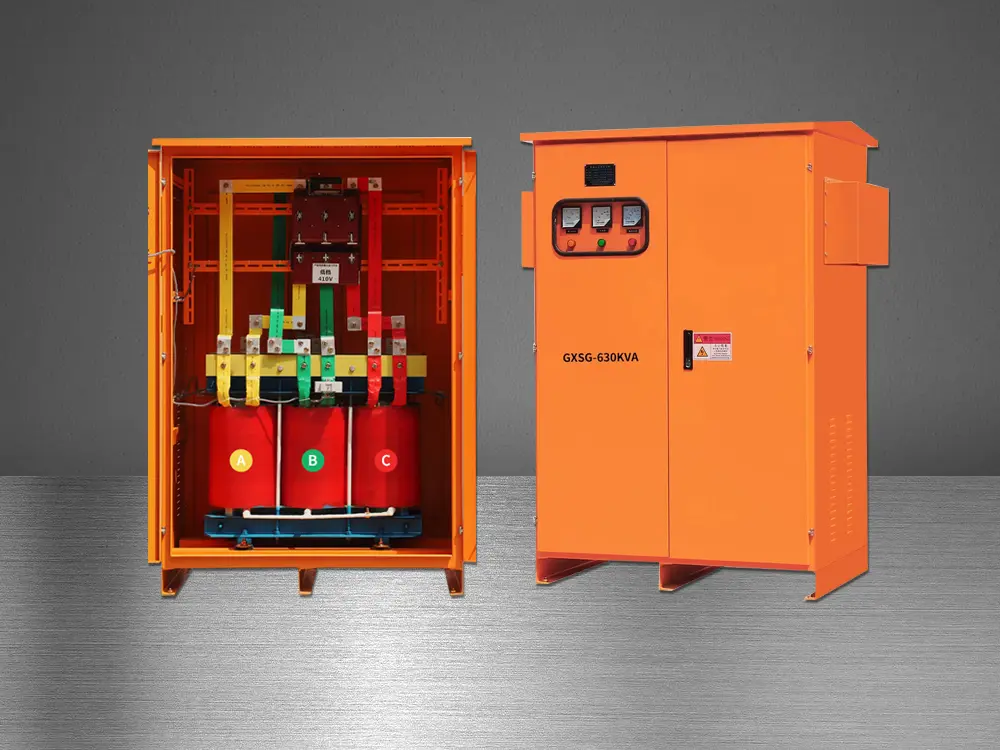 Tunnel Transformer
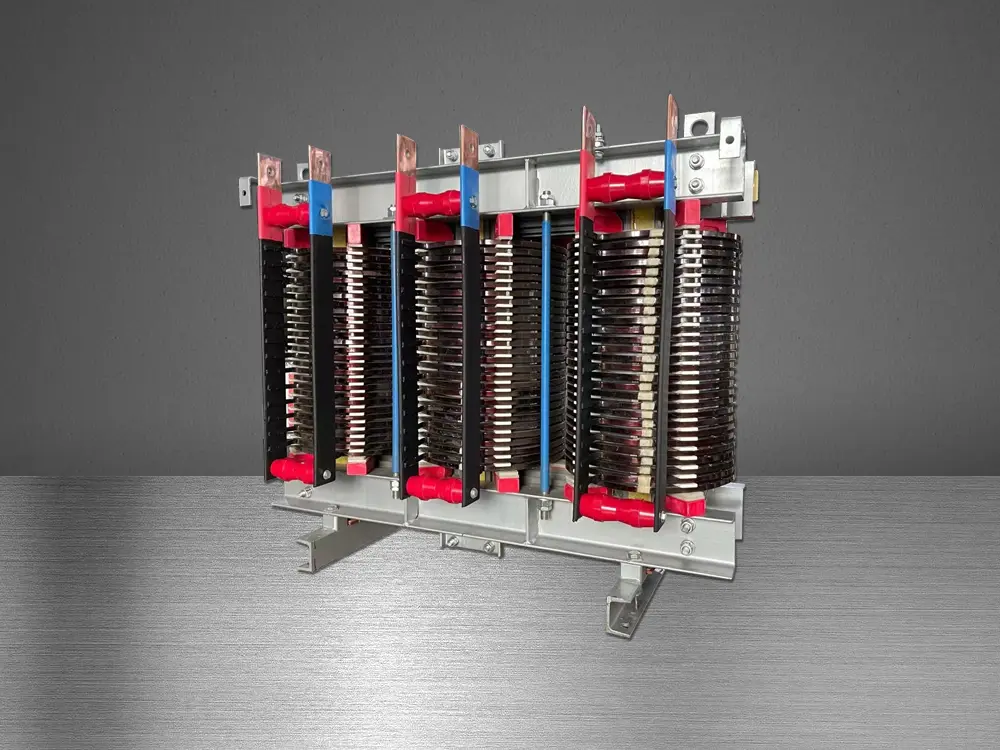 High Current Transformer
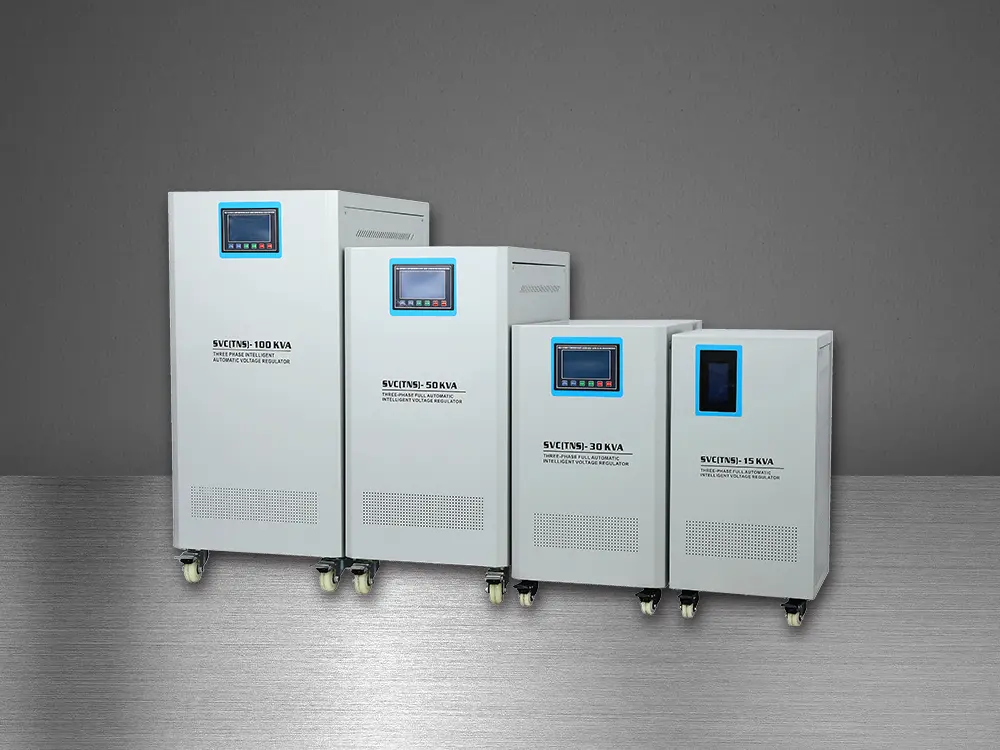 Automatic Voltage Regulator
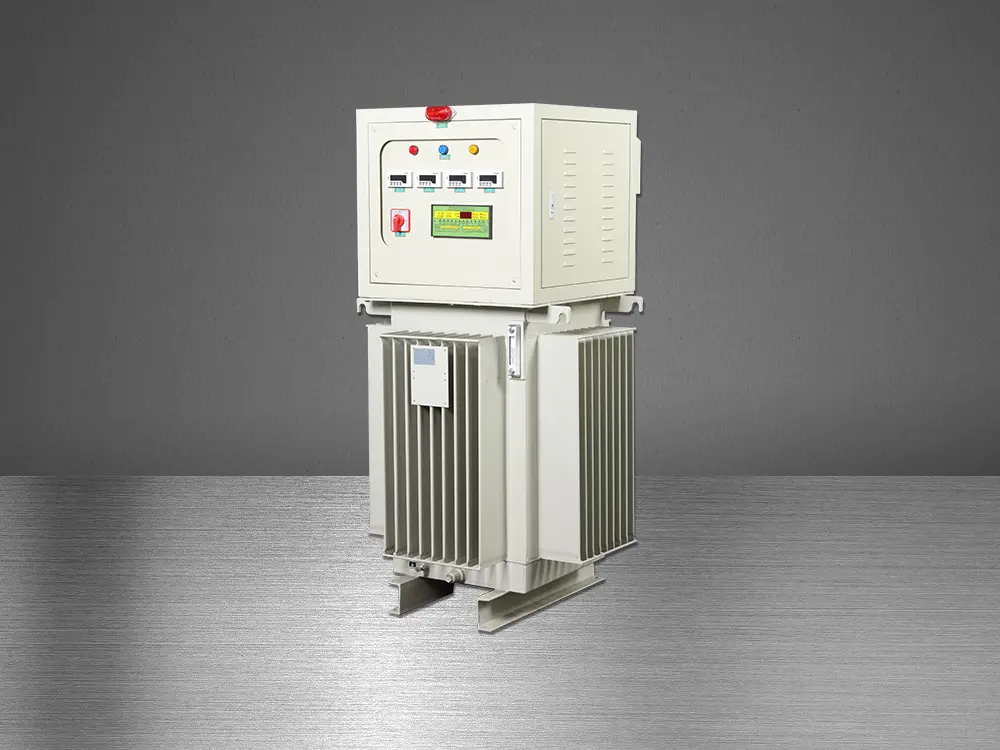 Oil Immersed Voltage Regulator