2026 Top Trends in Medical Isolation Panel Applications and Innovations?
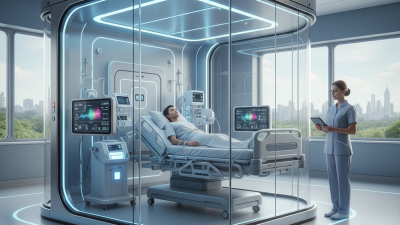
The landscape of medical facilities is rapidly changing. Innovations in Medical Isolation Panel applications are at the forefront of this transformation. These panels serve a critical role in infection control. Designed to minimize the spread of contaminants, they ensure patient and staff safety.
In 2026, we will witness notable trends that shape the future of these panels. Advances in materials will lead to enhanced durability and easier cleaning. Increased adaptability will allow for tailored solutions in various medical environments. Furthermore, the integration of technology will aid monitoring and efficiency. However, there are still areas needing improvement. Some panels may not meet diverse hospital needs effectively.
As we explore these trends, we reflect on the balance between innovation and practicality. The push for more advanced Medical Isolation Panels should not overshadow the basics of effective isolation protocols. The journey toward optimal healthcare solutions continues, and critical thinking remains essential.
Emerging Technologies Driving Medical Isolation Panel Innovations
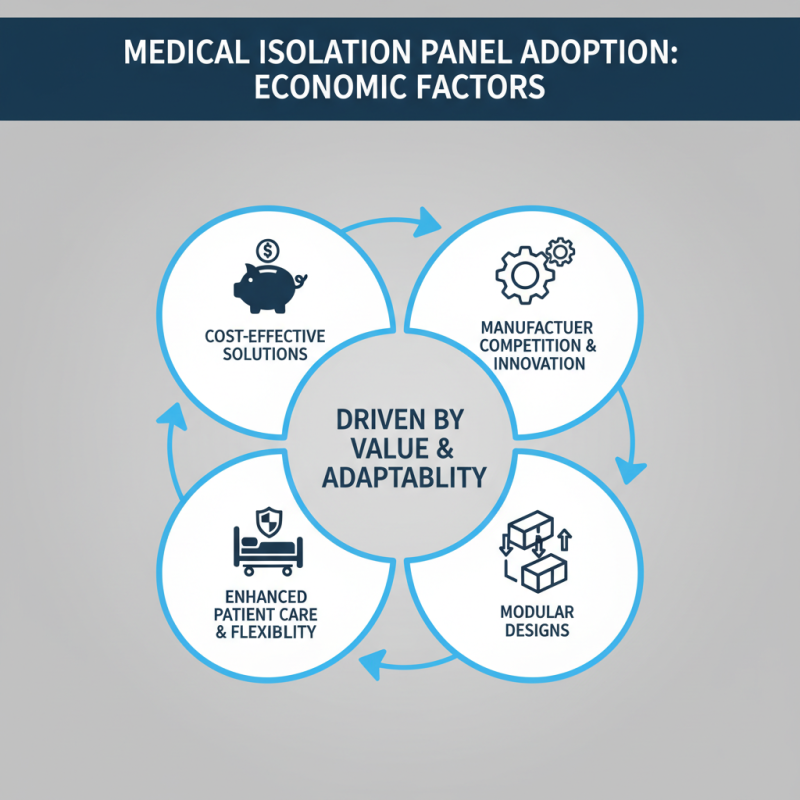
Emerging technologies are reshaping the landscape of medical isolation panels. Recent studies highlight that the market for medical isolation panels is projected to reach $1.2 billion by 2026. This growth stems from innovations driven by advanced materials and smart technologies.
Advanced composites are also gaining attention. These materials enhance durability and insulation. They improve the panels’ effectiveness in controlling airborne pathogens. For instance, integrating antimicrobial coatings within these panels can significantly reduce infection rates. Reports indicate a 30% decrease in hospital-acquired infections with such technologies.
Moreover, telehealth integration is transforming isolation protocols. Remote monitoring systems allow healthcare providers to manage patients without physical contact. But, challenges remain. Not all facilities have the required infrastructure. Access to these technologies is still limited in some regions. As the sector evolves, addressing these gaps will be crucial for wider adoption.
Key Applications of Medical Isolation Panels in Healthcare Settings
Medical isolation panels are crucial in healthcare settings. These panels help prevent the spread of infections by controlling airborne pathogens. According to a recent industry report, the demand for medical isolation solutions is projected to rise by 12% annually through 2026. The ongoing pandemic highlights the need for effective isolation measures.
In hospitals, isolation panels are used in various areas. They are essential in emergency rooms and intensive care units. These panels offer a barrier against contamination. Additionally, healthcare facilities report improved patient outcomes since implementing isolation measures. A study found that proper isolation can reduce infection rates by up to 30%. However, some facilities still struggle with space limitations.
Challenges remain in the deployment of isolation panels. Many hospitals face budget constraints that limit upgrades. Moreover, staff training is often inadequate, which impacts effectiveness. A survey indicated that over 40% of healthcare workers feel unprepared to manage isolation protocols. Addressing these gaps is vital for maximizing the benefits of medical isolation panels in patient care.
2026 Top Trends in Medical Isolation Panel Applications
Impact of Infection Control Standards on Isolation Panel Design
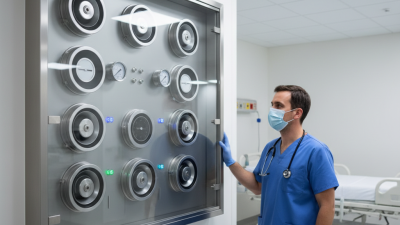
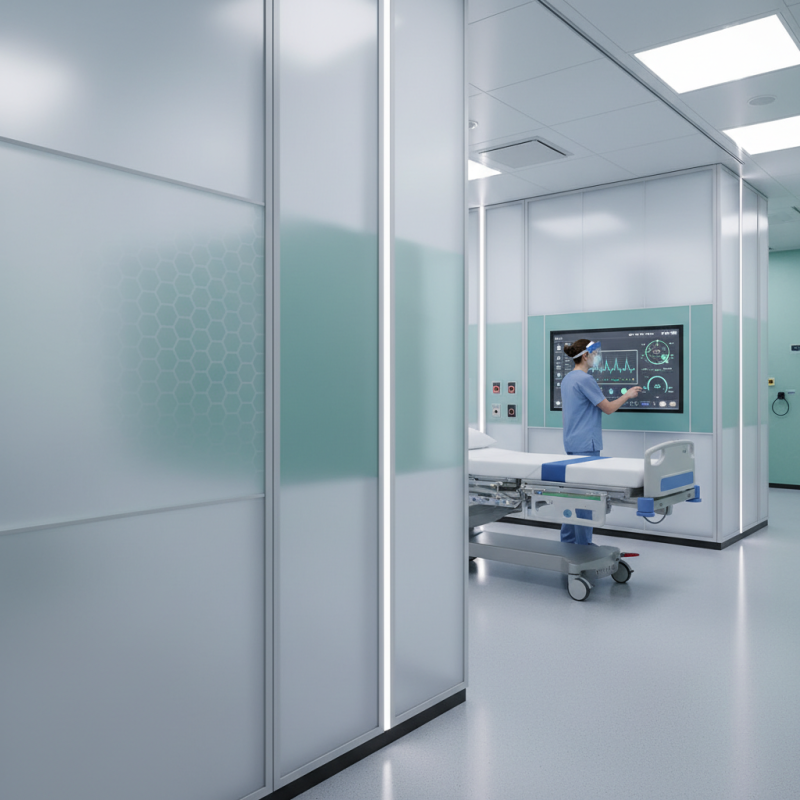
Infection control standards greatly influence the design of isolation panels. These panels serve as barriers against airborne pathogens in healthcare facilities. Increased emphasis on infection control has pushed designers to innovate. They now consider materials that minimize microbial growth. Transparent sections allow for visibility while maintaining safety. This balance is crucial for patient comfort and staff efficiency.
Tip: Choose materials that are easy to clean and maintain. Regular sanitization is essential, yet not always practiced thoroughly.
Additionally, the design must accommodate healthcare workflows. Panels should fit seamlessly into existing structures. Their mobility can facilitate quick setup in emergency situations. However, achieving optimal design is often easier said than done. Many designs face challenges in balance, functionality, and aesthetics.
Tip: Assess the effectiveness of design choices regularly. Understanding their impact can lead to better innovations. Continuous feedback from users can help refine these panels.
Future Directions: Sustainability and Efficiency in Isolation Panels
In the realm of medical isolation panels, sustainability and efficiency are gaining significant attention. A recent report indicates that 75% of healthcare facilities prioritize eco-friendly materials. This shift is evident in the increased use of recyclable substances. Many manufacturers are now exploring biodegradable options. The desire for greener solutions is becoming a driving force in design choices.
Efficiency cannot be overlooked. Studies show that panels with optimized airflow can reduce energy consumption by up to 25%. Innovative designs are crucial for maintaining sterile environments while minimizing resource use. Many isolation panels now feature smart technology. These advancements help monitor air quality in real-time, contributing to better patient outcomes. However, there remain challenges. The integration of such technology often requires upfront investment, which some facilities may find prohibitive.
Additionally, sustainability efforts are still in their early stages. Many designs still rely heavily on non-renewable resources. The industry must continue evolving to address these shortcomings. Stakeholders are actively seeking partnerships to foster innovation. Emphasis on both sustainability and efficiency can lead to breakthroughs. This dual focus will be essential for future development, making isolation panels not only effective but also environmentally responsible.
2026 Top Trends in Medical Isolation Panel Applications and Innovations
| Trend Category |
Description |
Key Benefits |
Future Impact |
| Sustainable Materials |
Use of biodegradable and recyclable materials in panel production. |
Reduction in environmental footprint and compliance with regulations. |
Increased adoption in green healthcare practices. |
| Modular Designs |
Configurable panels that can be easily expanded or reconfigured. |
Flexibility in space management and adaptability to changing needs. |
Improved effectiveness in emergency and pandemic responses. |
| Advanced Air Filtration |
Integration of HEPA and UV-C filtration technologies in isolation panels. |
Enhanced infection control and improved air quality. |
Broader implementation in hospitals and clinics to reduce airborne pathogens. |
| Telemedicine Integration |
Designs that facilitate virtual consultations for isolated patients. |
Minimizes physical contact while maintaining patient support. |
Potential for increased telehealth adoption in routine care. |
| Smart Panel Technology |
Incorporation of IoT devices for monitoring and controlling environmental conditions. |
Real-time data collection enhances patient safety and care efficiency. |
Shifts towards data-driven healthcare solutions. |

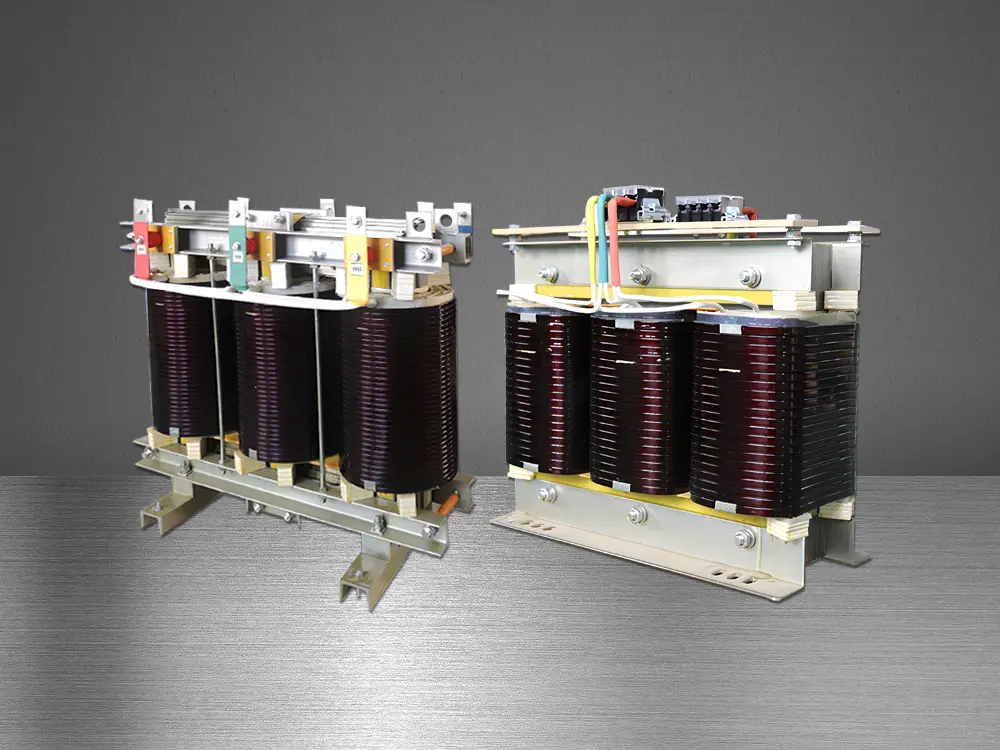 Three-Phase Isolation Transformer
 Control Transformer
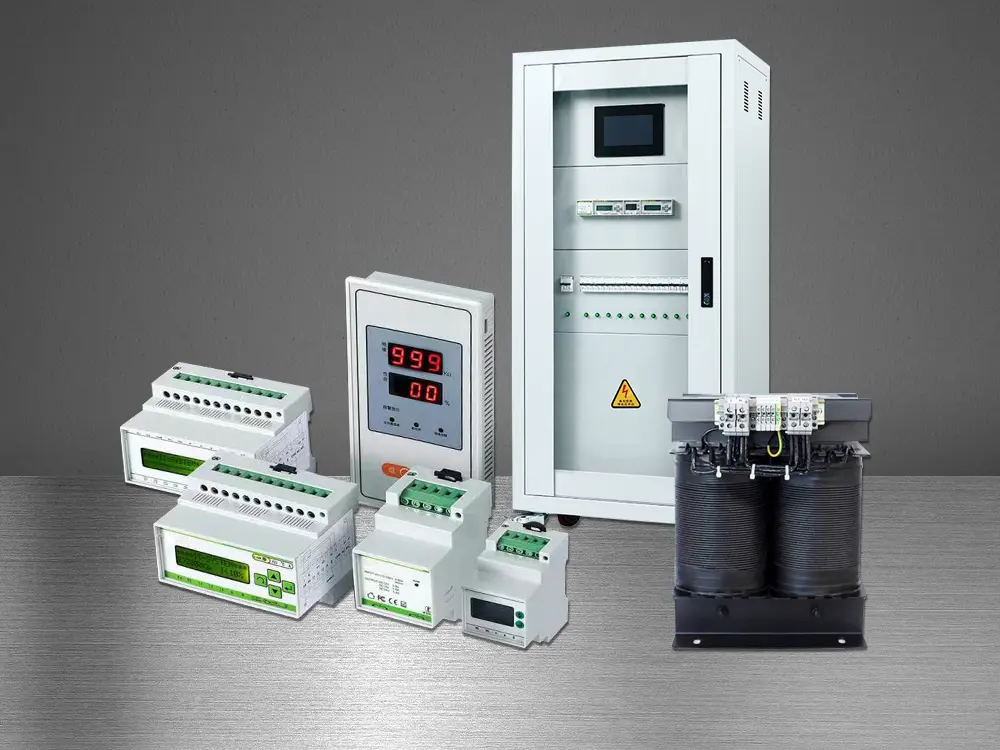 Medical IT Isolated Power System
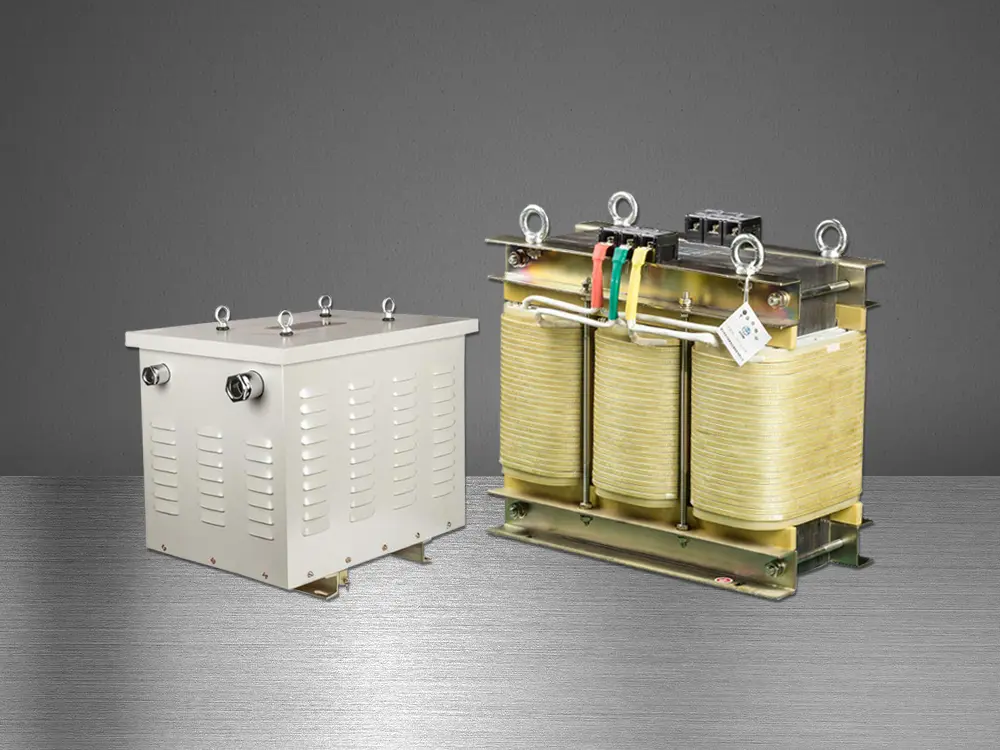 Marine Transformer
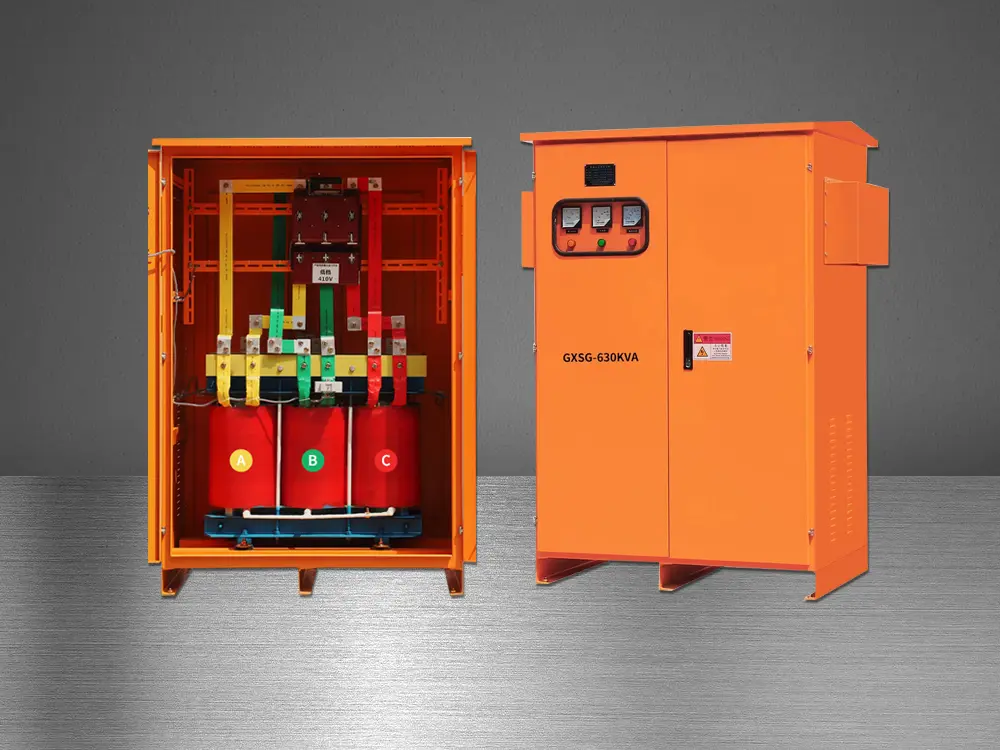 Tunnel Transformer
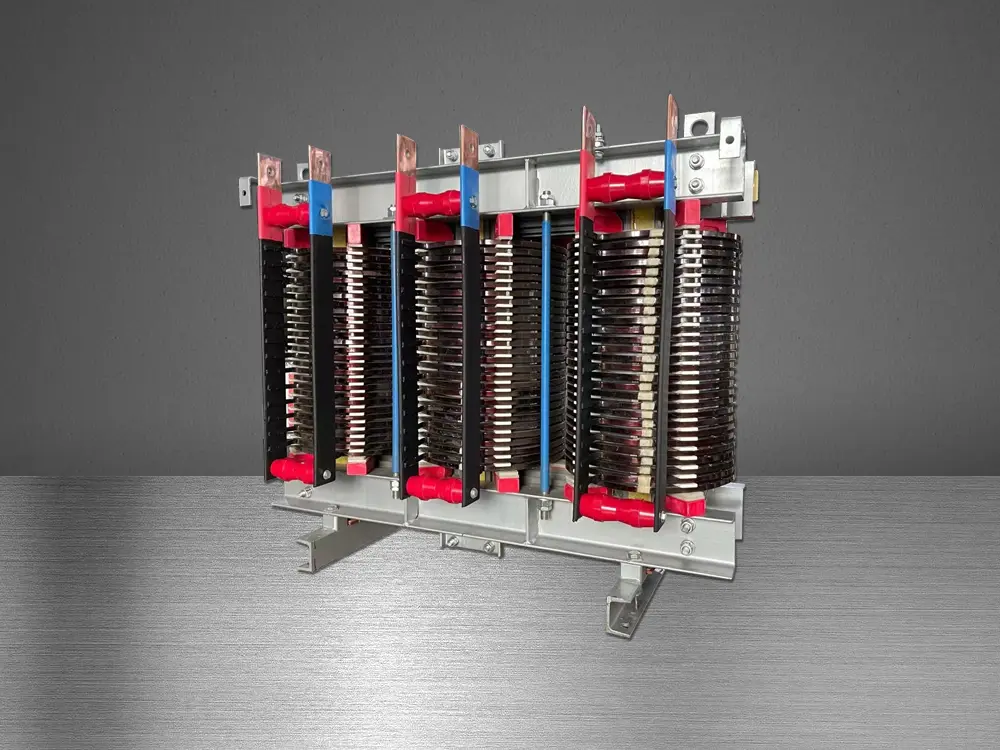 High Current Transformer
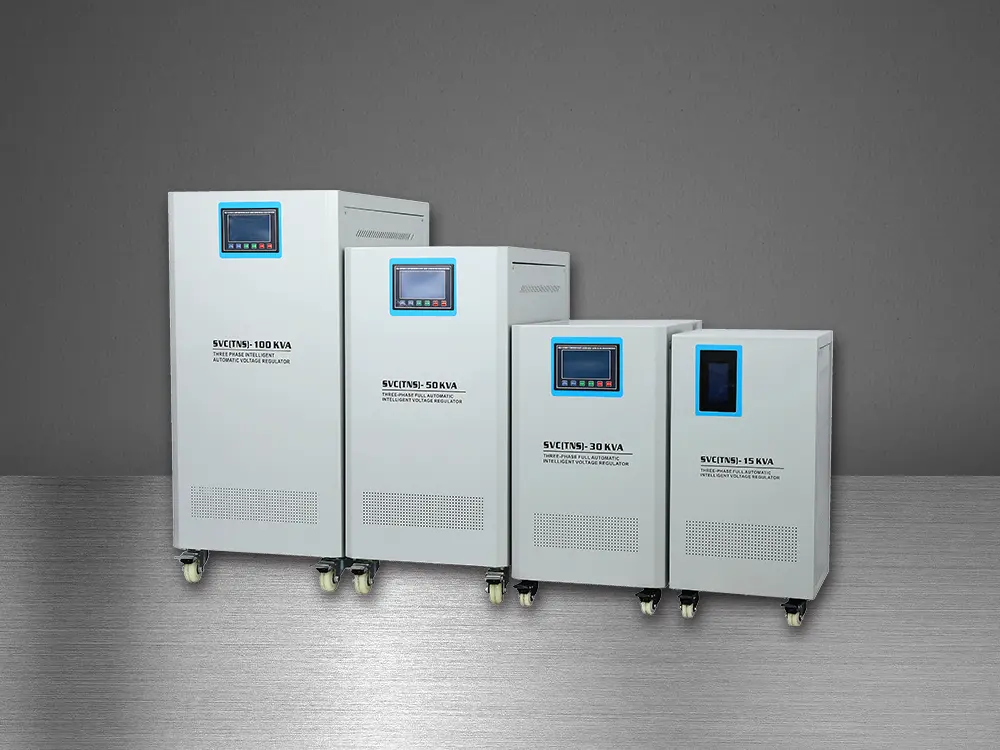 Automatic Voltage Regulator
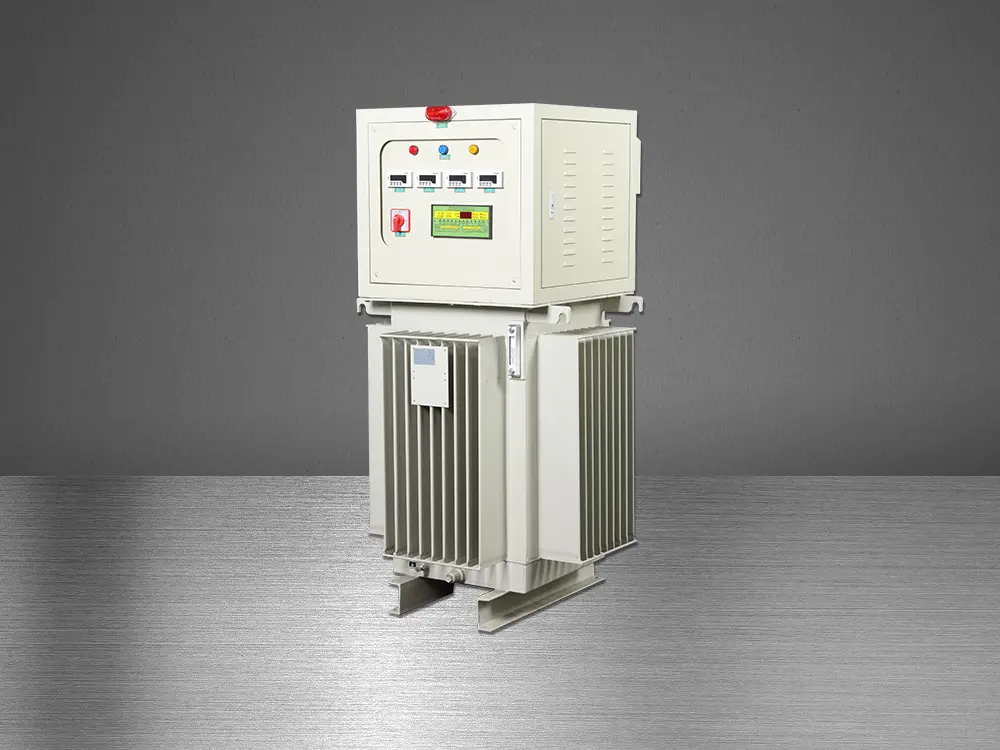 Oil Immersed Voltage Regulator