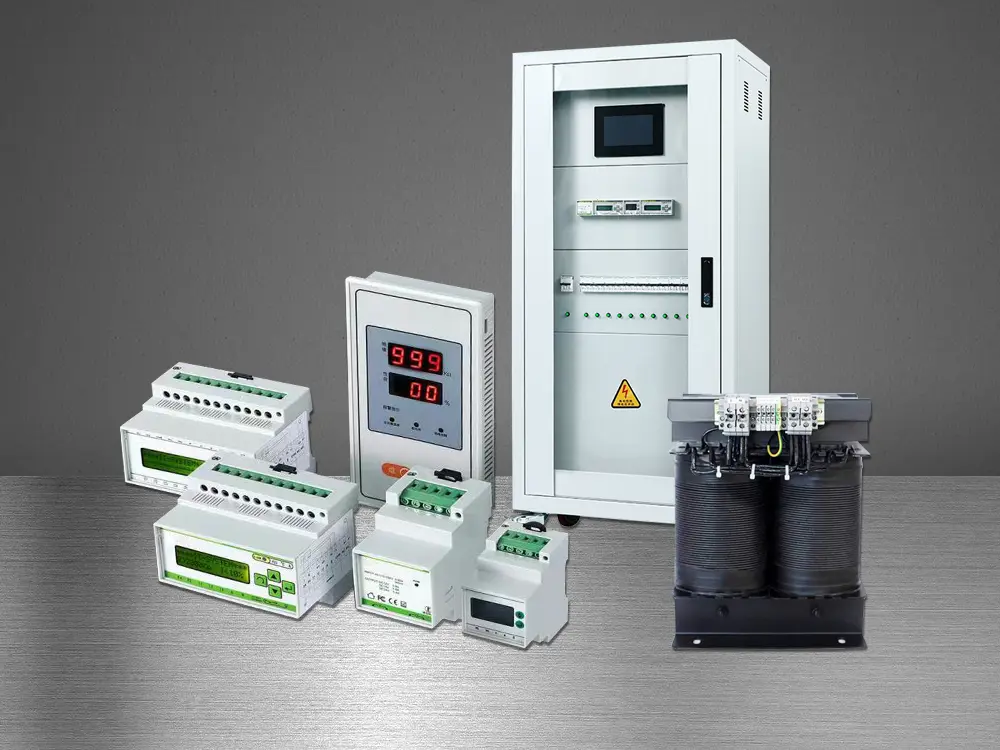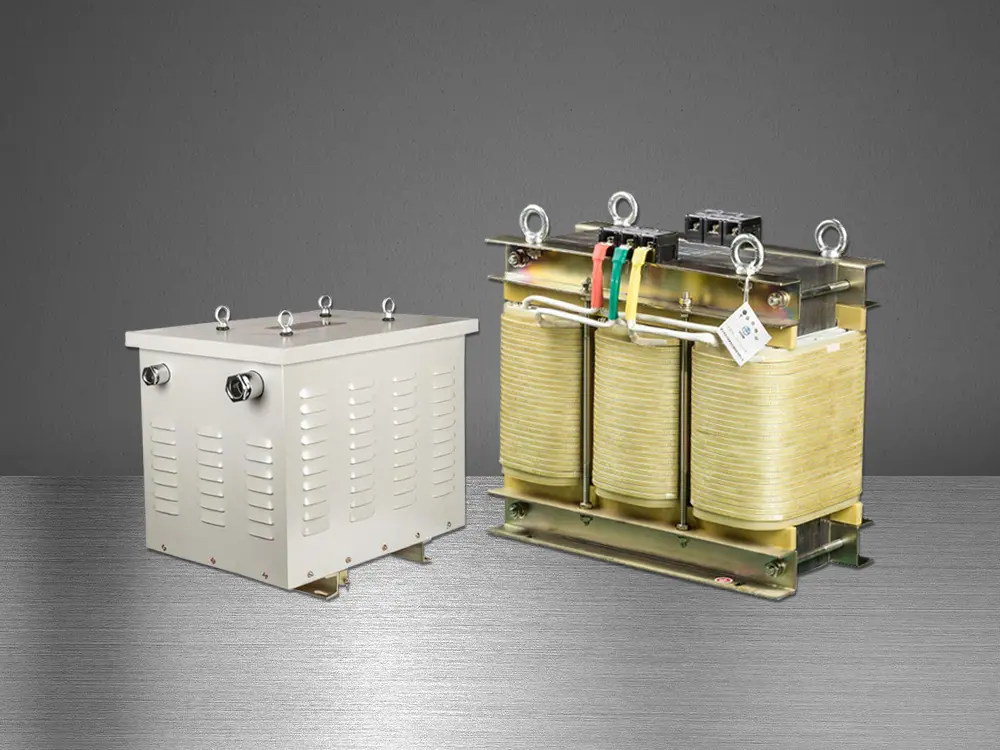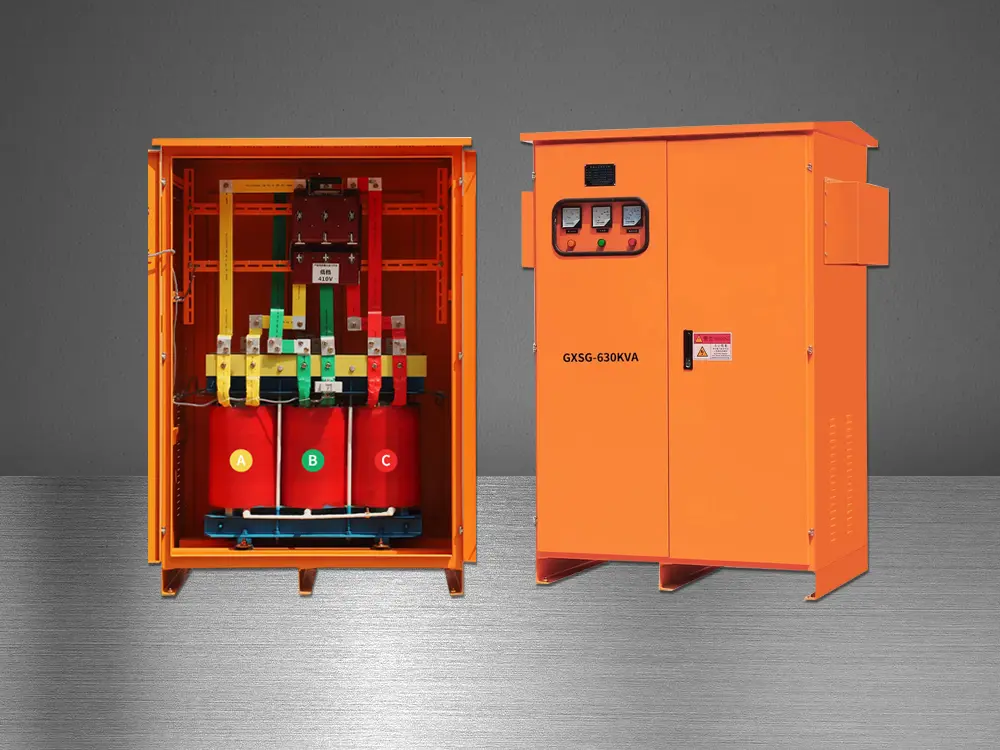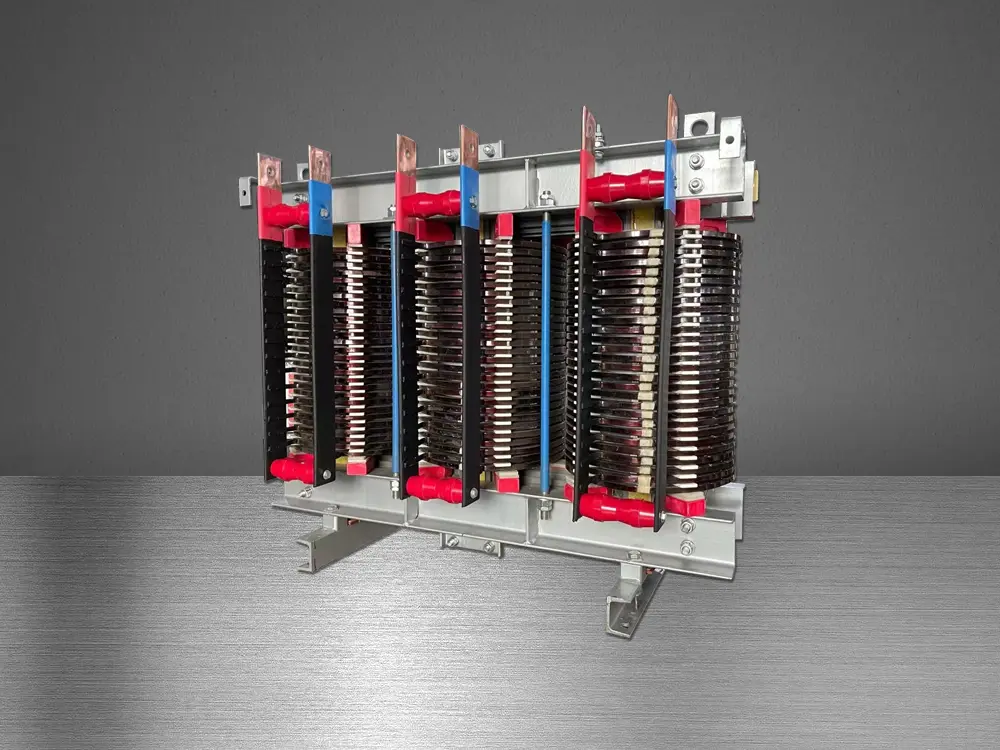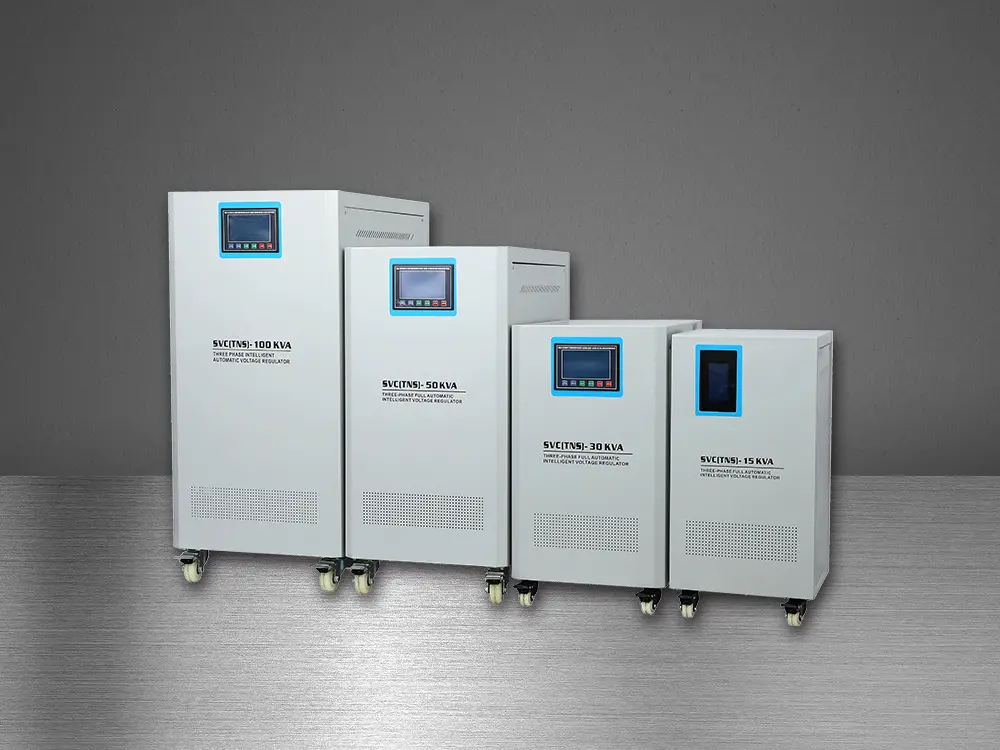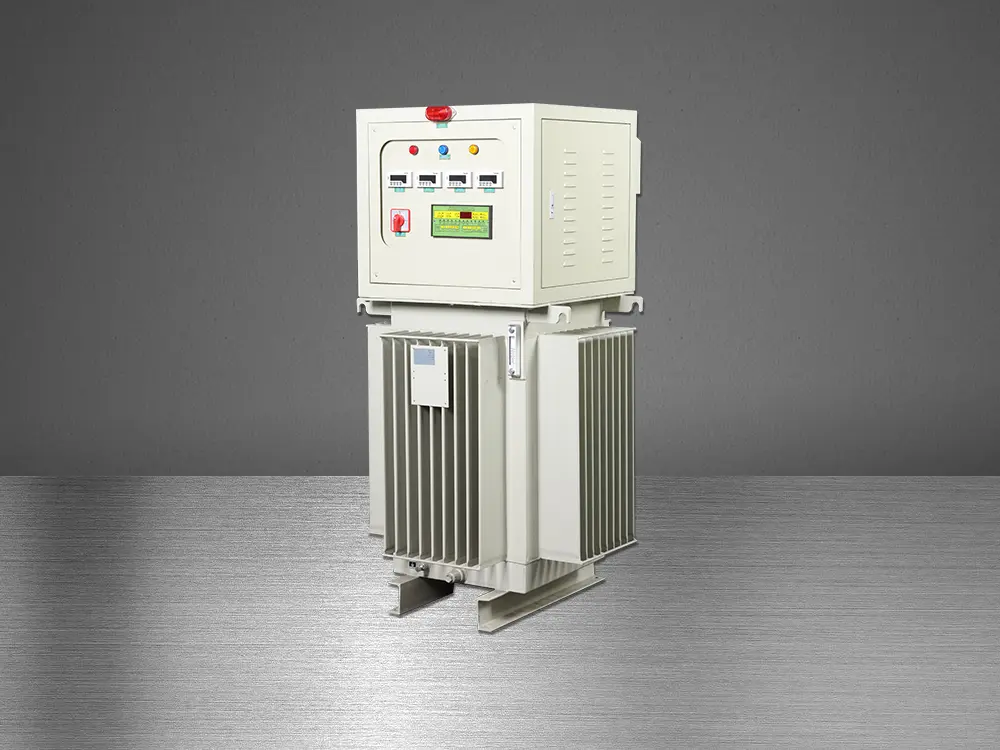
Choosing the right Portable Voltage Regulator in 2026 requires more than comparing wattage and price. Global buyers face unstable grids, different plug systems, changing frequencies, and strict safety expectations. A compact unit may protect a camera in Nairobi, a medical monitor in Manila, or a workshop tool in São Paulo. The operating environment changes everything.
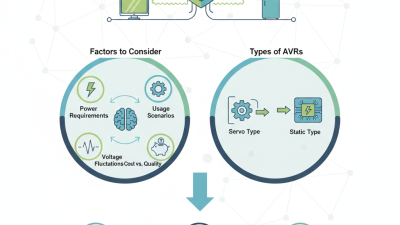
This guide examines the main portable voltage regulator types, including relay-based, servo-controlled, electronic, buck-boost, and inverter-supported models. Each design handles voltage variation differently. Relay units often offer simple control and affordable replacement parts. Servo models can provide smoother correction for sensitive equipment. Electronic regulators usually respond faster, although heat management and repair access deserve close attention. Portable size is useful, but it can limit cooling capacity and continuous load performance.
Real purchasing decisions should begin with measured input voltage, connected equipment, runtime, and transport conditions. Buyers should verify rated power, surge capacity, output waveform, grounding, overload protection, and local certification requirements. A label showing maximum watts may not reveal safe continuous performance. That detail is easy to miss.
No model wins every test. Even careful comparisons can overlook noise, connector quality, or weak after-sales support. Product data may also differ between suppliers. Therefore, this overview treats manufacturer specifications as starting evidence, not final proof. Practical inspection, sample testing, clear warranty terms, and technical communication remain essential. The goal is not to promote one universal solution, but to help buyers match regulator design with real equipment, real locations, and realistic operating risks.
A portable voltage regulator is a compact device that stabilizes irregular electricity for sensitive equipment. It accepts changing input voltage and delivers a steadier output. This matters when power fluctuates in workshops, outdoor sites, vehicles, or older buildings. A laptop charger may tolerate variation, but a camera, router, or testing instrument can behave unpredictably. Small voltage changes can cause resets, overheating, or shortened component life. Stability protects performance.
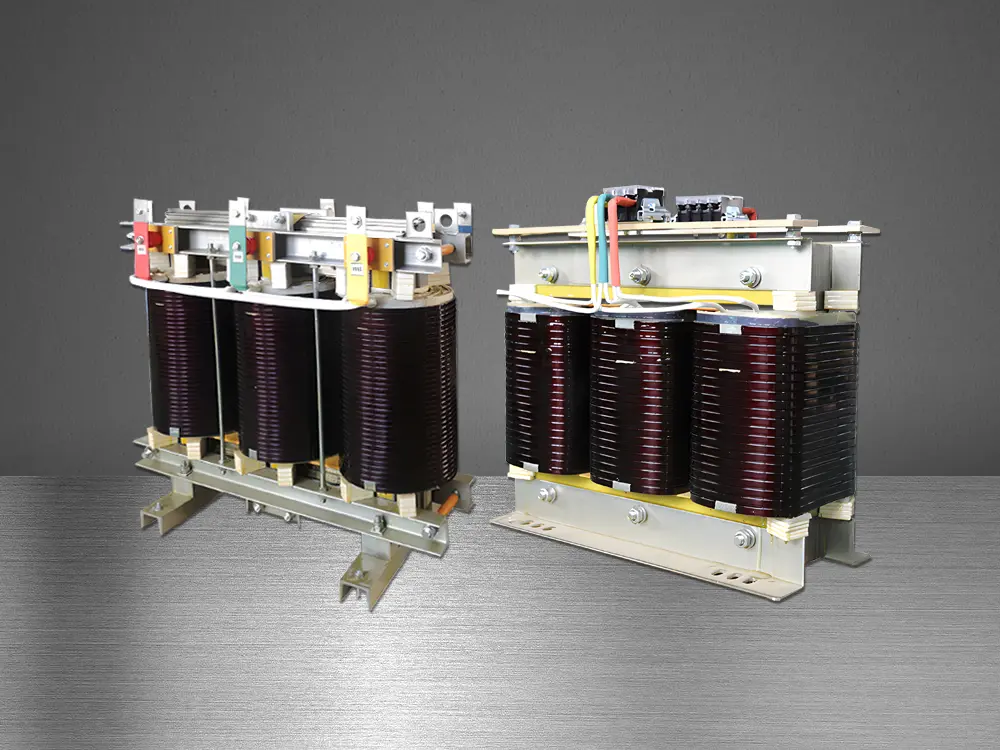
Portable regulators usually include relay-based, electronic, or transformer-based designs. Electronic models often respond quickly and remain lightweight. Relay models can suit basic equipment with moderate fluctuations. Transformer-based units may provide stronger correction, but they are often heavier. Check the input range, regulated output, maximum wattage, and frequency before purchase. A 500-watt load should not run continuously on a 500-watt unit. Leave practical headroom. It reduces heat and stress.
Protection features also deserve attention. Look for overload, surge, short-circuit, and thermal protection. Ventilation openings should remain clear during use. In field testing, cable length and plug compatibility sometimes create more trouble than the regulator itself. A neat specification sheet can still mislead. Some low-cost units advertise high capacity but perform poorly under continuous loads. I would verify test conditions, safety documentation, and local electrical requirements before shipment. Mistakes happen, especially when buyers compare numbers without checking the actual equipment.

Portable voltage regulators convert unstable input power into a safer, usable output. In field work, a buck circuit lowers voltage, while a boost circuit raises it. Buck-boost designs handle both conditions. They are useful for cameras, medical equipment, communication tools, and battery systems. Many units also use automatic sensing, switching within milliseconds when input voltage changes.
The application determines the design. A DC regulator suits a battery-powered device and wastes less energy than an AC inverter. An AC stabilizer fits appliances that need a steady sine-wave supply. Sensitive instruments may require filtering against surges and electrical noise. According to the International Energy Agency’s Electricity 2024 report, global electricity demand is expected to grow by about 3.4% annually through 2026. Portable regulation will matter more in temporary workspaces and weak-grid regions. Small details matter.
Battery capacity also affects performance. The IEA’s Global EV Outlook 2024 reports that electric-car battery demand exceeded 750 GWh in 2023. This growth supports wider use of compact DC power systems, although portable regulators still face heat, cable loss, and limited runtime. Buyers should check rated wattage, peak load, efficiency, protection class, and local voltage frequency. IEC 60038 defines standard supply voltages, but real sites are often less tidy. A regulator rated only for normal loads may fail during motor startup. I have seen specifications look impressive until dust, heat, and long cables exposed the weakness. Testing under actual conditions remains wiser than trusting a perfect datasheet.
In 2026, automatic voltage regulators will likely lead portable power markets because they balance stable output, simple operation, and broad household use. They can correct moderate voltage changes for laptops, medical devices, tools, and small appliances. Buyers will favor compact units supporting 100–240 V input and 50/60 Hz systems. However, wattage labels can mislead when users ignore startup surges.
Buck-boost regulators should gain attention in regions with unstable grid voltage. These devices raise or reduce voltage efficiently without excessive heat. Portable inverter-based regulators may lead premium applications because they provide cleaner power for sensitive electronics. Their quiet operation and waveform control matter in field offices, transport hubs, and temporary work sites. Yet, higher prices and battery dependence remain practical barriers.
For low-voltage equipment, USB-C power regulators and compact DC-DC converters will expand quickly. They fit travel kits, inspection tools, communication equipment, and solar charging systems. In real purchasing tests, connector compatibility often matters as much as voltage accuracy. Safety features deserve close inspection: overload protection, thermal shutdown, grounding, enclosure strength, and clear ratings. Market forecasts are never perfect. Users may still choose cheaper models, even when efficiency and repairability deserve more attention.
Relay-based and static electronic regulators are expected to remain strong choices for global portable applications because they offer compact designs, fast voltage correction, and relatively low maintenance. Servo-motor regulators provide higher continuous capacity but are generally heavier, while inverter-based and ferroresonant designs serve specialized portability and power-quality requirements. The figures show representative continuous output capacities by technology category and are not company or brand market-share data.
2026 Top Portable Voltage Regulator Types for Global Buyers?
Global buyers should compare voltage, power, safety, and portability together. The IEA’s Electricity 2024 report forecasts global electricity demand to grow by 3.4% annually through 2026. Unstable supply remains a practical concern. A basic automatic regulator suits sensitive office equipment and small appliances. Buck-boost models handle moderate voltage drops more efficiently. Transformer-based units are often quieter, but heavier. Electronic regulators can be compact, though they may create more heat or electrical noise.
Check the input range, output accuracy, continuous wattage, and surge capacity. Do not match a 1,000-watt load with a 1,000-watt regulator. A 20–30% reserve is more realistic for motors, compressors, and startup surges. IEC 60038 defines standard supply voltages, while IEC 61558-1 addresses transformer safety requirements. For electronic loads, IEEE 519-2022 guidance on harmonic distortion is also worth reviewing. A wider voltage range is useful, but it can hide poor internal cooling.
Tips: Read the nameplate, not only the product title. Measure the case and cable length before travel. Look for overload, over-temperature, short-circuit, and grounding protection. In field use, I prefer a handle, clear status indicators, and replaceable fuses. Lightweight designs feel attractive. I have learned that very light units may sacrifice heat dissipation. That trade-off deserves a second look.
| Regulator type | Typical input / output range | Typical portable power class | Typical efficiency | Output characteristics | Typical weight and portability | Common protection features | Best-fit applications |
|---|---|---|---|---|---|---|---|
| Linear regulator | Usually a modest step-down range; output is commonly fixed or adjustable at low voltage. | Approximately 1–100 W for compact portable designs. | Typically 30–70%, depending strongly on input-to-output voltage difference. | Very low electrical noise and low ripple; does not provide galvanic isolation unless separately designed. | Very compact and light at low power; heat sinks can increase size. | Thermal shutdown, current limiting, and short-circuit protection are common. | Sensitive measurement equipment, low-noise electronics, audio circuits, and small embedded systems. |
| Switching buck regulator | Step-down conversion; the input must remain above the required output plus conversion headroom. | Approximately 5–500 W in portable products; higher power is possible with larger cooling systems. | Typically 80–96%. | Regulated DC output with switching ripple; filtering and layout affect electromagnetic interference. | Small and lightweight for its power rating; usually fanless below higher power levels. | Input undervoltage, overvoltage, overcurrent, short-circuit, and thermal protection are widely available. | Battery-powered devices, vehicle electronics, USB-C power systems, and portable DC equipment. |
| Switching boost regulator | Step-up conversion; the input must remain within the converter's specified operating range. | Approximately 5–300 W for common portable designs. | Typically 75–95%, depending on voltage ratio and load current. | Regulated DC output; output current decreases as the voltage step-up ratio increases. | Compact at low and medium power; thermal design becomes important at high output current. | Overcurrent, overtemperature, short-circuit, and input battery-discharge protection may be included. | Raising battery voltage, portable displays, LED systems, sensors, and communications equipment. |
| Buck-boost regulator | Can step voltage up or down; some topologies can invert polarity, so the circuit type must be verified. | Approximately 5–500 W in portable applications. | Typically 75–95% across the operating range. | Maintains a stable DC output while the battery voltage moves above or below the target voltage. | Moderate size and weight; more components and heat dissipation than a single-direction converter. | Input/output overvoltage, overcurrent, thermal, reverse-polarity, and short-circuit protection may be provided. | Portable instruments, battery systems with wide voltage variation, robotics, and mobile industrial equipment. |
| AC voltage stabilizer with servo control | Commonly designed for a defined single-phase mains range, such as approximately 160–260 VAC input with regulated nominal output. | Approximately 500 VA–3 kVA for movable single-phase units. | Generally 95–99% at rated load. | Preserves the incoming AC waveform better than electronic chopping designs, but correction is mechanical and slower. | Heavier and less compact because of the transformer and motorized mechanism; often fitted with handles or wheels. | Circuit breaker or fuse, overvoltage, undervoltage, overload, surge, and time-delay protection are common. | Computers, laboratory equipment, office electronics, and appliances exposed to slow mains-voltage variation. |
| Electronic AC stabilizer | Typically accepts a defined AC input window and uses solid-state switching or tapped correction to regulate the output. | Approximately 300 VA–3 kVA for portable single-phase models. | Typically 90–98%. | Fast correction; output waveform quality depends on the topology and filtering. It is not automatically a true sine-wave inverter. | Usually lighter and faster than servo units, although heat sinks and fans may add size and noise. | Overload, short-circuit, thermal, surge, input/output overvoltage, and bypass protection are common. | Medical-support equipment, IT hardware, audio/video systems, and locations with rapid voltage fluctuations. |
| Inverter-based AC regulator | Accepts DC from a battery or variable source and produces regulated AC; voltage, frequency, and waveform depend on the design. | Approximately 300 W–2 kW for commonly portable systems. | Typically 80–95% from DC input to AC output. | Pure-sine output is suitable for many motor and sensitive electronic loads; modified-wave output is less universally compatible. | Portable, but batteries, cooling systems, and higher power ratings increase total weight. | Battery low-voltage cutoff, overload, short-circuit, overtemperature, reverse-polarity, and ground-fault features may be included. | Mobile workstations, emergency power, camping equipment, field service, and off-grid AC loads. |
Portable voltage regulators now include automatic voltage stabilizers, buck-boost converters, linear regulators, and inverter-based units. Automatic stabilizers suit unstable household or workshop supplies. Buck-boost models support equipment with narrow input tolerances. Linear regulators provide quiet output, but they waste more energy as heat. Inverter-based designs can deliver cleaner power for sensitive electronics. The International Energy Agency’s Electricity 2024 report expects global electricity demand to grow by about 4% in 2024 and 2025. More demand does not guarantee better power quality.
Global buyers should verify the destination voltage, frequency, plug format, grounding method, and rated load. Ask for test reports covering electrical safety and electromagnetic compatibility. Depending on the design, relevant references may include IEC 61558, IEC 61000, and IEC 62368-1. RoHS, REACH, WEEE, and local energy-efficiency rules may also apply. Certification alone is not enough. Check whether the certificate covers the exact model, enclosure, input range, and factory location. I have seen sourcing teams approve samples before checking thermal performance at full load. That mistake can become costly. Packaging, customs classification, spare parts, and technical-language requirements deserve equal attention.
Tips: Request a 30-minute full-load test video. Confirm surge protection and reset behavior. Compare measured output, not marketing claims. Leave a compliance margin. A perfect checklist does not exist, and requirements can change after shipment.